
Font size
 Worksheets
Science 4 (2nd Q)
Total questions: 90
Worksheet time: 36mins
It's a changes in matter where in the materials changes only in size, shape and form.
mass
physical
chemical
volume
Changes in matter where in it involves a change in properties like color, odor, taste and form a new substance.
Physical
Volume
Density
Chemical
Which of the following is an example of physical change?
molded clay
burning wood
souring milk
frying eeg
It is a change in phase where in heat is removed.
melting
evaporation
condensation
freezing
Which of the following is an example of chemical change?
cutting paper
molded clay
rusting iron
broken glass
It describe how hot or cold an object is.
temperature
thermometer
mixture
changes
Is used to measure temperature.
volume
balance
thermometer
heat
Is a combination of two or more substance.
physical
chemical
temperature
mixture
Which is considered a useful changes?
water evaporates and condenses in the clouds.
bleaches irritates skin
smoke releases carbon dioxide
global warming
Which of the following considered as harmful changes?
freezing water
ripening fruits
bleach damage soaked clothes
coconut turns to vinegar

Wood that is burning in a brush pile has heat, and produces ashes.
physical
chemical

Is milk going sour a physical or chemical change?
physical
chemical

Is freezing juice a physical or chemical change?
physical
chemical

Why is this a physical change?
The shape of the clay has been changed.
The clay can be put back into a ball shape instead of a birthday cake.
The clays has not changed chemically.
All are true
Is sqeezing organges to make orange juice a phyical or chemcial change?
chemical
physical
Which answer makes a correct statement?
Physical change only changes the size.
Physical changes change the matter into something totally different.
Physical change only changes the color.
Physical changes begin and end with the same matter.
A change that does not result in a new substance.
physical
chemical
A teacher is demonstrating physical and chemical changes to her class. Which action should she use to demonstrate a chemical change?
cutting a piece of paper
folding a piece of paper
burning a piece of paper
tearing a piece of paper

melting butter for popcorn
physical
chemical
Which of the following is NOT an example of a physical change?
crumpled paper
shrunken clothing
pencil sharpening
rust
It is a change where one or two new substances are created
chemical
physical

Change in color is a physical change
True
False
frying an egg
Physical Change
Chemical Change
breaking of glass
Physical Change
Chemical Change
burning dry leaves
Physical Change
Chemical Change
melting butter for popcorn
Physical Change
Chemical Change
cutting
Physical Change
Chemical Change
It is the change of matter from LIQUID to SOLID.
condensation
freezing
sublimation
It is the change in phase of matter from GAS to LIQUID.
condensation
freezing
sublimation
It is the change in phase of matter from SOLID to GAS.
condensation
freezing
sublimation
It is the change of matter from solid to liquid. Energy in the form of heat is added to or absorbed by a solid.
Melting
Freezing
Evaporation
Condensation
It is a process in which a liquid changes into solid. This process involves the release or loss of heat.
Mel
Freezing
Evaporation
Condensation
It is the process in which a liquid changes into a gas.
This process requires the addition or absorption of heat.
Melting
Freezing
Evaporation
Condensation
It is a change of state from gas to liquid. This process involves the release or loss of heat.
Melting
Freezing
Evaporation
Condensation
It is a change that affects the form or appearance of a material but not its composition or chemical identity.
Physical Change
Chemical Change
Matter
Properties of Matter
recycling plastic bottles
useful
harmful
cutting of trees
useful
harmful
burning of old tires
useful
harmful
throwing detergents at the river
useful
harmful
burning of plastic
useful
harmful
Planting of trees
useful
harmful
Burning of Tires
Useful
Harmful
Cutting and Shaping of pieces of Wood into Chair
Useful
Harmful
Increase in food production
Useful
Harmful
Throwing of kerosene and and detergents into the sewage
Useful
Harmful
empty plastic bottles dumped into rivers
useful
harmful
throwing of toxic wastes anywhere
useful
harmful
cutting of trees
useful
harmful
changing wood into charcoal for cooking
useful
harmful
cutting of fabric to make into clothes
useful
harmful
oil spills in seas
useful
harmful
burning of grasslands and using them for other purposes drives away animals living in it
useful
harmful
lumber into furnitures and houses
useful
harmful
smoke from vehicles and factories
useful
harmful
river clean-up drive
useful
harmful
using solar energy
useful
harmful
burning plastic wastes
useful
harmful
using paper bags for shopping
useful
harmful
forest fires
useful
harmful
cutting of cloth made into handkerchief
useful
harmful
a group of different tissues
cell
organ system
organ
organism
a group of similar cells
organism
tissue
organ system
organ
a group of organ systems
organism
organ
tissue
cells
a group of organs
organism
organ system
tissue
cells
they are organs
heart
brain
a piece of skin
a cut of a nail
stomach
a piece of bone is considered as a
tissue
organ
organism
organ system
they are organisms
the brain
a mouse
a snake
a baby
a stomach
the digestive system is considered as
organism
organ system
tissue
organ
the largest organ is the
brain
arm
skin
stomach
the smallest unit of a living thing that can perform all life processes
organism
tissue
cell
organ
choose the correct order
tissue , cell , organ, organ system , organism
organ , cell ,tissue ,organism , organ system
organism, organ system, organ , tissue cell
cell, tissue ,organ system , organ, organism
the largest and highest level of classification system
genus
kingdom
species
cells
these parts are only in plant cells
cytoplasm
chloroplast
cell wall
cell membrane
nucleus
the control center of a cell
cytoplasm
nucleus
cell membrane
mitochondria
the gel-like liquid in a cell is
nucleus
mitochondria
chloroplast
cytoplasm
how many kingdoms are there
4
5
6
7
it`s used to see small things
kingdom
microscope
tissue
organism
every cell surrounded by a
cell wall
cell membrane
chloroplast
nucleus

this diagram is
animal cell
plant cell
bacteria cell
virus cell
it has only one big vacuole
plant cell
animal cell
virus cell
nothing at all

The ___________ is the basic unit of life.
organ
cell
atom
tissue

What is a group of cells that have similar functions? Examples include nervous, epithelial, muscle, and connective _________ .
cells
tissues
organs
atoms

A group of tissues that perform a similar function is called a(n) ____________ . Examples include the heart, lungs, or stomach.
cell
tissue
organ
organ system

Organs that perform the same function in a multicellular organism is/are called a(n) _____________.
cells
tissues
organ system
organs

When many organ systems work together it can form a multicellular ________________ .
organ
cell
organ system
organism
Which includes an order of organization of multicellular organisms from smallest to largest?
tissues, cells, organs, organ systems, organism
cell, tissue, organs, organ systems, organism
organism, cells, tissues, organ systems, organism
tissues, cells, organs, organ sytems, organism
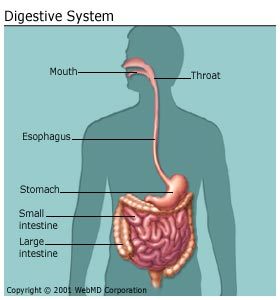
These organs working together are an example of a(n) ________________ .
organ system
cell
atom
tissue
Which is an example of an organism?
a beetle
an eye
a heart
a shell

What are the building blocks of everything that exists?
atoms
cells
organelles
organs
Anything that can perform life processes by itself is a(n) ________________ .
atom
organ
organism
organelle

