wayground logo

Free Printable Worksheets

Font size

S
M
L
XL
Worksheets

Q.1 Chem-1 Midterm Review

Total questions: 118

Worksheet time: 4hrs 56mins

Name
Class
Date
1.
The measuring system we use in science is:
a)
the SI system
b)
scientific system
c)
english system
d)
none of the above
2.
the measure of how much space an object takes up is called
a)
mass
b)
weight
c)
length
d)
volume
3.
the measure of a distance from point A to point B is called
a)
length
b)
weight
c)
mass
d)
volume
4.
the measure of the amount of matter in an object is called
a)
length
b)
height
c)
mass
d)
volume
5.
The unit "gram" measures what?
a)
volume
b)
mass
c)
length
d)
speed
6.
A graduated cylinder measures
a)
length
b)
height
c)
mass
d)
volume
7.
The base unit for length in SI units is the 
a)
gram
b)
liter
c)
meter
d)
milliliter
8.
Which unit is biggest?
a)
millimeter
b)
meter
c)
centimeter
d)
kilometer
9.
What unit would you use to measure the mass of a person?
a)
gram
b)
milligram
c)
kilogram
d)
centigram
10.
The prefixes on SI units do what to the unit?
a)
make it bigger
b)
make it smaller
c)
makes it bigger or smaller
d)
none of the above
11.
680 mL=_____ L
a)
0.680
b)
6.80
c)
68.0
d)
6800
12.
2.5 cm=_____ mm
a)
0.25 
b)
25
c)
250
d)
0.025
13.
10 cups=____ pints
a)
20 
b)
15
c)
5
d)
2.5
14.
2 ft=_____ inches
a)
12
b)
24
c)
26
d)
20
15.
7254 g=_____kg
a)
725.4
b)
72.54
c)
7.254
d)
0.7254
16.
What is the name of this instrument?
a)
Graduated Cylinder
b)
Pipet
c)
Triple Beam Balance
d)
Beaker
17.
At which point should the reading on this instrument be taken?
a)
Highest
b)
Left Side
c)
Right Side
d)
Meniscus 
18.
Read this instrument to the nearest tenth
a)
613.37 g
b)
163.7 g
c)
163.5 g
d)
163 g
19.
What type of measurement is used with this instrument?
a)
volume
b)
length
c)
mass
d)
weight
20.
Read this scientific tool to the nearest millimeter.
a)
7.1 mm
b)
7.0 cm
c)
71 mm
d)
71 cm
21.

(a)   is a measure of how close measurements come to each other when they are made in the same way.
22.
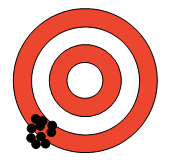
This bullseye demonstrates...
a)
High Accuracy & High Precision
b)
High Accuracy & Low Precision
c)
Low Accuracy & High Precision
d)
Low Accuracy & Low Precision
23.

Which set of properties, intensive or extensive, are based on the size of a sample?

a)

intensive

b)

extensive

24.

What kind of physical property is this? Color

a)

intensive

b)

extensive

25.

What kind of physical property is this? Hardness

a)

intensive

b)

extensive

26.

What kind of physical property is this? Volume

a)

intensive

b)

extensive

27.

What kind of physical property is this? Boiling Point

a)

intensive

b)

extensive

28.

What kind of physical property is this? Specific Heat

a)

intensive

b)

extensive

29.
What is the formula for density?
a)
density = mass x volume
b)
density = mass / volume
c)
density = mass + volume
d)
density = mass - volume
30.
Frank has an eraser. It has a mass of 4g, and a volume of 2cm3. What is its density?
a)
8 g/cm3
b)
2 g/cm3
c)
1/2 g/cm3
d)
24 g/cm3
31.
What is the volume of Object X?
a)
10.0 cm3
b)
15.0 cm3
c)
20.0 cm3
d)
25.0 cm3
32.

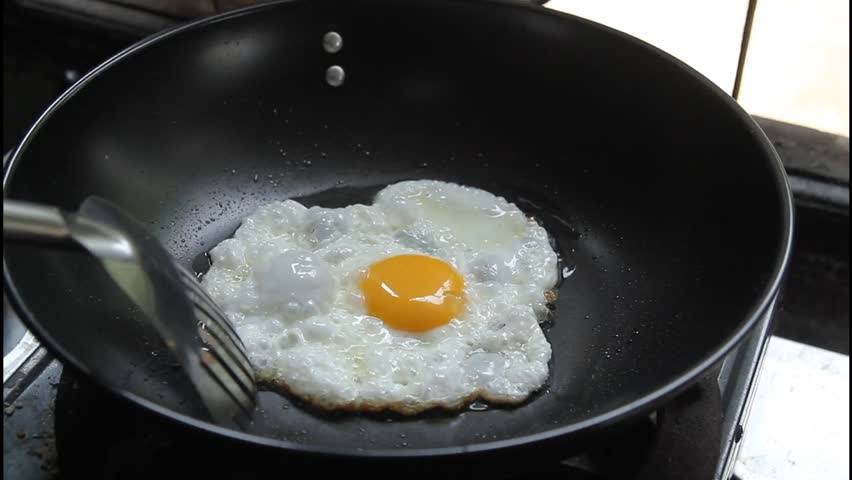
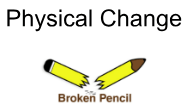
What kind of change is frying an egg?
a)
b)
33.

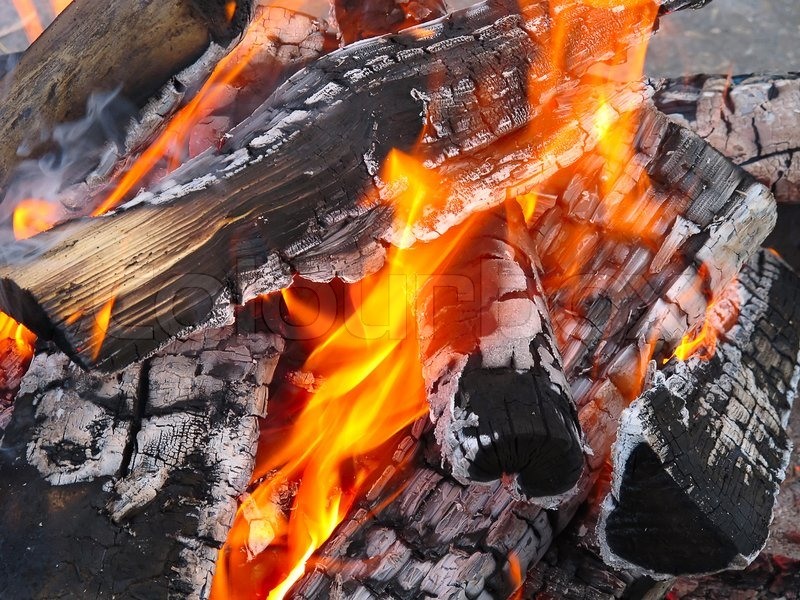
What kind of change is burning wood?
a)
b)
34.

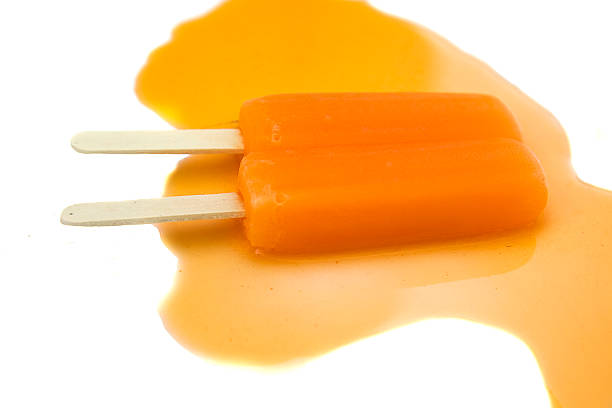
What kind of change is a melting popsicle?

a)
b)
35.
Dissolving a solid into a liquid is a ___.
a)
physical change
b)
chemical change
36.
Physical or Chemical change:
a bicycle changes color as it rusts
a)
physical change
b)
chemical change
37.
A change in a substance that only affects size, shape or state of matter.
a)
chemical change
b)
physical change
c)
chemical property
d)
endothermic
38.
Which of the following statements correctly represents the importance of wearing protective goggles in a laboratory?
a)
Goggles protect your eyes from sunlight and make you look more professional.
b)
Goggles allow you to see through walls and objects, enhancing your scientific skills.
c)
Goggles provide a physical barrier that shields your eyes from chemical splashes, fumes, and other potential hazards.
d)
Goggles are only necessary when working with sharp objects, but not when handling chemicals or other substances.
39.
The primary purpose of a fume hood in a laboratory is to:
a)
Provide a space for storing chemicals and equipment safely.
b)
Ensure proper ventilation and minimize exposure to harmful fumes and gases.
c)
Clean and sterilize lab equipment after use.
d)
Maintain the temperature and humidity levels in the laboratory
40.
Which of the following is an appropriate attire for a laboratory setting?
a)
Sandals and shorts
b)
Long-sleeved shirt and closed-toe shoes
c)
Loose-fitting clothing and open-toe shoes
d)
Sleeveless shirts and flip-flops
41.
What should you do if you accidentally spill a small amount of a chemical on your skin during a laboratory experiment?
a)
Quickly wipe it off with a paper towel
b)
Rinse the affected area with cool running water for at least 15 minutes
c)
Cover the spill with a lab coat and continue with the experiment
d)
Ignore the spill and continue working
42.
Lab safety rule 5: Experiments must be personally monitored at all times. You will be assigned a laboratory station at which to work. Do not wander around the room, distract other students, or interfere with the laboratory experiments of others. Which of the following actions is in line with the lab safety rule mentioned above?
a)
Seeking permission from the teacher to observe another student's experiment during free time
b)
Asking a nearby student for assistance in understanding the experiment
c)
Staying at your assigned laboratory station and focusing solely on your own experiment
d)
Moving around the room to get a better view of other students' experiments
43.
Why should you never return unused chemicals to their original containers?
a)
It can waste the chemicals and lead to unnecessary expenses.
b)
It can cause contamination and lead to incorrect results in future investigations
c)
It is time-consuming and disrupts the flow of the experiment.
d)
It can be difficult to find the original containers and may lead to confusion.
44.
What is the correct method for smelling fumes during an investigation?
a)
Lean over the container and take a deep breath directly from it.
b)
Touch the container with your nose to catch the scent of the fumes.
c)
Gently wave your hand over the container to bring the fumes to you.
d)
Use a straw to create suction and inhale the fumes directly from the container.
45.
Which of the following statements is true regarding transferring chemicals in the laboratory?
a)
It is important to transfer chemicals quickly to save time.
b)
Chemicals should be carried loosely to prevent spills.
c)
It is crucial to hold chemicals securely and walk carefully.
d)
Any spills or accidents can be ignored if they are small.
46.
Which of the following best describes the importance of examining glassware before each use?
a)
It is not necessary to check glassware before using it.
b)
Glassware should only be checked for cracks, not chips.
c)
It is important to examine glassware to ensure it is safe to use.
d)
Chipped or cracked glassware can still be used if handled carefully.
47.
Which of the following statements accurately describes the visual appearance of hot and cold glass?
a)
Hot glass appears red, while cold glass remains transparent.
b)
Hot glass appears transparent, while cold glass appears frosty.
c)
Both hot and cold glass have the same visual appearance.
d)
Hot glass appears frosted, while cold glass remains transparent.
48.
When determining if an object is hot, why is it recommended to bring the back of your hand close to it prior to grasping it?
a)
The back of your hand is more sensitive to temperature changes than other parts of your body.
b)
The back of your hand is less sensitive to temperature changes than other parts of your body.
c)
It is not necessary to check the temperature before grasping a hot object.
d)
Other senses, such as smell or sound, can determine the temperature of an object.
49.
Which of the following is the primary reason for turning off a lit burner or hot plate when not in use?
a)
To conserve energy and reduce utility costs.
b)
To prevent accidental burns or fires.
c)
To maintain a tidy and organized lab area
d)
To allow the burner or hot plate to cool down more quickly.
50.
Which of the following is the primary reason for grasping the plug, rather than the electrical cord, when removing an electrical plug from its socket?
a)
It looks more professional and responsible.
b)
It prevents damage to the electrical cord.
c)
It makes the process easier and more convenient.
d)
It reduces the risk of electrical shock.
51.
Which of the following is the MOST important reason for reporting any accident or injury to the teacher, even if it seems trivial?
a)
To avoid getting in trouble with the teacher.
b)
To receive appropriate medical attention, if needed.
c)
To prevent other students from laughing or making fun.
d)
To avoid wasting the teacher's time.
52.
Which of the following is the main reason for keeping hands away from face, eyes, and mouth while using chemicals or preserved specimens?
a)
To prevent contamination of the chemicals or specimens.
b)
To avoid any adverse reactions to the substances.
c)
To ensure proper focus and attention on the experiment.
d)
To maintain a professional and serious attitude in the lab.
53.
Which of the following actions should be taken if accidental contact occurs between a chemical and the eyes or mouth?
a)
Immediately rinse with water for 10 seconds.
b)
Rub vigorously to remove any residue.
c)
Ignore it and continue with the experiment.
d)
Report it to the teacher and seek immediate medical attention.
54.
Why should you wash your hands with soap and water after performing all experiments?
a)
To remove any harmful chemicals or substances from your hands.
b)
It is a mandatory lab rule.
c)
To prevent stains on your hands.
d)
It will make your hands smell good.
55.
Which of the following safety equipment should be used if someone's clothes catch on fire in the lab?
a)
Eyewash station
b)
Safety shower
c)
Fire extinguisher
d)
Fire blanket
56.
Which of the following safety equipment should be used if there is a chemical splash in the eye?
a)
Eyewash station
b)
Safety shower
c)
Fire extinguisher
d)
Fire blanket
57.
Which safety equipment should be used if there is a chemical spill on the skin or clothing?
a)
Eyewash station
b)
Safety shower
c)
Fire extinguisher
d)
Fire blanket
58.

Match the following lab equipment pictures with the correct name of each.

a)

1.

Glass stirring rod

b)

2.

Test tube holder

c)

3.

Erlenmeyer flask

d)

4.

Graduated cylinder

e)

5.

Test tube clamp

59.

Match the following pictures with the correct FUNCTION.

a)

1.

Supports with rings and clamps attached

b)

2.

Heating, sterilization, combustion

c)

3.

Used to transfer solids

d)

4.

Supports a crucible on ring stand

e)

5.

Removing and holding a hot beaker

60.

Something that takes up space and has mass.

a)

Volume

b)

Matter

c)

Mass

d)

Density

61.

Something that takes up space and has mass.

a)

Volume

b)

Matter

c)

Mass

d)

Density

62.
What are the three states of matter?
a)
solid, volume, mass
b)
density, volume, mass
c)
solid, liquid, gas
d)
density, gas, volume
63.

H2O is an example of a(n):

a)

Element

b)

Compound

c)

Homogeneous Mixture

d)

Heterogeneous Mixture

64.

Calcium (Ca) is an example of a(n):

a)

Element

b)

Compound

c)

Homogenous Mixture

d)

Heterogeneous Mixture

65.

Tap water (water, salt & minerals) is an example of a(n):

a)

Element

b)

Compound

c)

Homogeneous Mixture

d)

Heterogeneous Mixture

66.

Methane (CH4) is an example of a(n):

a)

Element

b)

Compound

c)

Homogeneous Mixture

d)

Heterogeneous Mixture

67.

Chicken noodle soup is an example of a(n):

a)

Element

b)

Compound

c)

Homogeneous Mixture

d)

Heterogeneous Mixture

68.

Which of the following is a physical property?

a)

Heat of combustion

b)

Boiling point

c)

Flammability

d)

Reactivity

69.

Which of the following is NOT a sign that a chemical change has occurred?

a)

Change in color

b)

Change in shape

c)

Formation of a gas

d)

Change in odor

70.

Which of the following is an example of a chemical change?

a)

Ripping paper in half

b)

Boiling an egg

c)

Cracking an egg

d)

Dissolving sugar in water

71.

Which of the following is a physical change?

a)

Burning a match

b)

Vinegar reacting with baking soda

c)

Melting butter

d)

Cooking an egg

72.

Which of the following is a chemical property of water?

a)

Reacts with pure sodium.

b)

Boils at 100 oC.

c)

Dissolves sugar easily.

d)

Has a density of 1 gm/mL

73.

Which of the following is a physical property?

a)

Combustion

b)

Electronegativity

c)

Color

d)

PH Level

74.

Hammering wood together to build a house is an example of a:

a)

chemical change.

b)

physical change.

75.

Bleaching your hair is an example of a:

a)

physical change.

b)

chemical change.

76.

Which of the following is NOT an example of a physical change?

a)

crumpled paper

b)

pencil sharpening

c)

glass breaking

d)

mold growing on cheese

77.

Sugar dissolving in water is an example of a:

a)

chemical change.

b)

physical change.

78.

Green bananas turning yellow on their own as they ripen. This is a:

a)

chemical change.

b)

physical change.

79.

How would you classify the matter in the picture above?

a)

Element

b)

Compound

c)

Homogeneous Mixture

d)

Heterogeneous Mixture

80.

How would you classify the matter in the picture above?

a)

Element

b)

Compound

c)

Homogeneous Mixture

d)

Heterogeneous Mixture

81.

How would you classify the matter in the picture above?

a)

Element

b)

Compound

c)

Homogeneous Mixture

d)

Heterogeneous Mixture

82.

How would you classify the matter in the picture above?

a)

Element

b)

Compound

c)

Homogeneous Mixture

d)

Heterogeneous Mixture

83.

Purified water

a)

element

b)

compound

c)

mixture

d)

solution

84.

oxygen

a)

element

b)

compound

c)

mixture

85.

air

a)

element

b)

compound

c)

mixture

86.

Which of the following formulas represents a compound?

a)

4 He

b)

5 O2 + 3 LiBr

c)

2 MgO

d)

Ag

87.

Classify the Sample.

a)

mixture of elements

b)

pure compounds

c)

mixture of compounds

d)

mixture of compounds and elements

88.
Which chemical formula could be represented by this sample?
a)
NaCl
b)
H2
c)
C6H12O6
d)
Cu
89.

Classify the sample.

a)

element

b)

compound

c)

mixture

90.

Classify the sample

a)

element

b)

compound

c)

mixture

91.

What is a pure substance made of two or more elements that are chemically bonded called?

a)

A. element

b)

B. compound

c)

C. mixture

d)

D. solution

92.
This type of substance is made up of one type of atom. 
a)
Element
b)
Compound
c)
Mixture
93.

Which type(s) of matter is/are considered pure substances?

a)

elements only

b)

compounds only

c)

elements and compounds

d)

elements and mixtures

94.

The particle diagram contains ____ total molecules and ____ total atoms.

a)

4 molecules, 8 atoms

b)

8 molecules, 4 atoms

c)

8 molecules, 8 atoms

d)

4 molecules, 4 atoms

95.

Chemical or Physical change?

a)

chemical

b)

physical

96.

Chemical or Physical Change?

a)

chemical

b)

physical

97.

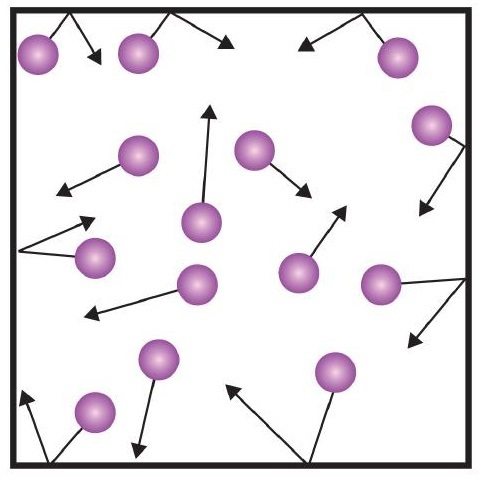
Which state of matter is being represented by this diagram?

a)

gas

b)

liquid

c)

plasma

d)

solid

98.

What state of matter is being represented by this diagram?

a)

gas

b)

liquid

c)

plasma

d)

solid

99.

Which state of matter is being represented by this diagram?

a)

gas

b)

liquid

c)

plasma

d)

solid

100.

Which state of matter is being represented in this bottle?

a)

gas

b)

liquid

c)

plasma

d)

solid

101.
Which description best matches this particle model?
a)
Closely packed and can't move a lot. 
b)
Particles are close together but can move a little. 
c)
Particles have lots of energy and can move around. 
102.
At higher temperatures
a)
particles in an object have less energy
b)
particles in an object move faster
c)
a gas contracts
103.
As temperature decreases, the molecules collide more, move faster, and spread out. 
a)
true
b)
false
104.

Which diagram represents an element?

a)

Diagram (a)

b)

Diagram (b)

c)

Diagram (c)

d)

None of the diagrams represent the parts of an element.

105.

Which of the following represents a compound?

a)

Diagram (a)

b)

Diagram (b)

c)

Diagram (c)

d)

All of the diagrams represent the parts of a compound.

106.

Which diagram represents a homogeneous mixture?

a)

Diagram (a)

b)

Diagram (b)

c)

Diagram (c)

d)

None of the diagrams represent the parts of a mixture.

107.

What type of material is pictured?

a)

Element

b)

Compound

c)

Homogeneous mixture

d)

Heterogeneous mixture

108.

What type of material is pictured?

a)

Element

b)

Compound

c)

Heterogeneous mixture

d)

Homogeneous mixture

109.

What type of matter is shown in this particle diagram?

a)

Element

b)

Compound

c)

Mixture of Elements

d)

Mixture of Compounds

e)

Mixture of Elements and Compounds

110.

What type of matter is shown in this particle diagram?

a)

Element

b)

Compound

c)

Mixture of Elements

d)

Mixture of Compounds

e)

Mixture of Elements and Compounds

111.

What type of matter is shown in this particle diagram?

a)

Element

b)

Compound

c)

Mixture of Elements

d)

Mixture of Compounds

e)

Mixture of Elements and Compounds

112.

What type of matter is shown in this particle diagram?

a)

Element

b)

Compound

c)

Mixture of Elements

d)

Mixture of Compounds

e)

Mixture of Elements and Compounds

113.

What type of matter is shown in this particle diagram?

a)

Element

b)

Compound

c)

Mixture of Elements

d)

Mixture of Compounds

e)

Mixture of Elements and Compounds

114.

This picture of oil and water is a(n)

a)

Element

b)

Compound

c)

Heterogeneous mixture

d)

Homogeneous mixture

115.

An even distribution of two or more different substances mixed together.

a)

Element

b)

Compound

c)

Heterogeneous mixture

d)

Homogeneous mixture

116.

The symbol "H" represents

a)

Element

b)

Compound

c)

Heterogeneous mixture

d)

Homogeneous mixture

117.

The formula C8H10N4O2 represents

a)

Element

b)

Compound

c)

Heterogeneous mixture

d)

Homogeneous mixture

118.

A chemical substances composed of atoms with the same number of protons in the atomic nucleus is a(n)

a)

Element

b)

Compound

c)

Heterogeneous mixture

d)

Homogeneous mixture