
Font size
 Worksheets
9 weeks test review 6th grade
Total questions: 125
Worksheet time: 1hrs 24mins



When you compress a spring, you are storing __________ energy.
sound
elastic
light
chemical


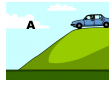
Which passenger has the most potential energy?
A
B
C
D

The formula for calculating the gravitational potential energy in an object is shown above. Which object will have the largest value for its GPE



If these are all moving at the same speed, the vehicle with the greatest KE would be
(Think about their sizes)


Determine whether the following example is Potential Energy (PE) or Kinetic Energy (KE):
flashlight turned off
Potential Energy
Kinetic Energy


What is true about this image?
It shows unbalance forces.
It shows balanced forces.
The people on the right are winning.
The people on the left are winning.




The net force is...
50 N
0 N
100 N
2500 N
A lamp sitting on a table.
Balanced Force
Unbalanced Force

These forces are...
Balanced
Unbalanced


What is the net force?
0 N
25 N to the right
25 N to the left
50 N

These forces are...
Balanced
Unbalanced
The net force is...(remember to add if they are going in the SAME direction)
50 N
0 N
100 N
2500 N


What is the net force?
50 N to the right
100 N to the left
100 N to the right
150 N to the right


5N
1N
Which of the following is an example of an unbalanced force?


These forces are...
Balanced
Unbalanced
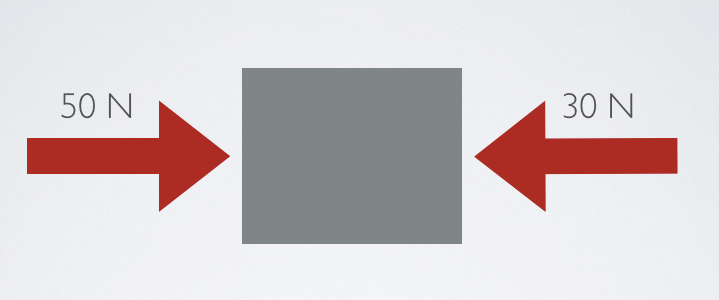
How will this object move?
It won't move.
It will move to the right.
It will move to the left.
It will move up.


What is the net force?
20 N to the left
40 N to the right
60 N to the right
80 N

The net force is...
-20 N
0 N
80 N
20 N


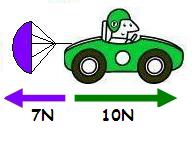
What is the net force?
3 N
3 N, right
17 N, right
3 N, left
Problem
A student walks 3 km in 20 minutes. What is the student’s average speed in km/h
12
9
7
6
Problem
A car travels 10 km in 15 minutes. What is the average speed of the car?
25 km/h
20 km/h
40 km/h
45 km/h


Problem
A dog runs 6 km in 30 minutes. What is the dog’s average speed in km/h?
25
180
12
5

Carleton walked for a while, stopped to sit on a bench in the park, and then ran the rest of the way home.
Carleton ran all the way from school to home going the same constant speed and never stopping.
Carleton waited around after school for his friend, and then they ran home together.
Carleton ran for a long time, then slowed down to walk the rest of his trip. Once he got home, he sat down on the couch.

Jessica ran all the way from school to home going the same constant speed and never stopping.
Jessica waited around after school for her friend, and then they ran home together.
Jessica ran for a long time, then slowed down to walk the rest of her trip. Once she got home, she sat down on the couch.
Jessica walked for a while, stopped to sit on a bench in the park, and then ran the rest of the way home.
Problem
Which of the following best describes the speed of an object?
14 m/s2
14 m/s south
14 m/s
14 m south

0.8 m/s
0.08 m/s
1.25 m/s
0.125 m/s

Sam ran for a long time, then slowed down to walk the rest of his trip. Once he got home, he sat down on the couch.
Sam waited around after school for his friend, and then they ran home together.
Sam walked for a while, stopped to sit on a bench in the park, and then ran the rest of the way home.
Sam ran all the way from school to home going the same constant speed and never stopping.


7. How fast are you going if you walk 24 km in 3 hours?
72 km/h
36 km/h
27 km/h
8 km/h

#4 Show all your work on your answer document.
4.5 m/s
0.22 m/s
175 m/s
11250 m/s

#10 Show all your work on your answer document. (Average speed = total distance / total time)
6.25 km/min
21 m/s
0.16 km/min
100 m/s

#9 Show all your work on your answer document. (Average speed = total distance / total time)
1.6 km/min
1.6 m/s
0.625 km/min
0.625 m/s

#2 Show all your work on your answer document.
400 m/min
0.0025 m/min
3600 mi/hr
40 m/s

Ms. H rides her unicorn to the mall. The mall is 2400 meters from her home and it takes her 12 minutes to get to the mall. What is Ms. H's average speed in meters per minute?
200 m/m
150 m/m
220 m/m
250 m/m

How fast is uncle Billy running if it takes him 30 minutes to travel 240 meters?
10 m/m
6 m/m
8 m/m
5 m/m
What is the speed of a rocket that travels 9000 meters in 12.12 seconds?
725 m/s
7,425 m/s
742.5 m/s
680 m/s



What is one advantage of using hydroelectricity as an energy source?
heat is captured under the earth
might change the migration of salmon
reservoirs can be used to irrigate crops
causes a lot of pollution

Why is it beneficial to use natural gas?
there is a limited supply
it releases low emissions
it is non-renewable
it is created in your body
What is a disadvantage for using coal to produce energy
it is abundant everywhere
it is not friendly to the environment
formed over a few years
you can make more very quickly
Because biomass is a less concentrated form of energy, it is inefficient (failing to make the best use of time or resources).
True
False
The ability of a system to do work, which causes change
fossil fuels
energy
conservation
recycle
A major disadvantage of nuclear power is
generate a small amount of energy
no greenhouses gases or pollution are produced
the by product is radiation
it can be disposed of easily

Hydro-plants are expensive to build and require expensive machinery.
True
False
why is it beneficial to recycle paper?
there is plenty of land for landfills
recycling produces toxic chemicals
making paper uses energy and natural resources
recycling is a waste of time
Which two energy sources require open space?
biomass and natural gas
wind and solar
hydropower and wind
nuclear and geothermal
Hydropower creates energy by
the rays of the sun
ocean water heated by the sun
heated water underground
using the motion of the water to turn the turbines.
Which energy source uses agricultural and forest by products?
wind
biomas
solar
hydropower
Biomass is composed of
plants, animal waste, and garbage
radioactive materials
energy rays from the sun
nonrenewable products from the Earth.
Which energy source uses turbines that spin in open air?
nuclear
hydropower
solar
wind
A disadvantage of solar energy is
weather dependent
non polluting
solar panels last up to 30 years
solar panels are relatively inexpensive.
The main disadvantage of using nuclear power is the release of radiation into the atmosphere.
True
False
Which energy source is best for a city that has a limited amount of open space?
wind
natural gas
solar
geothermal
An advantage of using biomass is -
it causes some pollution
decreases waste products from municipal and agricultural sources
it uses some fossil fuels to convert
it smells good
How can you conserve energy resources?
leave the water running while brushing your teeth
carpool, bicycle or walk whenever possible
always wear a seatbelt
do not recycle plastic bottles.
One way to conserve household energy is to-
backup computer and leave on all the time
do not change the air conditioning filter
leave the water running while brushing your teeth
turn off the air conditioner of heater when the house is not occupied.
One advantage of burning coal is
it is expensive to burn
it is an inexpensive source of energy
it is renewable
it can be replenished quickly
one disadvantage of geothermal energy is -
has little impact on the environment
low cost to maintain
it is not found everywhere
it is nonrenewable
Non-renewable energy sources
never run out
coal, oil, and natural gas
wind, solar, and geothermal
all energy is non-renewable
Hydroelectricity causes more pollution, due to the increased amount of greenhouse gases.
true
false
which energy source produces the least amount of carbon dioxide when burned?
natural gas
coal
oil
biomass
Why is natural gas a better energy source than oil and coal?
it produces fewer greenhouse gases
it is renewable
it is a natural resource
it is nonrenewable
one advantage of burning coal for an energy source is -
takes years to form
harmful to the environment
inexpensive to mine and transport
creates no pollution
Reservoirs associated with dams can be used for irrigation as well as recreation.
true
false
Why do geothermal and solar energy have in common?
neither is expensive
neither produces greenhouse gases
sunlight is needed for both
they are are nonrenewable
What are fossil fuels?
solar, coal, and nuclear
coal, oil, and natural gas
nuclear, and natural gas
wind, hydropower, solar
Limiting household use of hot water does not conserve energy.
True
False
Natural gas produces more carbon dioxide than coal
true
false
which energy source is generated from the heat from within the Earth
solar
wind
hydropower
geothermal
Fossil fuels are found
in desert army bases
near river banks
deep within the earth
at mountain tops
Which of the following is NOT a fossil fuel?
coal
oil
wood
natural gas
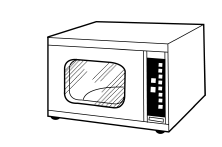

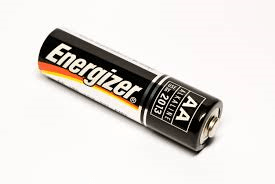

Which of the following best describes the energy transformations that occur when a flashlight that runs on batteries is turned on?
chemical to mechanical to electrical to radiant
radiant to electrical to sound
chemical to radiant to mechanical to electrical
electric to radiant to chemical

Thermal energy is also known as
light
heat
radiation

Light energy is also known as
radiant energy
thermal energy
heat energy
nuclear energy

Most of the world's energy is solar. Solar energy is energy from the
Earth
Solar panels
Sun
Moon
What is geothermal energy?
Energy from the Sun
Energy made by wind spinning a turbine
Energy collected using the heat of the Earth
Energy collected by a hamster running on a wheel connected to a generator

