
 Worksheets
Circulatory system; Structure of heart
Total questions: 25
Worksheet time: 33mins
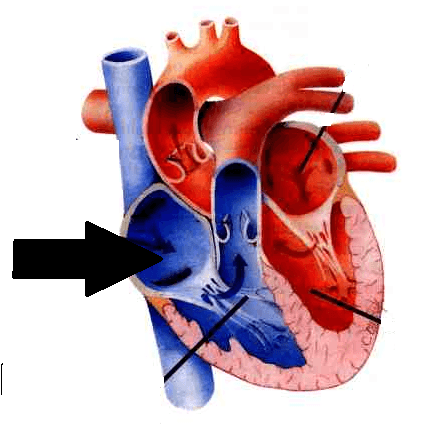
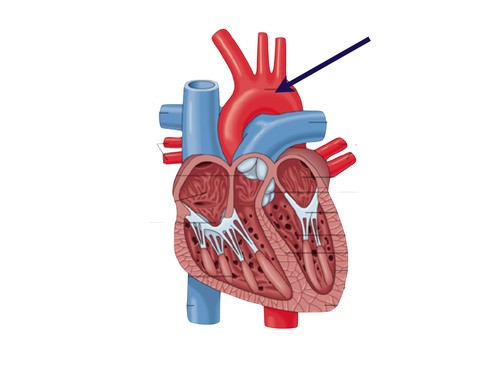
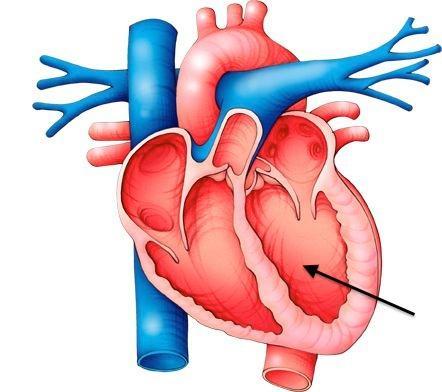
The mammalian heart has ___ chambers.
1
2
3
4
An open circulatory system is one that has:
no valves present
no heart to pump the fluid
no vessels at all
no distinction between blood and tissue fluid
The ____________ carries blood throughout the body;
the ____________ carries blood only to and from the
lungs.
systemic circuit; pulmonary circuit
pulmonary circuit; systemic circuit
venous circulation; arterial circulation
arterial circulation; venous circulation
Where is the heart beat initiated?
right atrium
right ventricle
left atrium
left ventricle
Which one of the following is found in the wall of both arteries and capillaries?
connective tissue
smooth muscle cells
endothelial cells
elastic fibres

Which type of vessels have the smallest diameter?
arteries
venules
capillaries
arterioles
The innermost layer of the tunica intima is the
internal elastic lamina
vaso vasora
external elastic lamina
endothelium
What prevents blood from flowing backwards in vessels?
Valves allow blood to only flow in one direction
Smooth muscles only contract in one direction
Gravity pulls blood in one direction
Electrical impulses push blood in one direction in vessels
Elastic fibers allow blood vessels to expand. What component in the vessel walls provides strength to the blood vessels?
Smooth muscles
Collagen fibers
Endothelial cells
Plasmodesmata
What happens during ventricular systole?
Atrioventricular valves open
Blood passes through the aorta and pulmonary artery
Semilunar valves close
The atria fill with blood
Which chambers in the heart are the first to receive an electrical impulse during the cardiac cycle? (choose all that apply)
Right atrium
Left atrium
Right ventricle
Left ventricle
thickest wall is present in
atrium
interventricular septum
rt ventricles
left ventricle
Largest blood vessels in the body
Aorta
pulmonary truck
inferior venacavae
none


The chamber that receives deoxygenated blood from the right atrium and pumps it to the lungs is called ___________.
left atrium
right atrium
left ventricle
right ventricle
What is the name of the valve that guards the opening between the left atrium and left ventricle?
Pulmonary valve
Tricuspid valve
Aortic valve
Bicuspid valve


