
 Worksheets
Unit 3 Exam Review
Total questions: 154
Worksheet time: 2hrs 1mins

Loops that cause a response to build up and build up until something big happens are called ____________ loops
positive
negative
The heater kicks on and the house warms up, so it kicks off. Then the house cools a bit and the heater kicks back on. This continues all day. It's a _____________ loop.
positive
negative
Most of the body's feedback loops are ____________ loops.
positive
negative
Body temperature regulation is an example of a ______________ loop
positive
negative
In a positive feedback loop, each action creates a consequence that _____________________ the other action.
decreases
has no effect on
amplifies
In a negative feedback loop, each action creates a consequence that _____________________ the other action.
decreases
has no effect on
amplifies
A ________________ feedback loop makes a system more stable.
Positive
Neutral
Negative
Circular
A _________________ feedback loop moves a system to an extreme.
Positive
Neutral
Circular
Negative
A thermostat in a central heating system can determine the temperature of your living room. It switches the air conditioner on when the temperature increases to a predetermined level and shuts it off when it cools to another level. The room temperature remains within a comfortable level regardless of the temperature outside.
Positive Feedback Loop
Negative Feedback Loop
In an economic recession, job loss leads to decreased spending, which harms businesses and leads to even more job loss.
Positive
Negative
When the population of deer in an area begin to grow, they start overgrazing the vegetation that feeds them. When there is not enough vegetation to sustain the rapidly growing deer population, they will begin to die off until the vegetation grows back to normal levels and the deer will have enough food to repopulate again.
Positive
Negative

This image is an example of
Equilibrium
Negative
Positive
Temperture
A organization posts an advertisement with a very "click-baity" title and image on a social media platform. The title and image draw in people to click on the ad. As the ad receives more views, the algorithm shows the ad to more people.
Positive Feedback Loop
Negative Feedback Loop
In some developing countries poverty causes illness and contributes to poor standards of education. In the absence of knowledge of family planning methods and hygiene, this contributes to population growth and illness, adding further to the causes of poverty; “a vicious circle of poverty.”
Positive Feedback Loop
Negative Feedback Loop
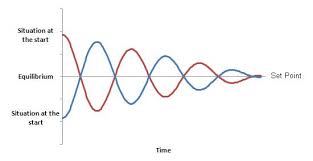
Does the graph show positive or negative feedback?
Positive, because when the red line shifts, the blue one does also
Negative, because the blue line starts below equilibrium
Negative, because the two actions are keeping each other near equilibrium
Both positive and negative because the graph moves up and down
Negative feedback loops result in stabilization of a system.
Negative feedback is a process that _______ the effects of a change.
reduces
amplifies
has no effect
Positive feedback loops result in a system moving towards an extreme. Positive feedback is a process that _______ the effects of a change.
reduces
amplifies
has no effect
What is the name of the macromolecule that makes up the majority of the cell membrane?
Lipid
Carbohydrate
Nucleic acid
Protein
Which statement best describes the role cholesterol plays in the membrane?
It clogs the membrane
It increases membrane fluidity
It decreases membrane fluidity
It holds the membrane together
The lipid bilayer is ____ thick.
1
2
3
4
The primary component of the cell membrane is the group of lipids called
prostaglandins
cholesterol
phospholipids
carbohydrate
"water loving"
Hydroloric
Hydroelectric
Hydrophilic
Hydrophobic
"water fearing"
Hydroloric
Hydroelectric
Hydrophilic
Hydrophobic
Describes the arrangement of the cell membrane as bendable and made of many parts.
the fluid mosaic model
the major mobility model
the crazy cell model
the cell theroy model
Controls the passage of materials inside and outside of the cell
Cell Membrane
Cytoplasm
Cell Wall
Endoplasmic reticulum
Which term describes the relatively constant internal physical conditions of an organism?
permeability
homeostasis
specialization
unicellularity
Which of the following molecules pass easily through the cell membrane, requiring little extra help or energy? Select all that apply.
glucose
oxygen
carbon dioxide
sodium
The ability to allow only certain molecules into or out of the cell.
permeability
impermability
unpermeability
semipermeablity
Which of the following are embedded in the phospholipid bilayer and help substances pass through?
cholesterol
lipids
proteins
carbohydrates
Which of the following are embedded in the phospholipid bilayer to signal between cells?
cholesterol
lipids
proteins
carbohydrates
Which of the following are embedded in the phospholipid bilayer to support the structure?
cholesterol
lipids
proteins
carbohydrates
What is the name of the macromolecule that makes up the majority of the cell membrane?
Lipid
Carbohydrate
Nucleic acid
Protein
Which statement best describes the role cholesterol plays in the membrane?
It clogs the membrane
It increases membrane fluidity
It decreases membrane fluidity
It holds the membrane together
The lipid bilayer is ____ thick.
1
2
3
4
The primary component of the cell membrane is the group of lipids called
prostaglandins
cholesterol
phospholipids
carbohydrate
"water loving"
Hydroloric
Hydroelectric
Hydrophilic
Hydrophobic
"water fearing"
Hydroloric
Hydroelectric
Hydrophilic
Hydrophobic
Describes the arrangement of the cell membrane as bendable and made of many parts.
the fluid mosaic model
the major mobility model
the crazy cell model
the cell theroy model
Controls the passage of materials inside and outside of the cell
Cell Membrane
Cytoplasm
Cell Wall
Endoplasmic reticulum
Which term describes the relatively constant internal physical conditions of an organism?
permeability
homeostasis
specialization
unicellularity
Which of the following molecules pass easily through the cell membrane, requiring little extra help or energy? Select all that apply.
glucose
oxygen
carbon dioxide
sodium
The ability to allow only certain molecules into or out of the cell.
permeability
impermability
unpermeability
semipermeablity
Which of the following are embedded in the phospholipid bilayer and help substances pass through?
cholesterol
lipids
proteins
carbohydrates
Which of the following are embedded in the phospholipid bilayer to signal between cells?
cholesterol
lipids
proteins
carbohydrates
Which of the following are embedded in the phospholipid bilayer to support the structure?
cholesterol
lipids
proteins
carbohydrates
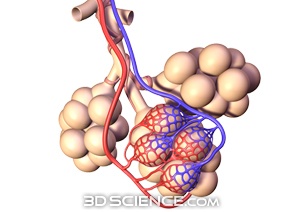
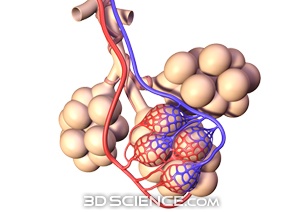

Flap of tissue that covers the opening to the windpipe during swallowing
Pharynx
Trachea
Epiglottis
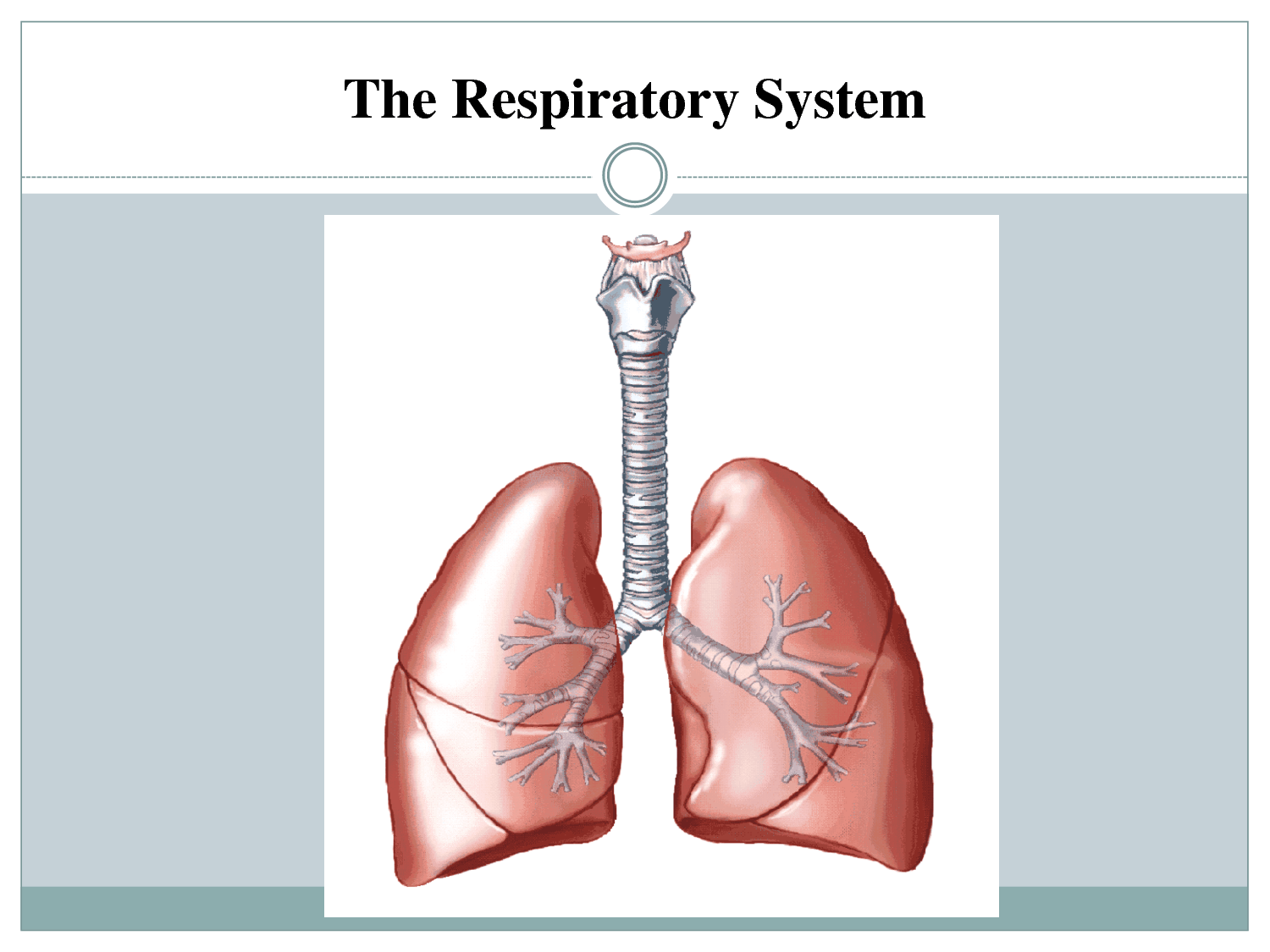
1. larynx
2. nasal cavity
3. pharynx
4. trachea
Which of the following is the correct order that air would flow during inhalation.
The drawing in of breath; inhalation.
Inspiration
Expiration
Breathing out; exhalation of breath.
Inspiration
Expiration
What is the site of gas exchange?
alveoli
nose
lung
bronchi
A cavity within a bone or other tissue, especially one in the bones of the face or skull connecting with the nasal cavities.
Sinus
Nose
Pharynx
Larynx
The process of diffusing oxygen from the blood, into the interstitial fluid and into the cells.
inspiration
expiration
internal respiration
external respiration
The process of exchanging oxygen and carbon dioxide in the lungs.
inspiration
expiration
internal respiration
external respiration
The only externally visible part of the respiratory system
Eyes
Nose
Pharynx
Larynx
Which lung has 2 lobes?
Right
Left
The division of the trachea forms
nose
main bronchi
lungs
alveoli
The opening between vocal cords
glottis
epiglottis
Olfactory receptors are located in the mucosa of the nose. What are these receptors used for?
sight
smell
touch
taste
Which part of the Respiratory System plays a major role in speech?
nose
pharynx
larynx
trachea

After drinking too much water and having the stimulation or urge to use the restroom is an example of which two systems interacting with each other?
Digestive and Circulatory
Excretory and Circulatory
Digestive and Nervous
Respiratory and Nervous
Wastes being removed from the blood is an example of which two systems interacting with each other?
Excretory and Circulatory
Excretory and Respiratory
Digestive and Circulatory
Digestive and Excretory
Which two systems are involved in homeostasis after wastes are removed?
Digestive and Respiratory
Digestive and Excretory
Excretory and Circulatory
Nervous and Digestive
Why must wastes be removed from the body?
So the body can transport nutrients through the body
So the body can break down nutrients
So the body can stay healthy and maintain homeostasis
Wastes do not have to be removed from the body
Which two systems interact to break down food and transport nutrients throughout the body?
Digestive and circulatory
Digestive and excretory
Nervous and excretory
Digestive and respiratory

The function of kidneys...
Transport nutrients
Circulate blood
Break down food
Waste removal
This system absorbs the nutrients from the food we eat and can help to remove the wastes from the body.
Excretory
Digestive
Immune
Circulatory


When a cell forms a vesicle around unwanted particles and expels it OUT of the cell.
Pinocytosis
Endocytosis
Receptor-mediated
Exocytosis
Which type of active transport uses a vesicle to allow a large molecule to exit the cell?
Endocytosis
Exocytosis


Which type of active transport is displayed?
Endocytosis
Exocytosis

Uses energy.

Uses energy.

Doesn't need energy
Which group of organelles helps maintain homeostasis within the cell?
vacuoles and mitochondrion
ribosomes and cytoskeleton
lysosome, vacuole, and cell membrane
cell wall and rough endoplasmic reticulum

What type type of transport is shown in the image?
active transport because particles are moving from low concentration to high concentration
passive transport because particles are moving from high concentration to low concentration
active transport because particles are moving from high concentration to low concentration
passive transport because particles are moving from low concentration to high concentration

What type of transport is shown in the image?
Active transport because particles are moving from high concentration to low concentration
Active transport because particles are moving from low concentration to high concentration
Passive transport because particles are moving from high concentration to low concentration
Passive transport because particles are moving from low concentration to high concentration
What is the difference between active and passive transport?
Active is high to low; Passive is low to high
Active uses no cell energy; Passive uses cell energy
Passive is high to low and uses no energy; Active uses energy and is low to high
Passive uses no cell energy
Fill in the blank:
Osmosis is the movement of ________ across a cell membrane from high to low.
Carbon dioxide
Starch
Water
Oxygen


In an isotonic solution which way will the water flow
it will not flow at all
it will flow into the cell
it will flow both ways at equal rates
out of the cell
A solution outside of a cell that contains a higher water concentration than the cytoplasm of a cell is called:
solution
hypertonic
hypotonic
isotonic

Which of the following molecules crosses through a semipermeable membrane during the process of osmosis?
water
salt
sugar
protein

If the semipermeable membrane allows the green chemical to pass through it freely, where will the green chemical move?
right to left
left to right
up and down

The concentration of red molecules outside the cell is higher than the concentration inside the cell. The red molecules cannot penetrate the cell. The cell is inside a ______.
hypotonic solution
hypertonic solution

The membrane does not allow the green molecules to pass through it. What will happen next?
Water will flow into side A.
Water will flow into side B.
Water will stay still.

Which Type of solution is the middle cell placed in?
Hypertonic
Hypotonic
Isotonic
Robotonic

What would happen to a cell placed in a hypertonic solution
The cell would shrink
The cell would expand and possibly burst
The cell would remain the same
The cell would dance and do the Nay Nay!

After examining this diagram showing the concentration of water inside and outside of the cell, identify the tonicity of the solution.
hypertonic
hypotonic
isotonic

The solution surrounding the cell in Diagram B, would be defined as:
hypertonic
hypotonic
isotonic


Nemo and other ocean dwelling fish cannot survive in freshwater because......
freshwater is hypertonic to Nemo's cells and will result in water leaving them causing the cells to shrink
freshwater is hypotonic to Nemo's cells and will result in water leaving them causing the cells to shrink
freshwater is hypertonic to Nemo's cells and will result in water entering them causing the cells to swell and burst
freshwater is hypotonic to Nemo's cells and will result in water enter them causing the cells to swell and burst
is the maintenance of a relatively stable internal environment
is the maintenance of a relatively stable external environment

