
 Worksheets
South Asia Test '26
Total questions: 47
Worksheet time: 34mins

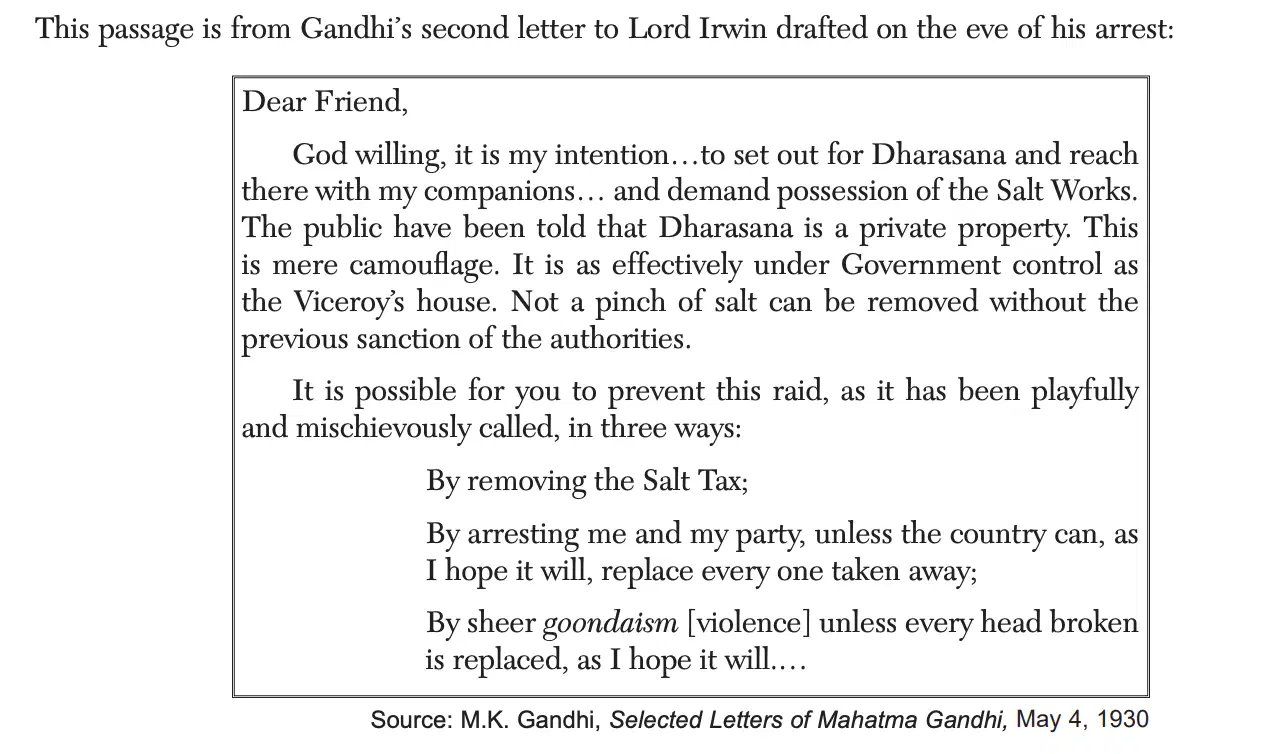
This letter was written primarily in response to the
Partition of India and Pakistan
Widespread boycott of British textiles
Human rights violations at Amritsar
British monopoly of Indian resources
Salt March
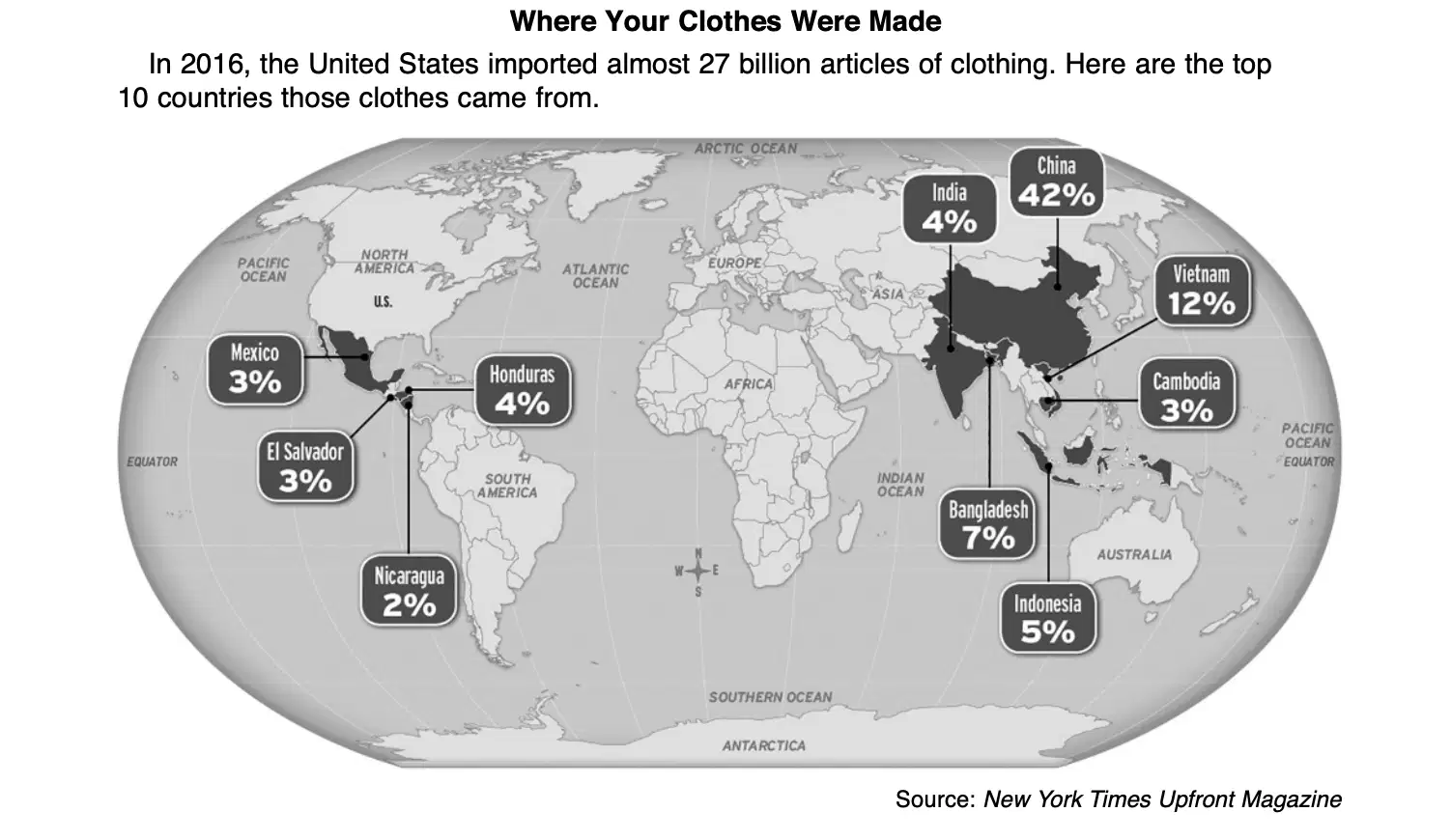
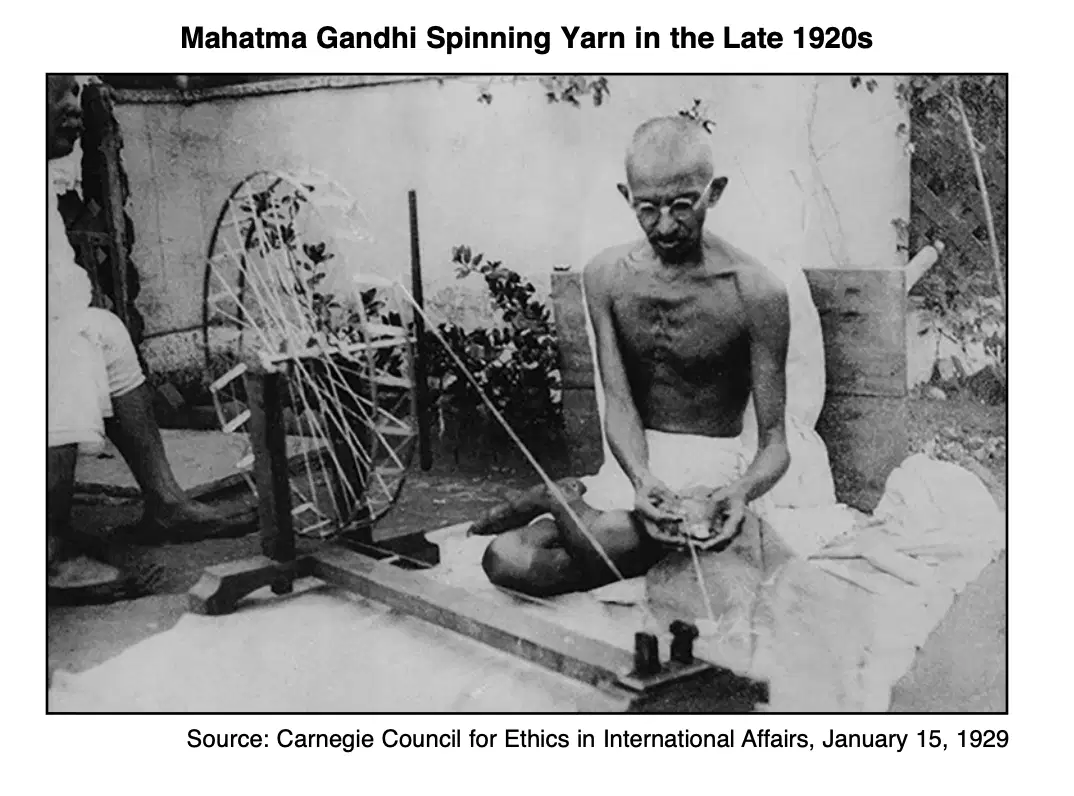
Gandhi's activity in this photograph is a reaction to
British imperialism in India
Russia’s invasion of South Asia
India’s nonalignment during the Cold War
South Asian famines
Gandhi was working in prison for violation of the Salt Tax
Which statement about India is accurate?
Its economy has boomed over the past 25 years.
Nearly 98 percent of the population can now read in English and Hindi.
Salaries for young people in India are much higher than they are in the United States, particularly in the tech industry.
All of the above.
Which of the following words means "non-religious"?
Shah
Secular
Corrupt
Shi'ite
Sunni
What was the main reason for the partition of India and Pakistan in 1947?
Religious differences between Hindus and Muslims
Economic disparities between different regions
Political disagreements between leaders
All of the above
What was the impact of Gandhi's nonviolent resistance on the Indian independence movement?
It led to immediate independence for India
It caused a violent backlash from the British
It inspired other colonies to fight for their independence
It strengthened the resolve of the Indian people and gained international support
Which of the following accurately describes the impact of Gandhi's Salt March?
It led to immediate independence for India
It caused a violent backlash from the British
It inspired other colonies to fight for their independence
It strengthened the resolve of the Indian people and gained international support
What was the primary outcome of the partition of India and Pakistan in 1947?
It led to the largest human migration in modern history
It was a peaceful period of migration with little to no violence
Gandhi supported the partition of India into two countries and celebrated the creation of Pakistan
India and Pakistan have peaceful relations and no border disputes to this day
Match the following
Holy Book of Buddhism
3 Baskets of Wisdom
Founder of Buddhism
Siddhartha Gautama
Supreme being of Hinduism
Brahman
Caste system
Hinduism
Nirvana
Buddhism
Match the following
Group holding political power in Afghanistan on 9/11
Taliban
Peaceful leader of Indian Independence Movement
Mahatma Gandhi
Group claimed responsibility of 9/11 attacks on the US
Al Qaeda
US President during invasion of Afghanistan
George W. Bush
US President during military withdrawal of Afghanistan
Joe Biden
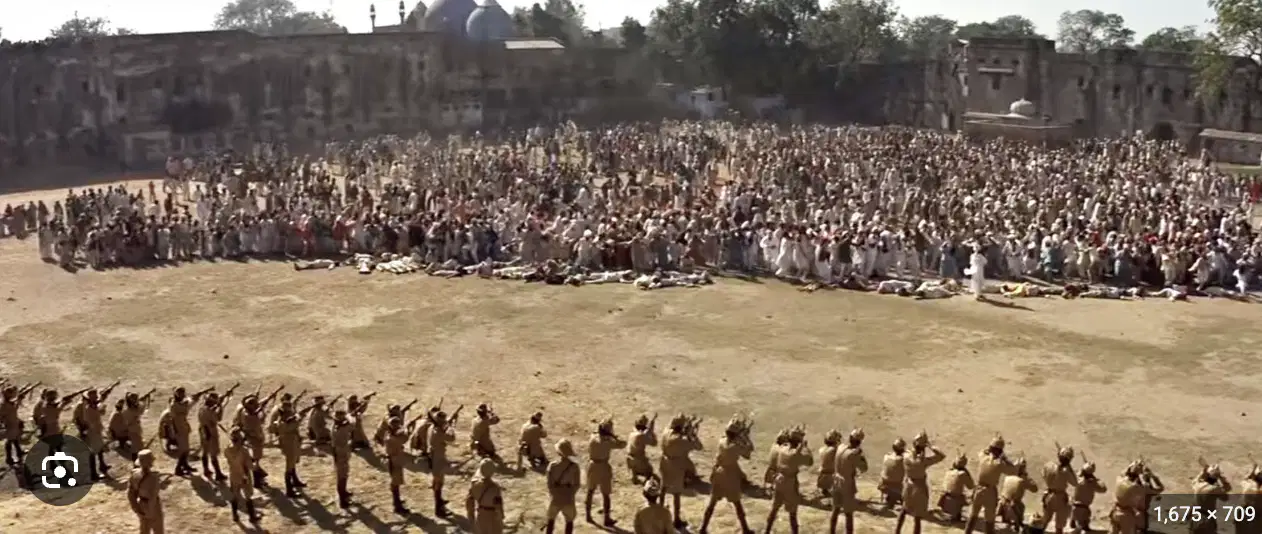
Which was an effect of the massacre at Amritsar?
Indians were afraid to ask for more rights.
It got little press coverage and had little effect.
Most Indians were angry and became more united against the British.
Most Indians felt the people at Amritsar were breaking the law, so they got what they deserved.
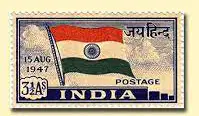

Which imperialist nation controlled India from 1858 to 1947?
Spain
France
Germany
England

Evaluate the role of Mahatma Gandhi's philosophy of non-violence in shaping the strategies of the Indian Independence Movement.
Gandhi's philosophy of non-violence was largely ignored by the movement's leaders.
Gandhi's philosophy of non-violence was central to the movement and influenced its strategies significantly.
Gandhi's philosophy of non-violence was only a minor aspect of the movement's strategies.
Gandhi's philosophy of non-violence was adopted only after independence was achieved.
A Muslim government controlled the country of -
India
Pakistan
Bangladesh
Sri Lanka
East Pakistan became the country of -
Bangladesh
India
Pakistan
Sri Lanka

Based on the passage, why have efforts to clean up the Ganges not succeeded?
India's booming population
Unreliable source of electricity
Monsoon season
Failure to consider local culture
The Ganges River holds significant spiritual importance in Hinduism, with thousands participating in ritual baths daily. What is the most likely consequence of this cultural practice?
This tradition has led to significant environmental concerns due to pollution
Local authorities have implemented strict regulations to limit river access
The influx of visitors has boosted local economies and infrastructure development
Efforts have been made to divert the river to prevent contamination during rituals
Which of the following words means "non-religious"?
Shah
Secular
Corrupt
Shi'ite
This massacre of 300-1000 Indians made the Indian Independence movement even stronger.
Amritsar
Bashar
Nasser
Pakistan
The primary reason for the invasion of Afghanistan was:
Suspicion that they were developing nuclear weapons of mass destruction
The persecution of Shia Muslims under the control of Saddam Hussein
They were harboring the terrorist group responsible for the 9/11 attacks
We wanted control of their poppy fields for our economic profit
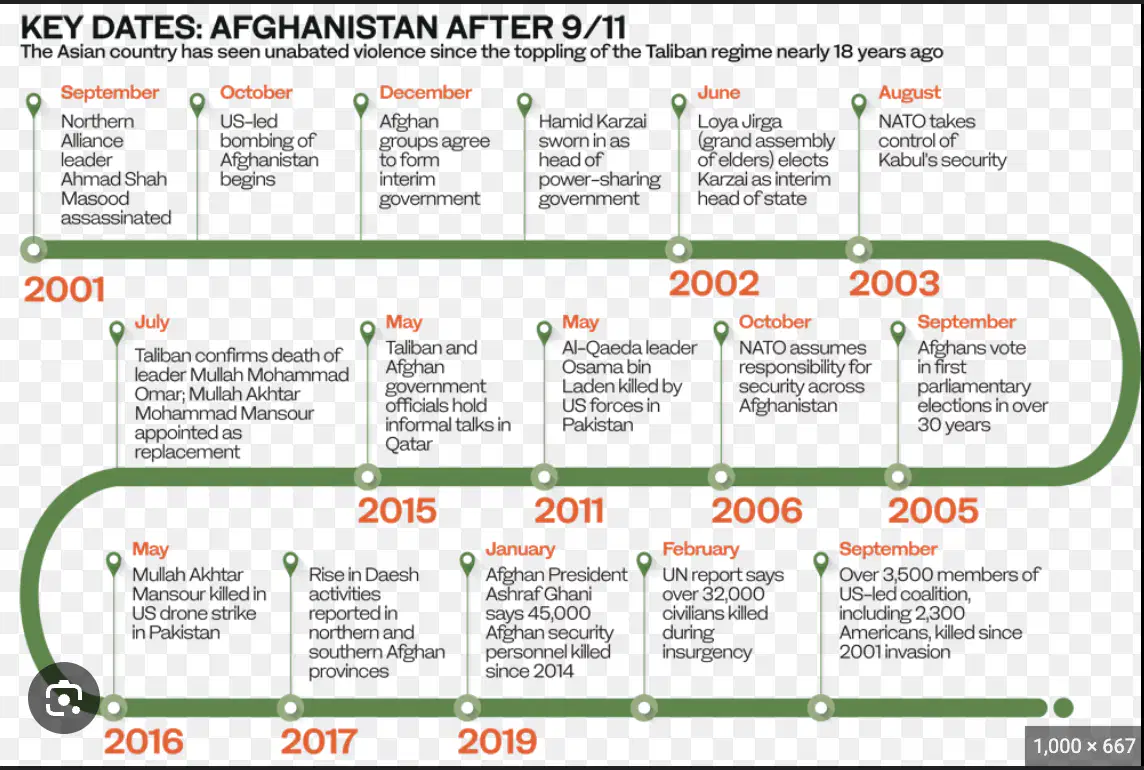
Which of the following accurately relates to the effects of the war in Afghanistan?
Total costs of the wars were over $4 trillion
The war in Afghanistan went on for almost twenty years
Over 10,000 US soldiers have been killed
Iraq is currently experiencing a period of stability and peace in its government and country

Which river is said to wash away sins if you are a Hindu?
"What goes around comes around" is a way to describe ____________. (Hinduism)
karma
dharma
shiva
caste
The belief that after a person dies, his or her soul is reborn into another body.
polytheism
monotheism
reincarnation
caste system
Who is the founder of Hinduism?
Which system is a class society and is considered a way to become closer to God?
Hinduism
Vishnu
Caste
Moksha
According to Buddhist tradition, what happened that made Prince Siddhartha Gautama walk away from the comforts of princely life?
Siddhartha's father wanted him to be a great religious leader, so he encouraged him to leave.
His father kicked him out and said he no longer wanted Siddhartha to be king someday.
Siddhartha left the palace and saw all the joy in the world. He wanted to be a part of it.
At age 29, he saw the pain and suffering of the world and was shocked. He left his comfortable life in search of a greater truth.
Which group of people was considered below the caste system and did the worst jobs in society?
Brahmins
Untouchables
Aryans
Varnas
In Hinduism, what is one's holy duty (daily duties) or moral responsibility called?
Reincarnation
Karma
Dharma
Moksha
In Hinduism, what is the end or release from the cycle of reincarnation called?
Moksha
Dharma
Karma
Reincarnation
Jainism
Islam
Shikhism
________ is a monotheistic religion.
Which of the following religions has the "5 pillars of faith"?
Hinduism
Buddhism
Islam
Judaism
Hindu practices originated here
Indus River Valley
The population is 0.5% Hindu here
United States
Hindus make pilgrimages here to bathe in the Ganges
Varanasi
Mount Everest
Nepal

Country C
China
Philippines
Indonesia
India

Physical feature "F" (covers Nepal and forms the border between China and India)
Mt. Everest
Himalaya Mountains
Gobi Desert
Ganges River

This is a social order that determines one's place in society.
pyramid
caste system
social order
vedas
What is the term for the belief in non-violence and peaceful resistance, as practiced by Gandhi?
Vedas
Dharma
Satyagraha
Karma
Which of the following best describes the main goal of the Salt March led by Gandhi?
To promote industrialization
To support British rule in India
To demand the partition of India
To protest British taxes on salt

