wayground logo

Free Printable Worksheets

Font size

S
M
L
XL
Worksheets

Mr Bradleys water water everywhere

Total questions: 51

Worksheet time: 54mins

Name
Class
Date
1.

What are the five kinds of water ?

4 lines
2.

The process of gas becoming a liquid is known as

a)

condensation

b)

evaporation

c)

precipitation

3.

Most of the frozen water on Earth is found in?

a)

groundwater

b)

glaciers

c)

geysers

d)

hail

4.

Most of Earth's water is found in

a)

lakes

b)

glaciers

c)

icebergs

d)

oceans

5.

Oceans, lakes and rivers are part of this sphere.

a)

hydrosphere

b)

geosphere

c)

atmosphere

d)

biosphere

6.

Water, forests, fossil fuels, minerals and plants are examples of

a)

elements

b)

natural resources

c)

pesticides

7.

What is another name for the water cycle?

a)

high quality H2O

b)

watershed

c)

hydrosphere

d)

hydrologic cycle

8.

Mexico City loses what amount of its drinking water due to leaky pipes?

a)

10%

b)

20%

c)

25%

d)

50%

9.

When water changes from a liquid to a gas, it is called?

a)

evaporation

b)

transpiration

c)

runoff

d)

condensation

10.
Roughly 2% of the earth's freshwater is?
a)
frozen
b)
water vapor
c)

groundwater

d)
polluted water
11.

When plants lose water through pores in their leaves?

a)

evaporation

b)

transpiration

c)

runoff

d)

percolation

12.
What two elements make up water?
a)
Helium and oxygen
b)
Hydrogen and oxygen
c)
helium and carbon
d)
oxygen and carbon
13.

All of the water on Earth makes up this?

a)

water table

b)

atmosphere

c)

hydrosphere

d)

none of these

14.
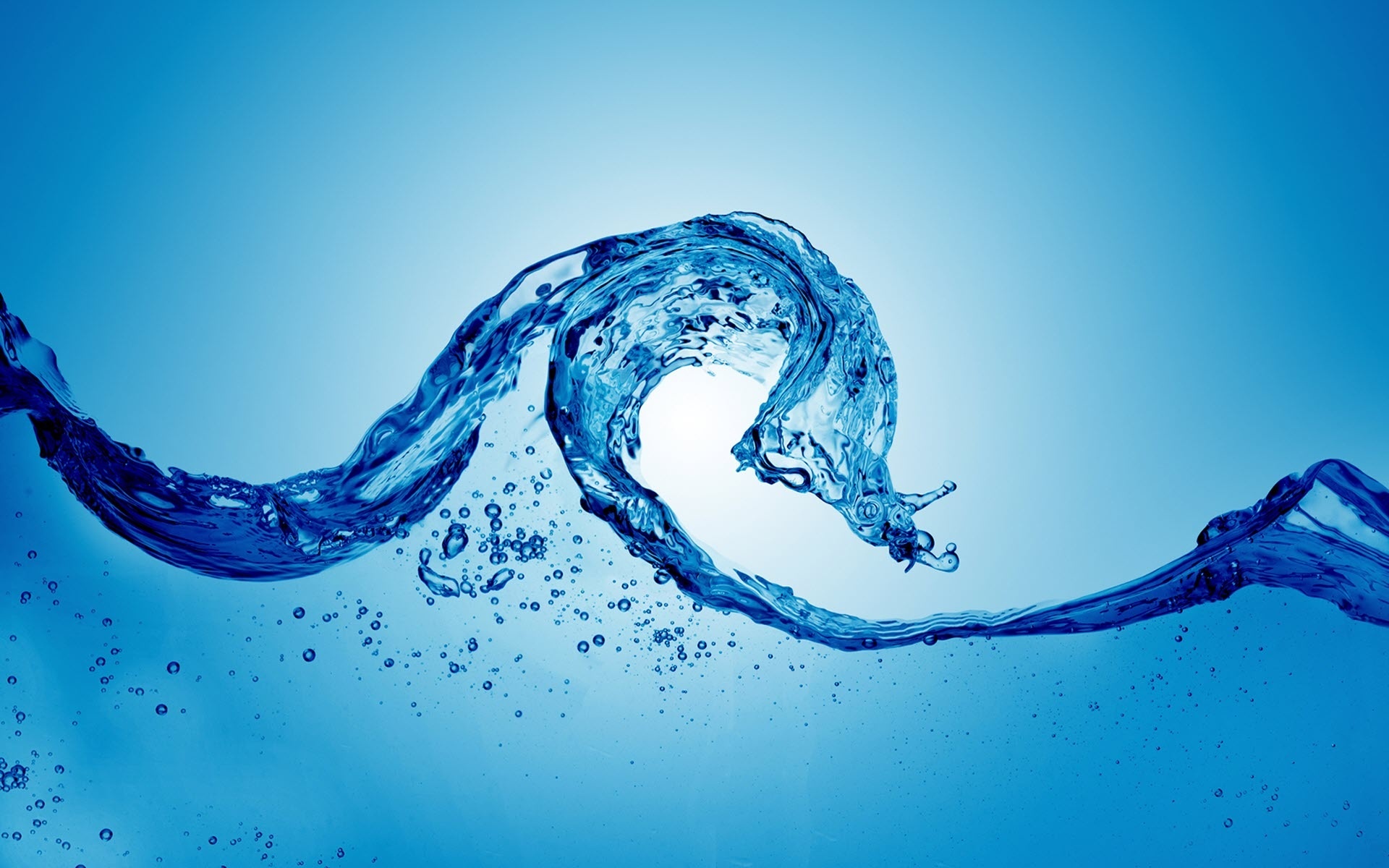
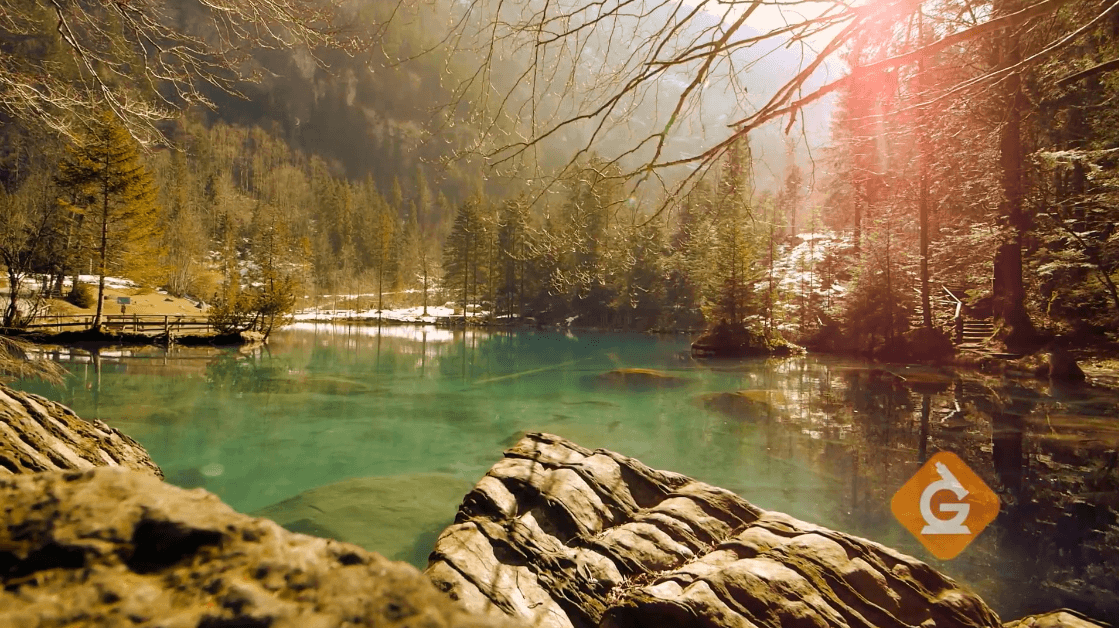
What is this body of water?
a)
Lake
b)
River
c)
Ocean
d)
Pond
15.

What is happening in Mexico City due to the fact that there is an over use of groundwater?

a)

catching fire

b)

people are moving away

c)

increased industry

d)

its sinking

16.

Agriculture uses what percentage of the water worldwide?

a)

15%

b)

40%

c)

70%

d)

90%

17.
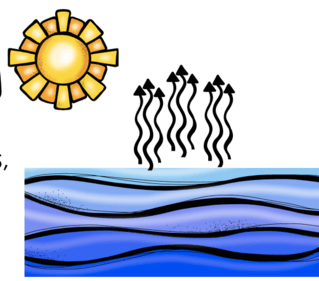
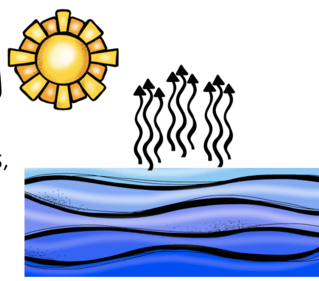
What part of the water cycle does this picture show?
a)
condensation
b)
precipitation
c)
evaporation
18.
This is a picture of which?
a)
River
b)
Lake
c)
Pond
d)
Stream
19.

An underground area of sediment and rock that is filled with groundwater is a?

a)

watershed

b)

reservoir

c)

geyser

d)

aquifer

20.
What is the water cycle?
a)
the 3 forms of water
b)
the movement of water on, above, or below the surface of the Earth
c)
when water melts
d)
when clouds form
21.

What percentage of the Earth's water is saltwater, and cannot be used by people?

a)

99%

b)

97%

c)

71%

d)

3%

22.
Is this FRESH water or SALT water?
a)
fresh
b)
salt
23.
Precipitation happens when clouds of water droplets are too ______________.
a)
cold
b)
light
c)
heavy
d)
hot
24.
Evaporation happens when the sun ___________ water and turns it into vapor.
a)
cools
b)
heats up
c)
freezes
d)
lights up
25.
What body of water do you see?
a)
pond
b)
lake
c)
ocean
d)
river
26.

Water plays a major role in shaping the surface of the Earth, how?

a)

respiration

b)

erosion

c)

evaporation

d)

transpiration

27.

T/F

less permeable material has more runoff

(a)  

28.

ability NOT to allow liquids to flow into

a)

porous

b)

infiltration

c)

impermeable

d)

capillary action

29.
Soil and rock act as giant sponges because they are full of tiny pores and cracks that hold underground water.  These small pores allow the water to infiltrate and collect underground.   Rain and snowmelt that infiltrates the ground is called
a)
backflow
b)
groundwater
c)
spongate
d)
infiltrate
30.

flowing water across the surface of the land

a)

run off

b)

water retention

c)

permeability

d)

porous

31.

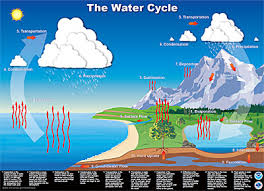
A student draws a model to represent the precesses involved in the water cycle, as shown. To which process is the formation of clouds related?

a)

Condensation

b)

Evaporation

c)

Freezing

d)

Melting

32.
What is water vapor doing when it changes to water?
a)
evaporating
b)
condensing
c)
precipitating
d)
runoff
33.
Letter D is?
a)
precipitation
b)
transpiration
c)
condensation
d)
run off
34.

What is the driving force of the water cycle?

a)

rain

b)

clouds

c)

sun

d)

moon

35.
Letter F is?
a)
precipitation
b)
accumulation
c)
condensation
d)
run off
36.
The sun will cause water in the puddle to change from
a)
a gas to a liquid
b)
a liquid to a gas
c)
solid to a liquid
d)
a liquid to a solid
37.
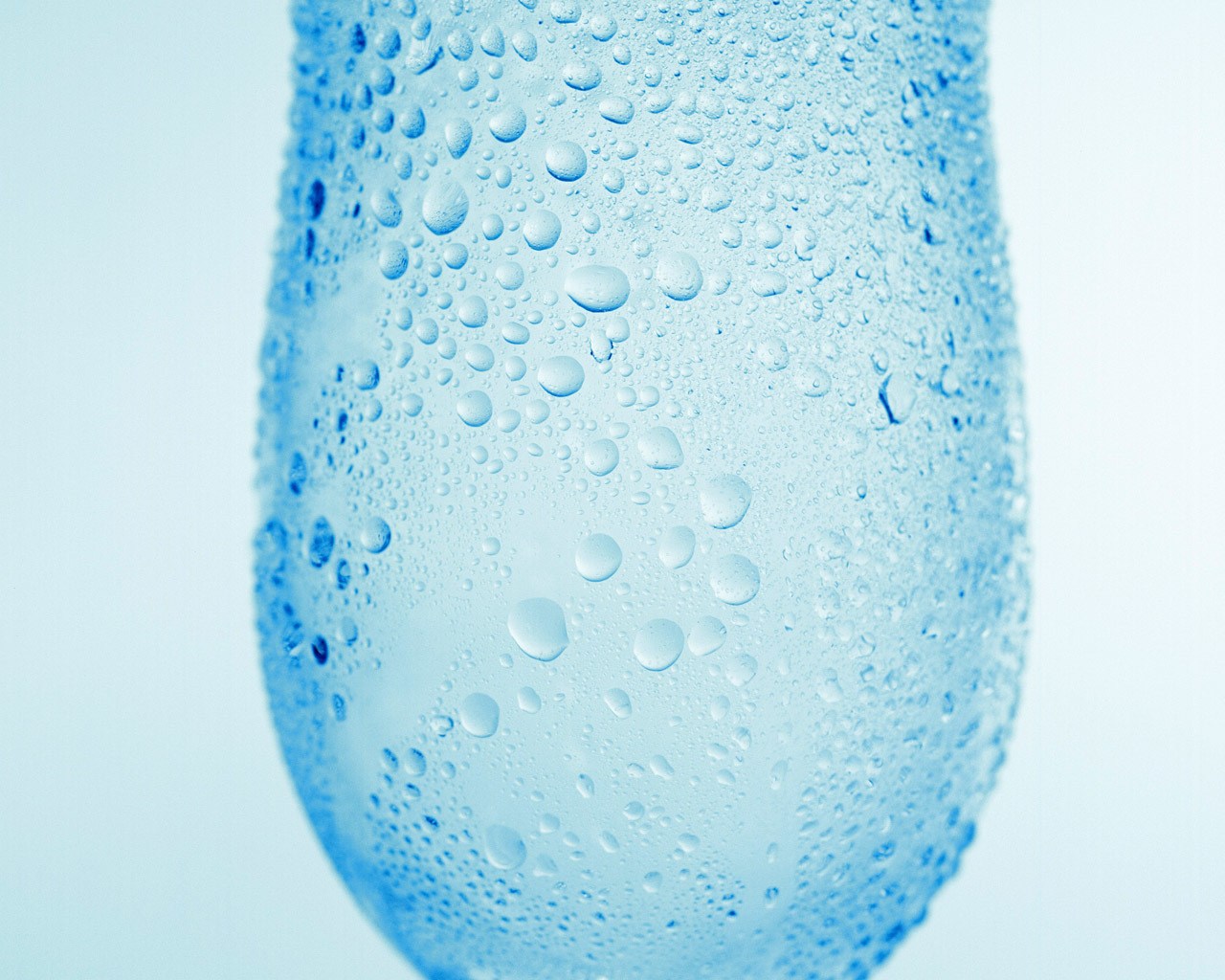
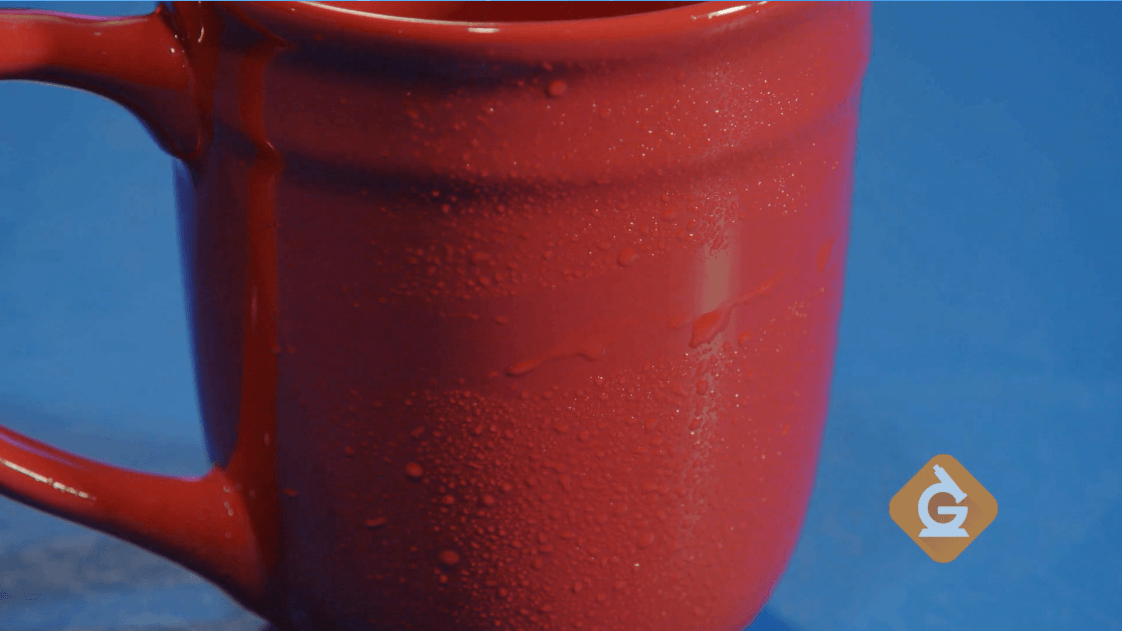
Where did the water droplets on this cold mug come from?
a)
dishwasher
b)
water inside mug
c)
water vapor in the air
d)
refrigerator
38.
What is the constant motion of water condensing and evaporating all around us called?
a)
aquatic cycle
b)
water migration
c)
distillation apparatus
d)
water cycle
39.
During which stage do clouds form?
a)
condensation
b)
evaporation
c)
precipitation
40.
What is B?
a)
Evaporation
b)
Condensation
c)
Precipitation
d)
Runoff
41.
What do you call water vapor that has condensed onto grass?
a)
rain
b)
fog
c)
sap
d)
dew
42.

B

a)

Evaporation

b)

Transpiration

c)

Sublimation

d)

Condensation

e)

Precipitation

43.
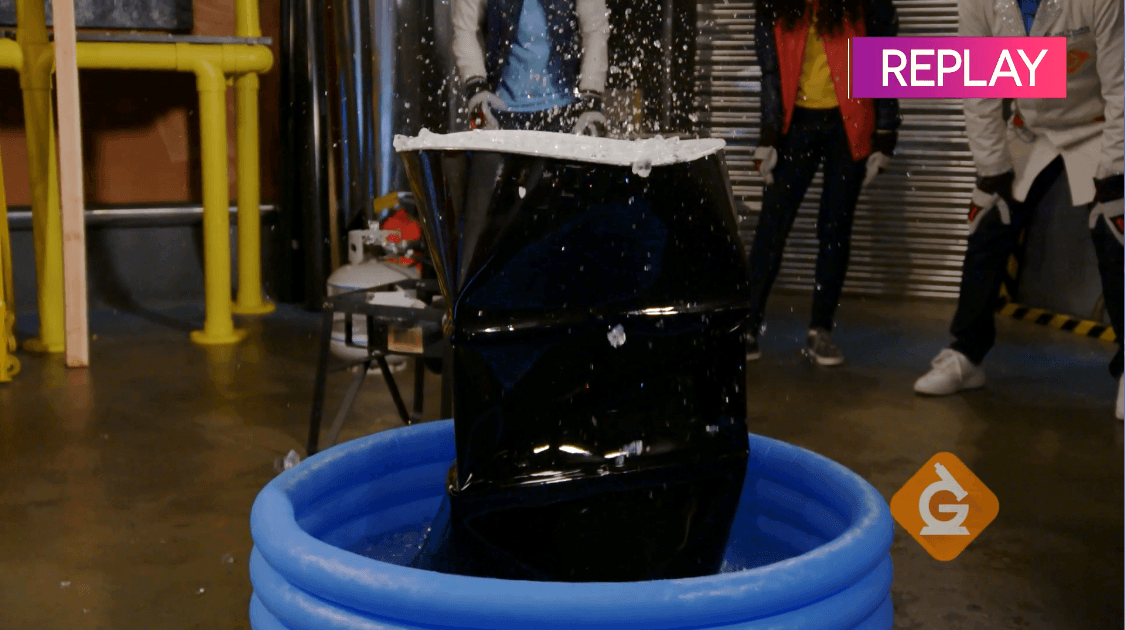
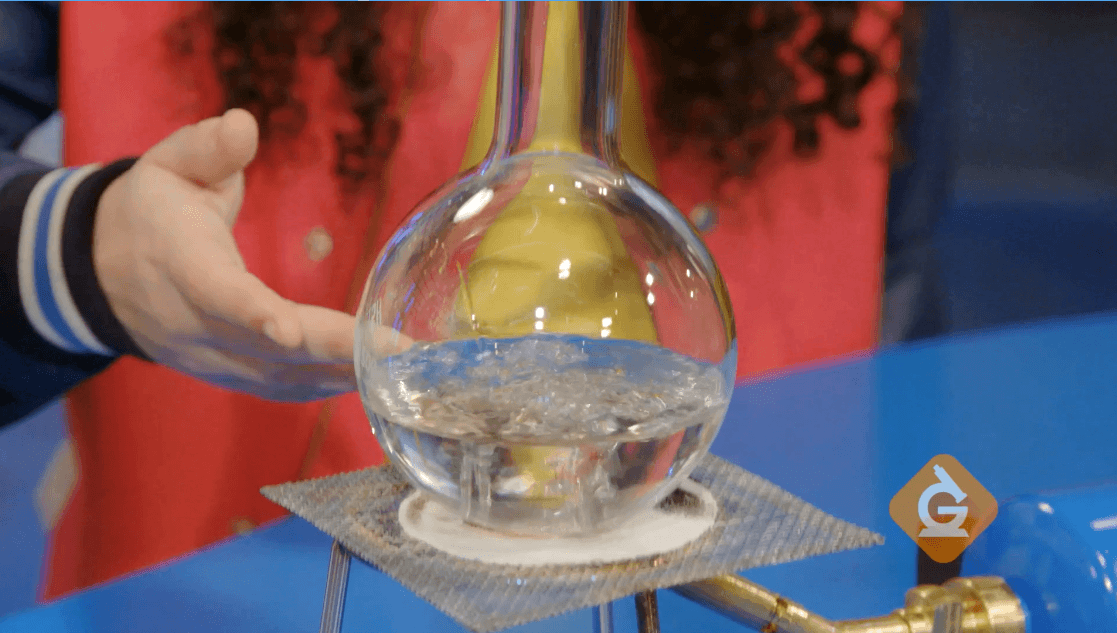
What crushed the barrel?
a)
water changing from gas to liquid
b)
water freezing
c)
water changing from liquid to gas
d)
water boiling
44.

A

a)

Evaporation

b)

Transpiration

c)

Sublimation

d)

Condensation

e)

Precipitation

45.
Which best explains why runoff is important?
a)
It returns water to other locations on Earth
b)
It increases the chance of flooding
c)
It makes evaporation occur faster
d)
It increases condensation
46.

E

a)

Evaporation

b)

Transpiration

c)

Sublimation

d)

Condensation

e)

Precipitation

47.
What is A?
a)
Evaporation
b)
Condensation
c)
Precipitation
d)
Runoff
48.
When water forms water vapor, what process is happening?
a)
evaporation
b)
condensation
c)
freezing
d)
melting
49.
What part of the water cycle does this picture show?
a)
condensation
b)
precipitation
c)
evaporation
50.
What part of the water cycle does this picture show?
a)
condensation
b)
precipitation
c)
evaporation
51.

What is the role of the sun in the water cycle?

a)

provide heat energy for evaporation

b)

provide heat energy for condensation

c)

dry out the soil for runoff to occur

d)

provide thermal energy for accumulation