
 Worksheets
Auto Final Review
Total questions: 68
Worksheet time: 34mins
Name
Class
Date
1.
1. What color indicates "Danger"?
a)
Yellow
b)
Orange
c)
Red
d)
Black
2.
2. Jacks are used for which of the following purposes?
a)
To hold a car up while working under it.
b)
To raise a car up.
c)
To keep a car in place
d)
To keep a car from rolling
e)
To move a car safely
3.
3. Which of the following are examples of a class "A" fire?
a)
Oil, Diesel, Gasoline
b)
Electrical motors and wiring
c)
Wood, paper, cardboard.
d)
Magnesium, Phosphate
4.
4. How should you clean your tools?
a)
Water
b)
Soap and water
c)
Dip them in oil
d)
Wiped clean
5.
5. What does R.P.M. stand for?
a)
Rounds Per Mile
b)
Revolutions Per Minute
c)
Rotations Per Mile
d)
Rolls Per Minute
6.
6. Of the following automobile fluids; which one has a "FULL HOT" and "FULL COLD" lines shown on the reservoir?
a)
Brake Fluid
b)
Windshield wiper fluid
c)
Power Steering Fluid
d)
Anti-freeze/Coolant
e)
Engine Oil
7.
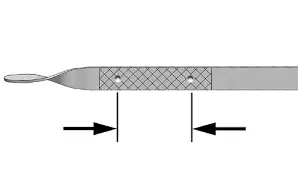
7. When checking engine oil, how do you know if you need to add 1 whole quart of oil?
a)
The oil line will be ABOVE the high/full line or mark
b)
The oil line will be At the high/full line or mark
c)
The oil line will be somewhere between the low/fill and the high/full lines or marks
d)
The oil line will be at or below the low/fill line or mark
8.
8. What does the speedometer tell you?
a)
The number of revolutions of the crankshaft per minute
b)
The speed you are currently traveling
c)
The speed of the crankshaft as it turns
d)
The number of revolutions of the crankshaft per minute
9.
9. What does the Tachometer tell you?
a)
The number of times the wheels are turning per minute
b)
The speed you are currently traveling
c)
A cars average gas mileage
d)
The number of revolutions of the crankshaft per minute
e)
The total miles the car has driven in its lifetime
10.
10. What does the Odometer tell you?
a)
The number of times the wheels are turning per minute
b)
The speed you are currently traveling
c)
A cars average gas mileage
d)
The number of revolutions of the crankshaft per minute
e)
The total miles the car has driven in its lifetime
11.
11. When buying a used car, it is very important to _______________ and ________________ before buying a potential vehicle
a)
Find and Buy
b)
Research and Test-drive
c)
Bring Cash and Deal
d)
Rev up the engine and Kick the tires
12.
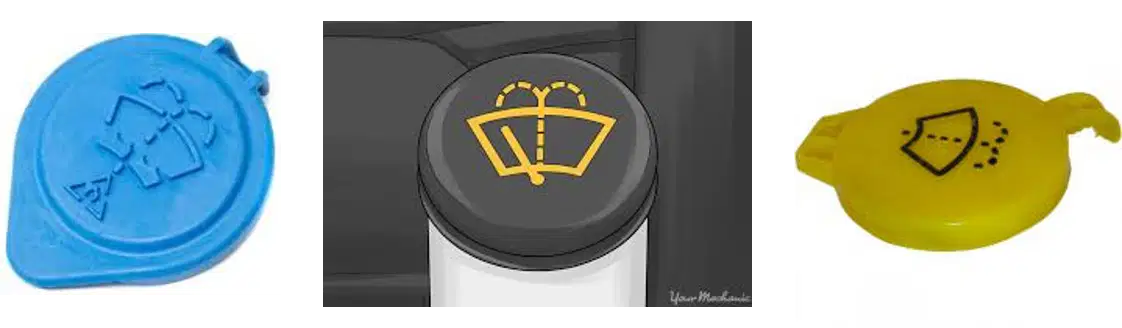
12. What type of fluid goes into this reservoir?
a)
Oil
b)
Coolant/Antifreeze
c)
Brake Fluid
d)
Windshield Washer Fluid
e)
Power Steering Fluid
13.
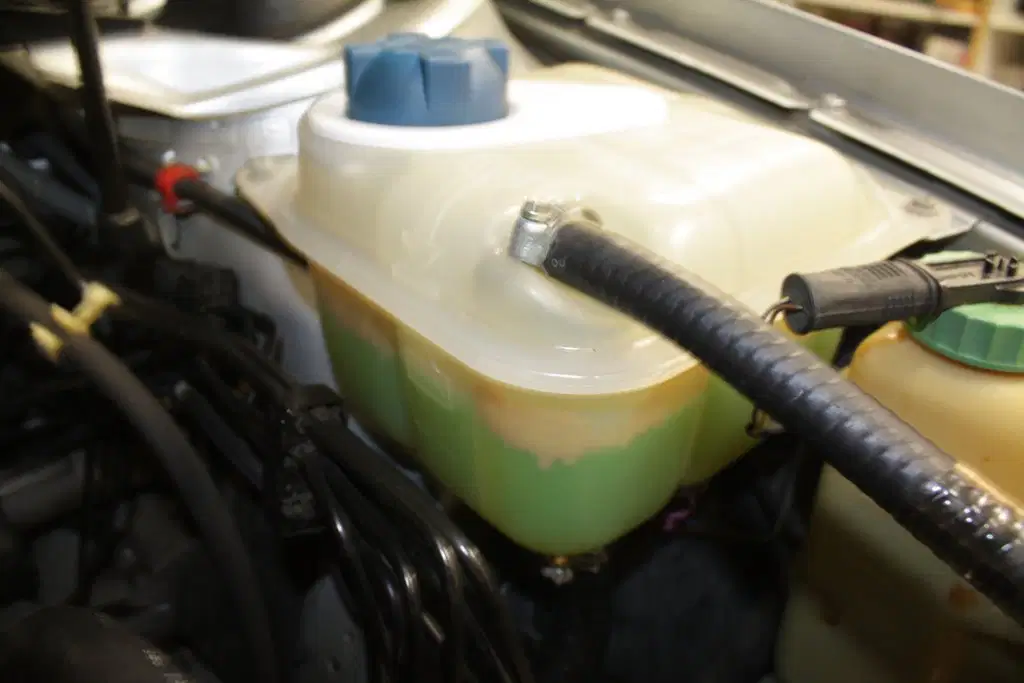
13. What type of fluid is shown?
a)
Oil
b)
Coolant/Antifreeze
c)
Brake Fluid
d)
Windshield Washer Fluid
e)
Power Steering Fluid
14.
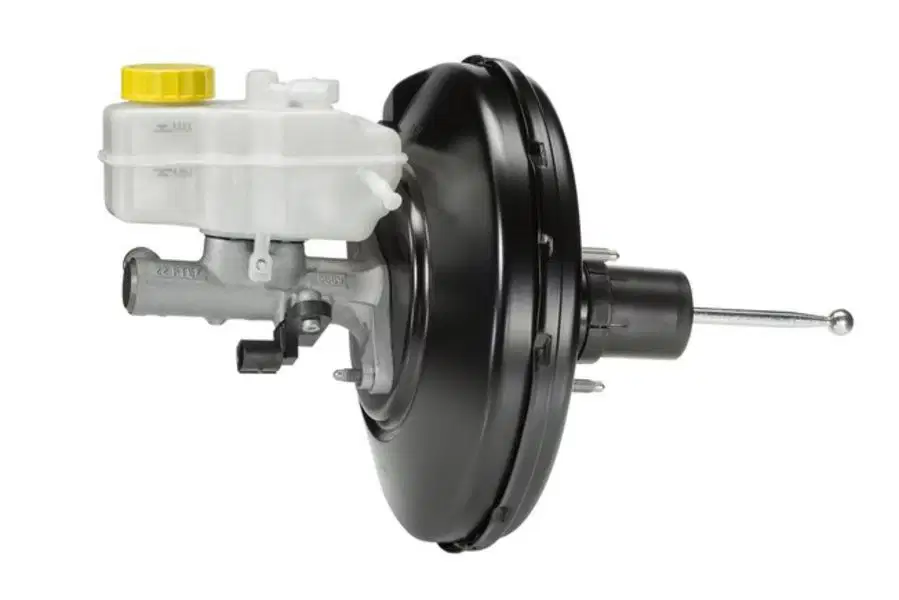
14. What type of fluid would go in this reservoir?
a)
Oil
b)
Coolant/Antifreeze
c)
Brake Fluid
d)
Windshield Washer Fluid
e)
Power Steering Fluid
15.
15. Most modern vehicles use what category of fasteners and tools?
a)
Standard American English (SAE) sizing
b)
Torque sizing
c)
Impact resistant tools
d)
Metric sizing
e)
Pneumatic
16.
16. A car's braking and power steering systems both use LIQUID FORCE to operate; therefore they are what type of system?
a)
Pneumatic
b)
Hydraulic
c)
Automatic
d)
Thermodynamic
e)
Electric
17.
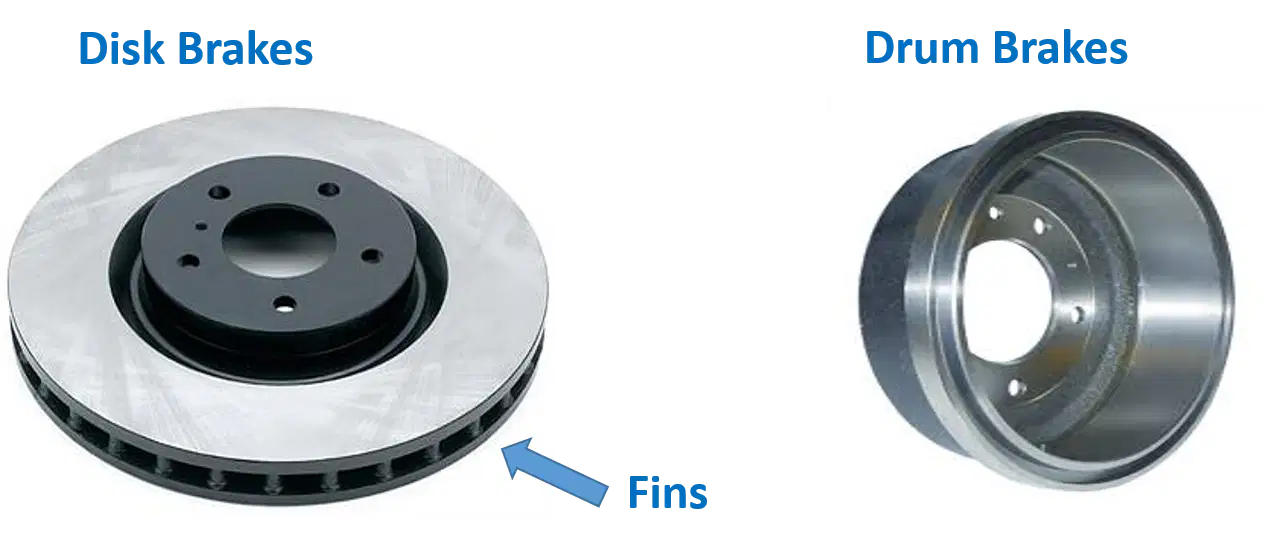
17. The internal fins on Disc Brakes provide better _________________ than an enclosed drum on drum brakes?
a)
Cooling
b)
Heating
c)
Wear
d)
Squeal Resistance
18.

18. On a Disc Brake System, two brake pads press against a round metal disc called a brake_____________?
a)
Pad
b)
Shoe
c)
Disc
d)
Rotor
e)
Drum
19.
19. Why would you need to bleed your brakes?
a)
Not enough brake fluid
b)
Fluid is less than one year old
c)
Air in the brake lines
d)
You just replaced the brake pads
20.
20. Viscosity is a measure of a fluids what?
a)
Resilience
b)
Resistance to flow
c)
Color
d)
Clarity
21.
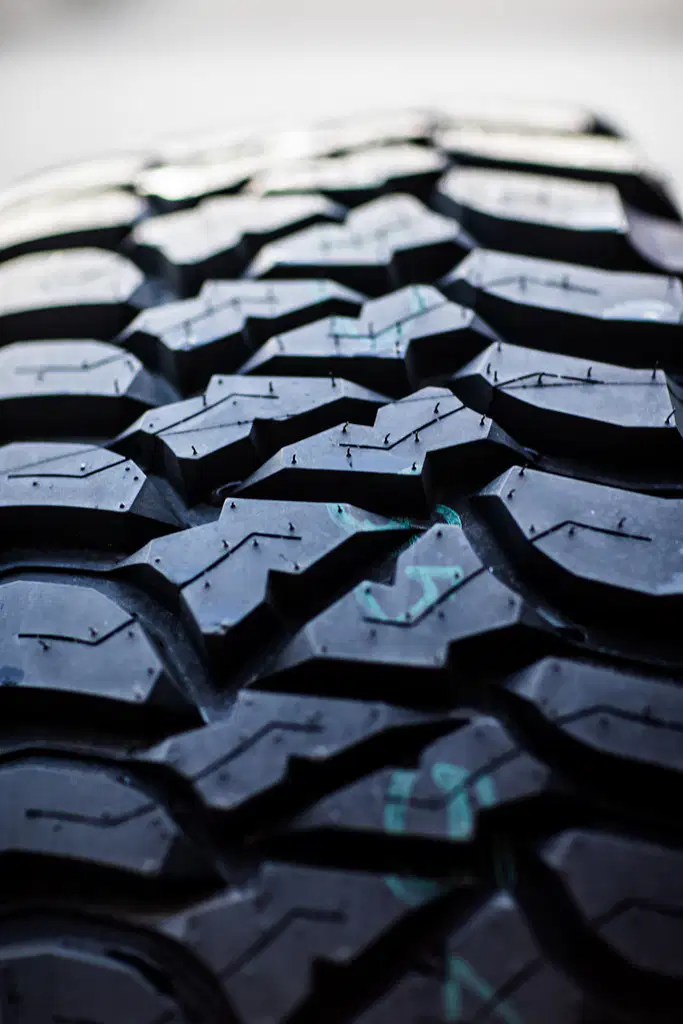
21. What is the knobby, bottom section of the tires called? It is the part that leaves a tire print on the ground.
a)
sidewall
b)
bead
c)
radials
d)
tread
22.
22. When tightening lug nuts, you should tighten in a ________________________ pattern.
a)
square pattern
b)
circular pattern
c)
cross or star pattern
d)
round pattern
23.
23. Slices on a tires lugs that increase ice traction are called what?
a)
Slices
b)
Slots
c)
Sipes
d)
Slashes
24.
24. If a tire has a size of P195/60/R15 82H, what is the diameter of the rim that tire would fit on?
a)
185 mm
b)
60 cm
c)
15 inches
d)
82 mm
25.
25. Which of the following areas should you never try to repair on a tire?
a)
the sidewall of a tire
b)
tread of a tire
c)
the valley or channel of a tread
d)
lug of a tire
26.
26. What does "PSI" stand for?
a)
Pressure per square inch
b)
Pressure per spaced inch
c)
Pounds per square inch
d)
Pounds per side inch
27.
27. On a tire sized P205-65-R16 the "205" refers to the tires what?
a)
Lugs per inch
b)
Aspect ratio of the sidewall
c)
Width of the tread in mm
d)
Speed rating of the tire
e)
Traction rating of the tire
28.
28. It is recommended that you rotate your tires every ____________________ miles
a)
2000
b)
4000
c)
7000
d)
12000
29.
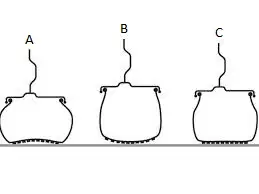
29. A is showing a tire that is what?
a)
properly inflated
b)
Under inflated
c)
Over inflated
30.

30. This tire shows excessive center wear, what was wrong with this tire?
a)
properly inflated
b)
Under inflated
c)
Over inflated
31.

31. What is the correct order of the four strokes of an Internal Combustion Four Stroke Engine?
a)
Combustion, Intake, Compression, Exhaust
b)
Intake, Combustion, Compression, Exhaust
c)
Exhaust, Intake, Combustion, Exhaust
d)
Intake, Compression, Combustion, Exhaust
32.

32. During the Combustion or "Power" stroke, what part of the engine ignites the fuel?
a)
Push Rod
b)
Piston
c)
Glow Plug
d)
Spark Plug
e)
Ignition Switch
33.

32. During the Combustion or "Power" stroke, what part of the engine is forced downward?
a)
Push Rod
b)
Piston
c)
Glow Plug
d)
Spark Plug
e)
Ignition Switch
34.

33. During the Combustion or "Power" stroke, what part turns as a result of the piston being forced down?
a)
Push Rod
b)
Connecting Rod
c)
Crankshaft
d)
Camshaft
35.
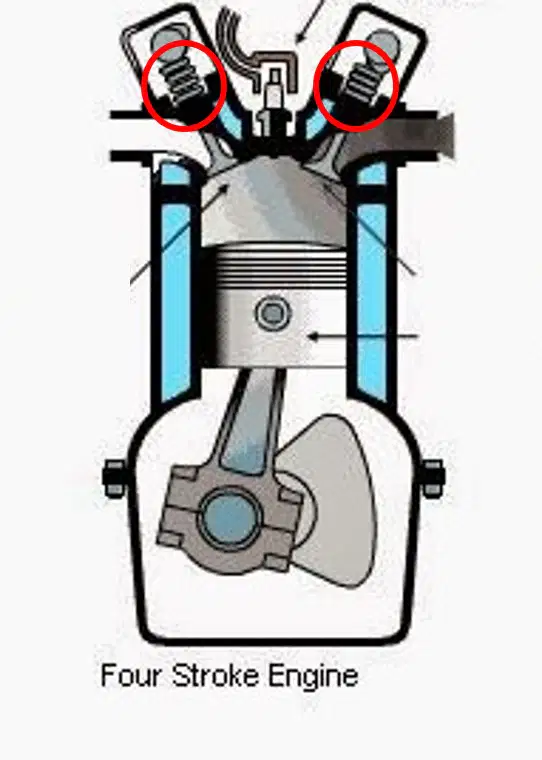
34. What do valve springs do in an engine?
a)
Opens the Valves
b)
Holds the Valves closed
c)
Helps the piston return to TDC (Top Dead Center)
d)
Holds the piston pin in place
36.
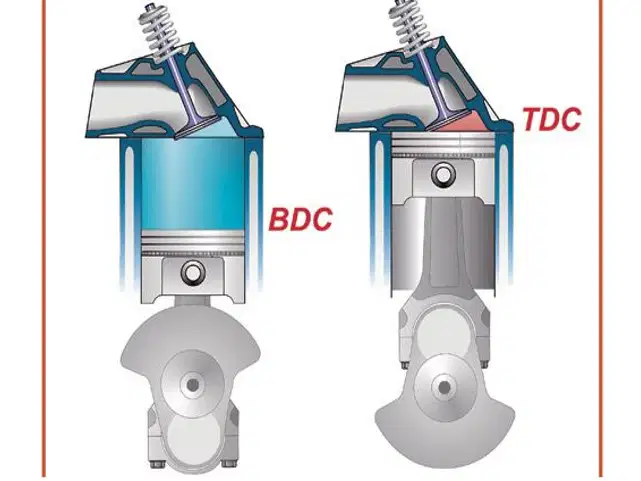
35. The distance from TDC (Top Dead Center) and BDC (Bottom Dead Center) of the piston is called the _____________.
a)
Length
b)
Bore
c)
Displacement
d)
Stroke
37.

36. What are the three configurations of an engine cylinders?
a)
Inline, "V" and Flat
b)
Inverted, W, and Pan
c)
Inline, V, and Radial
d)
Diesel, 4 stroke and 2 stroke
38.
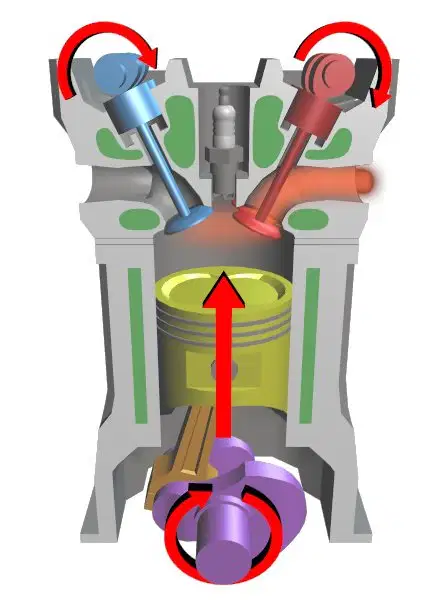
37. The ______________________ are located in the "head" of the engine. These allow air/fuel to enter the combustion chamber and let burnt gasses out.
a)
Valves
b)
Crankshafts
c)
Lifters
d)
Journal Bearings
39.
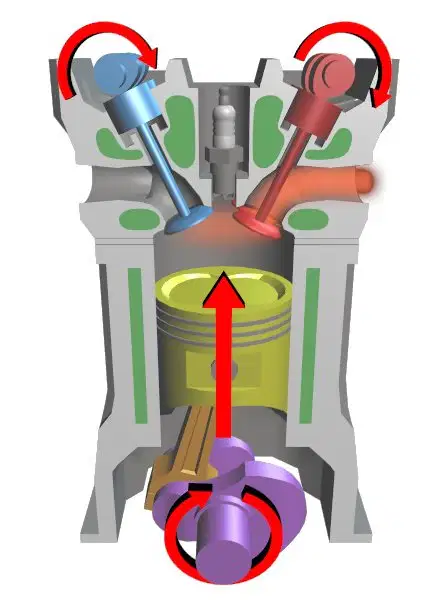
38. The ______________________ force the valves open at the appropriate time.
a)
Camshafts
b)
Crankshafts
c)
Lifters
d)
Rockers
40.

39. If a V-6 engine has a total displacement of 3.0 liters, how much displacement does each of the cylinders have?
a)
3.0
b)
0.5
c)
1.5
d)
0.3
41.
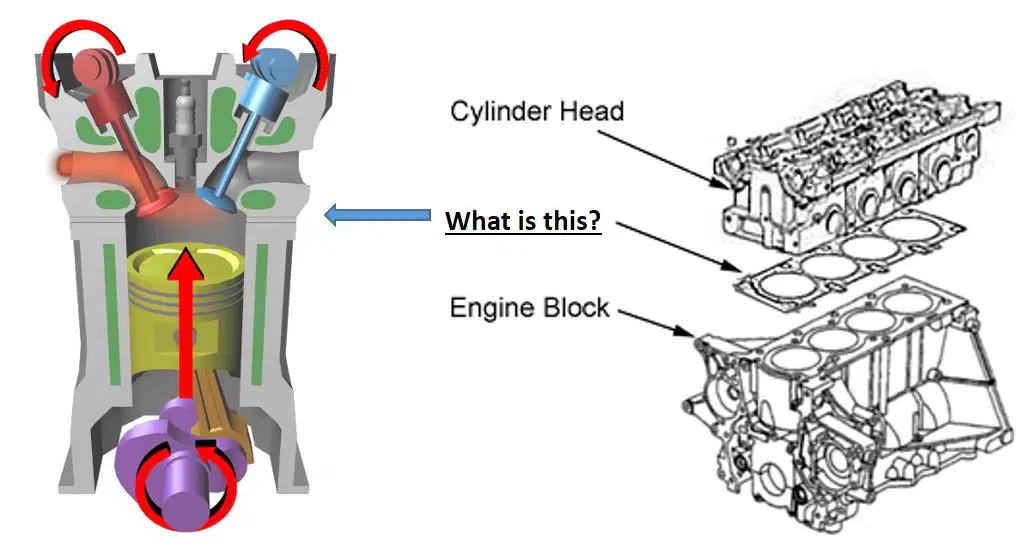
40. What is this critical component that seals between the Head and Block of an engine?
a)
Engine Gasket
b)
Cylinder Gasket
c)
Head Gasket
d)
Block Seal
42.

41. The _________________ belt or chain is shown and connects the crankshaft to the camshafts and synchronizes the timing of the valve opening. If it is a belt it must be changed every 120,000 miles as a chain this maintenance is not necessary: It is shown as a chain in the engine below
a)
Sequencing Belt or Chain
b)
V-Tec Belt or Chain
c)
Valve Belt or Chain
d)
Timing Belt or Chain
43.
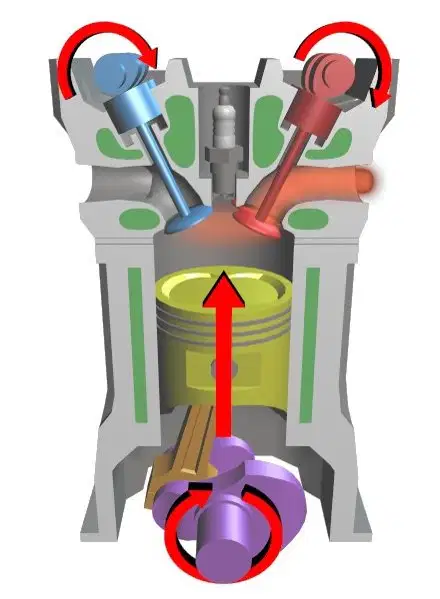
42. The area shown in GREEN that surrounds the engine cylinders, holds the anti-freeze/coolant that draws heat from the engine is called the what?
a)
Coolant Chambers
b)
Water Jacket
c)
Pump Housing
d)
Thermostat Housing
44.

43. What is the primary job of the cooling system in a car?
a)
To provide heat for the cabin and passengers
b)
To blow air into the engine to keep it running
c)
To aid in combustion
d)
To keep the engine from overheating by transferring heat from the engine to the air.
45.

44. What part of the cooling system cools the coolant/anti-freeze?
a)
Thermostat
b)
Water Pump
c)
Heater Core
d)
Radiator
46.

45. What part of the cooling system heats the interior cabin of the vehicle?
a)
Thermostat
b)
Water Pump
c)
Heater Core
d)
Radiator
47.

46. What part of the cooling system pushes the antifreeze/coolant through the entire system?
a)
Thermostat
b)
Water Pump
c)
Heater Core
d)
Radiator
e)
Radiator Fan
48.
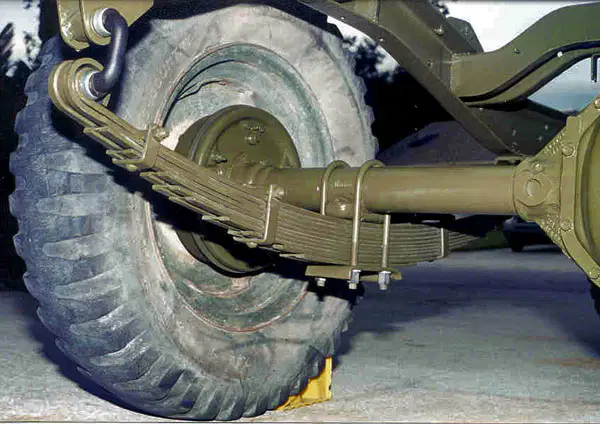
47. This is an example of what type of suspension component?
a)
Torsion Bar
b)
McPherson Strut
c)
Leaf Spring
d)
Coil Spring
e)
Oscillation Dampener
49.
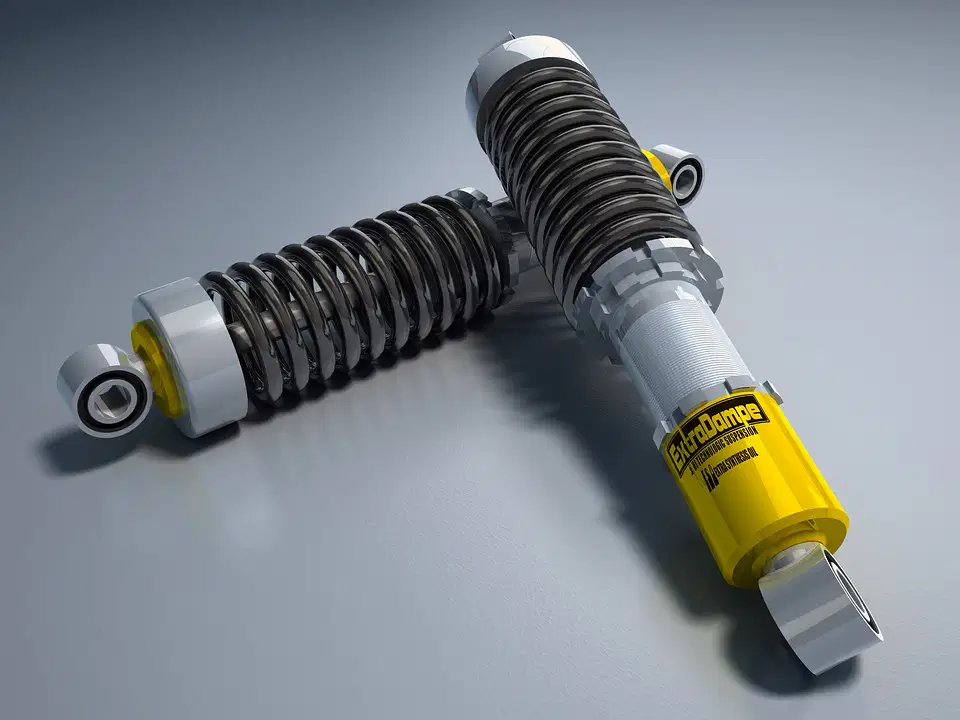
48. What is is the purpose of the dampener or shock absorber in a suspension system?
a)
Hold the car up
b)
Absorb excessive oscillation or movement
c)
Move the wheels
d)
Direct the vehicle
50.
49. Gas mileage, cost to replace tires, insurance rates, typical repairs and maintenance are all a examples of a cars ____________ of ___________.
a)
Cost of Driving
b)
Cost of Living
c)
Cost of ownership
d)
Price of driving
51.
50. The "book value" of a car is what?
a)
Cost of Driving a car
b)
Value of the car new
c)
Value of the car in the future
d)
A way of predicting the vehicle value
e)
Current market value of a vehicle.
52.
51. Why is it important to give your car a few seconds after you start it, before you actually put it in gear and drive it?
a)
Warm the cabin
b)
Allow oil to pump throughout the engine
c)
Warm the coolant
d)
Warm the blinker fluid
e)
Check your make-up
53.
52. What voltage do most cars use?
a)
6V
b)
12V
c)
2V
d)
120V
54.
53. How do you find the starter in a car?
a)
Call a mechanic
b)
Google it
c)
Follow the upper radiator hose
d)
Follow the red battery lead/wire
e)
Follow the black battery lead/wire
55.
54. What is a negative side effect of over-tightening a lug nut?
a)
Warped Rim
b)
Wheel will fall off
c)
Warped Rotor
d)
The car will pull to one side
56.
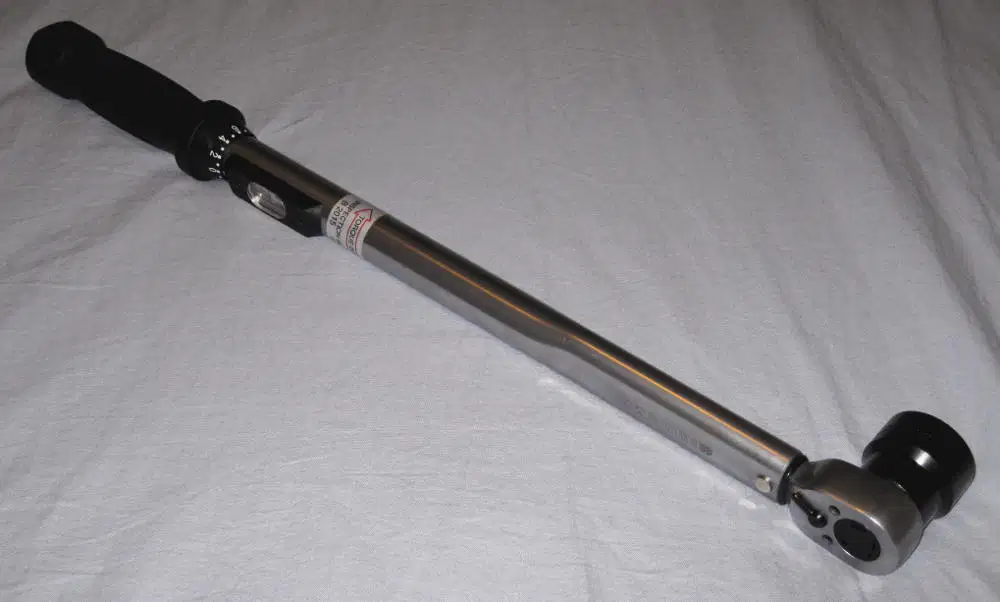
55. What tool can you use to properly tighten a lug nut. Here is a picture of that tool.
a)
Socket Wrench
b)
Torque wrench
c)
Lug wrench
d)
Breaker bar
57.
56. When using NON-Synthetic oil you should change your oil how often under NORMAL driving conditions (and a low mileage, healthy engine)?
a)
1000-2000 miles
b)
3000-5000 miles
c)
7000-9000 miles
d)
12000-15000 miles
58.
57. When using SYNTHETIC oil you should change your oil how often under NORMAL driving conditions (and a low mileage, healthy engine)?
a)
1000-2000 miles
b)
3000-5000 miles
c)
7000-9000 miles
d)
12000-15000 miles
59.
58. You should always do what before installing a new oil filter?
a)
Put oil on the O-ring
b)
Dip it in oil
c)
Wipe it off
d)
Start the engine
60.
59. Gears in a transmission effect both _________ and ___________ in a vehicle?
a)
Cost and resale value
b)
Gas mileage and Fuel capacity
c)
Acceleration and Top Speed
d)
Wheels and Bearings
61.
60. Front brakes provide approximately what percentage of a cars total braking power?
a)
50%
b)
60%
c)
75%
d)
95%
62.
61. A compression test is used to test what two major components in an engine?
a)
Piston and Rod
b)
Bearings and Seals
c)
Camshaft and Crankshaft
d)
Rings and Valves
63.
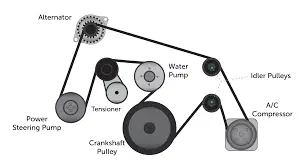
62. A ___________________ is the item that turns the alternator, power steering pump, a/c compressor and sometimes the water pump. If this fails; you will be stranded, so you should inspect yearly and before a big trip and replace if it looks worn.
a)
Turning strap
b)
Serpentine Belt
c)
Leather Belt
d)
Drive rope
64.
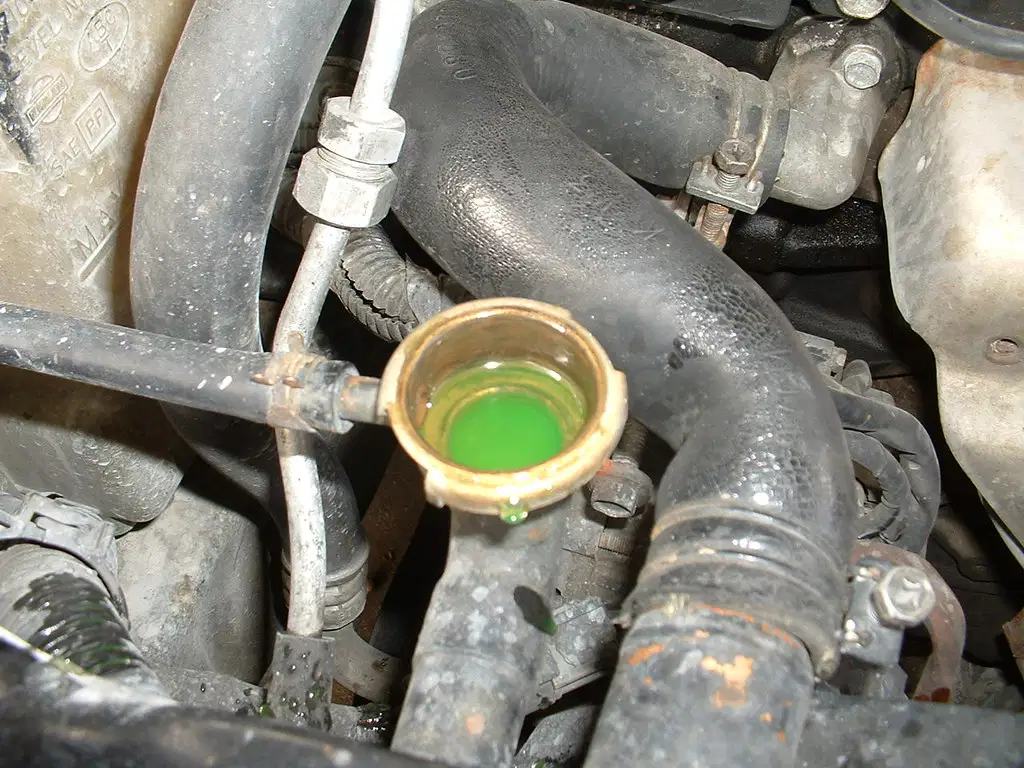
63. The _____________________ connect the engine to the radiator. If they fail; you will be stranded, so you should inspect yearly and before a big trip and replace if they look worn.
a)
Alternator tubes
b)
Radiator reservoirs
c)
Radiator hoses
d)
Heater cores
65.
64. The ABS does what in a car?
a)
Keeps the engine warm
b)
Helps maintain control when braking on slippery surfaces
c)
Helps to turn the car faster
d)
Monitors the tire pressure
66.
65. Either use the E-brake/Parking brake often when parking your car or only in an emergency because.....
a)
The computer control system will malfuntion
b)
The ABS will not work correctly
c)
The E-brake may lock up and not release correctly when disengaged
d)
The police will write you a ticket for not using your E-brake
67.
65. Either use the E-brake/Parking brake often when parking your car or only in an emergency because.....
a)
The computer control system will malfuntion
b)
The ABS will not work correctly
c)
The E-brake may lock up and not release correctly when disengaged
d)
The police will write you a ticket for not using your E-brake
68.
On a scale of 1-10 how much more do you know about automobiles NOW compared to before you took this class (this is a NON-Graded question) 1= not much more 10= a LOT more
(undefined = 1, undefined = 5)
(undefined = 1, undefined = 5)
a)
1
b)
2
c)
3
d)
4
e)
5
100 %

