
 Worksheets
Grade 2 Crickets - Structure & Function Quiz
Total questions: 59
Worksheet time: 3hrs 31mins
What is the function of compound eyes?
to attack prey
to see/ have a large field of view
to eat food
I have eyes to help me see predators.
I have gills to breathe in air.
I have fins to move and balance in water.
I have scales to make my body flexible.


Organisms are any (a) thing.
The cricket's abdomen holds its (a) .

How does a grasshopper's green color help it to survive on the prairie? The green color helps the grasshopper -
Locate its sources of food
Avoid being seen in its habitat
Gain energy when in sunlight
Make its own food
The (a) helps with movement and to hold up the body
I have lungs to help me breathe in air.
I have fur to keep warm.
I have teeth to eat food.
I have claws to help me dig for food and protect myself.


Thorax's function is to
fly away
hold up body/movement
see
eat food
What is the natural home of an organism called?
Common
Reproduce
Communicate
Habitat

Which structure does an elephant use for taking a bath, smelling, breathing, drinking and eating?
eyes
tusks
trunk
legs
stomach
What is the purpose or job for which something is designed?
Organism
Habitat
Structure
Function
What does it mean when a living thing makes offspring or young?
Reproduce
Life cycle
Survive
Environment
What is the purpose of sharing information?
Communicate
Structure
Common
Habitat
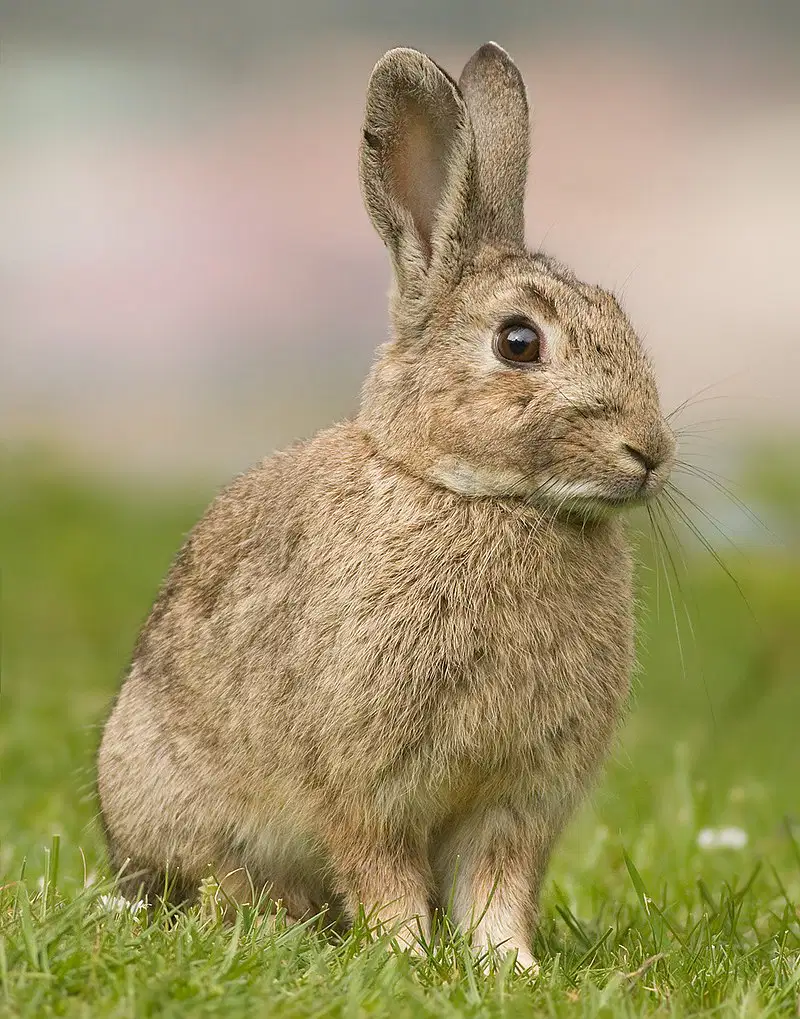
What do rabbits use their ears for?
listening
waving hello
cooling off
covering their eyes
What is the specific part of an organism or object called?
Function
Organism
Reproduce
Structure
William, Sophia, and Maya are observing a butterfly. They notice that the butterfly goes through several changes during its life, including reproduction. What is this process called?
Reproduce
Life cycle
Environment
Survive

The very large hooked beak on an Eagle is used to rip the meat from its prey. This is an example of a--
Structure
Function
It is a crunchy, hard, exterior structure that protects the cricket.
jumping legs
antennae
exoskeleton
thorax

A snowshoe hare has many structural adaptations that help it survive in its environment.
Which adaptation of the snowshoe hare provides warmth and camouflage in its cold and snowy environment?
Long, flexible ears
Large, brown eyes
Thick, white fur
Wide, strong feet
What is the purpose of continuing to live or exist in spite of danger?
Function
Organism
Survive
Life cycle
What is the natural home of an organism called?
Habitat
Common
Communicate
Reproduce

What is the purpose or job for which something is designed?
Structure
Function
Organism
Habitat
What is the surroundings or conditions in which an organism lives called?
Life cycle
Environment
Organism
Function
Arjun, Aria, and Michael are studying biology. They are trying to identify the specific part of a plant they found during their field trip. What is this specific part of an organism called?
Reproduce
Structure
Organism
Function
What is the purpose of sharing information?
Common
Habitat
Communicate
Structure
What is the changes an organism goes through during its life, including reproduction called?
Environment
Life cycle
Reproduce
Survive

The tail on a spider monkey is an example of a -
Function
Structure
What is the purpose of continuing to live or exist in spite of danger?
Function
Organism
Survive
Life cycle

The teeth on a crocodile is an example of a ---
Structure
Function
The roots of a plant absorbs water and minerals from the soil. This is an example of a ---
Function
Structure
When an animal blends in with its surroundings, it's using ______
Mimicry
Camouflage
Compression
Carnivore
The flat teeth of an antelope are teeth used for eating ___________________.
Grass
Wood
Bugs
Large animals
A turtle's shell helps him
For swimming
For eating
For protection
All living things are called _________.
Organisms
Populations
Habitats
Ecosystems
How does the giraffes long neck help it survive in the African grasslands? This structure functions to help the giraffe
Run very quickly
Reach tree branches
Drink from ponds
Hide from predators
How many legs to insects have?
4
6
8
I have wet, moist skin to breathe and hold moisture.
I have a sticky tongue to catch food.
I have sticky feet to climb.


I have an exoskeleton for protection and support.
I have a proboscis to drink nectar.
I have wings for flight.
I have antenna for smell.


Crickets make ________ with their wings?
Sprinkles
Noise
Food
Honey
Insects have ___________ legs?
8
2
12
6

Which word mean to CHANGE?
Metamorphosis
Pollen
Transparent
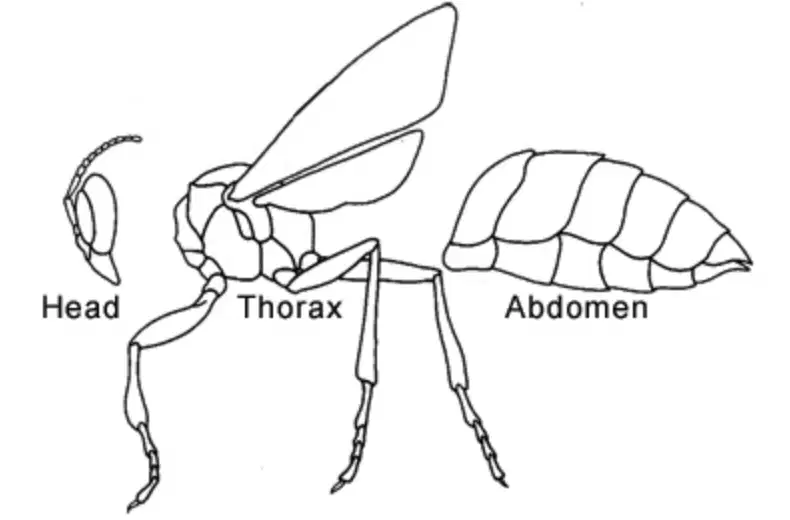
Insects have _________ major body parts.
2
3
4
A scientist that studies insects is an...
Entomologist
Stag Beetle
Foe
Exoskeleton means insects skeletons are on the...
outside
inside
What is the surroundings or conditions in which an organism lives called?
Function
Organism
Environment
Life cycle
What are tusks?
Bone
Finger nail
Teeth
hair
Click all three elephant characteristics
Trunk
long toenails
Large Legs
Big Ears
long tail
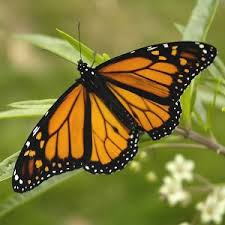
What do you call the life changes an animal goes through?
a life cycle
an insect
a larva
hatching
An animal needs __________ to survive.



