Worksheets
Anatomy blood questions
Total questions: 94
Worksheet time: 2hrs 54mins

1. vascular spasm
2. ___________
3. coagulation
What is the process of blood cells being produced called?
homeostasis
hematopoiesis
hemostasis
homogeneous

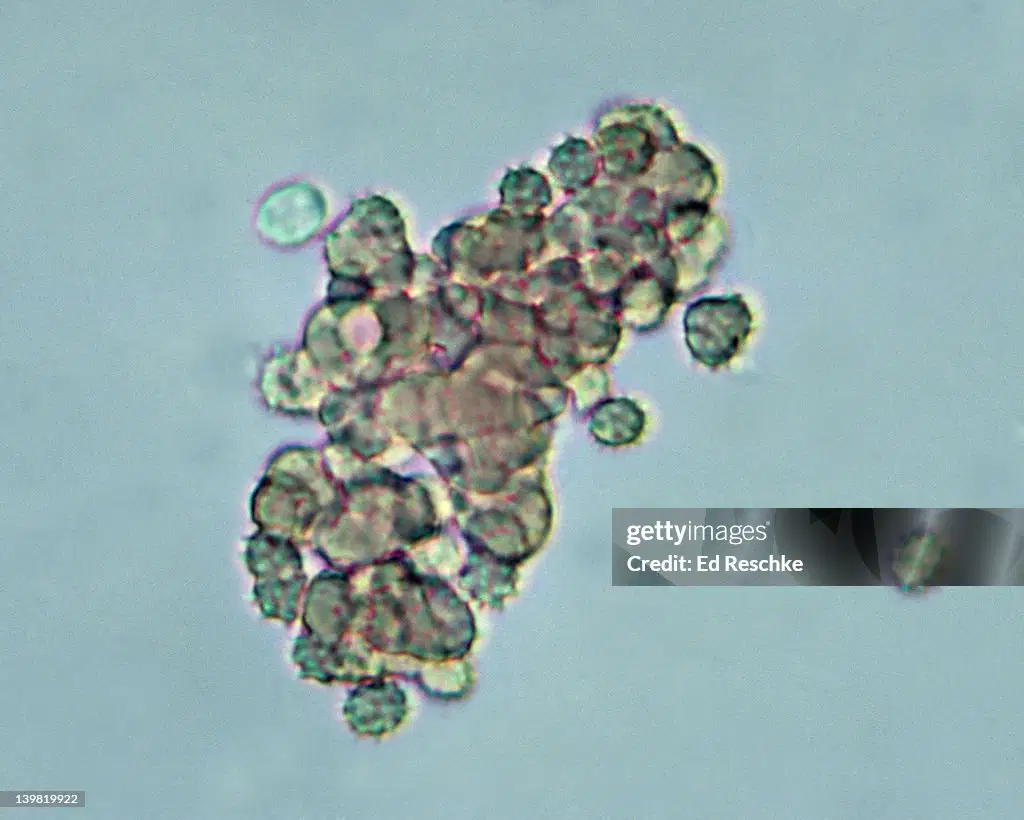
What big blood cells is in the center of picture?
WBC
Platelets
RBC
None
Which of the following cells are able to leave the bloodstream?
erythrocytes
leukocytes
electrocytes
thrombocytes
White blood cells are also known as
thrombocytes
erthryocytes
monocytes
leukocytes
Platelets are also known as
leukocytes
erthryocytes
thrombocytes
monocytes
Which blood cells that help you stop bleeding if you get a cut?
Red
White
Plasma
Platelets
What are the 4 major blood types?
Blood type A
Blood type B
Blood type C
Blood type AB
Blood type O
Name the proteins on the surface of red blood cells.
Antibodies
Antigens
Plasma
Collagen
What type of antigens can be found on the surface of RBC's when someone has blood type O?
A
B
AB
none
Where are antibodies located?
surface of red blood cells
surface of white blood cells
plasma
surface of platelets
Someone with blood type B has B antigens on their RBC's and B antibodies in their plasma.
true
false
What antibodies can be found in the plasma when someone has blood type A?
none
A
B
A and B
Why is AB blood type unique?
can only have RH antigens
doesn't have any A nor B antigens on the RBC's
doesn't produce A nor B antigens
doesn't produce A nor B antibodies
Which type of WBC is the "first responder", most mobile & active?
Neutrophils
Eosinophils
Basophils
Lymphocytes

What blood type is this?
A+
B+
AB+
AB-
If your blood type is Rh + (such as A+) then you have _____ on your red blood cells.
antibodies
Rh antigens
no Rh antigens
multiple alleles

Blood type is determined by the antigens present on the surface of RBCs.
True
False
What ANTIBODIES would this person produce in his/her plasma?
A
B
A and B
no antibodies


Which of the following cells are white blood cells? Select all that apply.
In your notes, highlight the correct cells in YELLOW.
neutrophil
platelets
erythrocytes
lymphocytes
monocytes
Reorder the following for the process of how your body stops bleeding.
vasoconstriction
platelets stick to collagen & form a plug
fibrin traps red blood cells & platelets to form a clot
Match the following blood types to their antibodies.
O
A & B
A
B
B
A
AB
none
formation of red blood cells
hemopoeisis
erythropoiesis
leukopoiesis
Hemoglobin
formation of white blood cells
hemopoeisis
erythropoiesis
leukopoiesis
Hemoglobin
In a blood sample the buffy coat would consist of:
Plasma
White Blood Cells
Platelets
Red Blood Cells
A thrombus that has broken away and blocked a blood vessel.
Embolism
Phagocytosis
Fibrin
Hemocrit
This is a yellowish liquid containing electrolytes, nutrients, and vitamins.
Platelets
Plasma
Red Blood Cells
White Blood Cells
If you centrifuge (spin) whole blood, you will find the red blood cells (erythrocytes) at the bottom of the tube and white blood cells atop them. This implies that ________.
red blood cells are larger than white blood cells
white blood cells are smaller than red blood cells
red blood cells have a greater density than white blood cells
white blood cells are fewer in number than red blood cells
If you centrifuge (spin) whole blood you will find the band of white blood cells and platelets (the buffy coat) is much thinner than the packed red blood cells below it. This difference reflects the fact that ________.
white blood cells are fewer in number than red blood cells
white blood cells are smaller than red blood cells
platelets are larger than white blood cells
platelets are larger than red blood cells
Hemoglobin is important because it contains this element which binds to oxygen for transport around the body.
Cu - Copper
S - Sulphur
Fe - Iron
N - Nitrogen
Zn - Zinc
Granulocytes can be identified by the presence of:
Hemoglobin
Multiple nuclei and granules
Solutes
Platlets
Erythrocytes, leukocytes and platelets account for how much of the blood's composition?
45%
55%
>1%
99%
Hematocrit is...
blood fraction
houses white blood cells
the liquid part of the blood
small, flexible cells, shaped like biconcave discs
Which is not a characteristic of blood?
sticky
oxygen poor=dull red
heavier than water
5x thicker than water
all of the given are correct
Which of these lacks a nucleus?
red blood cell
white blood cell
What are the two classes of Leukocytes?
agranulocytes
granulocytes
platelets
erythrocytes
plasma
Select all applicable answers: What are the subtypes of agranulocytes?
lymphocytes
monocytes
neutrophils
basophils
eosinophils
Select all applicable answers: What are the subtypes of granulocytes?
basophils
neutrophils
eosinophils
lymphocytes
monocytes
What percent of your blood is plasma?
55%
45%
1%
44%
What is the pH range of healthy blood?
7-8
7.35-7.45
7.45-7.55
7-7.45
Blood plasma is _ % water and _% dissolved gases, salts, minerals, nutrients, enzymes, hormones, waste and proteins
80, 20
85, 15
90, 10
75, 25

(a)
Match the following Leukocytes

Active Phagocytes. Number increases rapidly during short term or acute infections.

Kill parasitic worms and play a complex role in allergy attacks.

Release Histamine at the sight of Inflammation; also an anticoagulant

Part of the Immune System. Produce antibodies (B). (T) involved graph rejection, fight tumors etc

Active Phagocytes. Long-term cleanup team. Increase during chronic infections/long term.
Granulocytes


Agranulocytes
What is the main component of plasma?
Water
Albumin
Globulin
Fibrinogen
What part of plasma helps form clots?
Water
Albumin
Globulin
Fibrinogen
What part of the plasma plays a role in the immune system?
Water
Albumin
Globulin
Fibrinogen
What plasma protein plays a role in maintaining osmotic pressure?
Albumin
Globulin
Water
Fibrinogen
What part of a hemoglobin molecule does oxygen bind to?
Heme
Globin
(a)
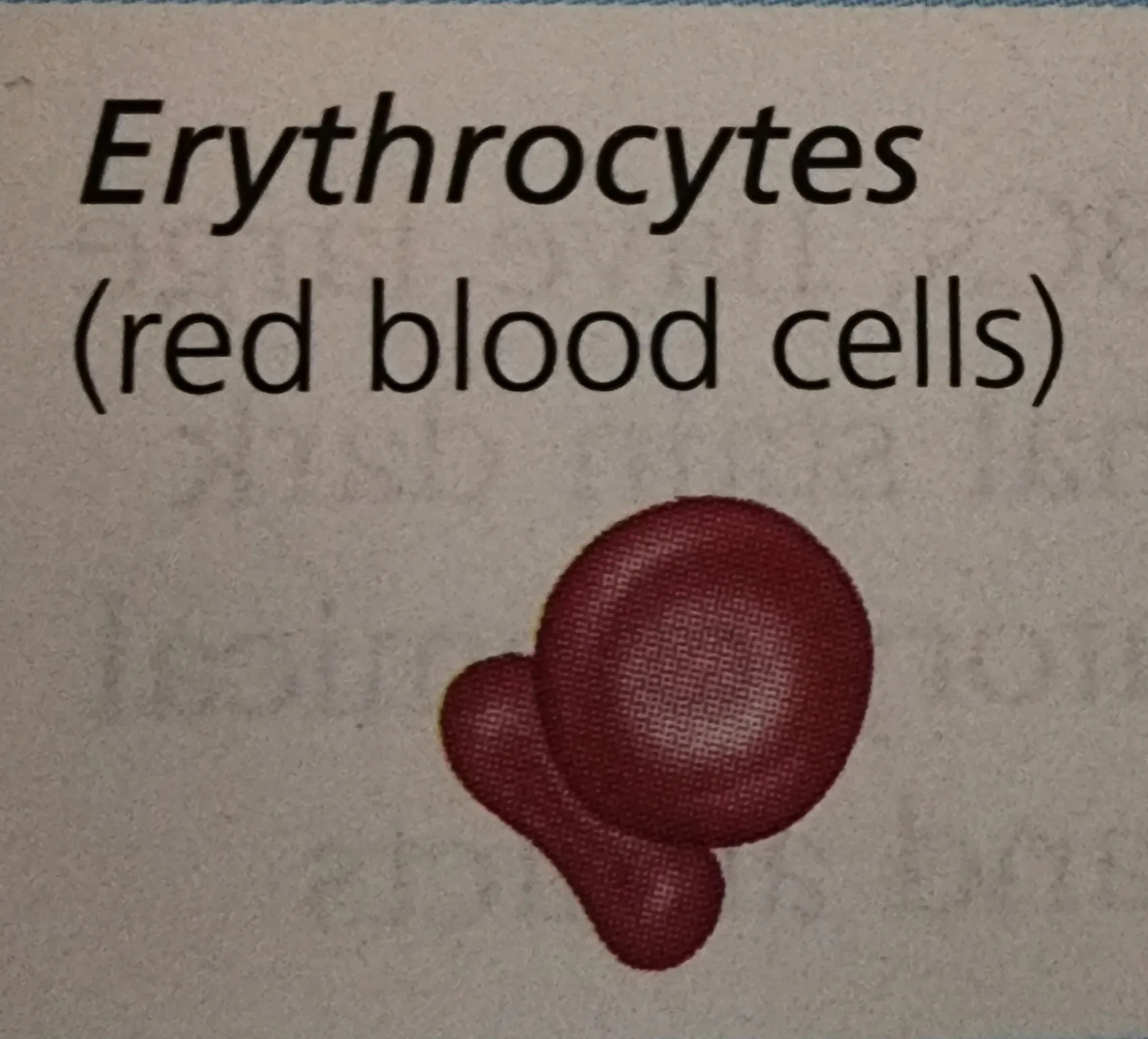
what do red blood cells look like?
like a donut with an indented middle
a flat circle
a ball like shape
an egg shape
Hematopoiesis is ___________ formation, while erythropoiesis is ____________ formation.
red blood cell, white blood cell
white blood cell, red blood cell
blood cell, red blood cell
red blood cell, blood cell
Which WBC is most numerous?
basophil
eosinophil
neutrophil
monocytes
What is the average life span of an erythrocyte?
10 days
12 days
120 days
8000 days
Which of the following is the largest WBC?
lymphocyte
basophil
neutrophil
monocyte
Which type of WBC is the "first responder", most mobile & active?
Neutrophils
Eosinophils
Basophils
Lymphocytes
Which WBC kills parasites?
neutrophils
eosinophils
monocytes
basophils
Which of the following is not a whole cell?
monocytes
thrombocytes
leukocytes
lymphocytes
Which WBC has a large, kidney-shaped nucleus?
eosinophils
lymphocytes
monocytes
basophils
Where are red blood cells produced in a fetus?
red bone marrow
yellow bone marrow
liver
yolk sac
Match the following hormones and the formed elements whose production is stimulated.
Red Blood Cells
erthropoietin
White Blood Cells
Colony stimulating factors (CSF)
platelets
thrombopoietin
percentage of RBC in whole blood; "blood fraction"
hematocrit
histamine
albumin
erythrocytes
ability of WBC to slip into and out of blood vessels
positive chemotaxis
diapedesis
ameboid motion
hematocrit
plasma protein which acts as a carrier to shuttle certain molecules through circulation
albumin
hematocrit
histamine
hemoglobin

Which of the following events is occurring in the image?
diapedesis
emigration
platelet plug formation
clotting cascade

What is the name of the process by which white blood cells move in and out of blood vessels?
(a)
An average adult has ____ liters of blood in his/her body.
5
8
2
10

What can happen if you receive the wrong type of blood?
It changes your blood type.
You might need new white blood cells.
Your cells will clump together and you can die.
You will receive too much oxygen.

What kind of white blood cell is pictured?
Neutrophil
Basophil
Eosinophil
Monocyte

What kind of white blood cell is pictured?
Monocyte
Lymphocyte
Neutrophil
Basophil
The most abundant type of plasma protein is the ______.
Albumin
Globulin
Fibrinogen
Plasminogen
What hormones regulate which white blood cells will be produced?
Colony Stimulating Factors
Thymosins
Erythropoietin
Angiotensin