
 Worksheets
Natural Selection/Comparative Anatomy/ Succession
Total questions: 33
Worksheet time: 26mins
Which of the following is the correct definition of natural selection?
The idea that organisms less equipped for their environment tend to survive longer
The idea that organisms more well equipped for their environment tend to survive longer
The idea that organisms more well equipped for their environment tend to not survive
None.
In Survival of the Fittest Darwin believed
The organism with adaptations that allow it to fit into its environment better is the one that will survive and reproduce.
The organisms without the adaptations to fit into its environment is the one that will survive.
Over time natural selection can change how often a trait is seen within a population.
True
False
Which of the following is an environmental pressure that might affect the survival of a species?
Predators
Seasonal Changes
Disease
All of the Above
Animals and plants can choose to adapt to their environment and the effects of natural selection can usually be seen in a very short time.
True
False
Animals compete for resources in the environment. This will affect an organism's survival.
True
False
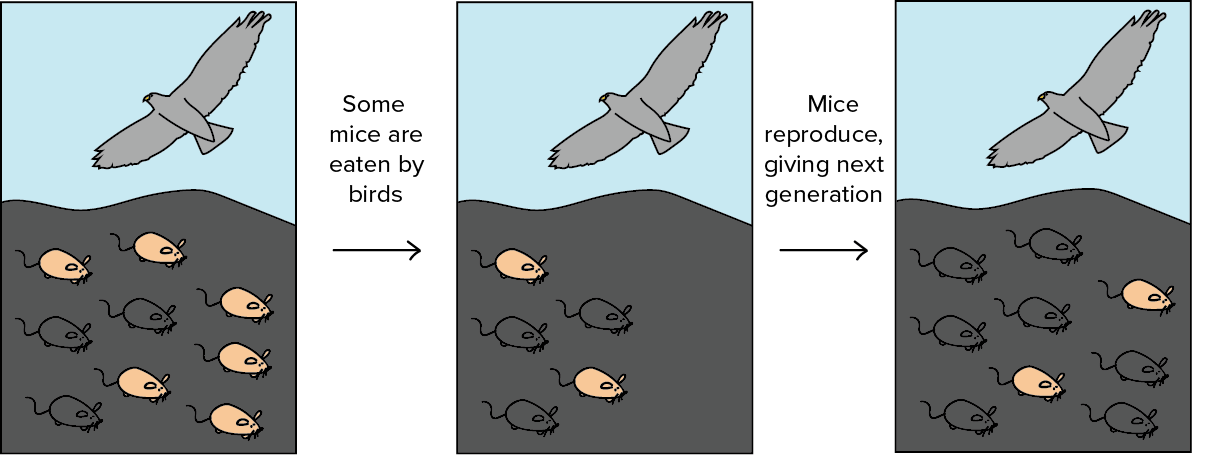
A new river forms and splits two populations, causing ______________ speciation
Sympatric
Allopatric
Extreme
Convergent
The formation of a new species is called
Natural selection
Struggle for existence
Speciation
Darwinism
A speciation in which new species evolve from a single ancestral species while inhabiting the SAME geographic region.
Sympatric speciation
Allopatric speciation
Complex speciation
Divergent speciation
Orcas occur in the same habitat but some are avoiding each other and do not interbreed. They have different diets, vocal behavior, and social structures. What type of speciation is this?
Allopatric
Sympatric
Complex
Covergent
When the Grand Canyon in Arizona formed, two populations of one squirrel species were separated by the giant canyon. This is an example of _____________ speciation.
Allopatric
Sympatric
Simple
Divergent
Different finch populations lived on separate islands with different environments. They evolved to best adapt to those particular environments and can no longer mate. What type of speciation is this?
Allopatric
Sympatric
Temporal
Mechanical
___ are the first organisms to colonize an area and begin the process of ecological succession.
foundational organisms
introductory organisms
primary organisms
pioneer species
Primary succession occurs in an area that has:
Has Soil
Has No Soil
Has Some Soil
none of these
What is the main difference between primary and secondary ecological succession?
Primary begins WITHOUT soil; Secondary begins WITH soil
Primary is the first state and secondary is the second stage
Primary builds plant community; secondary builds animal community.
Primary begins WITH soil; Secondary begins WITHOUT soil
What is an example of an area that is likely to undergo primary succession?
Glaciers melt and leave exposed rock
Plants die from drought and decompose
Land is bulldozed and soil remains


Primary or secondary ecological succession?


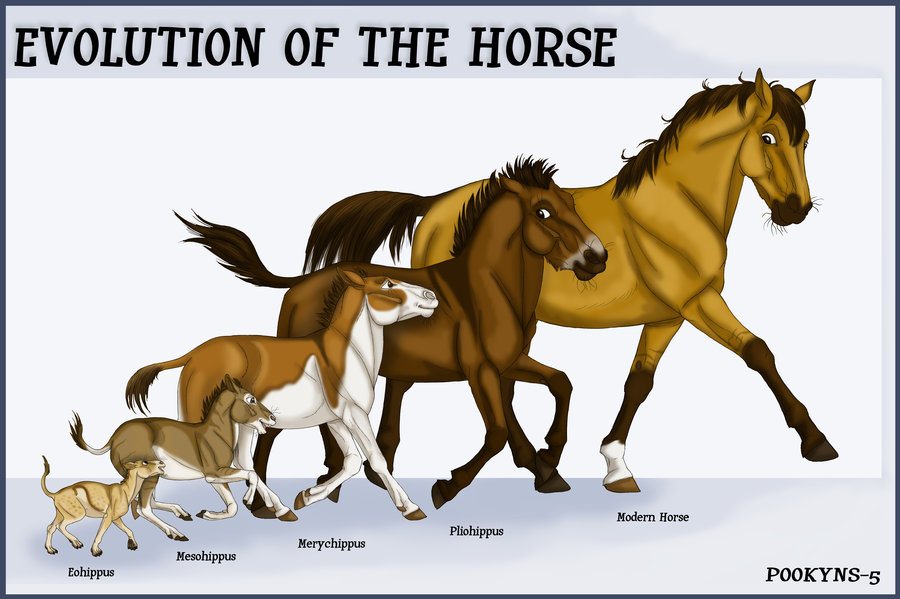
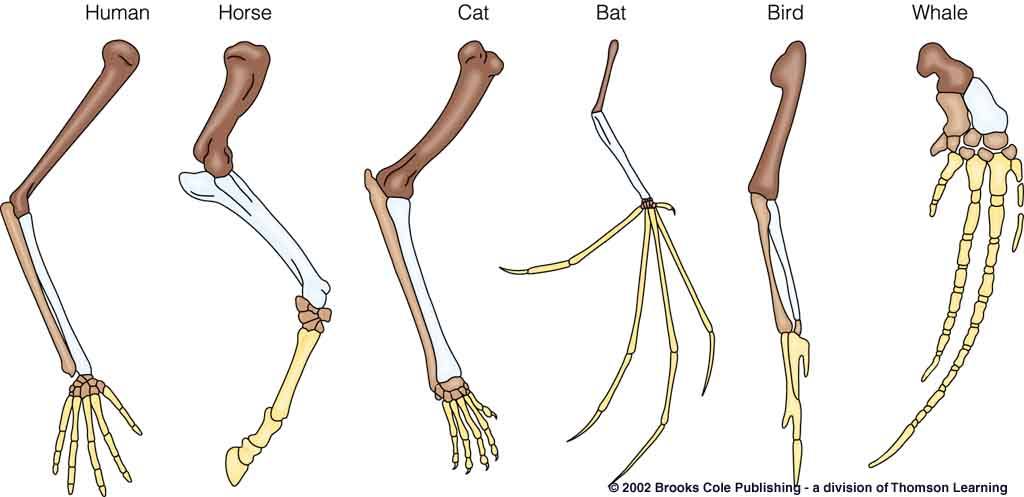
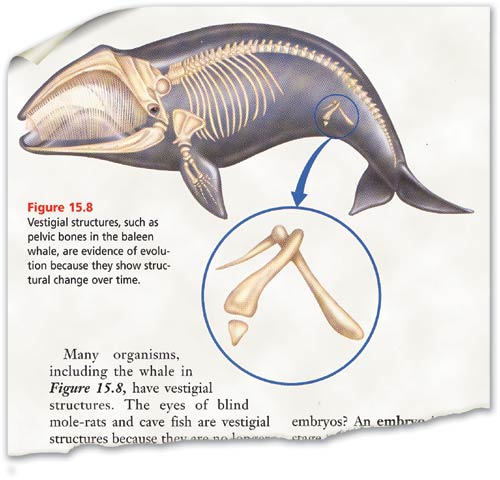
How do homologous structures provide evidence for evolution?
Homologous structures provide evidence for evolution because they are vestigial organs.
Homologous structures provide evidence for evolution because they are similar structures found in different species that suggest a common ancestor.
Homologous structures provide evidence for evolution because they are the result of convergent evolution.
Homologous structures provide evidence for evolution because they are the result of genetic mutations.

