wayground logo

Free Printable Worksheets

NEW

Font size

S
M
L
XL
Worksheets

Rock Cycle

Total questions: 31

Worksheet time: 23mins

Name
Class
Date
1.

What Are The Three Main Types Of Rocks?

a)

Igneous, Depository, Metamorphic

b)

Depository, Igneous, Sedimentary

c)

Metamorphic, Igneous, Depository

d)

Igneous, Metamorphic, Sedimentary

2.

How are metamorphic rocks formed?

a)

Heating and cooling

b)

Deposition

c)

Heating and pressure

d)

Materials gathering and pressing together

3.

How are sedimentary rocks formed?

a)

Heating and pressure

b)

Sediment forming together

c)

Weathering

d)

Cooling

4.
What geologic process changes pieces of rocks, minerals and other materials into sedimentary rocks?
a)
Compacting and Cementing
b)
Cooling
c)
Heat and Pressure
d)
Melting
5.
Which type of rock is heated and pressurised but does NOT melt?
a)
igneous
b)
hard rock
c)
metamorphic
d)
sedimentary
6.
Each rock type can follow only one pathway of the rock cycle.
a)
True
b)
False
7.
Which type of rock results from melting and cooling of magma?
a)
Igneous
b)
Metamorphic
c)
Sedimentary
d)
Extrusive
8.
Which type of rock forms from extreme heat and pressure?
a)
Igneous
b)
Sedimentary
c)
Organic
d)
Metamorphic
9.
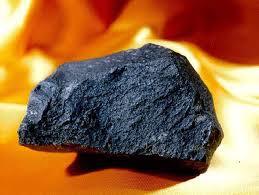
This rock was found near the mouth of a volcano. What type of rock is this?
a)
Sedimentary
b)
Igneous
c)
Metamorphic
10.
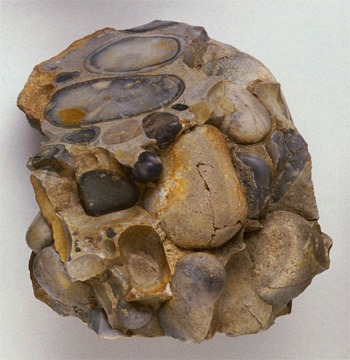
This rock was formed by smaller pieces of rock that settled at the bottom of a lake millions of years ago. What type of rock is this?
a)
Sedimentary
b)
Igneous
c)
Metamorphic
11.
This rock started as lava that cooled and then was heated and put under pressure over time. What type of rock is this?
a)
Sedimentar
b)
Igneous
c)
Metamorphic
12.
Hot, molten rock inside the earth is called ...
a)
lava
b)
magma
c)
igneous rock
d)
minerals
13.
Fossils are often found in ____________ because it is formed from the remains of once living things.
a)
metamorphic
b)
magma
c)
igneous
d)
sedimentary
14.
A never ending process by which rocks are changed from one type to another.  
a)
weathering and erosion
b)
rock cycle
c)
heat and pressure
d)
pressing and cementing
15.
How do metamorphic rocks form? 
a)
Heat and Pressure
b)
Compaction & Cementation
c)
Cooling of Magma
d)
Sediments & Glue
16.

The color of a rock is a result of its chemical composition?

a)

True

b)

False

17.

The Mount Rushmore National Monument is carved from the granite (formed from magma underground) of South Dakota's Black Hills. What type of rock is granite?

a)

Igneous

b)

Metamorphic

c)

Sedimentary

d)

None of the above

18.

The seated sculpture of President Lincoln inside the Lincoln Memorial was carved out of white Georgia marble (formed from Earth's pressure and heat). What type of is marble?

a)

Igneous

b)

Metamorphic

c)

Sedimentary

d)

None of the above

19.
True/False: Igneous rocks can only turn into metamorphic rocks.
a)
True
b)
False
20.
The process in which dissolved minerals crystallize and glue sediment together.
a)
compaction
b)
deposition
c)
organic rock
d)
cementation
21.
When sediments are pressed together tightly, this is called ____________.
a)
Compaction
b)
Cementation
c)
Weathering
d)
Erosion
22.

Which is the process that breaks up rock on Earth’s surface?

a)

deposition

b)

melting

c)

compaction

d)

weathering

23.
An igneous rock can become ______.
a)
metamorphic
b)
sedimentary
c)
igneous
d)
all of these
24.
The name rock is given when it is broken down into smaller pieces.
a)
texture
b)
weathering
c)
sediment
d)
erosion
25.
When you watch a volcano erupt molten rock, you are seeing _____
a)
Lava
b)
Magma
c)
Mineral Crystals
d)
Igneous Rocks
26.
Rocks are formed by
a)
minerals
b)
other metals
c)
small particles
d)
sediments
27.
Which pathway CANNOT be taken by an igneous rock?
a)
compaction and cementation
b)
melting
c)
weathering and erosion
d)
heat and pressure
28.
All rocks can be...
a)
melted, compacted, and cooled
b)
melted, transformed, and eroded
c)
cooled, transformed, and eroded
d)
cooled, compacted, and transformed
29.
How does pumice become sandstone?
a)
weathering and erosion to sediment, then compaction 
b)
melting into magma, then cooling
c)
transformed by heat and pressure
d)
cooling into sediment, then transformed
30.

Sedimentary Rock --> ____________--> Sediment

a)

compaction and cemetation

b)

weathering and erosion

c)

heat and pressure

d)

melting and cooling

31.

Which is NOT accurate?

a)

Igneous -->Melting --> Magma

b)

Sediment --> Compaction --> Sedimentary

c)

Metamorphic --> Heat and Pressure --> Sedimentary

d)

Magma --> Cooling --> Igneous