Worksheets
nervous system updated
Total questions: 103
Worksheet time: 1hrs 22mins


Our ______ receive messages and send them to the brain. The brain sends messages to our body on how to respond.
heart
lungs
nerves

Which 2 body systems interact and initiate movement?
muscular and nervous system
skeletal and muscular system
respiratory and nervous system
circulatory and nervous system
Which system is responsible for the overall control of all the internal processes that occur in the body?
muscular system
nervous system
digestive system
skeletal system
The function of sneezing is to expel mucus containing foreign particles from the nasal cavity. A person sneezes when foreign particles pass through the nasal hair which triggers the release of chemical that activates body system causing sneezing. What body part is activated?
circulatory system
digestive system
nervous system
excretory system
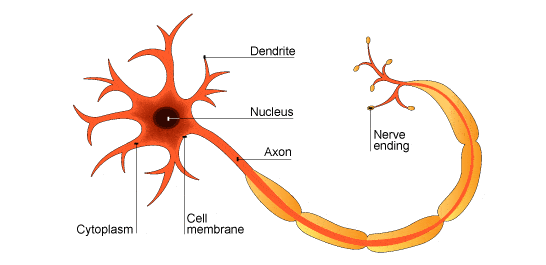
What level of structure is represented by the diagram?
organ
organ system
cell
tissue
When your get scared, your nervous system goes into
walk and talk mode
fight or flight mode
sit and lounge mode
chill mode
In what way did your nervous system help when you ran in place for 30 seconds? (check all that apply)
Your nervous system told your muscles what to do (contract and relax)
your nervous system told your circulatory systemto pump faster because your muscles needed more oxygen
your nervous system told your respiratory system to breather faster to get more oxygen in quicker
your nervous system told your digestive system to pause on digesting food because it needed more blood to transport the oxygen your muscles need
your nervous system told itself to start making sweat to help cool your body down
Stand up, run in place for 30 seconds (actually do it!). What body systems were involved in the exercise you just did? (check all that apply)
Nervous system
Respiratory system
Circulatory System
Muscular system
Skeletal system
When you need to use the bathroom, your excretory system sends a signal to your ________ system to let your body know that it's time....
Skeletal
Nervous
Circulatory
Respiratory
When you want to go for a run, your nervous system tells your ________ system what to do.
Respiratory
Digestive
Skeletal
Muscular
The left side of your brain controls the _______ side of your body.
Right
Left
Front
Back
The nervous system includes sensory organs (eyes, ears, skin)
True
False
The nervous system is broken into 2 major parts, the
Central Nervous System
Pedestrian Nervous System
Peripheral Nervous System
Whole Nervous System
What is the function of the nervous system?
to control and coordinate body functions and systems.
to protect the body from harm.
to identify pain and begin healing.
to break down food.
The basic unit of structure and function in the nervous system is a nerve cell. Nerve cells are also called-
Osteocytes
Dendrites
Neurons
Spinal Cords

brain stem
cerebrum
what controls your involuntary muscles (digestion, heart, breathing)?
cerebrum

cerebrum
cerebellum
brain stem

brain stem
cerebrum

What is the number 1 pointing to?
Spinal Cord
Brain Stem
Cerebellum
Cerebrum

What is the number 3 pointing to?
brain stem
cerebrum
cerebellum
spinal cord
What is the number 2 pointing to?
brain stem
cerebrum
cerebellum
spinal cord

cerebrum
Which sense organ helps you hear?
Eyes
Nose
Mouth
Ears
What is the colored part of the eye called?
Iris
Optic Nerve
Cornea
Rods and Cones
What is the black part of the eye called?
Retina
Nerve
Pupil
Iris
What contains the nucleus of the neuron?
Terminal Bouton
Cell Body
Axon Hillock
Myelin Sheath

What kind of neuron carries information from our eyes to our brain?
Motor neuron
Sensory neuron
Nerve
Spinal neuron
How many sense do humans have?
4
5
6
more than 6
What part of your body carries signals from your brain to your muscles (you can choose more than one)
Motor neurons
Spinal cord
Sensory neurons
Blood vessels

Identify the response
hunger
thirst
drinking water
smelling

Identify the stimulus
Thirsty
drinking water
blinking
eating
What part of your body carries signals from your brain to your muscles (you can choose more than one)
Motor neurons
Spinal cord
Sensory neurons
Blood vessels

This part of the neuron receives chemical messages from the neurotransmitters of other neurons. It is labeled A in the diagram.
Dendrite
Axon
Axon Terminal
Cell Body
Branches extend from the axon and connected with other neuron forming synapse.
Axon
Dendrite
Myelin Sheath
Axon Terminal
Fatty layer that insulates and covore the axon and increases the speed of the neural message within the neuron.
Synapse
Dendrite
Myelin Sheath
Axon Terminal Button
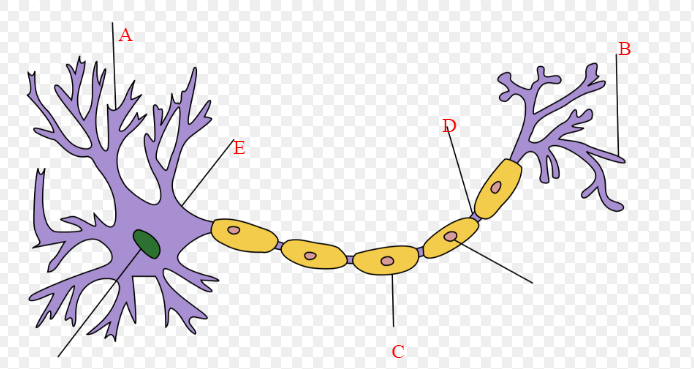
Which part sends nerve impulse to the next cell and connected with muscles?
Dendrite
Axon
Axon Terminal
Cell Body

The long cylindrical fiber like part of a neuron which the cell sends information to other neurons. Labelled D in diagram.
Synapse
Axon
Axon Terminal
Dendrite

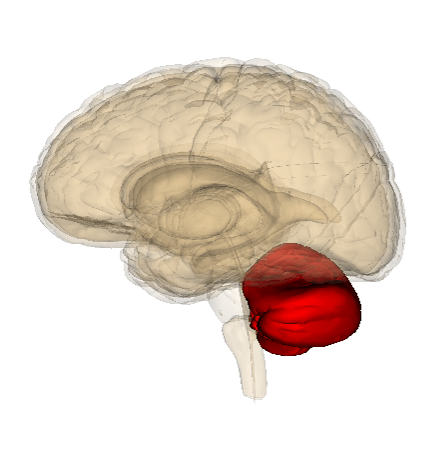
What is this part in red color? It keeps the body balance during movements.
Cerebrum
Cerebellum
Brain Stem
Diencephalon
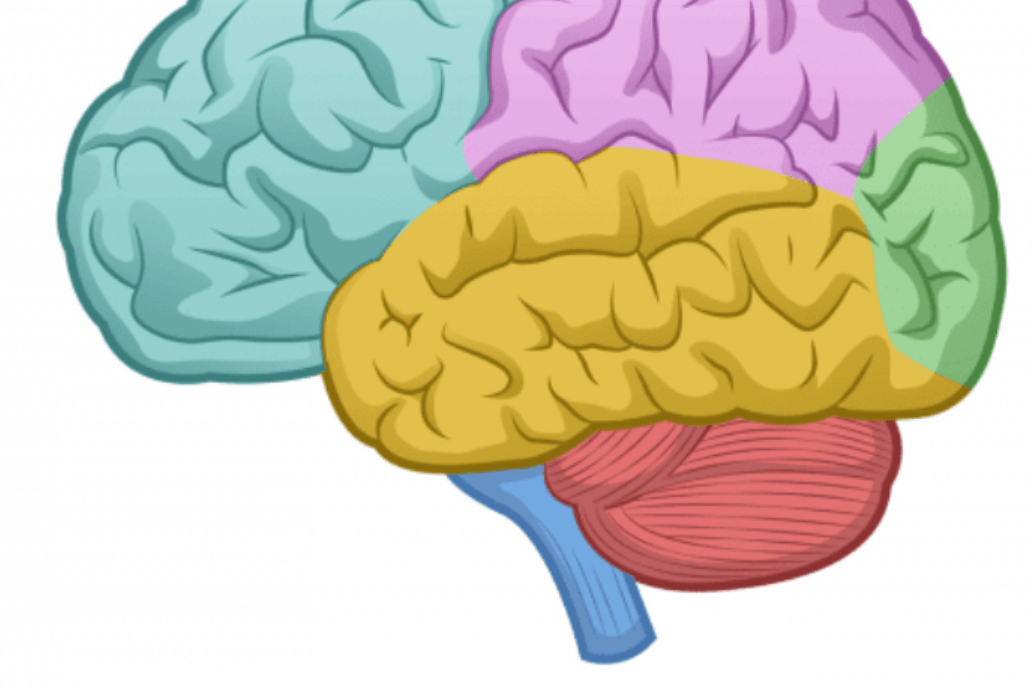
What structure is bright blue and located at bottom of the brain and connects the brain and the spinal cord?
Cerebrum
Cerebellum
medulla oblongata
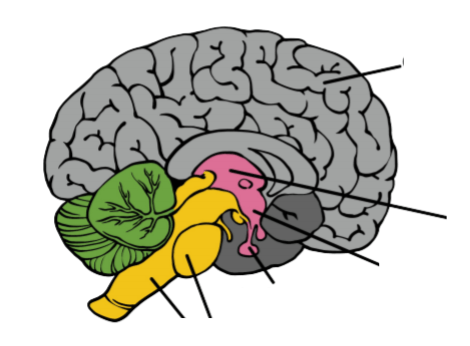
What structure is grey in this picture. It controls thinking and memory?
Cerebrum
Cerebellum
Brain Stem
What is the gap between two neurons called?
Impulse
Synapse
CNS
Inter neuron


The nerves that extend from the brain called .............. nerve and it consists of ..............pair of nerves
peripheral --43
spinal ---31
cranial---12

The nerves that extend from the spinal cord called .............. nerve and it consists of ..............pair of nerves
peripheral --43
spinal ---31
cranial---12
which part of the brain controls voluntary movement ?
Cerebrum
Cerebellum
medulla oblongata
Two divisions of the nervous system.
brain and spinal cord
central nervous system and peripheral nervous system
cerebrum and cerebellum
Select the INVOLUNTARY action.


Select the VOLUNTARY action.


Function of spinal cord
controls all voluntary actions of the body
to transmit impulses from the sensory organ through central nervous system to the effector to respond accordingly
controls the reflex actions

Blinking when something enters your eye
A reflex action
Not a reflex action
What will happen if all the sensory nerves stop working in any human's body?
Messages will not reach to the brain or spinal cord.
Brain is not able to process the received information.
Nothing will happen as motor nerves will perform the functions.
Function of nervous system is ____________.
Digestion only
Circulation only
Control and coordination of the body
Breathing only
Which structure connects the Brain to the Peripheral Nervous System, while also directing some of the body's reflexes?
Spinal Cord
Esophagus
Pharynx
Larynx
Trachea
Which brain structure controls all voluntary activities and is responsible for thought, memory, emotions, and reasoning?
Cerebellum
Cerebrum
Medulla
Which brain structure controls all involuntary processes such as breathing, heartbeat, peristalsis
Cerebellum
Cerebrum
Medulla
Which brain structure is responsible for balance and is involved with movement?
Cerebellum
Cerebrum
Medulla
The Brain is made of a large mass of
Muscular Tissue
Neurons
Red Blood Cells
While Blood Cells
Glands
Speaking, Running, and Karate Chopping are examples of
Voluntary Processes
Involuntary Processes
Digestion, Heartbeat, and Reflexes are examples of
Voluntary Processes
Involuntary Processes
Anything that occurs automatically and without thought.
Voluntary Processes
Involuntary Processes
The part that responsible for balance of the body is ....
Cerebrum
Medulla oblongata
Axon
Cerebellum
The spinal cord exist in .....
Vertebral column
Skull
Cerebrum
Cerebellum
The brain exist in the bony box called .....
Spinal cord
Cerebellum
Skull
Backbone
The part of nervous system responsible for the reflex action is ...
Brain
Cerebrum
Cerebellum
Spinal cord
In the reflex arc, the terminal arborizations of the connector neurons are connected with...............
the dendrites and cell body of sensory neurons.
the dendrites and cell body of motor neurons.
the sensory receptors
the responding organs
The peripheral nervous system consists of .............................
sensory nerve cells and connector nerve cell
Motor nerve cells and connector nerve cells
sensory nerve cells and motor nerve cells
sensory nerve cells and neuroglial cells


What is the number 1 pointing to?
Spinal Cord
Brain Stem
Cerebellum
Cerebrum
What is the number 3 pointing to?
brain stem
cerebrum
cerebellum
spinal cord
What is the number 2 pointing to?
brain stem
cerebrum
cerebellum
spinal cord
This part of the brain makes us unique and is our control information processing center?
Cerebellum
Corpus Collosum
Cerebrum
Hypothalamus