
 Worksheets
APES 7.1 - 7.3
Total questions: 48
Worksheet time: 43mins
A strong VOC and greenhouse gas, made in excess from livestock.
Carbon Dioxide
Lead
Mercury
Methane
A protective gas in the stratosphere, but a pollutant in the troposphere.
Ozone
Nitrogen
Radon
Methane
Check all that are true of the stratosphere.
Where the ozone layer is located.
Where we live.
The second layer of the atmosphere.
The coldest layer of the atmosphere.
Produced from interactions between primary air pollutants, or between primary air pollutants and other atmospheric gases.
Primary Air Pollutants
Secondary Air Pollutants
Point Source Pollutants
Non-Point Source Pollutants
Check all that are considered primary air pollutants.
Sulfur dioxide
Carbon dioxide
Ozone
Methane
This smog occurs when sunlight reacts with certain pollutants in the atmosphere.
Temperature Smog
Industrial Smog
Photochemical Smog
Acid Deposition
Which climate conditions would be best suited for the formation of photochemical smog?
Cool, wet, cloudy
Cool, dry, sunny
Warm, wet, cloudy
Warm, dry, sunny
Check all that are carbon sinks (remove carbon from the atmosphere).
Photosynthesis
Oceans
Respiration
Forests
Because these pollutants form from the direct combustion of fossil fuels, which of these correctly describes these air pollutants?
Primary
Secondary
Persistent in the atmosphere for decades
Impact the ecosystem but not humans
Two main components that are the driving force between the formation of secondary pollutants from primary pollutants include
Sulfur dioxide and sulfuric acid
sunlight and water
water and VOCs
nitrogen oxides and sulfates
Thermal inversions
increase the rate of smog formation
trap high concentrations of pollution at ground level
result in increased levels of acid deposition
reduce the negative effects of VOC's
Implicated in human neurological damage
Sulfur dioxide
Lead
Ozone
Hydrocarbons
Particulates
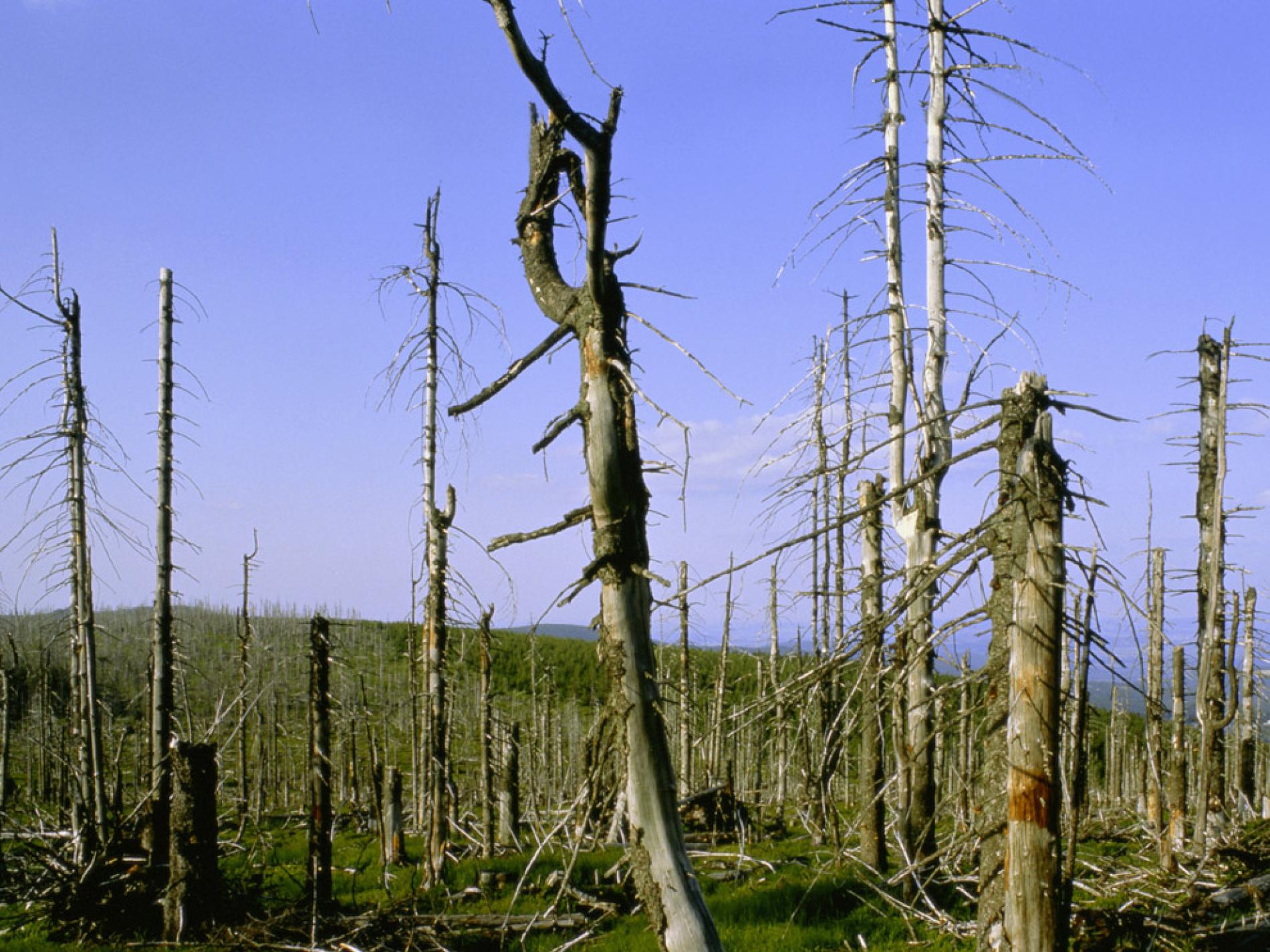

Smog or ground ozone forms in the troposphere. Which pollutants are most responsible for smog or ground ozone?
sulfur and particulate matter
volatile organic compounds and nitrogen oxides
carbon monoxide and carbon dioxide
none of these answers are correct

Where is the Ozone Layer found in our atmosphere?
Troposphere
Stratosphere

When the Ozone Layer loses Ozone what happens to organisms on the earth's surface?
They are exposed to Smog
Nothing happens
They are exposed to Acid Rain
They are exposed to Ultraviolet B Radiation
The Clean Air Act- regulates vehicle emissions.
true
false
Source of carbon monoxide
Incomplete combustion of fossil fuels
Combustion of fossil fuels
Decomposition of plant and animal matters
Photochemical reaction of CO2
A type of pollution found both indoors and outdoors, which includes pollen, dander, soot, carbon, and dust.
Water droplets
Allergens
Particulate matter
Combustibles

Which of the following are examples of VOC's ? (Select 3)
paint and paint thinners
gasoline
water vapor
formaldehyde
smog

What areas are more likely to experience temperature inversions?
small cities in the mountains
large cities in valleys
large cities near oceans
small cities near a river

Where is the "GOOD" ozone located?
troposphere
stratosphere
mesosphere
thermosphere

The lowest layer in the atmosphere - where trees grow and weather takes place.
troposphere
stratosphere
mesopshere
treeosphere
Which of the following government agencies is responsible for the Clean Air Act?
the USGS
the USDA
the EPA
the USDOJ

78% of the Earth's atmosphere is made up of
H2O
SO2
N2
CO2
Ar
What is TRUE of carbon monoxide?
It is CO2
It is an odorless gas
It has a purple color
It is the product of complete combustion
None of these are true
Which is false of carbon dioxide?
It is CO2
It is colorless
It is odorless
It is a greenhouse gas
It is the product of photosynthesis
Which below is a source of particulate matter?
burning wood
dust from gravel roads
volcanoes
forest fires
all of these are sources of particulate matter

Volcanic eruptions can be sources of air pollution
True
False
Natural causes of air pollution include all of the following
forest fires
dust
volcanic ash
wind
pollen
What are ways that we can decrease air pollution?
carpool
conserving electricity
follow laws made by the EPA
burning extra fossil fuels
What is the major cause of photochemical smog?
burning of fossil fuels
car exhaust
CFC's in the atmosphere
fertilizer use

During a thermal
inversion,
sulfur oxides and nitro-
gen oxides combine with
water in the atmosphere.
an influx of acidic water
causes a rapid change in
the pH of water.
levels of ground-level
ozone decrease.
pollutants are trapped
near Earth’s surface.
Smog is caused by ozone, which is a combination of....
UVA & UVB
NO2 & VOCs + sun
methane & NO2
carbon dioxide & water
Which of the following is a Clean Air Act criteria pollutant?
carbon monoxide (CO) & lead (Pb)
coarse & fine particulate matter
nitrogen dioxide (NO2) & sulfur dioxide (SO2)
ozone (O3)
ALL OF THE ABOVE!
Which of the following describes a potential human health effect most likely to be associated with a thermal inversion?
Increase in heart attacks due to increased barometric pressure
Increase in respiratory irritation due to increased levels of fine airborne particulates
Increase in skin cancer due to increased ozone levels
Increase in allergies due to increased household mold
Which area would you expect to be warmer on the same day?


The Urban Heat Island Effect is
islands in the sun are warmer than islands in the shade
urban areas with a lot of tall buildings and man-made materials tend to be warmer than grassy shady neighborhoods
Areas with a lot of metal are always warmer than areas with a lot of concrete and asphalte
Areas with a lot of metal are always warmer than areas with a lot of grassy and shady areas.

