
Font size
 Worksheets
Review
Total questions: 105
Worksheet time: 2hrs 45mins
What causes the planets to stay in their orbits?
Newton's 1st Law of Motion
to avoid running into other planets
its the law of the solar system
the gravitational force of the sun
Mercury is very close in size to _____.
Earth
Mars
Venus
Earth's Moon
This planet can be referred to as Earth's ✨TWIN✨
Mars
Earth
Venus
Mercury
This planet is red in color due to the oxidation of Iron (Fe) (rust)
Venus
Earth
Mercury
Mars
Which planet is the smallest
Mercury
Venus
Earth
Mars
What is the correct order of the planets starting from the sun
mars, venus, mercury, earth
venus, mercury, earth, mars
mercury, venus, earth, mars
mercury, earth, venus, mars
Which planet has the longest year?
Mars
Venus
Earth
Mercury
Which planet has the thinnest atmosphere?
Mars
Venus
Earth
Mercury
Which of the following characteristics is common to ALL FOUR planets in the inner solar system?
have one or two moons
have a solid rocky surface
have a thin, toxic, atmosphere
have the same orbit length around the sun
Which inner planet is the largest?
Mercury
Venus
Earth
Mars
Which inner planet has the largest volcano?
Mercury
Venus
Earth
Mars
Which inner planet has the thickest atmosphere?
Mercury
Venus
Earth
Mars
Which inner planet is 70% covered in water?
Mercury
Venus
Earth
Mars

What does our Solar System revolve around?
Sun
Earth
Milky Way

This planet is red in color due to the oxidation of Iron (Fe) (rust)
Earth
Mars

Which is NOT an inner planet?
Mercury
Saturn
Mars
Earth

a regular, repeating path that one object in space takes around another one.
rotation
orbit
planet

Which inner planet has the highest surface temperature because the thick clouds trap heat from the sun?
Mercury
Venus
Earth
Mars

Which choice is NOT true about the inner planets?
They are warmer than outer planets.
They are closer to the sun than outer planets.
They are made of gas.
They don't have rings.
Being closer to the Sun means the Inner Planets are...
warmer
bigger
colder
yellow
Uranus is blue/green because of traces of ___________ in its atmosphere.
oxygen
methane
helium
hydrogen
What is the second largest planet in our solar system?
Neptune
Jupiter
Uranus
Saturn

All of the outer planets are known as the _________.
terrestrial giants
titanium planets
helium giants
gas giants
This planet rotates on its side.
Jupiter
Saturn
Uranus
Neptune

What planet takes the longest to orbit the sun?
Uranus
Jupiter
Neptune
Saturn
The Outer Planets are extremely
Cold
Hot
What planet is no longer a planet?
Jupiter
Neptune
Pluto
Saturn
What makes the Outer Planets different than the Inner Planets?
They're made of rock and move slow
They don't exsist
They're made of gas and move fast
They're made of gas and rock and move fast
What separates the Inner Planets and Outer Planets?
Mars
Asteroid Belt
Nothing
Jupiter
What is Jupiter mostly made of?
Nitrogen and Oxygen
Oxygen
Hydrogen and Helium
Which planets have rings?
Saturn
All the gas giants
Saturn and Uranus
Saturn and Neptune
What are Saturns rings made of?
Helium and hydrogen
Ice and rock
Oxygen and methane
Methane
How does Uranus rotate?
Upright
On its side

In general, the Outer Planets are...
Windy
Cold
Big
All of the Above

Which of the following falls between the Inner & Outer Planets?
Asteroid Belt
3rd Degree Black Belt
Kuiper Belt
Oort Cloud


What force keeps planets, comets, asteroids, and meteoroids in orbit around the Sun?
Electricity
Solar power
Inertia
Gravity

One similarity between asteroids & comets is that they all:
are made of rock
come from the Asteroid Belt
come from the Oort Cloud
orbit the sun
Human activities that reduce environmental impact are called ___________.
nonrenewable resources
pollution
effect
ecofriendly

Which type of pollution is shown in the image below?
Air pollution
Water pollution
Acid precipitation
Global warming
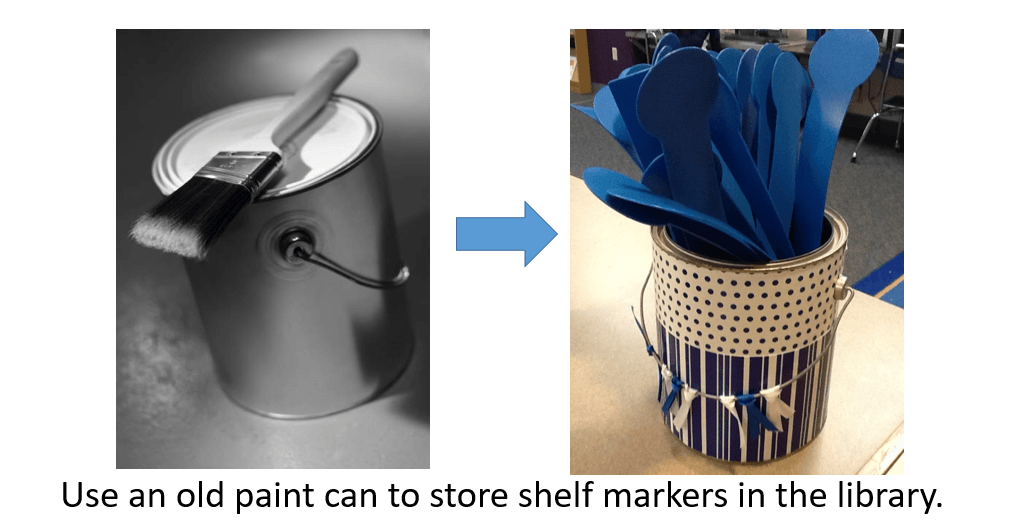
Use and old paint can to store shelf markers in the library. Reduce, reuse, recycle, or trash?

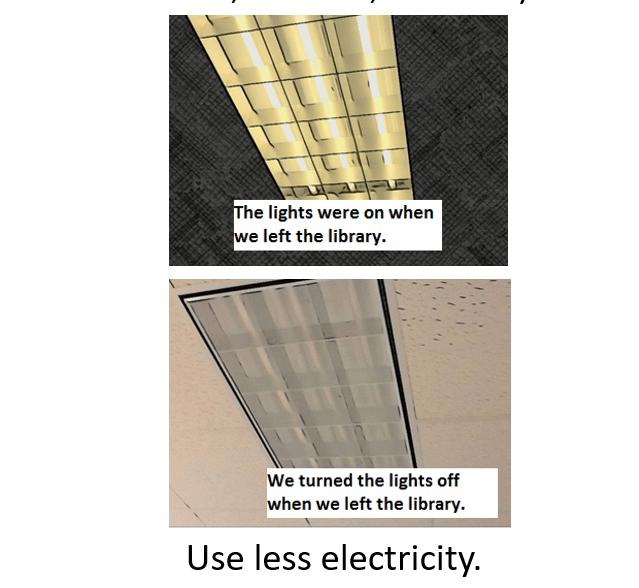
Use less energy and turn off the lights. Reduce, reuse, recycle, or trash?
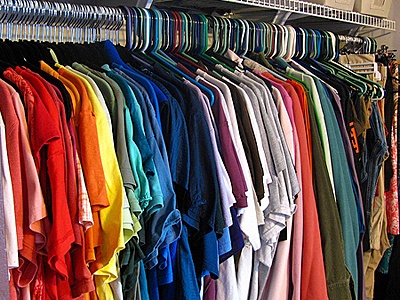
Wear your clothes again. Reduce, reuse, recycle, or trash?
Which Earth system is most affected when factories burn harmful chemicals and release those substances into the air?
Atmosphere
Geosphere
Hydrosphere
Biosphere
How does building a large dam affect some or all of the Earth's systems?
Building a dam generates more electricity.
Building a dam increases the amount of fresh drinking water.
Building a dam impacts wildlife that depend on the natural flow of water.
Building a dam increases recreational activities.
Human impact on Atmosphere
When people cutdown or grow trees
When people build dams to store water
When people build houses to live
When people add or remove pollutants from air
Human impact on geosphere
When people cutdown or grow trees
When people build dams to store water
When people build houses to live
When people add or remove pollutants from air
Human impact on Hydrosphere
When people cutdown or grow trees
When people build dams to store water
When people build houses to live
When people add or remove pollutants from air
Human impact on Biosphere
When people cutdown or grow trees
When people build dams to store water
When people build houses to live
When people add or remove pollutants from air
True or False: The biosphere can be negatively affected by air pollution.
true
false
Positive or Negative impact on Earth's Systems: solar powered lights
Positive
Negative
Positive or Negative impact on Earth's Systems: factories polluting the air
Positive
Negative
Positive or Negative impact on Earth's Systems: buying recycled products
Positive
Negative
Positive or Negative impact on Earth's Systems: letting the water run longer than needed
Positive
Negative
Riding your bike to school is an example of...
recycling
reusing
reducing
Buying a chair made of reused plastic is an example of...
recycling
reusing
reducing
Using cloth grocery bags is an example of...
recycling
reusing
reducing
How do you reduce the usage of plastic bags?
Bring your own grocery or cotton bag
Carry the items with your own hands
Never go shopping
How are green homes and electric cars alike?
They are both energy efficient.
They both use solar panels.
They both require batteries to work.
They both require gas to work.
The protection, preservation and management of natural resources is known as
recycling
consumption
conservation
restoration
What action is good for the Earth?
Use less water
Use more water
Use more plastic bags
What action is bad for the Earth?
Closing the tap when brushing teeth
Throwing trash into the river

This picture gives benefit or harm to the Earth?
Benefit to the Earth
Harm to the Earth

How does a bus efficiently use energy resources?
The bus does not use fossil fuels.
The bus uses fossil fuels, but it transports many children at one time.
The bus does not produce exhaust.

Which items cannot be recycled?
plastic bottles
aluminium cans
food waste
newspapers

How can we reduce the use of plastic bags?
Bring our own grocery bags
Throw away plastic bags after using it
Buy many plastic bags for our own use
Burn plastic bags together with other rubbish
Which of the following is a way a person could demonstrate conservation?
limiting water use when showering and brushing teeth
Why are Earth's resources important for humans
They can help us do things
They are needed for survival
They look pretty
Which of the following is an effective way to conserve resources?
buying things unnecessarily
by growing trees more than those being cut down
by keeping the tap water open while brushing teeth
4. When we cut down trees, what do we do to the habitats of many living things?
help
destroy
build
plant


Compare to other stars we observe, the Sun appears bigger and brighter because:
It is visible at night
It is much closer to Earth
It has more mass
It is older
The temperature of the Sun's core is ______ of degrees Celsius.
Millions
Thousands
Hundreds
Tens


