
 Worksheets
Year 9 Heat revision
Total questions: 201
Worksheet time: 3hrs 9mins

Which will heat up faster?
copper
granite
iron
basalt

Which will heat up slower?
water
lead
granite
iron
Which of the following best explains why the sand at the beach is hotter than the water?
Sand has a higher specific heat than water.
Sand has a lower specific heat than water.
There is more water than sand at the beach.
There is more sand than water at the beach.
The amount of energy required to raise the temperature 1ºC for every gram is called____?
Thermal Energy
Specific Heat
Temperature
Kinetic Energy


What letter is used to represent specific heat capacity?
H
P
C
T
Which of the following best explains why the sand at the beach is hotter than the water?
Sand has a higher specific heat than water.
Sand has a lower specific heat than water.
There is more water than sand at the beach.
There is more sand than water at the beach.
The amount of energy required to raise the temperature 1ºC for every gram is called____?
Thermal Energy
Specific Heat
Temperature
Kinetic Energy


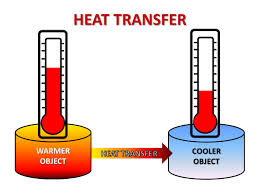
Which of the following is not a method for heat transfer
Radiation
Insulation
Conduction
Convection
In which of the following state are the particles closest together?
Fluid
Gas
Liquid
Solid
How does heat energy reach the Earth from the Sun
Convection
Radiation
Conduction
Insulation
The transfer of energy by waves or particles is called
conduction
convection
radiation
insulation
A material that reduces the flow of heat is a(n)
conductor
insulator
metal
radiator
All of the following are good conductors of heat EXCEPT
Copper
Iron
Plastic
Aluminum


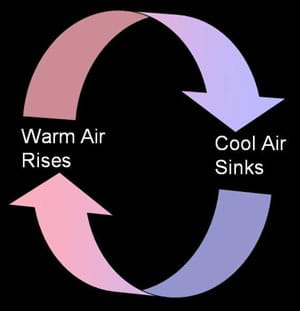
Near the ceiling of a room the air is warmer. The warm air rises because of
conduction
convection
radiation

A huge rock at the state park gets so hot during the day because of
conduction
convection
radiation

In heat transfer, heat always flows from the _______________ substance to the _______________ substance.
Hotter to colder
Colder to hotter
Hotter to hotter
Colder to colder

The handle of a metal spoon warms up when it is placed in a hot bowl of soup because of
Convection
Conduction
Radiation
insulation.

Which of the following is the best example of conduction?
A light bulb warming a lampshade
An egg cooking in a frying pan
Water boiling in a pot
Gases circulating in the atmosphere

An iron is placed on your clothes to smooth out the wrinkles. The iron transfers heat to your clothes through
conduction
convection
radiation

A pot is placed directly on a stove. The pot gets hot due to
conduction
convection
radiation

You get sunburned due to __________ from the sun.
conduction
convection
radiation

Near the ceiling of a room the air is warmer. The warm air rises because of
conduction
convection
radiation

What thermal energy transfer is shown here?
Conduction
Convection
Radiation
Transfers thermal energy through electromagnetic rays.
Conduction
Convection
Radiation

What thermal energy transfer is shown here?
Conduction
Convection
Radiation
Match these heat transfers

Conduction

Convection

Radiation
Scoopy McScooperson places a spoon in warm water for a few minutes. Then, he uses it to easily scoop out ice cream. This is because the warm spoon (a) heat to the ice cream, melting it and making it easier to scoop.
Select all that apply. Which of the following are examples of radiation?

microwave

Sunlight

Fire

touching a piece of hot metal
An important idea about temperature and the particle theory is that the motion of particles increases when the temperature increases. Which statement below is correct?
As the motion of particles decreases the temperature remains the same
As the temperature decreases the motion of the particles also increases
As the temperature decreases the motion of the particles decreases
As the temperature increases the motion of the particles decreases
As more heat is transferred to a solid, the particles vibrate and some of the particles in the solid break loose. The solid begins to change state. This is an example of...
Heating a solid
Heating a liquid
Melting a solid
Freezing a liquid
When heat is added to or removed from moving particles it changes their
Physical characteristics
Speed
Ability to change state
Size
In a liquid the particles are moving quickly. When heat is added they have more energy, but this energy is transferred from particle to particle in a different way than in a solid. The reason for this is because of the...
Speed of the particles
Space between the particles
Types of particles
Temperature of the particles
All matter is made up of tiny _______________
energy
particles (atoms and molecules)
bits
antimatter
The particles of ___________________ are tightly packed.
solids
liquids
gases
none
The particles of liquids can:
vibrate
move past each other
both
none
Heat and Temperature are ______
same
different
opposites
Heat is a form of ________
power
energy
temperature
Heat is measured in ________
degrees
grams
Joules
Temperature is measured in ________
degrees
grams
Joules
The scales used for Temperature are Celsius, Fahrenheit, and _______
Kalvin
Kelvin
Celvin
Temperature is ____________
thermal energy
a measure of how hot or cold an object is,
is the transfer of energy from one object to another.

How does the thermal energy of the liquid in the larger beaker compare to the thermal energy of the liquid in the smaller beaker?
The liquid in the larger beaker has less thermal energy than the liquid in the smaller beaker.
The liquid in the larger beaker has more thermal energy than the liquid in the smaller beaker.
The liquid in the larger beaker has the same amount of thermal energy as the liquid in the smaller beaker.
The exact volume of the liquid in each beaker must be known to compare the thermal energy of the liquids.
Which description defines heat?
total thermal energy of an object or substance
change in the temperature of a substance in degrees Celsius
energy transferred between objects at different temperatures
average kinetic energy of the particles that make up a substance

Kito puts his spoon into a helping of fresh, hot, mashed potatoes as shown in the picture. Which process takes place when the objects come together?
The temperature of the spoon increases, but its thermal energy does not change.
Energy in the form of heat is transferred by conduction from the warmer mashed potatoes to the cooler spoon.
The thermal energy of both the mashed potates and the spoon increase as the energy in the form of heat is transferred between them.
The average temperature of the spoon does not change.
As energy in the form of heat is added to an ice cube, it begins to melt. What causes melting.
Heat causes the molecules to expanded and forces them apart.
Heat removes thermal energy from the ice cube and causes it to become liquid water.
Adding energy causes the bonds between the hydrogen and oxygen in the ice cube to break.
The transfer of thermal energy to the ice cube causes its molecules to move faster.
Which example illustrate the transfer of energy through RADIATION?
feeling warmth when you sit in a sunny place.
feeling warm air while standing in front of the blower from a heating system.
feeling the warmth of the bricks around a fireplace by touching them with your hand.
feeling warmth on the soles of your feet when you walk along the beach on a sunny day.
Emily has a cup of hot cocoa on the counter to cool off so she can drink it safely. She watches the steam rise from the hot cocoa. Which type of thermal energy transfer is occurring as the steam rises into the surrounding air?
conduction
convection
radiation
transformation


Heat is defined as
the transfer of thermal energy from one object to another due to temperature difference
the temperature of a solid, liquid, or gas
The kinetic energy of a solid, liquid, or gas.

Select the temperature in °C
40°C
100°C
96°C
36°C
Select the temperature in °C
40°C
100°C
96°C
36°C

Select the temperature in °C
54°C
12°C
20°C
60°C

Select the temperature in °C
2°C
34°C
40°C
10°C

Look at the thermometer and select the closest temperature in degrees Celsius:
15°C
70°C
20°C
65°C


the temperature scale on which 0 is the temp at which no more energy can be removed
absolute zero
Fahrenheit scale
Kelvin scale
Celsius scale
the temperature scale on which water freezes at 0 and boils at 100
Kelvin scale
conduction
Fahrenheit scale
Celsius scale
the temperature at which no more energy can be removed from matter
temperature
convection
absolute zero
radiation
Two objects with different temperature in thermal contact will reach thermal equilibrium when.....
both object becomes hotter
both objects become colder
both object reach the same final temperature
net heat transfer other than zero
The condition where two substances in physical contact with each other exchange no heat energy. They are said to be the same temperature.
Thermal Energy
Cooler to Warmer
Energy Transfer
Thermal Equilibrium
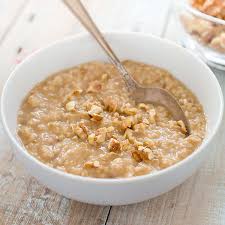
You leave your cold spoon in a hot bowl of oatmeal. What happens after an hour?
The temperature of both the oatmeal and the spoon stay the same
The spoon and the oatmeal become the same temperature
Only the temperature of the oatmeal will change
Only the temperature of the spoon will change
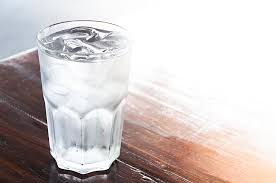
Johnny put ice in his water. Which idea do you think best explains why the water got cold?
The coldness from the ice moved into the water
The coldness and the heat moved back and forth until the water cooled off.
The heat from the water moved into the ice.
The water does not cool of
Heating will continue until what is reached?
Energizers
Equilibrium
Equality
Energy
Two objects with different temperature in thermal contact will reach thermal equilibrium when.....
both object becomes hotter
both objects become colder
both object reach the same final temperature
net heat transfer other than zero
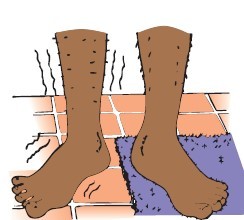

Which of the following statements is correct if there are no heat losses to the surrounding?

What type of thermal energy transfer is number 2 pointing to?
Convection
Conduction
Radiation
Insulation

heat flows through
conduction
convection
radiation
heat flow from
hot object to cold object
cold object to hot object

Which pin or paperclip dropped off the metal rod first?
The one closest to the Bunsen burner
the one furthest from the Bunsen burner

the spoon become hot hot because heat is transfer through
conduction
convection
radiation
Which image shows particles in a solid?


Heat is...
a form of energy
a temperature change
the warmth from the sun
a type of chemical formula
heat describes...
the temperature of an object
the total energy of all the particles within an object
the sunburn from the sun
boiling water
Two spas are heated. One has more water than the other. Which will have more heat energy?
more water
less water
temperature tells us...
how hot or cold something is
how much heat is on the outside
what time it is
what to eat for lunch
Which is NOT a type of heat transfer?
conduction
convection
radiation
kelvination
Conduction is a type of heat transfer that relates to
solids
liquids
gases
humans
what type of heat transfer is when heat is passed by vibrating particles?
conduction
convection
radiation
toasted sandwich
holding an ice cube and holding a cup of tea are examples of what type of heat transfer?
conduction
convection
raditaion
solar power
A conductor is a substance that...
allows heat to flow through it
blocks heat
radiates heat
sucks out heat
an insulator is a substance that...
does not conduct heat
flows heat
reflects heat
absorbs heat
the transfer of heat through a liquid or gas is called
convection
conduction
radiation
solar
boiling water, a fire, a lava lamp and a cool sea breeze are examples of what type of heat transfer?
convection
conduction
solar
radiation

this image represents what type of heat transfer?
convection
conduction
radiation is the movement of heat in electromagnetic waves
true
false
sunlight is a form of radiation (heat transfer)
true
false

what types of energy transfer is shown here
heat transfer
light transfer
sound transfer
which would NOT be a good conductor?
copper
aluminium
wood
silver
which would NOT be a good insulator?
glass
aluminium
rubber
wood
some pots and pans have handles that get hot when used, what does this mean? (select 2)
they are good conductors
they are poor insulators
they are good insulators
they are poor conductors

what is happening in the particles here? what type of heat transfer is this?
conduction- particles are vibrating
convection- heat transfer through air
radiation- heat transfer through electromagnetic wave

Which of the following are units of temperature?
°C
J
W
°F

Conduction is a method of heat transfer in which of the following?
Solids
Liquids
Gases
Vacuum

The water cycle uses the principle of convection. In which of the following does convection occurs?
Solids
Liquids
Gases
Vacuum

By which of the methods of heat transfer can heat be transferred in a vacuum?
Conduction
Convection
Radiation

Which of the following materials are the best conductors of heat?
Glass
Plastic
Rubber
Metal

Which coloured surface is the best absorber of radiant heat?
Glossy black
Matt black
Matt white
Glossy white

Which coloured surface is the best emitter of radiant heat?
Glossy black
Matt black
Matt white
Glossy white

Why are the inside of insulated cool bags silver?
Silver is a poor emitter of heat
Silver is a poor absorber of heat
Silver reflects the heat away from the bag
Silver absorbs the heat into the bag

Why is the outside of the stove painted black?
Black surfaces are good absorbers of heat
Black surfaces are poor absorbers of heat
Black surfaces are good emitters of heat
Black surfaces are poor emitters of heat

Which of the following would be a likely temperature on a cold winters morning in Northern Ireland?
— 20°C
— 2°C
2°C
12°C
When Convection occurs in the atmosphere
Cool air rises, warm air sinks
warm air rises. cool air sinks
warm air sinks, cool air sinks
warm air rises, cool air sinks
Which of these is an example of radiation
bacon on a heated skillet
falling on a sidewalk
sun heating up the sand
putting a blanket on
heat always transfers from
right to left
left to right
hot to cold
cold to hot
Which of these options show heat being transferred by radiation


Which states of matter are considered fluids and can do convection?
Gases only
Liquids only
Liquids and gases
Liquids, gases, and Solids
The total energy of all the particles in a substance is called
temperature
thermal energy
degrees
mass


The specific heat of platinum is 0.133 J/g°C. How much heat(Q) is released when a 10 g piece of platinum cools from 100°C to 50°C?
66.5 J
665 J
0.0266 J
0.665 J
20 g of water. specific heat of water is 4.18 J/g°C. temperature changes from 25° C to 20° C, how much heat energy (Q) moves from the water to the surroundings?
418 J
209 J
83 J
4.18 J
The SI units J/g°C measures
Specific heat
mass
temperature
heat energy
The specific heat(c) of copper is 0.39 J/g °C. What is the temperature change(∆t) when 100 Joules of heat(Q) is added to 20 grams?
12.82 °C
24.12°C
1.95 °C
5128 °C
Determine the heat energy needed to heat the water in the pot to boiling.
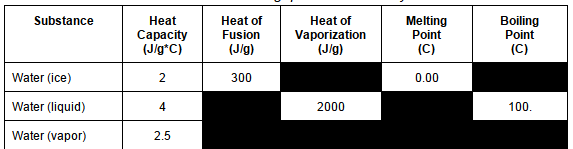
How many Joules of energy are required to change 10 gram of water from 20 oC to 90 oC?
1400 J
2800 J
210,000 J
1,400,000 J
The condition where two substances in physical contact with each other exchange no heat energy. They are said to be the same temperature.
Thermal Energy
Cooler to Warmer
Energy Transfer
Thermal Equilibrium

What happens to the temperature if I add ice cubes to a glass of soda
The heat transfers from the coke to the ice
The heat transfers from the ice to the coke
You leave your cold spoon in a hot bowl of oatmeal. What happens after an hour?
The temperature of both the oatmeal and the spoon stay the same
The spoon and the oatmeal become the same temperature
Only the temperature of the oatmeal will change
Only the temperature of the spoon will change
Johnny put ice in his water. Which idea do you think best explains why the water got cold?
The coldness from the ice moved into the water
The coldness and the heat moved back and forth until the water cooled off.
The heat from the water moved into the ice.
The water does not cool of
Heating will continue until what is reached?
Energizers
Equilibrium
Equality
Energy

What causes hot and cold water to become the same temperature once they are combined?
The heat moves from cooler temperature to warmer temperature.
The energy of the hot water runs out.
Heat (thermal) energy from the hot water is transferred to the cold water.
Heat (thermal) energy causes the water to boil.
How does heat move?
In many directions
from warm places to cooler places
from cold places to warm places
Both B and C
If you burn your hand on the handle of a hot pot, heat was transferred to your skin by
conduction
convection
radiation
equilibrium
What type of energy transfer occurs when hot water flows through cool water?
insulation
radiation
conduction
convection
The transfer of energy by waves or particles is called
conduction
convection
radiation
insulation
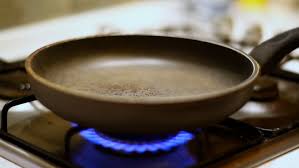
What type of heat transfer is occurring in the picture below? (the pan is touching the burner)
conduction
convection
radiation
insulation
Energy from the Sun travels to Earth as
Conduction
Convection
Insulation
Radiation
What causes hot and cold water to become the same temperature once they are combined?
The heat moves from cooler temperature to warmer temperature.
The energy of the hot water runs out.
Heat (thermal) energy from the hot water is transferred to the cold water.
Heat (thermal) energy causes the water to boil.
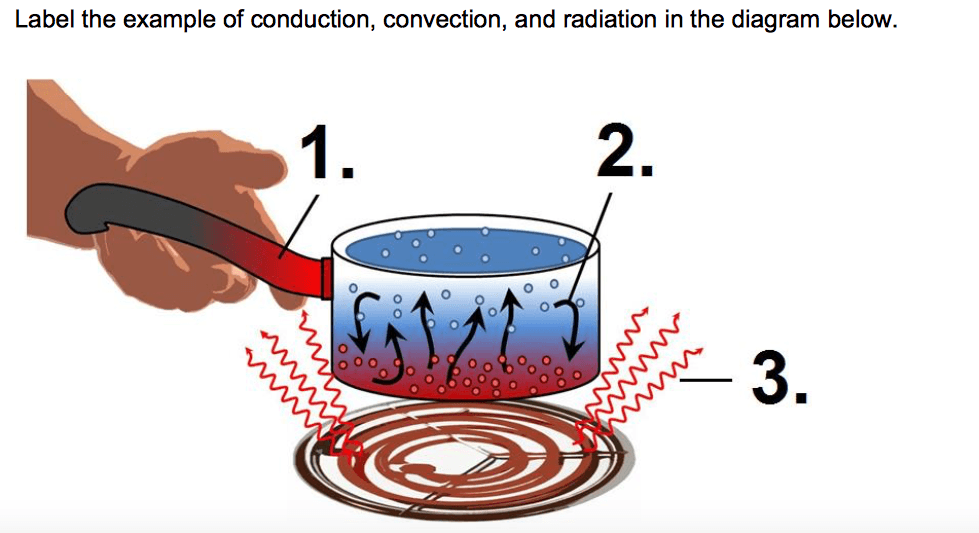
What type of thermal energy transfer is number 1 pointing to?
Convection
Conduction
Radiation
Insulation
What type of thermal energy transfer is number 2 pointing to?
Convection
Conduction
Radiation
Insulation

What type of thermal energy transfer is number 3 pointing to?
Convection
Conduction
Radiation
Insulation
heat flows through
conduction
convection
radiation
heat flow from
hot object to cold object
cold object to hot object

convection
radiation
conduction
Which pin or paperclip dropped off the metal rod first?
The one closest to the Bunsen burner
the one furthest from the Bunsen burner
the spoon become hot hot because heat is transfer through
conduction
convection
radiation
What is the way heat moves through liquids and gases called?
convection
radiation
conduction

The diagram shows a metal sphere P at 80oC is immersed in a cooler liquid Q. Thermal equilibrium is reached when
temperature of P = temperature of Q
mass of Q displaced = mass of P
volume of Q = volume of P
specific heat capacity of P = specific heat capacity of Q

What happens when the coffee and the cup are in thermal equilibrium?
The temperature of the cup is increasing
The temperature of the coffee is decreasing
There is no net heat flow from the coffee to the cup
There is a net flow from the coffee to the cup

Diagram shows a spoon is placed in a bowl of soup at 95 °C. Which statement is correct when thermal equilibrium is reached?
Temperature of soup is unchanged
Temperature of spoon is unchanged
No flow of heat between soup and spoon
Soup and spoon has the same temperature

