
 Worksheets
G5-Mid Term 3:Topic 4 L1/ Topic 6 L1 and L2
Total questions: 94
Worksheet time: 1hrs 27mins
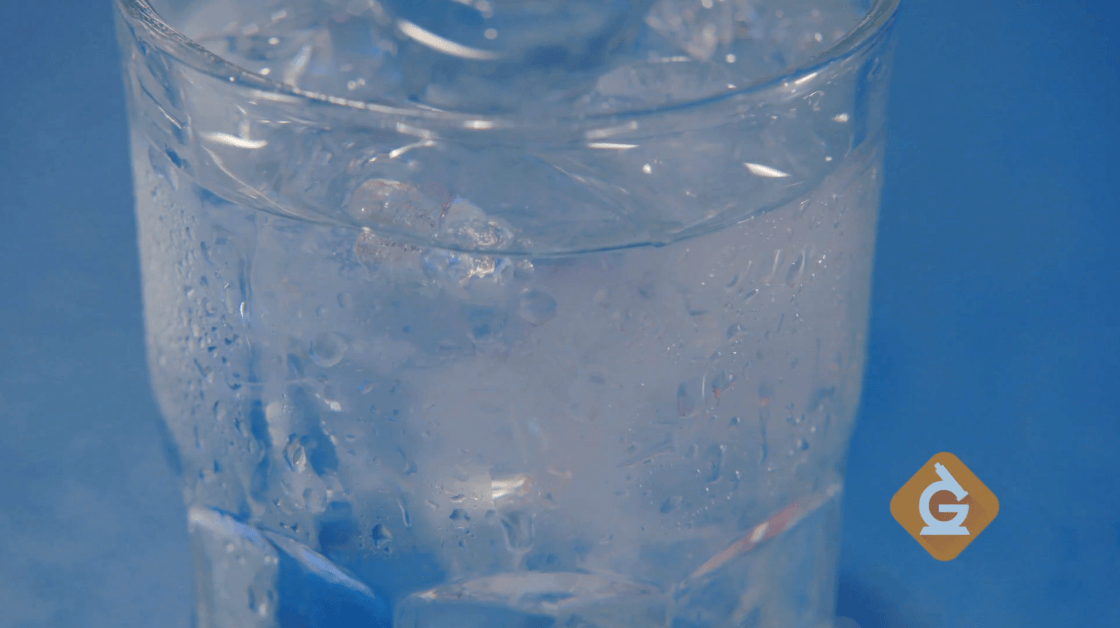
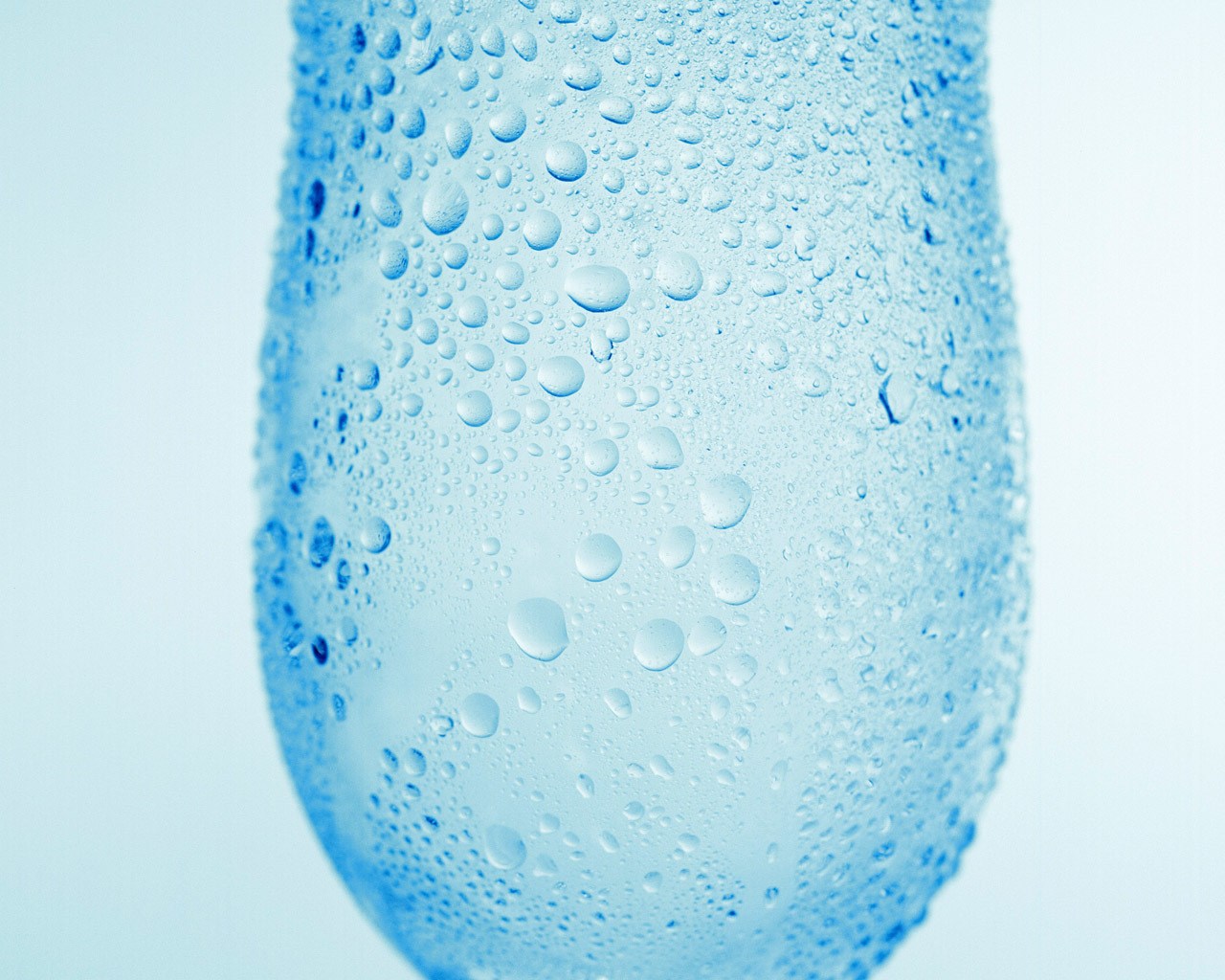
When a gas (water vapor) changes to a liquid
condensation
evaporation
run off
precipitation
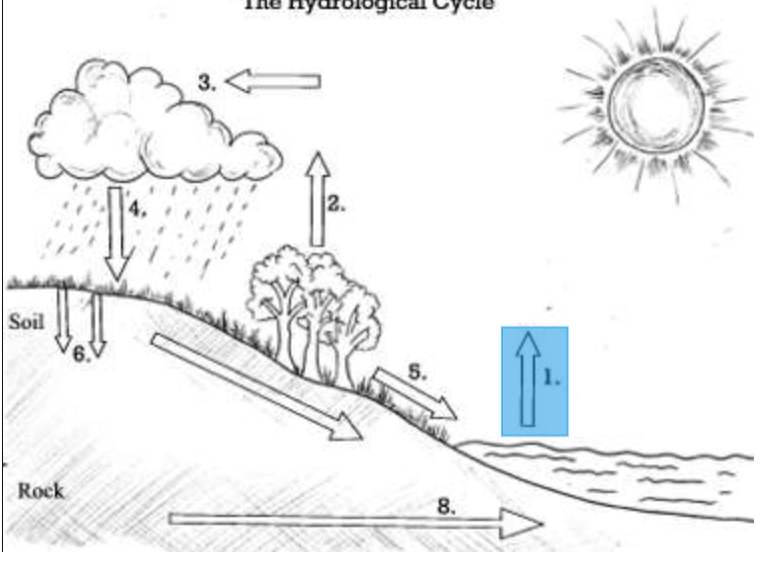
What phase of the water cycle is #4?
Evaporation
condensation
precipitation
runoff



A huge ball of very hot matter that gives off energy.
sun
star
planet
moon
Stars shine because processes in the stars produce huge amounts of _________________.
fire
Emma
energy
power
Stars that are hotter are ___________________ than stars that are not as hot.
dimmer
smaller
colder
The sun is the closest (a) to the Earth.
A __________ year is the distance light travels in one year.
light
sound
star
Addy
The Sun is the largest star in the solar system.
True
False
The Sun is the largest star in the universe.
True
False
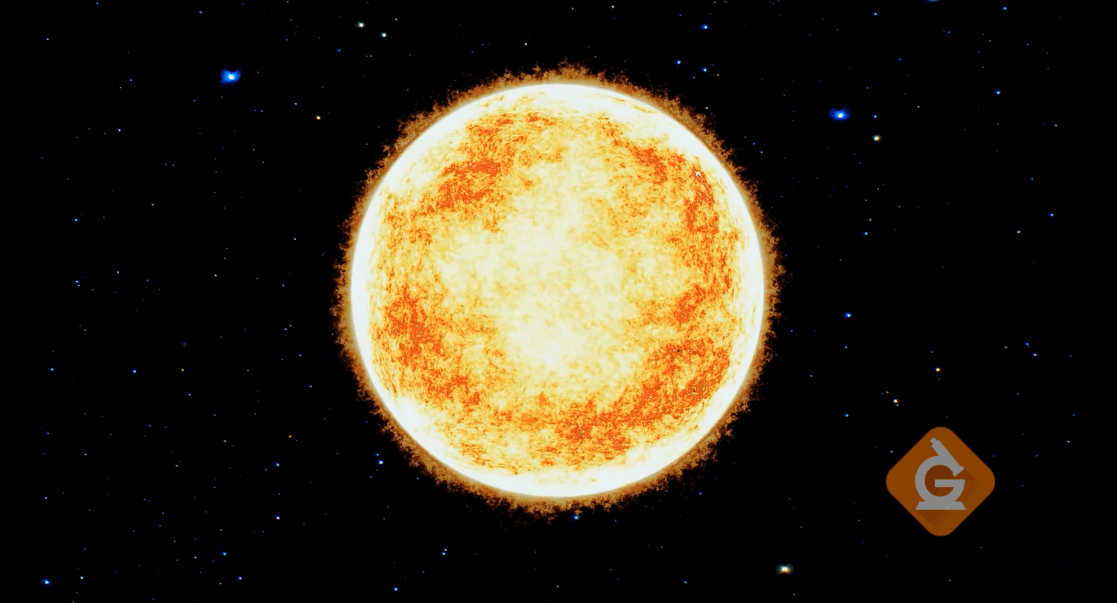
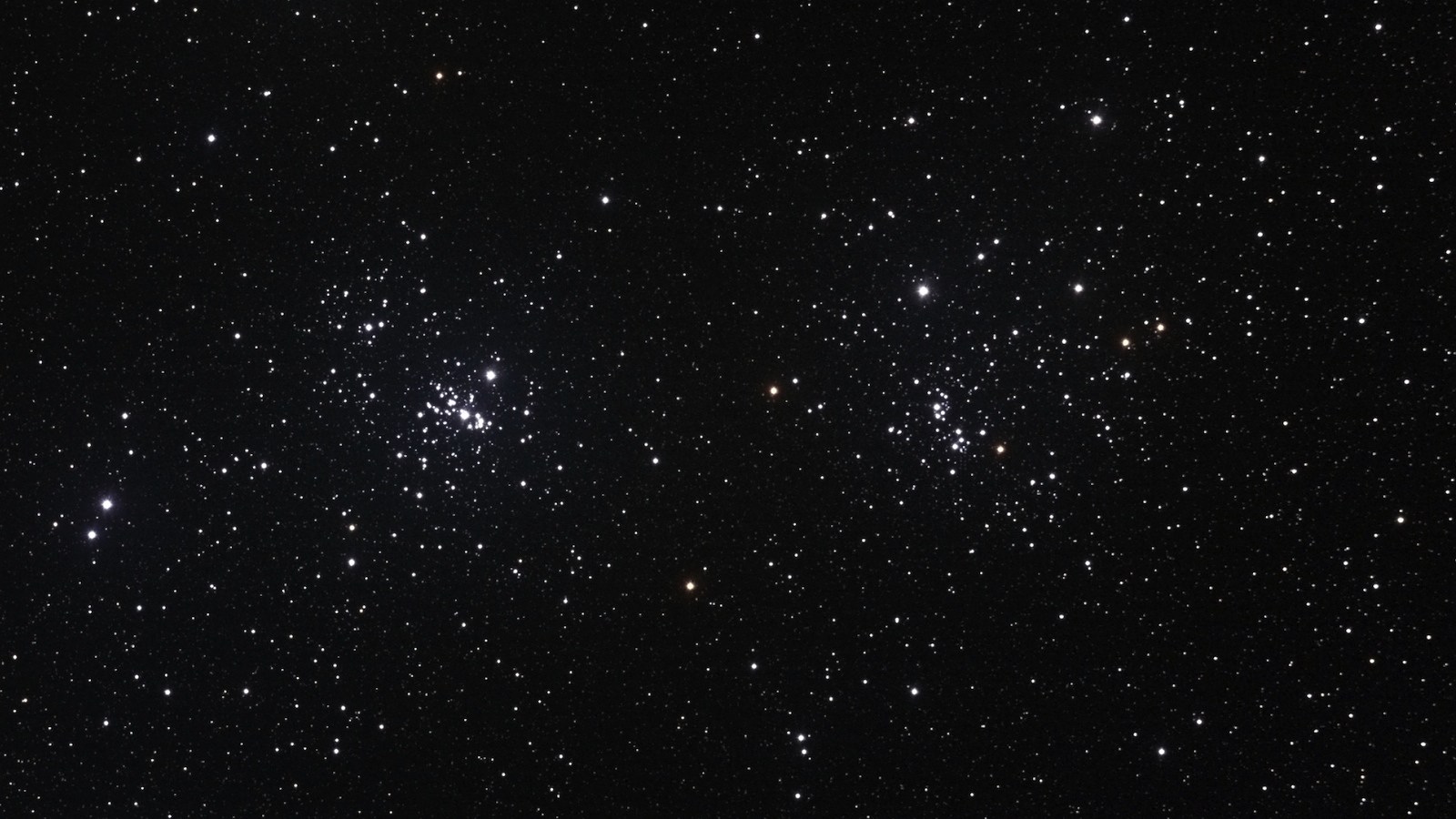
In comparison to other stars in the sky, the Sun appears brighter because it is ...
hotter
larger
older
closer
Where is the energy for the Sun created?
in the Sun's atmosphere
in the convection zone
in the hot zone
in the core
The outermost layer of the sun, which can only be seen during a solar eclipse, is the ...
Hot zone
Chromosphere
Corona
Phtosphere
A Planet is...
chunk of rock that orbits the sun in a belt between Mars and Jupiter
chunk of ice and rock that has an elliptical orbit around the sun
huge ball of very hot matter that gives off energy
large body of matter that travels around the sun
A Moon is...
satellite made of rock and ice that orbits a planet
chunk of rock that orbits the sun in a belt between Mars and Jupiter
chunk of ice and rock that has an elliptical orbit around the sun
huge ball of very hot matter that gives off energy
Which of the following is an example of a star?
Earth's sun
Earth's moon
comet
asteroid
What are two factors that affect how bright a star appears in the night sky?
Temperature and Distance
Temperature and Color
Color and Distance
Age and Temperature
How does Earth’s moon affect our planet?
The moon helps by giving off light so we can see in the dark.
The moon helps give us gravity.
The Earth could not orbit the sun without the moon.
The moon helps to stabilize the wobbling motion that takes place as Earth rotates around its axis.
When we look at the sun our eyes thinks this layer of the sun is solid.
Sun Flare
Sun Spot
Corona
Photosphere
All planets in our solar system are the same size.
true
false
Name the star closest to Earth.
Polaris
Sun
Vega
Alpha Centauri
Which is closer to Earth, Alpha Centauri or Proxima Centauri?
Alpha Centauri
Proxima Centauri
We measure the distance between stars in
Cm
Meter
Light years
Kilograms
What is the inner temperature of the Sun?
15,000,000 degrees Celsius
5, 479 degrees Celsius
41, 712 degrees Celsius
15,000,000,000 degrees Celsius
The temperature of the sun's core is.................................. degree Celsius.
10 million
20 thousand
15 million
2.5 million
The distance of Proxima Centauri star is about...........................light years from Earth.
5
4.2
80
19
...................... is a curved path of the planets and moons rotation.
Earth
satellite
sun
orbit
Which of the following is the Sun's closest neighboring star?
Alpha Centauri A
Alpha Centauri B
Proxima Centauri
Alpha Centauri C
Which is the nearest planet to sun?
Jupiter
Earth
Mercury
Venus
Which planet has living organisms?
Earth
Mercury
Venus
Ceres
Which planet is the hottest in the solar system?
Mars
Mercury
Venus
Neptune
One of this is called the blue planet.
Earth
Neptune
Uranus
Polaris
A planet has very thick atmosphere.
Which four planets are inner planets?
Saturn
Venus
Mars
Earth
Mercury

Which number on the diagram represents Earth?
1
2
3
4

Based on the image, which planets is the smallest in the solar system?
Mercury
Venus
Earth
Mars

Why are inner planets hotter than outer planets?
They have hot cores.
They are closer to the sun
they are farther from the sun
They are stars
How many moons do the inner planets have in total?
0
3
6
18

Planet #1 is ...
Mars
Earth
Venus
Mercury
Planet #2 is ...
Mars
Venus
Earth
Mercury
Planet #3 is ...
Mars
Venus
Earth
Mercury
Planet #4 is ...
Mars
Venus
Earth
Mercury
Which planet has the longest light year?
Mars
Venus
Earth
Mercury
Which planet has two moons?
Mars
Venus
Earth
Mercury
Which planet has an atmosphere that allows life?
Mars
Venus
Earth
Mercury
Which planet is the hottest?
Mars
Venus
Earth
Mercury
Which planet has the thinnest atmosphere?
Mars
Venus
Earth
Mercury

Which planet is named the Red Planet?
Mercury
Venus
Earth
Mars

Which is the smallest planet in our solar system?
Mars
Venus
Earth
Mercury

________is made up of a star and the planets and other space objects that revolve around it.
star
sun
solar system
asteriod
________is a large, round body that rotates around a star.
plant
planet
star
sun

The diagram shows an example of____?
muscular system
water system
solar system
skeletal system

What is a common characteristic of the inner planets?
farthest from the sun
gas giant
closest to the sun
coldest planet

Why are all the planets round in the solar system?
They are not round.
The planets spin and that makes them round.
The planets are round because of gravity.
The planets are round because they orbit the sun.
Which statement explaining the relationship between stars and planets is true?
the sizes of the planets are same to the sizes of nearby stars
planets create light
planets orbit the sun
D. stars orbit some moon
Why do planets orbit around the sun?
Because the Gravitational Pull. and they are smaller than the sun
Because they cold and want to be warm
The planets don't actually orbit around the sun
Planets are attracted to the radiation from the sun, but they will pull away without the radiation.

How many moons does Earth have?
1
2
3
4
The number of inner planets is................
three.
four.
five.
nine.
Scientists now accept eight planets as being part of our Solar System. What property do all of these planets share that makes them part of the Solar System?
They are all the same size.
They all orbit the Sun like Earth does.
They are all covered mostly by oceans.
They all have plant and animals living on them.
Which statement about the Sun is correct
A. The Sun is the closest star to Earth.
B. The Sun is smaller than most planets.
C. The Sun is made of rock, minerals, and hot gases.
D. The Sun has a surface temperature similar to Jupiter.
Which statement best compares the Sun to Earth?
They are similar in size, and Earth revolves around the Sun.
They are similar in size, and the Sun revolves around Earth.
The Sun is much larger, and Earth rotates around the Sun.
The Sun is much larger, and the Sun revolves around Earth
How many planets are there in our Solar System?
7
8
6
9
..............................is a process of moving of water on Earth.
water cycle
precipitation
evaporation
condensation
what are the layers of the sun?
convective zone
radiative zone
chromosphere
core
which layers of the sun carry the sun's energy to the surface?
convective zone
radiative zone
core
photosphere
what can provide energy for the Earth?
sun
moon
solar system
Mars
...........................is the closest star to the sun.
proxima centauri star
moon
Alpha centauri B
Alpha Centauri A
...........................................is the force pulls the solar system planets toward the sun.
Earth's gravitational force
sun's gravitational force
moon's gravitational force
Planet's gravitational force
........................................... stabilizes the Earth rotation around its axis.
Earth's gravitational force
moon's gravitational force
sun's gravitational force
planet's gravitational force
Sun makes more than....................% of the mass of the solar system.
99
80
10
70
Earth takes 365 days to orbit the sun.
true
false
....................................is the explosion of the sun's particles.
solar flare
solar energy
solar system
solar eclipse
Moon takes 27 days to orbit the Earth.
true
false
scientists used........................to measure the distance of stars in the space.
light year
meter
milliliter
kilograms

