
Font size
 Worksheets
a&p session V, VI quiz
Total questions: 46
Worksheet time: 24mins

Identify the following bone and whether it is the posterior or anterior side:
sacrum, posterior
ilium, anterior
coccyx, anterior
sacrum, anterior
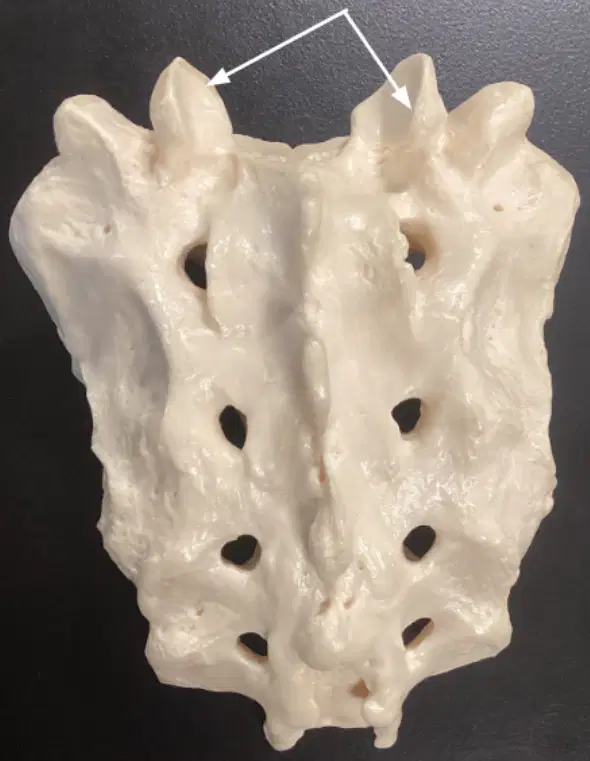
Identify the bone marking and what does it articulate with
ala of the sacrum; articulates with the fifth lumbar vertebra
auricular surface of the sacrum; articulates with the fifth thoracic vertebra
superior articular facets of the sacrum; articulates with the fifth lumbar vertebra
sacral promontory; articulates with the fifth lumbar vertebra
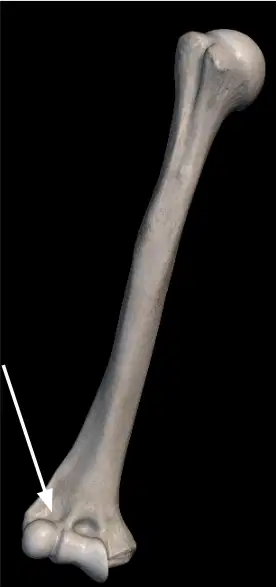
Identify the bone marking
coronoid fossa of the humerus
radial fossa of the humerus
radial fossa of the radius
olecranon process of the humerus
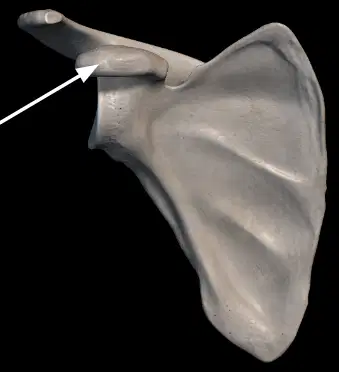
Identify the bone marking
coronoid process of the scapula
coracoid process of the scapula
spine of the scapula
suprascapular notch of the scapula
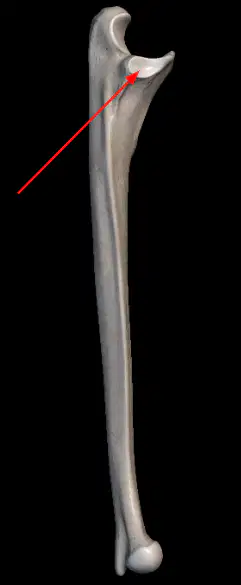
Identify the bone and the bone marking
radius; radial notch
ulna; radial notch
ulna; radial fossa
radius; trochlear notch
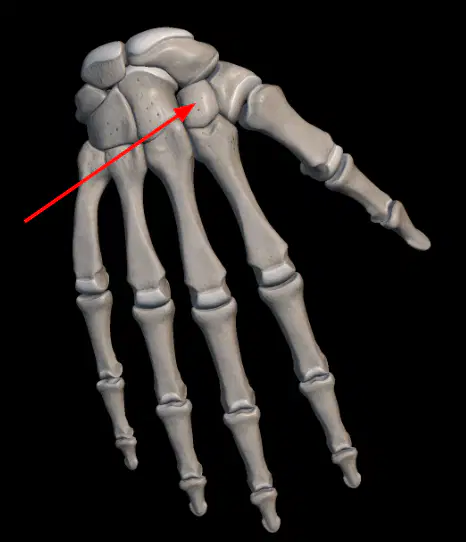
Identify the bone
trapezoid
lunate
hamate
pisiform
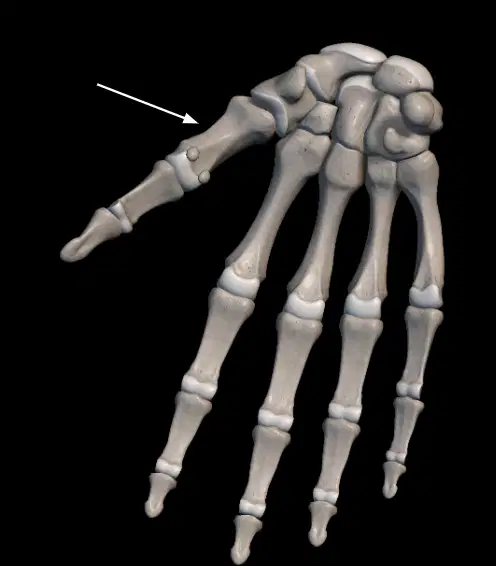
Identify the bone
proximal phalanx of the 1st digit of the hand
metacarpal one of the first digit of the hand
distal phalanx of the 5th digit of the hand
proximal phalanx of the 5th digit of the hand
The radius is on the ______side of the forearm and the ulna is on the ____ side of the forearm
lateral ; medial
medial ; lateral
superior; inferior
anterior; posterior

Identify the carpal bone:
lunate
pisciform
scaphoid
hammate
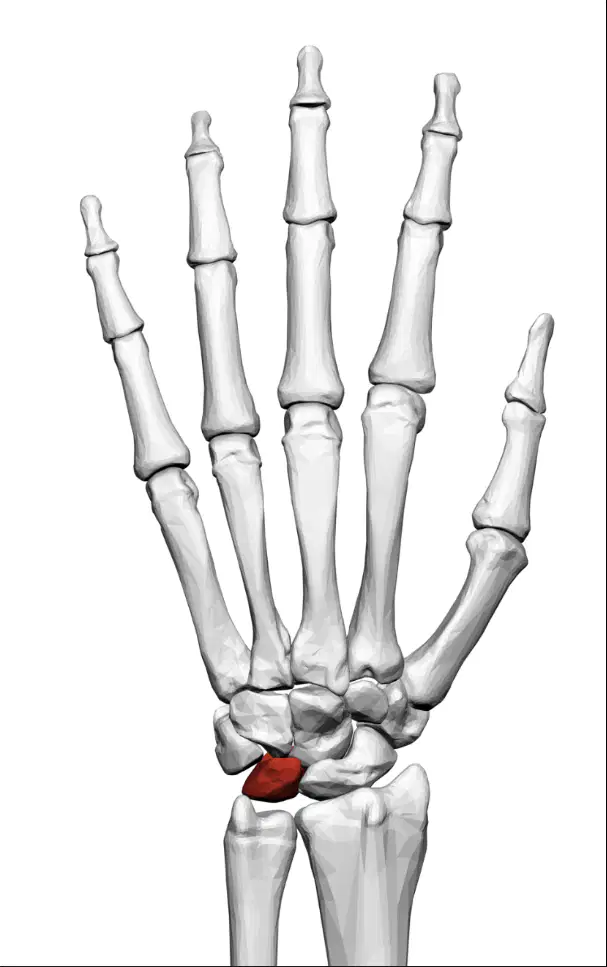
Identify the following carpal bone:
trochlea
lunate
triquetrium
capitate

The following vertebrae belongs to the _________ section of the spinal cord
cervical
sacral
lumbar
thoracic
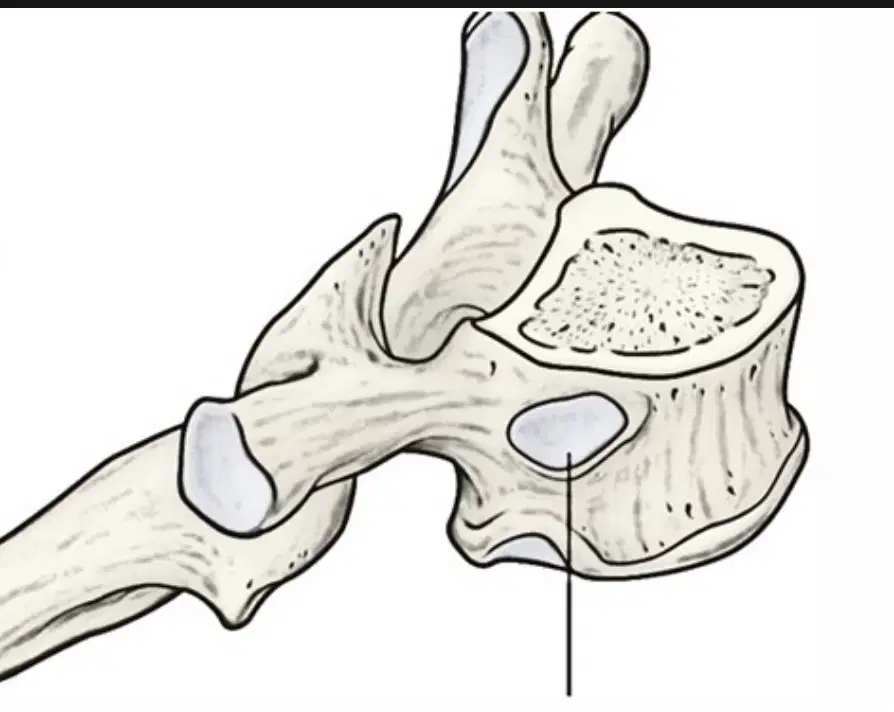
The black arrow is denoting the _____________ which is characteristic of __________ vertebrae
transverse costal facet, thoracic vertebrae
superior costal facet, cervical vertebrae
superior costal facet, thoracic vertebrae
transverse costal facet, lumbar vertebrae
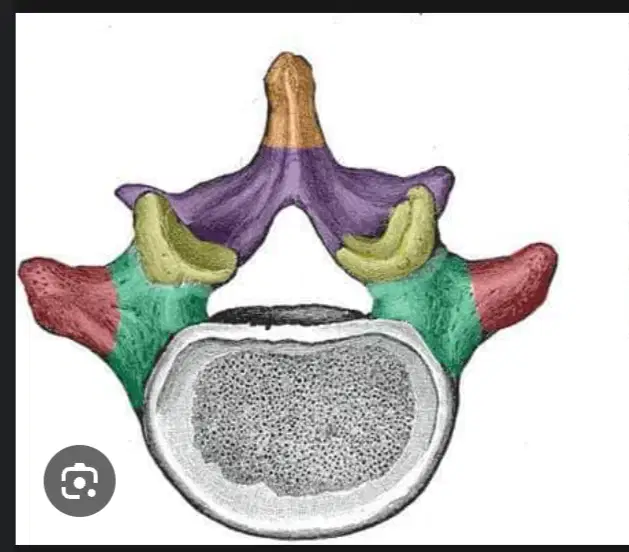
The purple aspect in present on all vertebrae except C1 (cervical, thoracic and lumbar) and is known as the
pedicle
lamina
anterior arch
spinous process
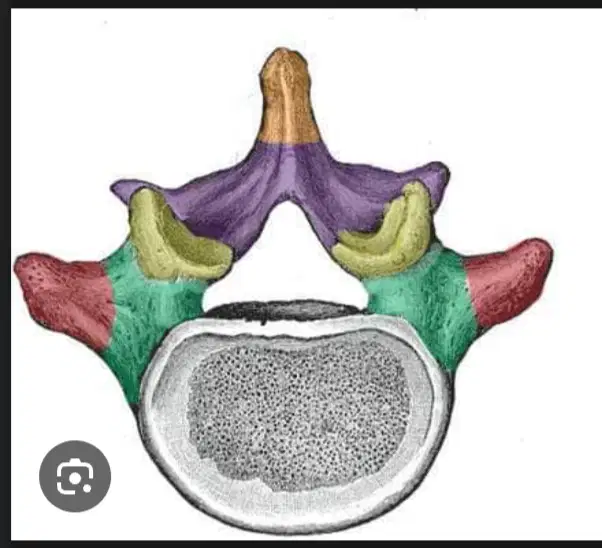
The green section of the vertebra, found in all vertebrae except C1, is known as the:
spinous process
body
lamina
pedicle
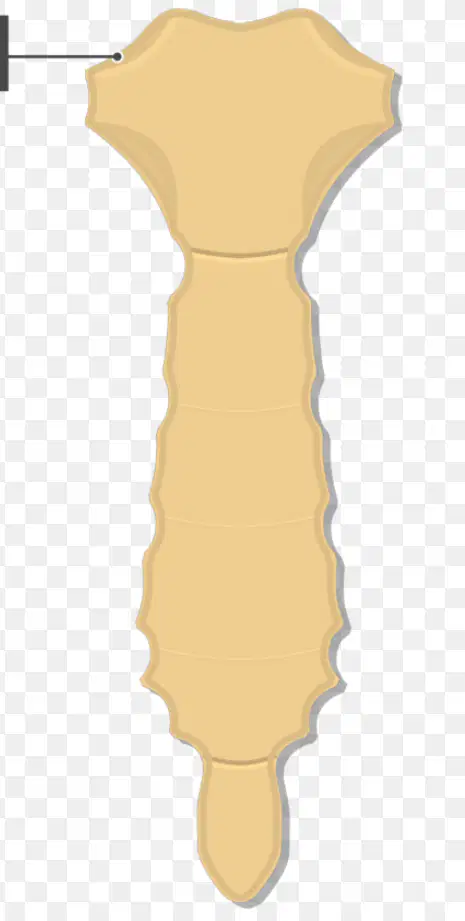
The black arrow is pointing to what structure
jugular notch of manubrium of sternum
clavicular notch of body of sternum
clavicular notch of manubrium of sternum
xiphoid process
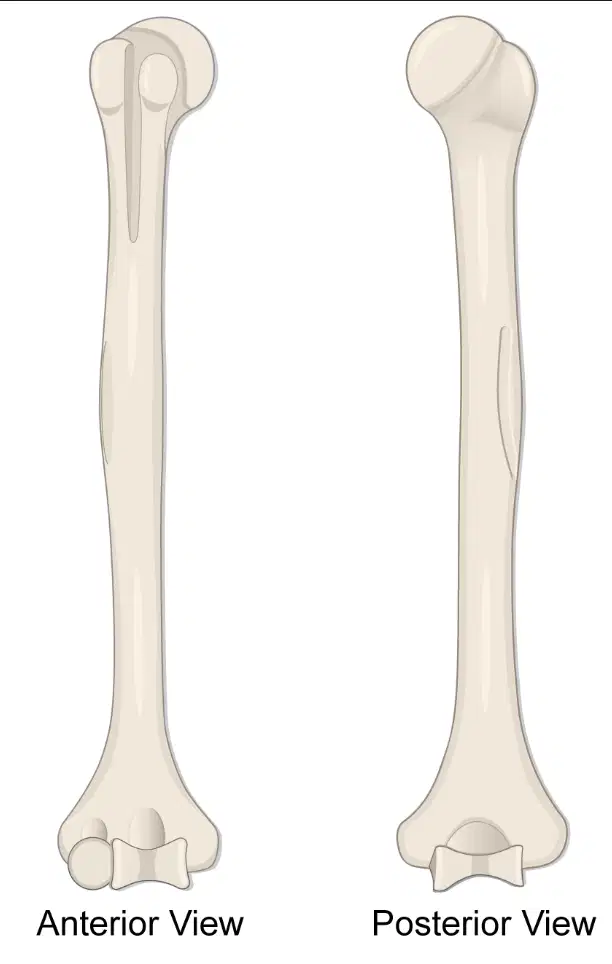
Identify the bone and whether it is a right or left bone
femur; left
femur; right
humerus; left
humerus; right
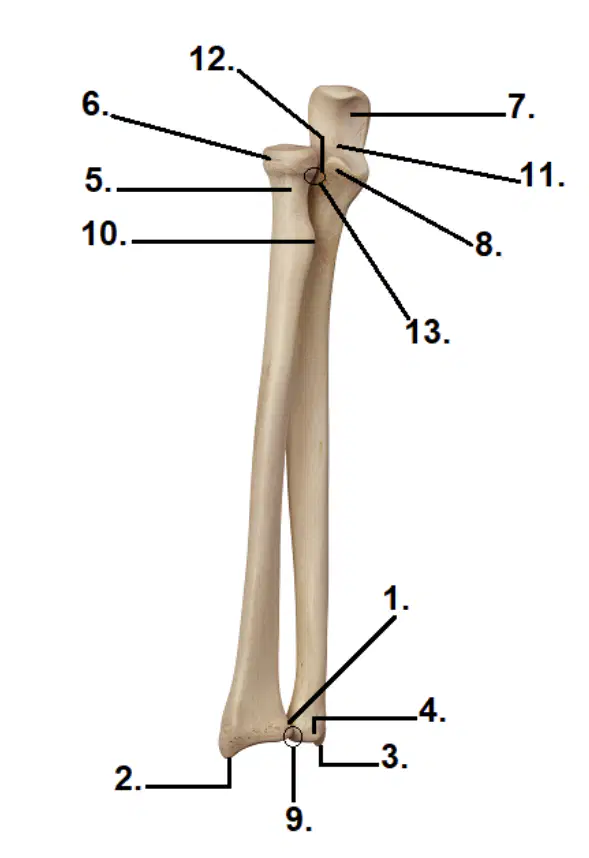
Identify bone marking number 2 and identify if these are left or right bones
styloid process of ulna
radial tuberosity
styloid process of radius
left bones
right bones
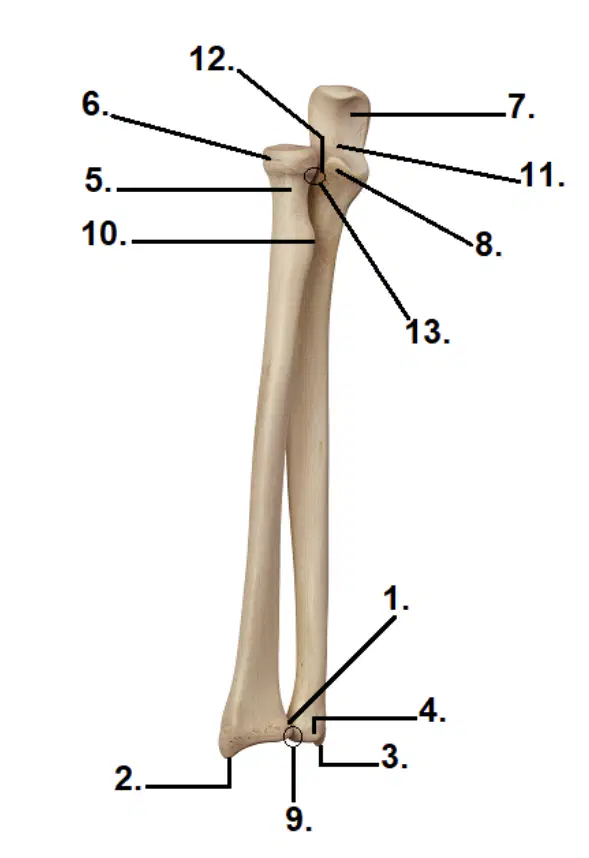
Identify marking 8 and what it articulates with
coronoid process of ulna; radial fossa of humerus
trochlear process of ulna; radial fossa of humerus
olecranon process of ulna; coronoid fossa of humerus
coronoid process of ulna; coronoid process of ulna

Identify the bone marking in green; is this a left or right bone?
left bone
radial head
radial neck
radial tuberosity
right bone
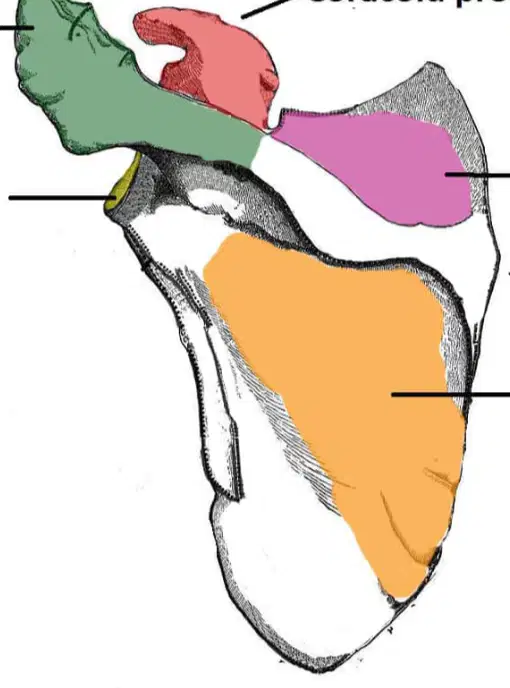
Identify the bone marking in green and identify a bone of the axial skeleton that it articulates with
supraspinatus process
coracoid process
acromial process
clavicle
manubrium
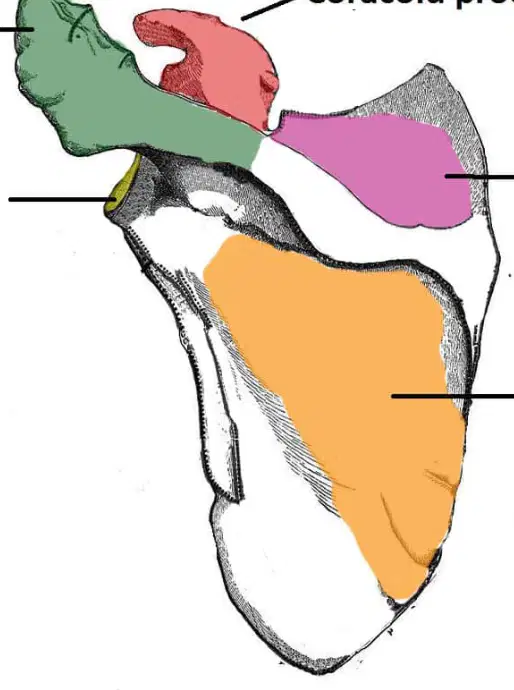
Identify the bone marking in orange:
infraspinous fossa
supraspinous fossa
spine
medial crest
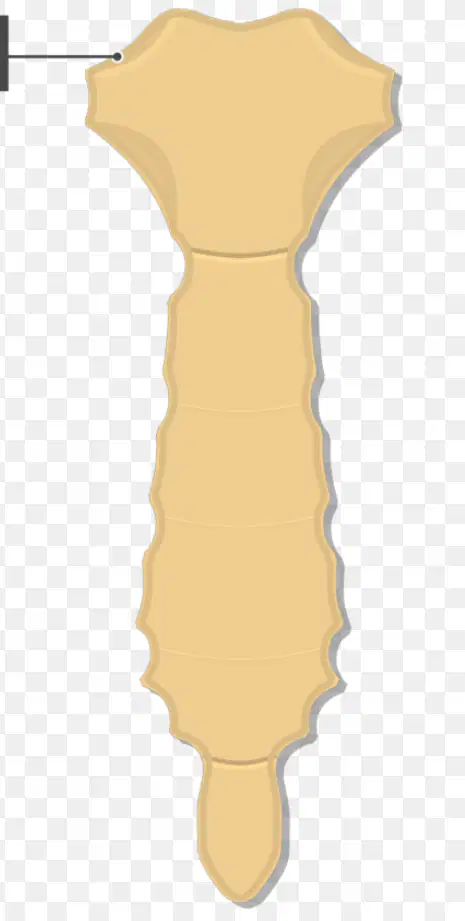
The very bottom of the three fused bones that makes up the sternum is called:
xiphoid cartilage
xiphoid process
manubrium
clavicular cartilage
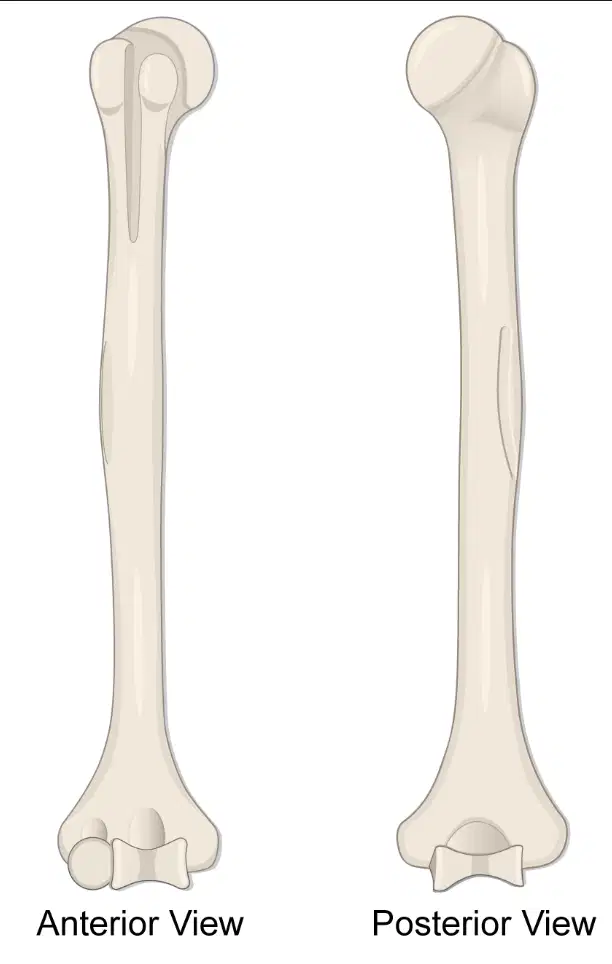
Which bone marking of this bone articulates with the the radial head of the radius?
capitate
radial fossa
coronoid fossa
trochlear fossa
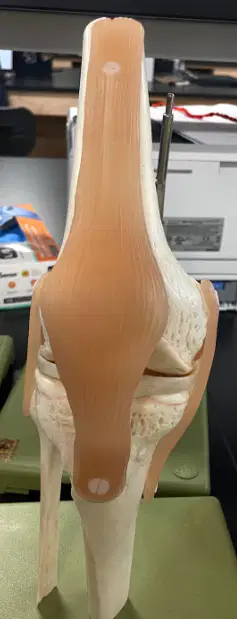
What is the functional classification of this joint?
diarthrosis
synarthrosis
amphiarthrosis
syndesmosis
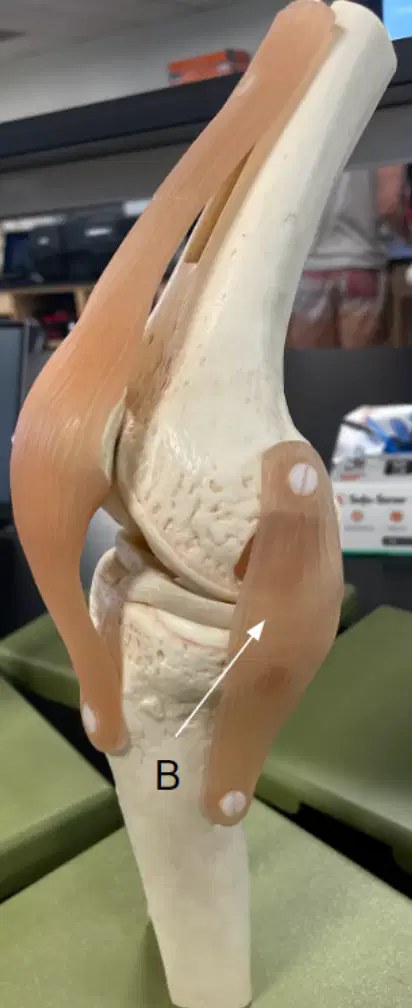
Identify B
Tibial collateral ligament
tibial joint
fibular collateral ligament
anterior cruciate ligament
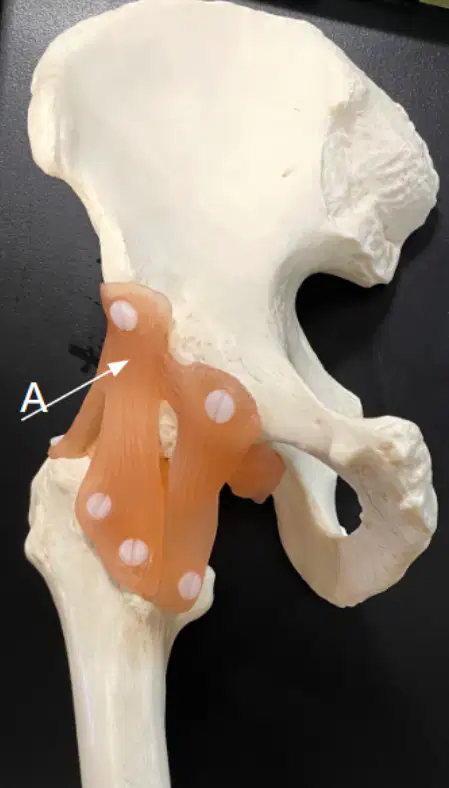
Identify A
ischiofemoral ligament
pubofemoral ligament
iliofemoral ligament
ligamentum teres
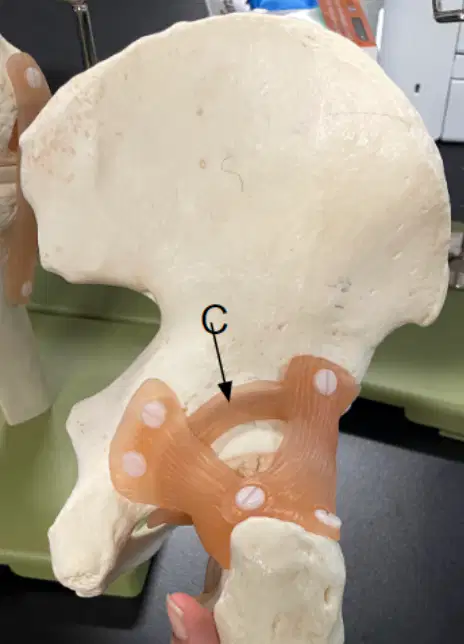
Identify C
annular ligament
ischiofemoral ligament
ligamentum teres
transverse acetabular ligament
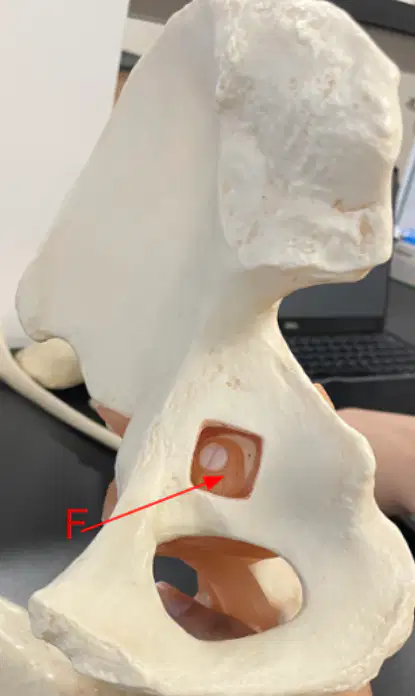
Identify F
pubofemoral ligament
ischiofemoral ligament
ligamentum teres
annular ligament
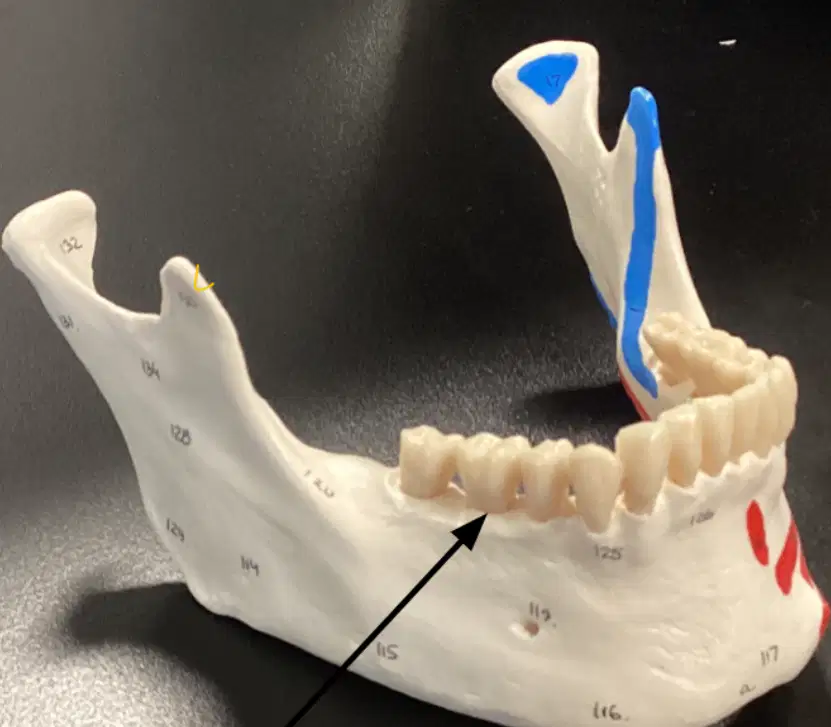
Identify the structural classification of the joint at the arrow
cartilaginous joint (synchondrosis)
fibrous joint (gomphosis)
cartilaginous joint (symphysis)
fibrous joint (suture)
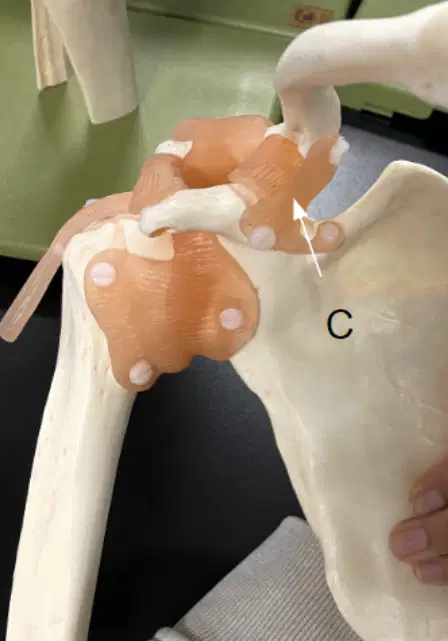
Identify C
acromioclavicular ligament
coracohumeral liagment
coracoclavicular ligament
glenohumeral ligament
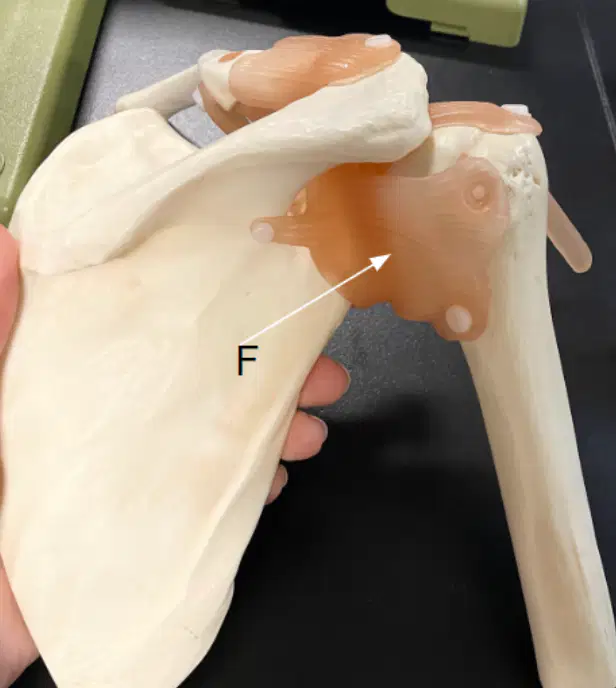
Identify F
glenohumeral ligament
coracohumeral ligament
acromioclavicular ligament
coracoacromial ligament

What ligament is this?
ulnar collateral ligament
radial collateral ligament
annular ligament
posterior cruciate ligament

What ligament is this?
tibial collateral ligament
fibular collateral ligament
anterior cruciate liagment
posterior cruciate ligament

What ligament is this?
anterior cruciate ligament
posterior cruciate ligament
patellar ligament
medial meniscus

What ligament is this?
radial collateral ligament
ulnar collateral ligament
annular ligament
conoid ligament
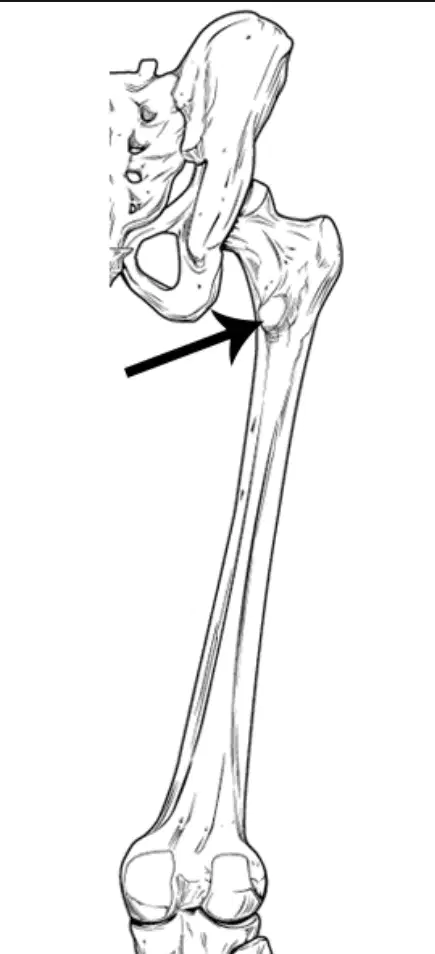
The arrow is pointing to which of the following bone markings:
greater trochanter
intertrochanteric crest
lesser trochanter
lesser tuberosity
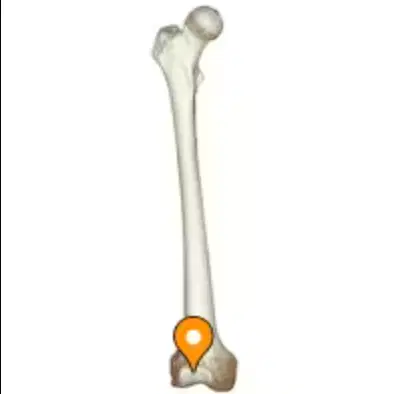
The structure at the orange arrow is:
medial epicondyle
patellar surface
patellar fossa
lateral condyle
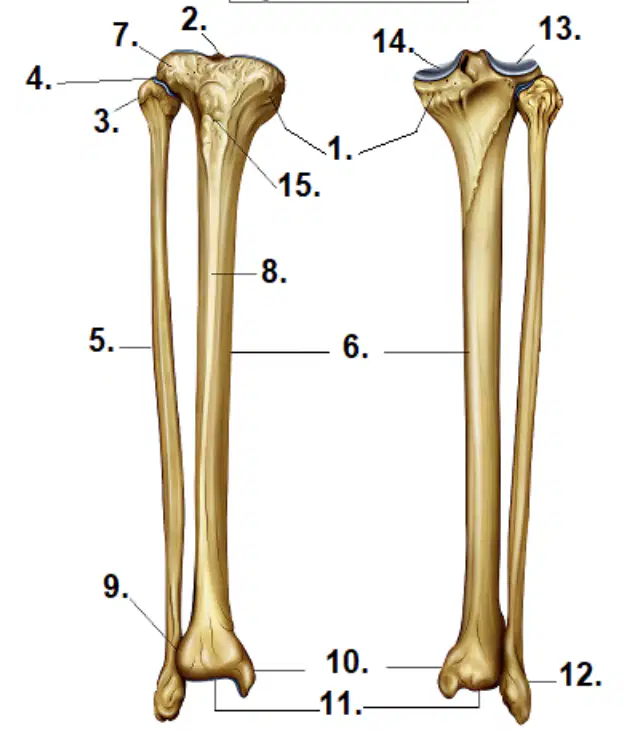
The protuberance between number 13 and 14 is called:
medial eminence
medial protuberance
medial ridge
articular surface of superior tibia
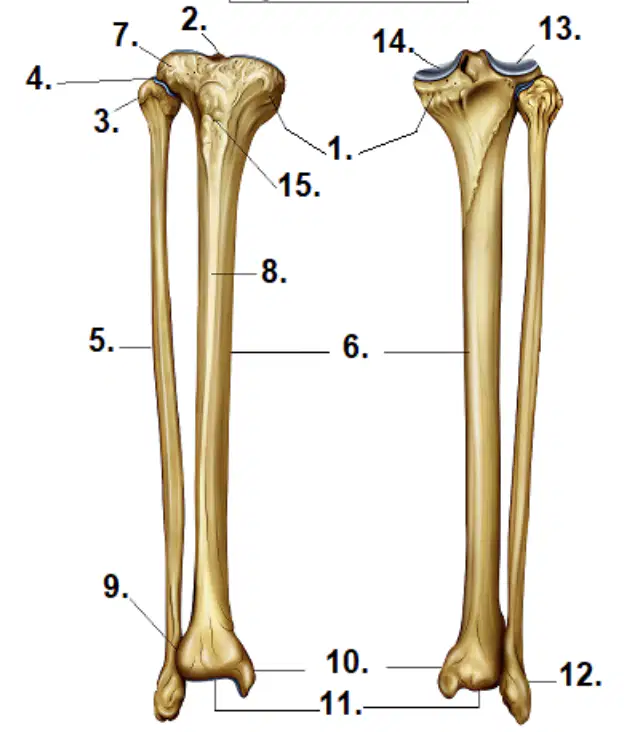
What does marking number 11 articulate with?
talus
navicular
cuboid
cuneiform bones
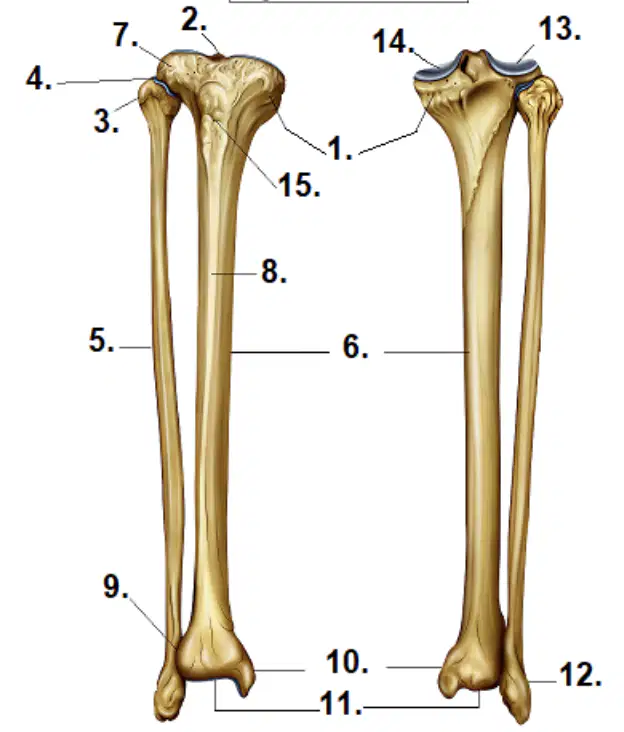
Identify bone marking 15
tibial protuberance
tibial tuberosity
fibular tuberosity
head of tibia
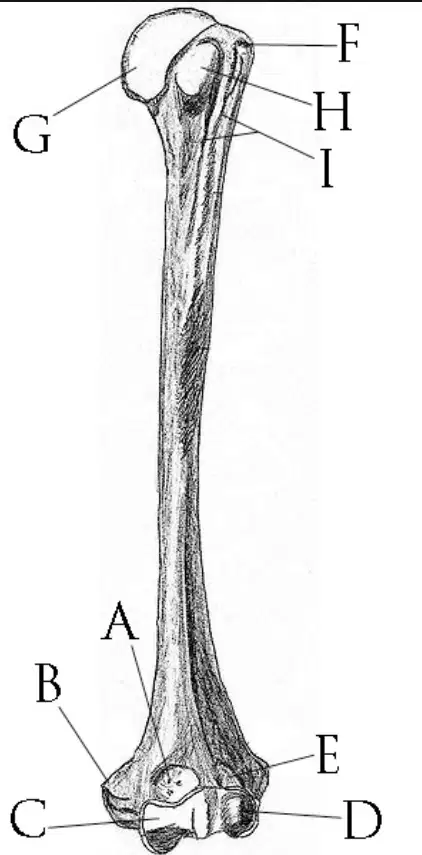
Identify marking C and what it articulates with
trochlea; radial head
trochlea; trochlear notch of ulna
capitate; radial head
capitate; olecranon process
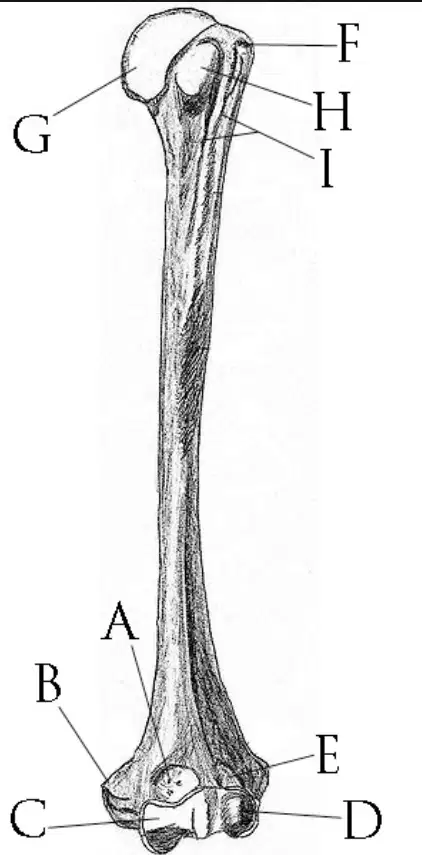
Identify bone marking I:
linea aspera
superior intertubercular line
intertubercular sulcus
tubercular fossa
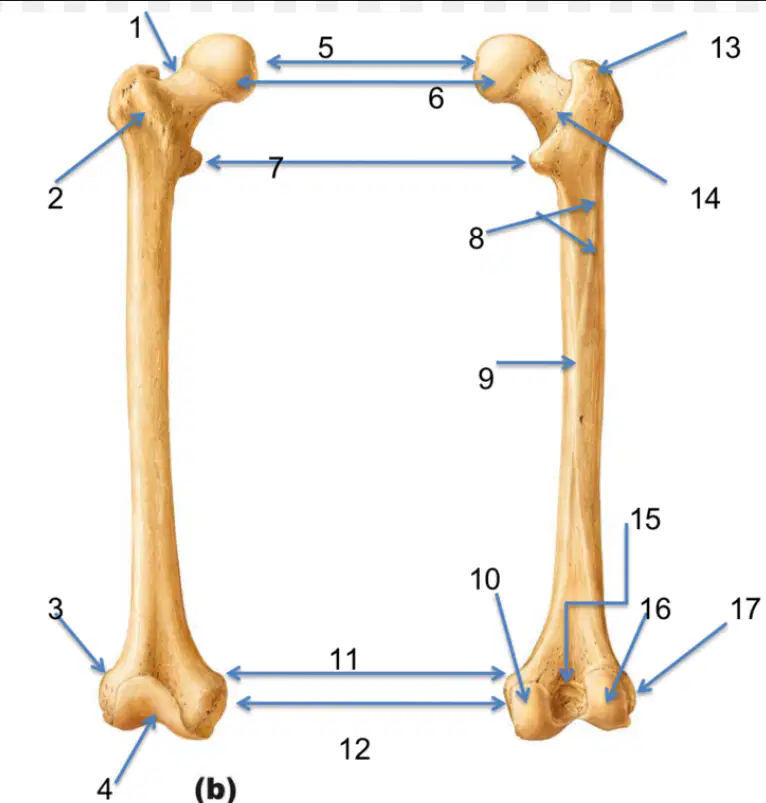
Identify bone marking 7
greater trochanter
lesser trochanter
inferior intertrochanteric line
inferior intertrochanteric crest
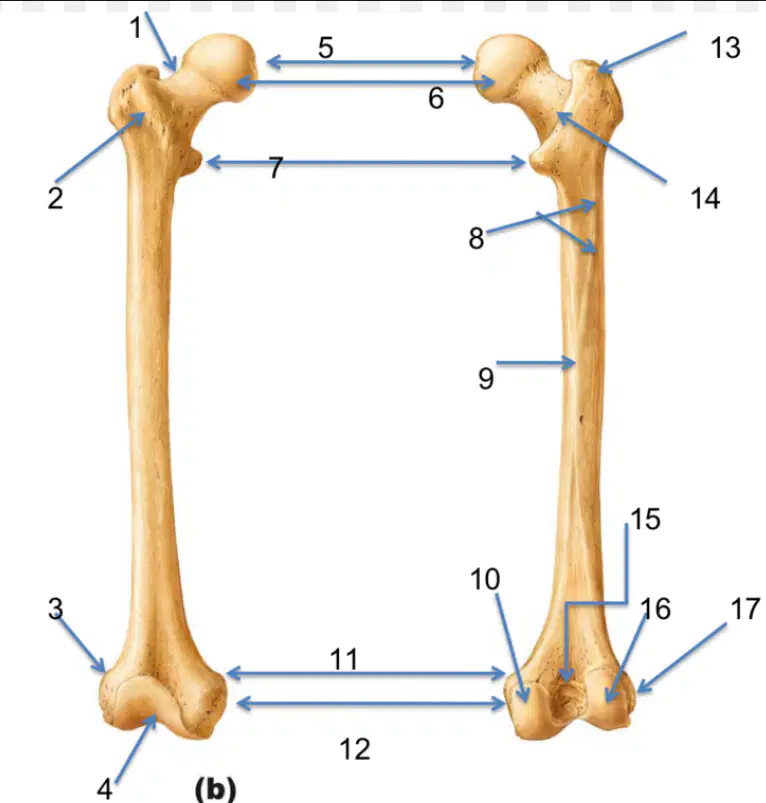
What is bone marking 12?
medial supracondylar ridge
lateral supracondylar ridge
medial epicondyle
lateral epicondyle
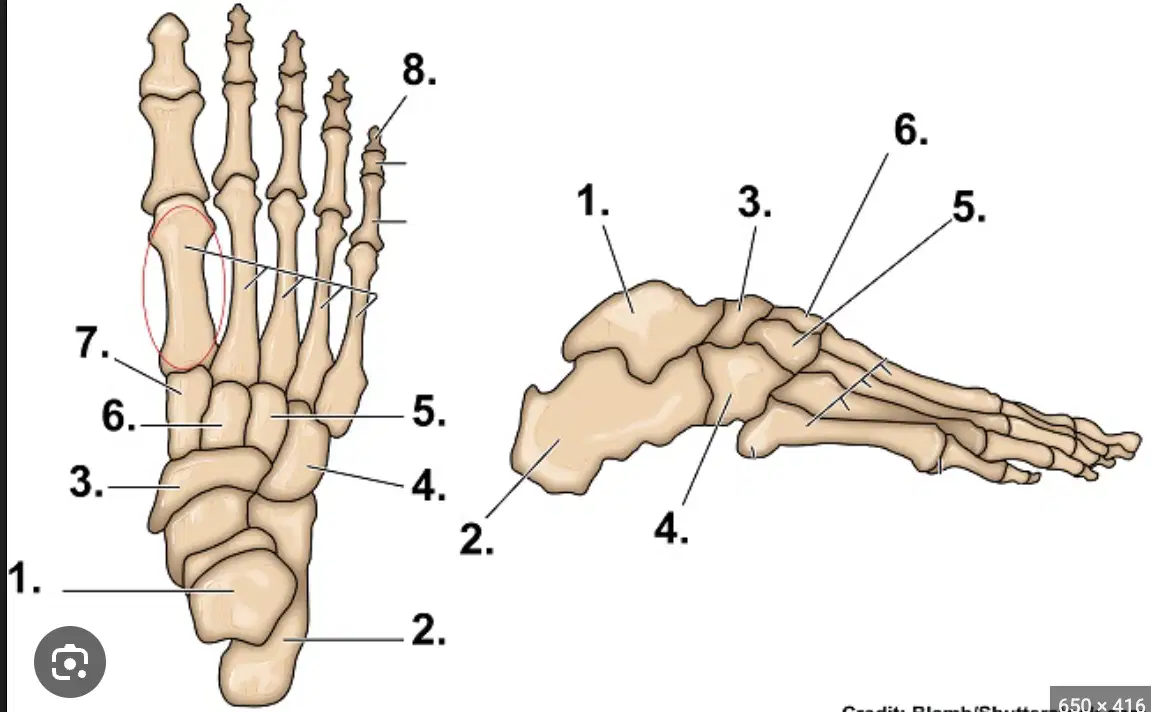
Identify bone 4
navicular
calcaneal
talus
cuboid
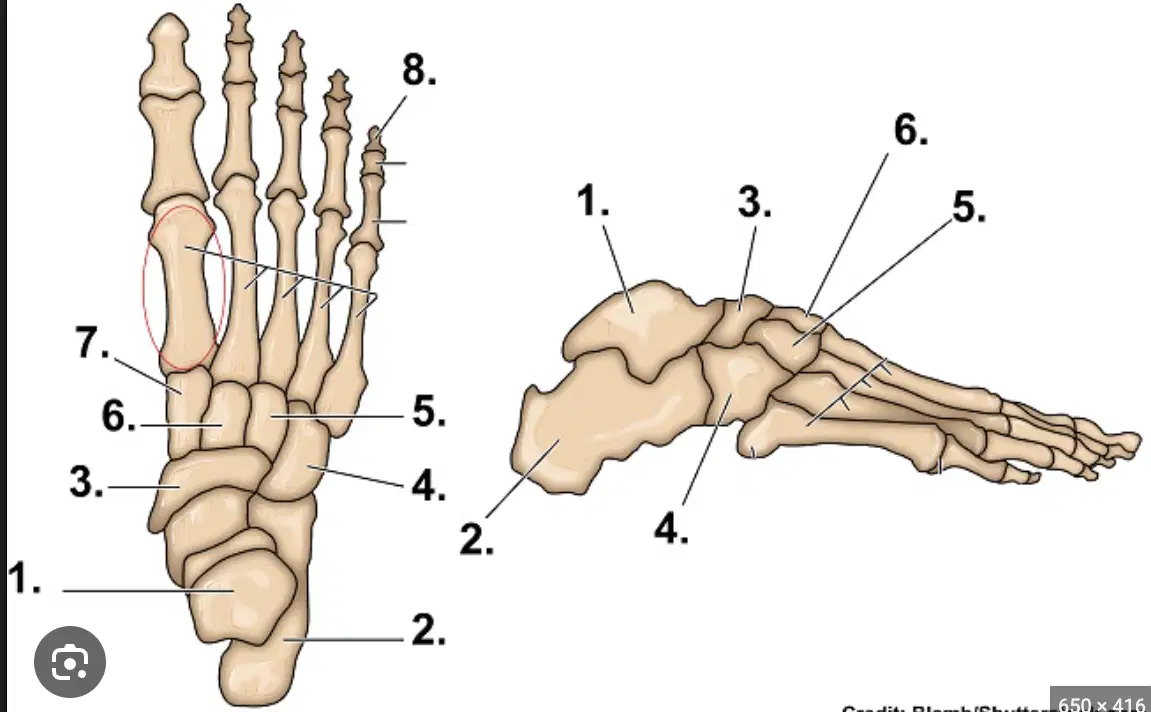
Identify bone 2
calcaneus
talus
navicular
cuboid

