
 Worksheets
Bio Benchmark 1 Review
Total questions: 85
Worksheet time: 2hrs 15mins
What is the role of mRNA
Carry an amino acid to the ribosome
Copy the instructions from DNA and carry it out of the nucleus
Make up the ribosomes
Where does Transcription occur
Nucleus
Ribosome
ER
Mitochondria
Where does Translation occur?
Nucleus
Ribosome
ER
Chloroplast
What is the end product of translation?
mRNA that can leave the nucleus
Amino acid chain
monosaccharide chain
Anticodon
Cytosine always pairs with...
thymine
cytosine
guanine
adenine
Guanine always pairs with...
thymine
cytosine
guanine
adenine
Where is Eukaryotic DNA generally located?
In the cytoplasm
In the nucleus
In space
In eukaryotic cells, DNA replication and transcription happen in the nucleus. Prokaryotic cells do not have a nucleus, therefore DNA replication and transcription take place in the ______________.
cytoplasm
ribosome
nucleus
endoplasmic reticulum

What do organisms have in common?
DNA sequence made of A,C,T,G
DNA sequence is in the same order
DNA sequence between organisms have nothing in common
DNA sequence made of A,U,C,T,G
Bacteria DNA looks the same as human DNA structurally speaking
True
False

This image is a snapshot of DNA from a ___________.
human
tree
banana
living organism. All living organisms have the smae basic DNA structure.
Select all that are products of Photosynthesis.
Water
Carbon Dioxide
Oxygen
Sunlight (Light Energy)
Glucose (Sugar/food)
Exit: Carbon dioxide
Exit: Glucose
Exit: Oxygen
Exit: Water vapor

How does most of the water needed by the plant get into its leaves?
It enters through the stomata
The roots absorb it and then it travels up the stem
It's made during a chemical reaction in the leaf
The flowers capture water and deliver it to the leaves

Which organelle is responsible making food (Glucose) using sunlight?
Cell Membrane
Nucleus
Chloroplast
Mitochondria
Which of the following is the correct equation for PHOTOSYNTHESIS?
light + carbon dioxide + water --> glucose + oxygen
carbon dioxide + sugar + water --> oxygen + light
oxygen + light + water --> carbon dioxide + sugar
carbon dioxide + oxygen + water --> Light+ Sugar
What is the source of energy for plants to make food?
other plants
the sun
the moon
animals
What is the food that plants make called?
glucose
oxygen
leaves
carbon dioxide
Glucose is a kind of --
meat
air
sugar
leaf
Which shows the REACTANTS for photosynthesis?
oxygen & carbon dioxide
dirt & oxygen
water & carbon dioxide
carbon dioxide & leaves
Which gas do plants release during photosynthesis?
oxygen
carbon
helium
carbon dioxide
What are the PRODUCTS of photosynthesis?
oxygen & glucose
carbon dioxide & oxygen
glucose & carbon dioxide
glucose only
How are plants beneficial to animals?
they eat harmful animals
they provide oxygen & food for animals
they provide carbon dioxide for animals
they produce glucose for animals to eat

What needs to be placed where the X is in the formula?
oxygen
glucose
carbon
sunlight

What are the three reactants of photosynthesis?
Glucose, Oxygen, Sunlight
CO2, Oxygen, Sunlight
CO2, Water, Sunlight
Oxygen, Water, Sunlight
Which of the following is NOT a product of the light reactions?
Oxygen
NADPH
ATP
Glucose (Sugar)

In green plants, the primary function of the Calvin cycle is to
Use ATP to release carbon
Split water to release oxygen.
Construct sugar from carbon dioxide.
Use NADPH to release carbon
What is one of the three products of cellular respiration?
nitrogen
oxygen
glucose
ATP
The process that releases energy from food in the presence of oxygen is--
synthesis
cellular respiration
ATP synthase
photosynthesis

According to the graph, what happens when the temperature increases?
respiration rate decreases
respiration rate increases
respiration rate levels off
respiration rate increases then decreases
What is the best definition for cellular respiration?
A process in which glucose is broken down to be used for energy.
A process in which Carbon Dioxide is used to break down Glucose.
The process in which animals make their own energy.
Which of the following is the symbol for Glucose?
O2
CO2
H20
C6 H12 O6
Which of the following is a reactant Cellular Respiration?
Sunlight
CO2
H20
C6 H12 O6
Which of the following is a reactant Cellular Respiration?
Oxygen
Carbon Dioxide
Water
Sunlight

What type of respiration requires oxygen?
Aerobic
Anaerobic

Cellular Respiration's goal is to
make water
make ATP
make glucose
make oxygen

What is the correct equation for cellular respiration?
6O2 + C6H12O6 -> 6CO2 + 6H2O + Energy
6O2 + C6H12O6 + Energy -> 6CO2 + 6H2O
6CO2 + 6H2O -> 6O2 + C6H12O6 + Energy
6CO2 + 6H2O + Energy -> 6O2 + C6H12O6

Which of the following structure is where cellular respiration (Kreb's Cycle and Electron Transport Chain) occurs in the cell?
nucleus
cytoplasm
mitochondria
vacuoles

Match the letter in the diagram to its correct label.
A
Sunlight
B
Carbon Dioxide
C
Glucose
D
Water
E
Oxygen
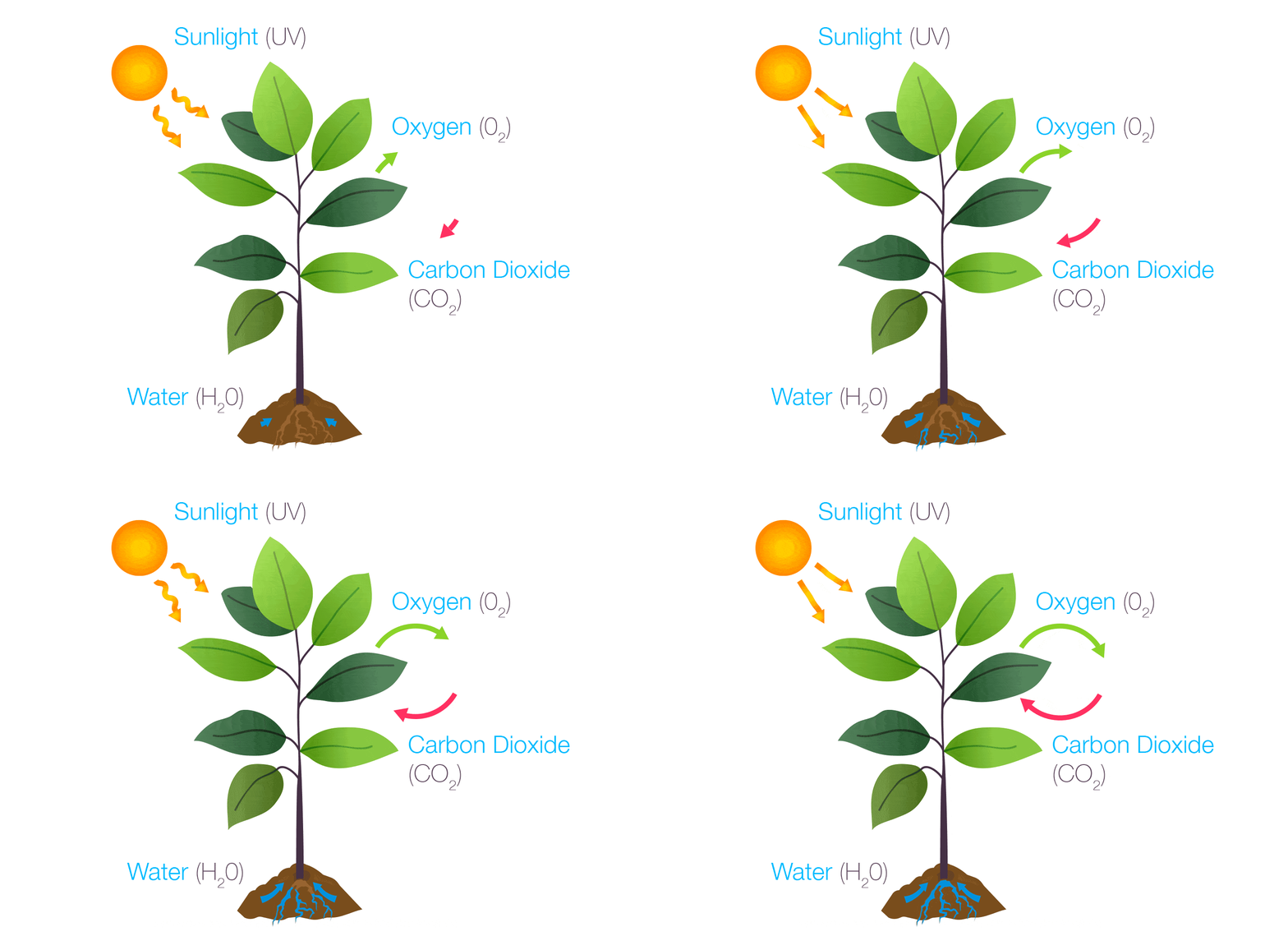
What is one reactant that heterotrophs (like us humans) breathe out that plants use?
a camera and tripod
CO2 carbon dioxide
roots, flowers, and bees
glucose C6H12O6
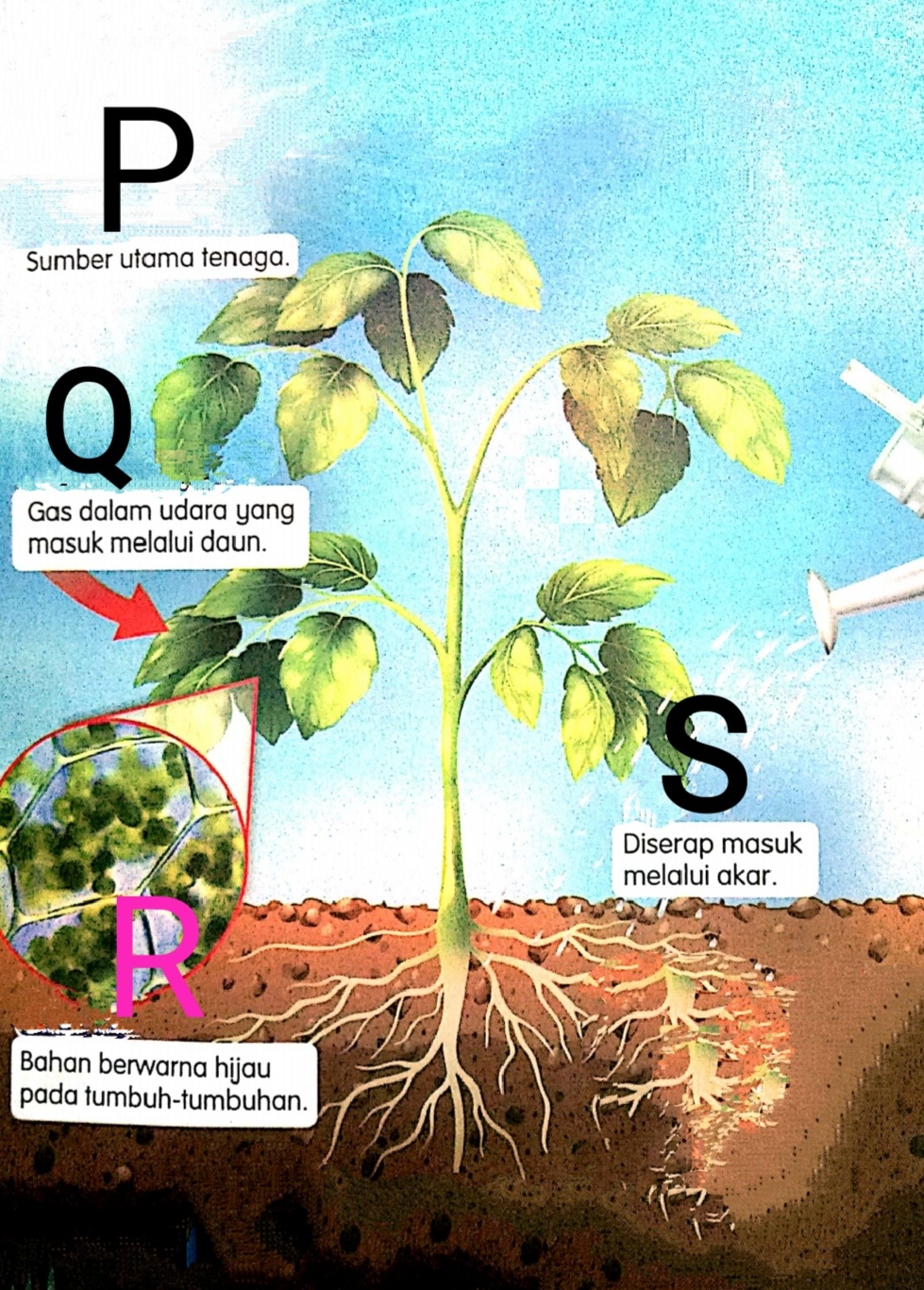
Based on the picture, what is Q?
Water
Carbon dioxide
Chlorophyll
Sunlight
What part of the plant soaks up water for photosynthesis?
roots
petals
leaf
stem
What is the formula for cellular respiration?
6CO2+6H2O+Light Energy-->C6H12O6+6O2
6CO2+6H2O+ATP-->C6H12O6+6O2
C6H12O6+6O2-->6CO2+6H2O+Light Energy
C6H12O6+6O2-->6CO2+6H2O+ATP
True or False: Cellular Respiration is a chemical reaction.
True
False
True or False?: Cellular respiration ONLY occurs in animal cells.
True
False
True or False?: The products of photosynthesis are the reactants for cellular respiration.
True
False
The process that releases energy (ATP) by breaking down glucose. (converts food molecules (glucose) into a form usable (ATP) by the organism)
Cellular Respiration
Photosynthesis
Which of the following organisms use cellular respiration for life and growth?
Plants only
Animals only
Plants and Animals
Bacteria only

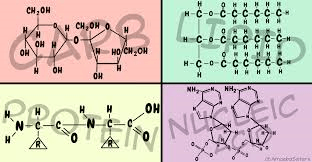
What type of biomolecule contains carbon, hydrogen, oxygen, and nitrogen?
carbohydrate
lipid
nucleic acid
protein
Which of the following elements is present in Nucleic acid but not in other biomolecules?
Carbon
Phosphorus
Nitrogen
Hydrogen


CO2 and O2 enter and leave a plant through holes in the the _______.
Roots
Leaf
Stem
Branch
What is produced in the Light Reaction?
Oxygen
Water
Glucose
What is produced in the Calvin Cycle?
Oxygen
ADP and NADP+
Glucose
What goes into the Calvin Cycle?
Oxygen
Water
Glucose
Carbon Dioxide
What is the waste product of aerobic and anaerobic respiration?
Oxygen
Carbon Dioxide
Yeast
Glucose
Which type of respiration produces the most energy
Anaerobic
Aerobic
Both produce the same amount
Which product of fermentation helps bread to rise?
Ethanol
CO2 gas
Glucose
Which type of respiration releases the most energy?
Aerobic
Anaerobic
Fermentation

