
 Worksheets
Unit 4 Standard 1 and 2
Total questions: 53
Worksheet time: 2hrs 32mins

Stored energy or energy due to its position is called
mechanical energy
potential energy
kinetic energy
thermal energy

Which of the following statements about a skier skiing down a steep slope is true?
His kinetic energy decreases and his potential energy increases
His potential energy decreases and his kinetic energy increases
His chemical energy increases
Both his potential and kinetic energy increases

Which of the following situations demonstrates kinetic energy?
A lamp that is turned off
A bike parked at the top of a hill
Captain Kirk throwing a boulder at Gorn!
Fallen leaves laying on the ground below a tree

Which letter shows where is potential energy stored or at its maximum point?
Y
W
X
Z
Potential energy depends on ______ and _______.
height, mass
weight, mass
speed, mass
height, speed

Which letter shows where kinetic energy is at is highest point?
X
Y
W
Z

Which of the following answer choices is NOT an example of potential energy?
Running down a steep hill on vacation
Holding a basketball in practice
A drawn bow in an archer's hand
A baseball at its highest point in the air

Energy in motion is called
kinetic energy
potential energy
nuclear energy
transfer energy

Temperature
The total kinetic and potential energy of all the particles in an object.
Energy that is transferred from a warmer object to a cooler object.
A measure of the average kinetic energy of the particles in a substance.
The heating of a substance that causes its particles to move more quickly.

Heat
The total kinetic and potential energy of all the particles in an object.
Energy that is transferred from a warmer object to a cooler object.
A measure of the average kinetic energy of the particles in a substance.
The heating of a substance that causes its particles to move more quickly.

Conduction
The transfer of energy by electromagnetic waves.
A circular motion of air that causes wind and changes in weather
A type of heat transfer that occurs through the movement of fluids.
The transfer of energy from one particle of matter to another within an object or between two objects that are in direct contact.

Convection
The transfer of energy by electromagnetic waves.
A circular motion of air that causes wind and changes in weather
A type of heat transfer that occurs through the movement of fluids.
The transfer of energy from one particle of matter to another within an object or between two objects that are in direct contact.

Convection Current
A circular motion of air that causes wind and changes in weather
The transfer of energy by electromagnetic waves.
A type of heat transfer that occurs through the movement of fluids.
The transfer of energy from one particle of matter to another within an object or between two objects that are in direct contact.

Radiation
A circular motion of air that causes wind and changes in weather
The transfer of energy by electromagnetic waves.
A type of heat transfer that occurs through the movement of fluids.
The transfer of energy from one particle of matter to another within an object or between two objects that are in direct contact.

Specific Heat
Materials that do not conduct heat well.
A material that conducts heat well,
The amount of energy required to raise the temperature of 1 kilogram of a material by 1 kelvin.
The expansion of matter when it is heated.

Insulators
Materials that do not conduct heat well.
A material that conducts heat well,
The amount of energy required to raise the temperature of 1 kilogram of a material by 1 kelvin.
The expansion of matter when it is heated.


1. Solar panels change energy from .
Chemical to thermal
Potential to mechanical
Radiant to electrical
Kinetic to chemical
1. Food that you eat provides your body with .
Chemical energy
Electrical energy
Radiant energy
Thermal energy
energy is transferred through electromagnetic waves.
Nuclear
Radiant
Thermal
Potential
Examples of radiant energy include:
The Sun & a light bulb
A candle & a match
Coal & a fan
Wood & fireplace
energy is energy stored within the chemical bonds of matter.
Potential
Mechanical
Electrical
Chemical

The thermal energy transfer being shown in this image is...
conduction
convection
radiation

The thermal energy transfer being shown in this image is...
conduction
convection
radiation

What type of energy conversion takes place in a toaster?
Electrical to Chemical
Electrical to Thermal
Chemical to Radiant
Thermal to Chemical

What type of energy conversion takes place in photosynthesis?
Chemical to Radiant
Electrical to Thermal
Thermal to Kinetic
Radiant to Chemical
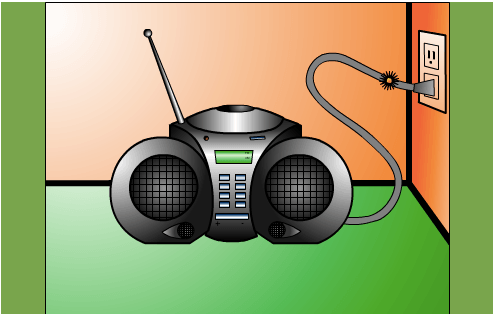
What is the energy conversion when you plug in a stereo and listen to music?
electrical to mechanical
chemical to nuclear
electrical to sound
potential to sound
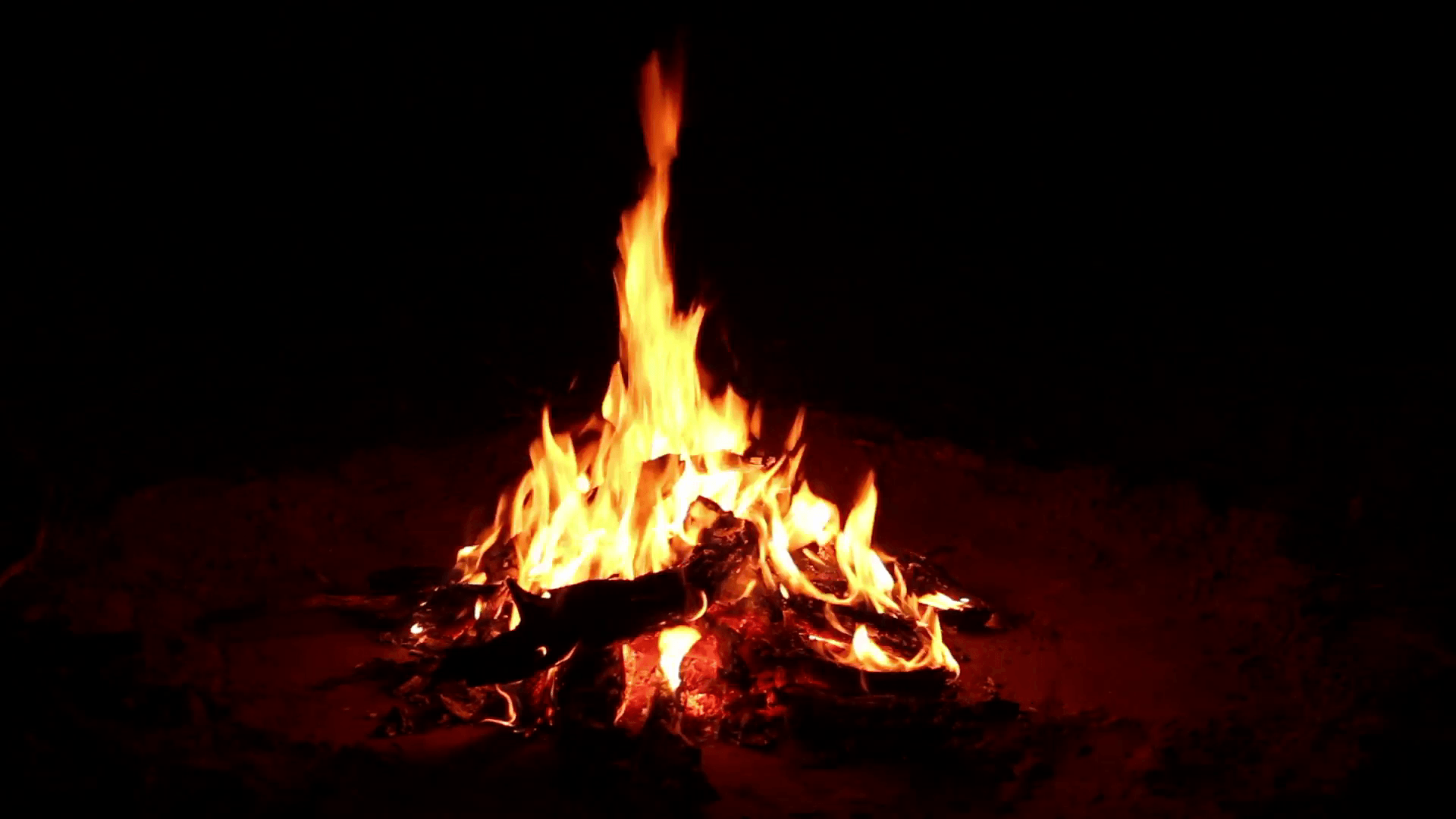
What is the energy conversion when you burn wood for a fire?
electrical to thermal
light to kinetic
chemical to thermal
chemical to electrical
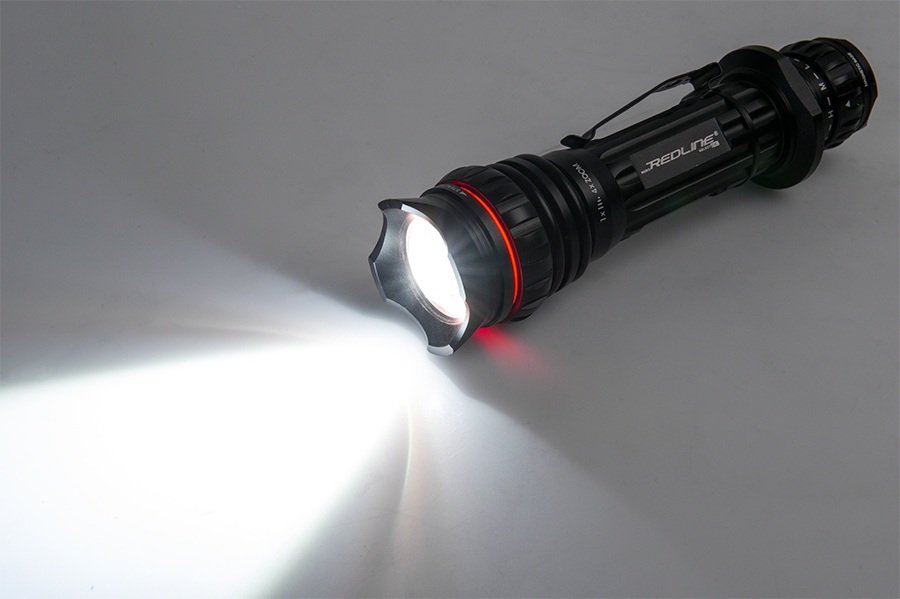
What is the energy conversion when you put batteries in a flashlight to make it turn on?
chemical to light
light to kinetic
chemical to thermal
nuclear to light
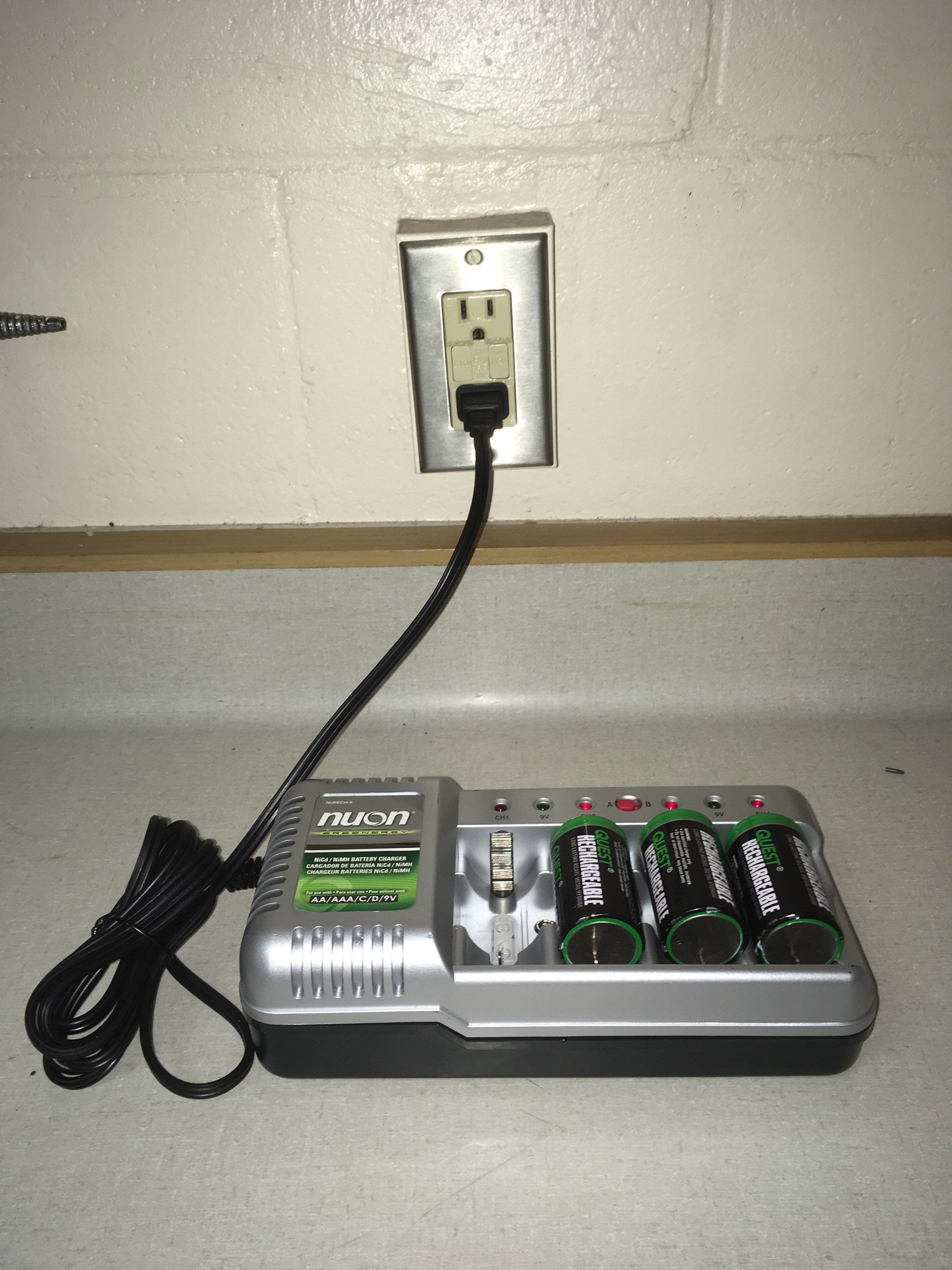
What is the energy conversion when you plug in a charger to charge a battery?
electrical to light
kinetic to potential
thermal to chemical
electrical to chemical
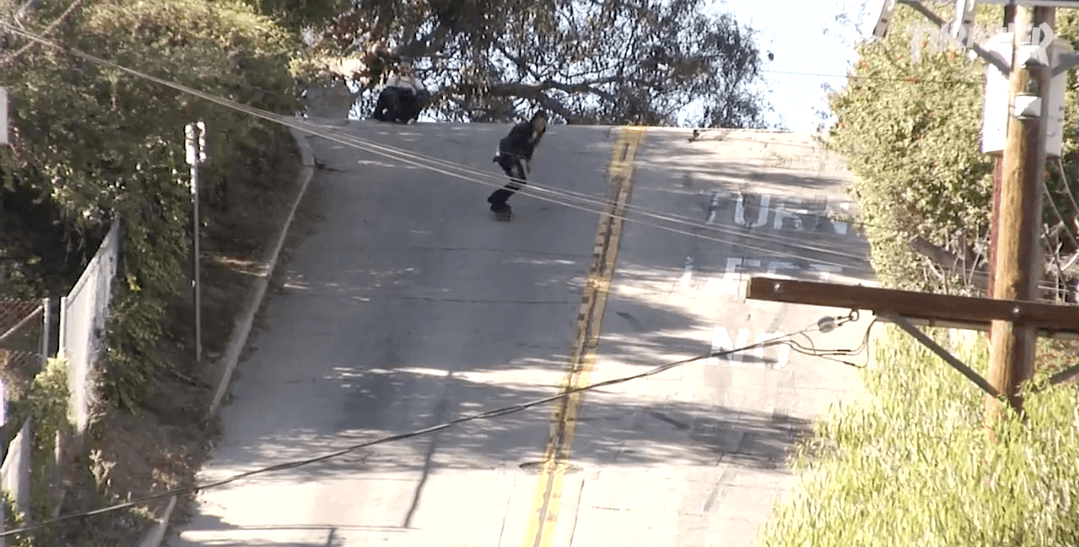
What is the energy conversion when you have a skateboard at the top of the hill then move down?
kinetic to potential
potential to kinetic
potential to thermal
electrical to kinetic
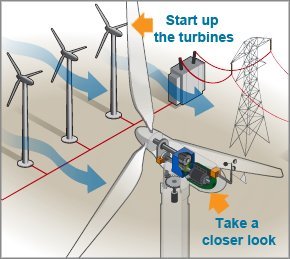
What is the energy conversion when a wind turbine turns to provide energy to a power grid?
electrical to potential
potential to kinetic
kinetic to electrical
nuclear to heat
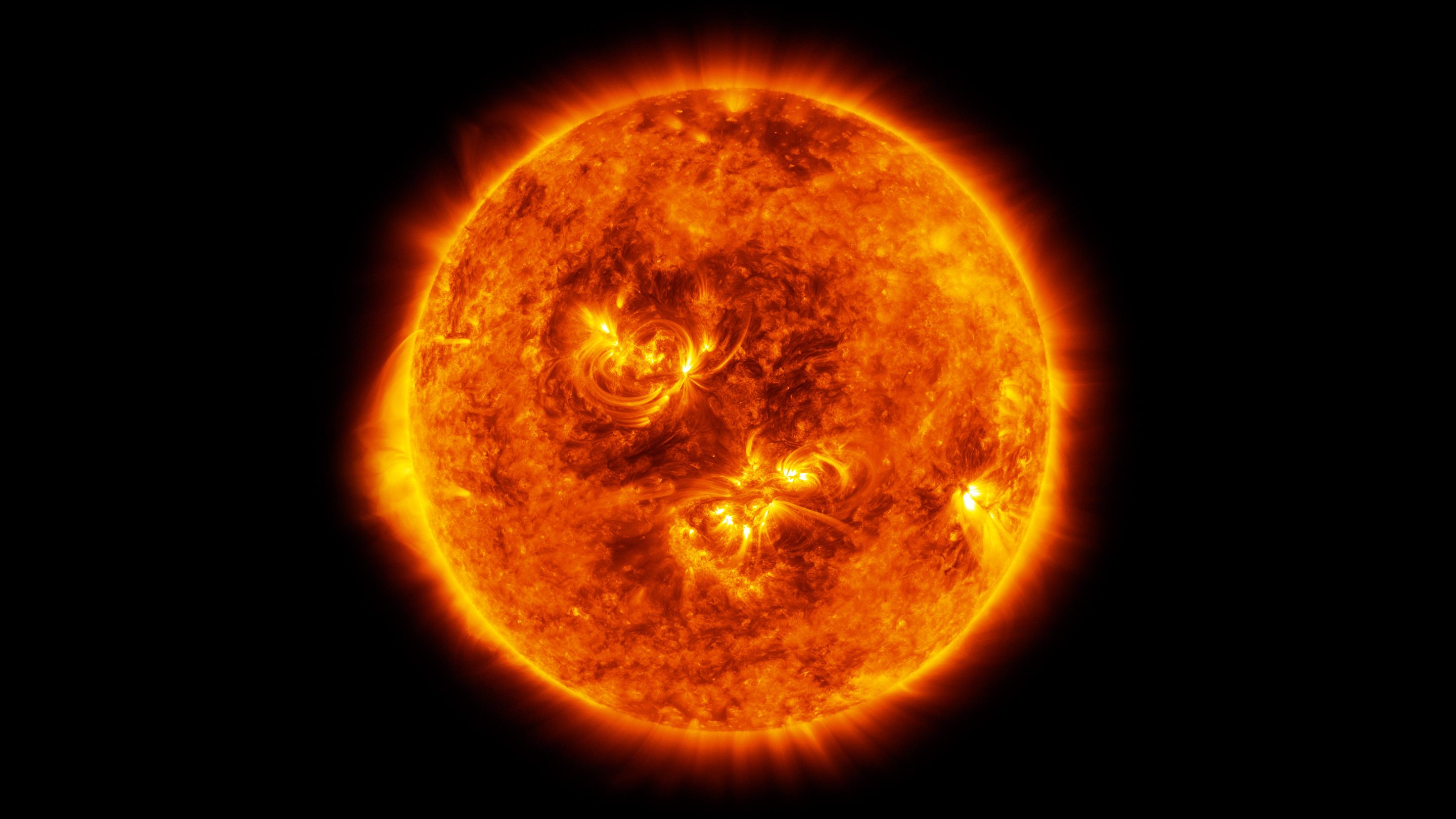
What is the energy conversion when you feel the warmth of the sun?
nuclear to thermal
nuclear to kinetic
potential to nuclear
light to nuclear

What is the energy conversion when you eat food for fuel to go for a run?
chemical to nuclear
kinetic to chemical
chemical to kinetic
potential to chemical
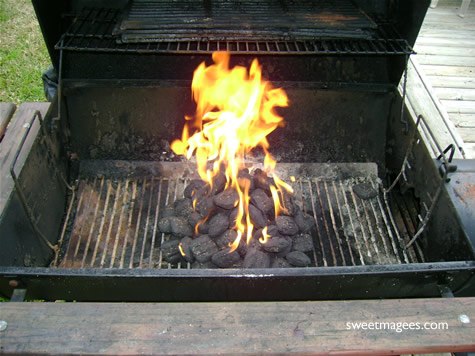
What is the energy conversion when you burn charcoal to cook food on a grill?
thermal to chemical
light to kinetic
chemical to thermal
chemical to nuclear

The energy of electrons or electric charges
Chemical
Electric
Mechanical
Kinetic

The energy of a compound as its atoms are rearranged (such as in food or a battery)
thermal
mechanical
potential
chemical

Energy that travels in waves (electric and magnetic properties) - such as sunlight, xrays, and microwaves
Electric
Mechanical
Electromagnetic
Kinetic

Energy that comes from changes in the nucleus of an atom
thermal
mechanical
electric
nuclear
The potential energy of motion PLUS the kinetic energy of motion
kinetic
potential
mechanical
chemical
The ability to do work or cause change
kinetic
potential
matter
energy
If an item has mass and height ABOVE the surface of the Earth, then the item has ____________________
elastic potential energy
gravitational potential energy

The energy stored in a bow right before you release the arrow is called ______________________________
gravitational potential energy
elastic potential energy
chemical energy
kinetic energy

Which kind of kinetic energy is represented by the picture?
magnetic
electrical
radiant
sound
thermal
Ryan rubs two sticks together quickly. When he stops rubbing the sticks, he notices that they are warm where he rubbed them. What type of energy has been produced?
Sound energy
Thermal energy
Light energy
Which one of these is NOT a type of kinetic energy?
Thermal energy
Gravitational energy
Sound energy
Electrical energy
What is the main type of energy shown by a person running?
Electrical
Mechanical
Sound
Chemical
What is the type of energy in food?
Thermal
Kinetic
Sound
Chemical
What is the type of energy when someone is speaking?
Thermal
Kinetic
Sound
Chemical
Nuclear energy, which is energy stored in atoms, is an example of ______
Kinetic energy
Potential energy
Elastic energy, which is energy stored in compressed gases or springs, is an example of ______
Kinetic energy
Potential energy
Electrical energy, which is energy of moving electrons, is an example of ______
Kinetic energy
Potential energy

