Wayground logo

Free Printable Worksheets

Font size

S
M
L
XL
Worksheets

MTR2^March 1

Total questions: 57

Worksheet time: 9hrs 21mins
Name
Class
Date
1.
The amount of energy required to raise the temperature 1ºC for every kilogram is called____?
a)
Thermal Energy
b)
Specific Heat
c)
Temperature
d)
Kinetic Energy
2.
What is the equation to measure change in Thermal Energy?
a)
Q=mc∆t
b)
Q=mc
c)
Q= ∆mct
d)
m=QC
3.
Water has a specific heat of 4184 J/KgºC.  Wood has a specific heat of 1760 J/KgºC.  What material needs more energy to raise the temperature 1ºC
a)
Wood
b)
Water
c)
Both are the same
4.

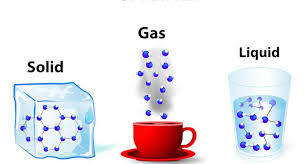
Of these three states of matter, which one has the least kinetic energy? 

a)
Solid 
b)
Liquid 
c)
Gas
5.

1. Kinetic refers to _______________

a)

Force

b)

Energy

c)

Motion

d)

Acceleration

6.

energy of motion

a)

kinetic energy

b)

potential energy

c)

movement

d)

work

7.
What scientist is best known for his "Plum Pudding" model of the atom?
a)
J.J. Tomson
b)
Ernest Rutherford
c)
John Dalton
d)
Democritus
8.
What does the nucleus of an atom contain?
a)
Electrons and neutrons
b)
Protons and neutrons
c)
Neutrinos and positrons
d)
DNA and RN
9.
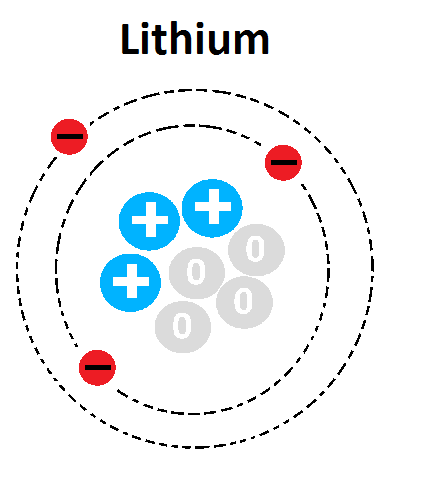
Who came up with this model of an atom?
a)
J.J. Thompson
b)
Ernest Rutherford
c)
Neils Bohr
d)
James Chadwick
10.
Rutherford concluded that the atom
a)
has a nucleus with a positive charge
b)
has a nucleus with a negative charge 
c)
is a small mass with negative and positive charges
d)
contains a nucleus without a charge
11.
Which is the correct sequence of the scientists who made major changes in the model of the atom?
1-JJ Thomson
2-Erwin Schrodinger
3-John Dalton
4-Niels Bohr
5-Ernest Rutherford
a)
2, 1, 4, 3, 5
b)
3, 1, 5, 4, 2
c)
5, 3, 2, 1, 4
d)
4, 3, 2, 1, 5
12.

What is the atomic number?

a)

the number of protons in the nucleus

b)

the number of protons and neutrons in the nucleus

c)

the number of neutrons in the nucleus

d)

the number of protons in the energy levels

13.

What is the mass number?

a)

the number of protons in the nucleus

b)

the number of protons and neutrons in the nucleus

c)

the number of neutrons in the nucleus

d)

the number of protons and electrons in the atom
14.

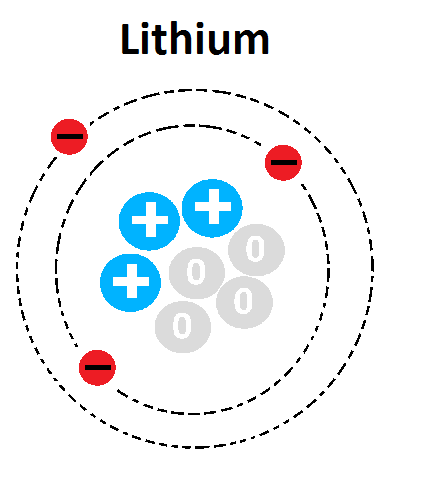
What is the atomic number of this atom?

a)

1

b)

3

c)

4

d)

7

15.

What is the mass number of this atom?

a)

1

b)

3

c)

4

d)

7

16.

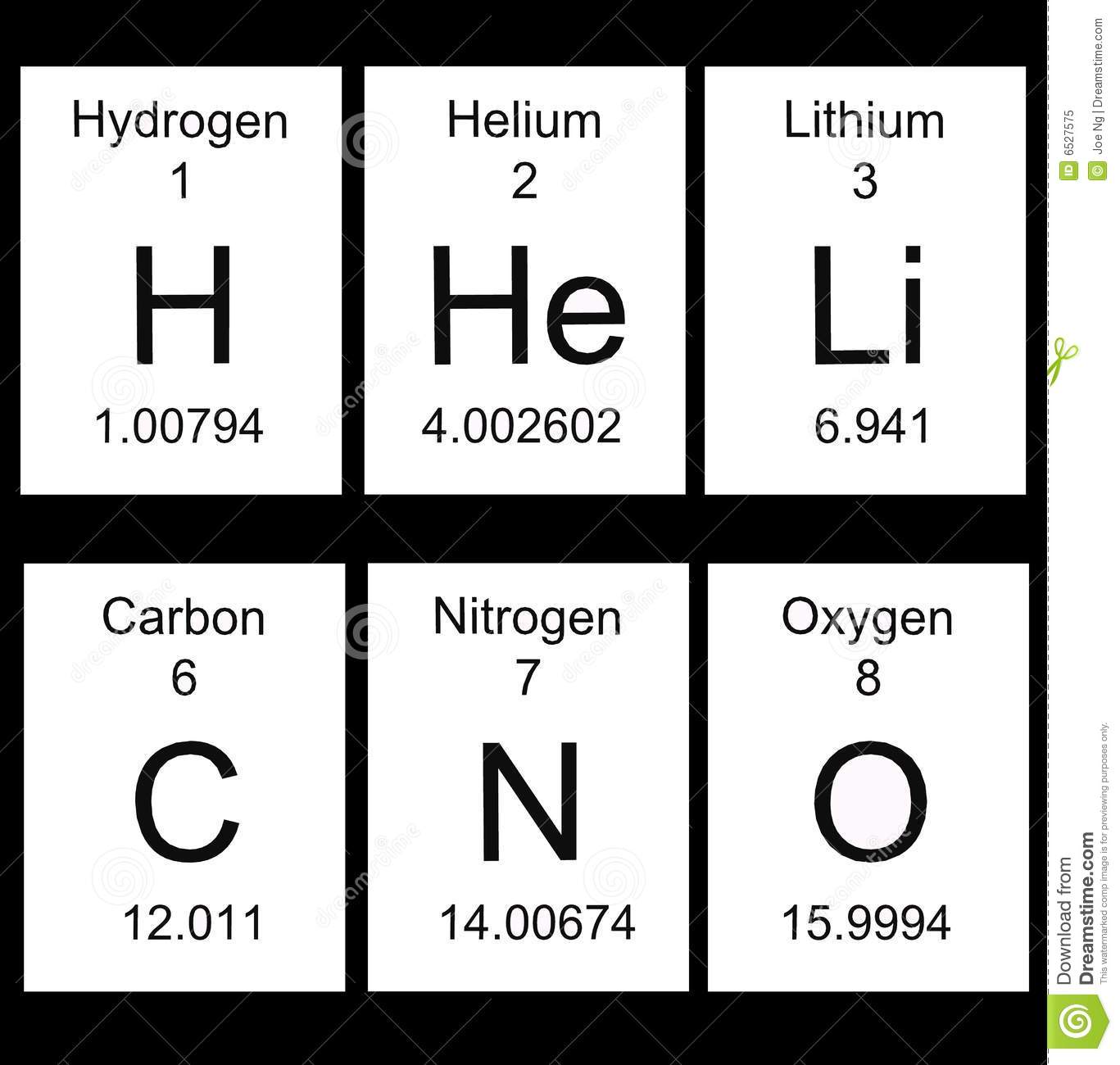
What does the 6 represent?

a)

Atomic mass

b)

atomic number

c)

chemical symbol

d)

element name

17.
If an atom has 12 positively charged subatomic particles, which of the following must it also have to be considered a neutral atom?
a)
12 neutrons
b)
12 electrons
c)
12 protons
d)
24 protons and neutrons
18.

Which has more protons?

a)

neither

b)

carbon - 12

c)

carbon - 13

19.

Which has more neutrons?

a)

neither

b)

carbon - 12

c)

carbon - 13

20.

Calculate the Average Atomic Mass (sig figs apply)

(a)  

21.

How many protons?

a)

36

b)

17

c)

18

d)

19

22.

How many neutrons?

a)

9

b)

4

c)

5

d)

2

23.
What is an isotope? 
a)
A charged atom
b)
An atom with different amounts of neutrons
c)
An atom with different amounts of protons
d)
A neutral atom
24.
How many neutrons in C-14?
a)
6
b)
7
c)
14
d)
8
25.
How many neutrons does the isotope of lithium have?
a)
8
b)
3
c)
4
d)
5
26.
In a correctly written symbol what would be located in the "A" position?
a)
number of neutrons
b)
atomic number
c)
number of electrons 
d)
mass number
27.
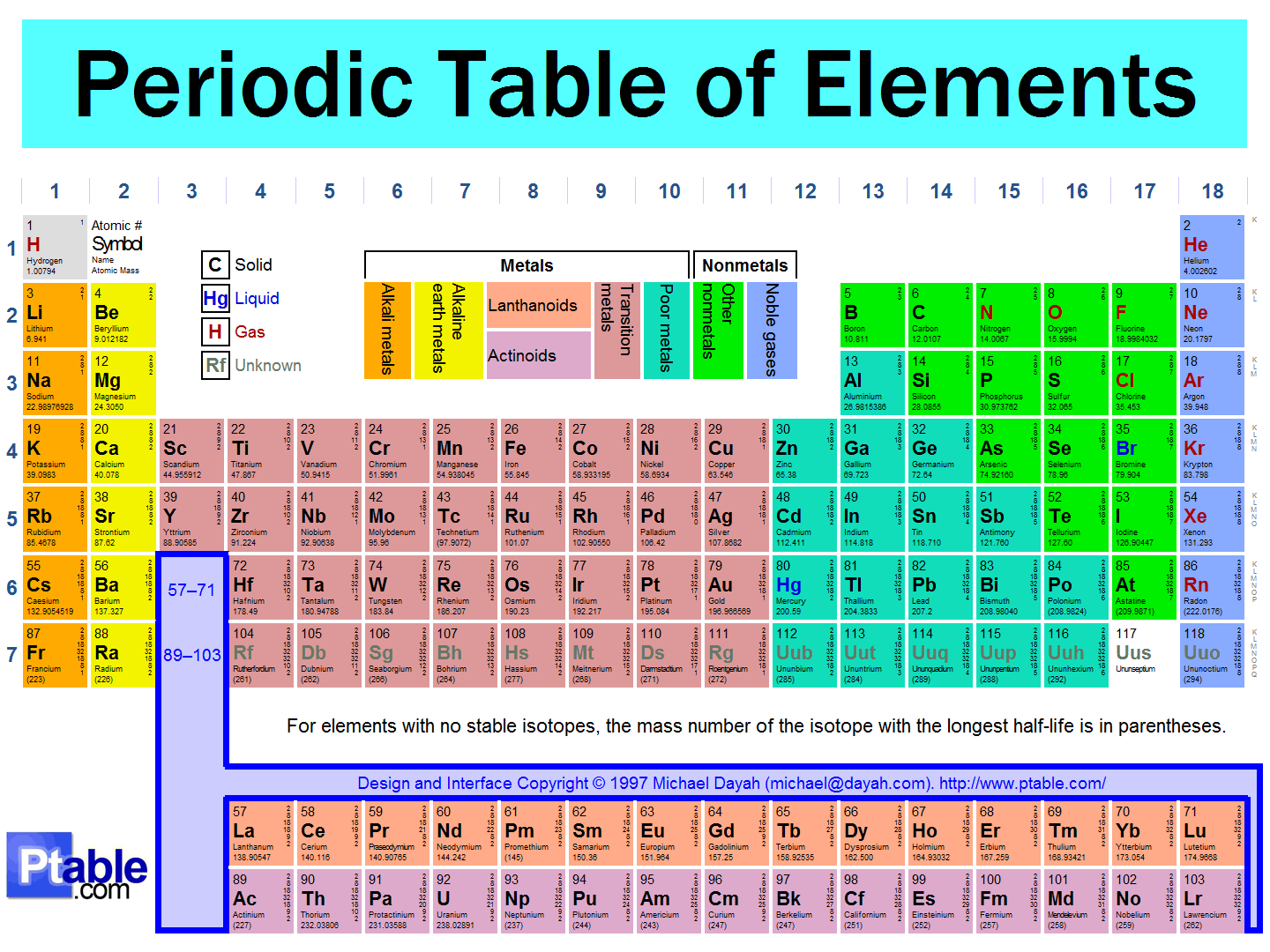
In the modern periodic table elements are arranged by:
a)
atomic mass
b)
atomic number
c)
valence electrons
d)
number of isotopes
28.
Which property did Mendeleev use to order his periodic table?
a)
Shielding effect
b)
Eletronegitivity
c)
Atomic Weight
d)
Metallic Character
29.
What was Dmitri Mendeleev's greatest contribution to the history of the periodic table?
a)
He arranged all of the known elements by their atomic number
b)
He realised that there was a pattern of reactivity which repeated every 8 elements
c)
He predicted the existence (and properties) of new elements
d)
He identified the "law of triads" which became the groups
30.

The horizontal rows on the periodic table are called

a)

groups

b)

families

c)

periods

d)

atomic numbers

31.

Each vertical column on the periodic table is called a...

a)

group

b)

tower

c)

period

d)

crew

32.

The atomic mass of an element is:

a)

the amount of electrons the element has

b)

the element's size

c)

the number of protons and neutrons an element has in its nucleus

d)

the element's name

33.

Which of the following element is an example of Halogen

a)

Sodium

b)

Magnesium

c)

Fluorine

d)

Carbon

34.

Which of the following is not an alkali metal?

a)

Cesium

b)

Francium

c)

Hydrogen

d)

Sodium

35.

------ are poor conductors of heat and electricity

a)

Transition metals

b)

All metals

c)

Non metals

d)

Copper

36.

The electrons in the outer most energy level of an atom is also known as

a)

Active electrons

b)

Inert electrons

c)

Valence electrons

d)

None of the above

37.

Which of the following element is a member of Alkaline earth metals?

a)

Lithium

b)

Iron

c)

Calcium

d)

Boron

38.

Noble gases are inert because

a)

They are highly reactive

b)

They are unreactive

c)

They are noble

d)

They have 8 electrons in their outer most energy level

39.

Which of the follwing group of elements have 7 electrons in their outer most energy level?

a)

Actinides

b)

Noble gases

c)

Lanthanides

d)

Halogens

40.

Boron is an example of

a)

Metalloid

b)

Metal

c)

Non metal

d)

Inert gas

41.

This family is _________.

a)

Alkali metals

b)

Alkaline earth metals

c)

Noble gases

d)

Halogens

42.

This family is _________.

a)

Transition metals

b)

Alkaline earth metals

c)

Noble gases

d)

Rare earth metals

43.

This family is _________.

a)

Metals

b)

Halogens

c)

Noble gases

d)

Metalloids

44.
Which of these elements has the greatest atomic radius? 
a)
H
b)
N
c)
Cl
d)
Cs
45.
The symbols W, X, Y, and Z represent four elements shown on the outline of a periodic table.
Which element has the highest electronegativity?

a)
W
b)
X
c)
Y
d)
Z
46.
All elements found on the left side of the Periodic Table of the Elements have what properties in common?
a)
They conduct heat and electricity 
b)
They are all gases 
c)
They are brittle and dull
d)
They are radioactive
47.
Which of these elements has an electron structure most similar to that of element X?
a)
1
b)
2
c)
3
d)
4
48.
How many Valance electrons does Iodine Have?
a)
6
b)
16
c)
7
d)
17
49.

Which would NOT increase the rate at which a sugar cube dissolves?

a)

Reducing the amount of solvent

b)

Crushing the sugar cube

c)

Stirring the solution

d)

Heating the solvent

50.

You can make a solute dissolve more quickly in a solvent by

a)

adding more solute.

b)

adding ice.

c)

heating the solvent.

d)

removing some solvent.

51.

A solution that contains all of the solute it can hold at a given temperature is

a)

diluted.

b)

saturated.

c)

supersaturated.

d)

unsaturated.

52.

Three 10 g samples of sugar are represented below.


Sample A dissolves in water more slowly than sample B.

Sample B dissolves more slowly than sample C.

Which of the following best explains why sample A dissolves more slowly than the other two?

a)

It has the most volume.

b)

It has the smallest surface area.

c)

It has the largest number of sugar molecules.

d)

It has the fewest bonds between sugar modules.

53.

If carbon dioxide is dissolved in water, what is the solvent?

a)

Carbon Dioxide

b)

Salt

c)

Oxygen

d)

Water

54.
A _________________ is composed of symbols and subscripts indicating the number of atoms of an element in a compound.
a)
Chemical Equation
b)
Chemical Reaction
c)
Synthesis Reaction
d)
Chemical Notation
55.
Atoms gain lose, gain, or ______electrons to get a stable outer energy level.
a)
share
b)
split
c)
create
d)
destroy
56.

What combination of elements will form a covalent compound?

a)

Metal and metal.

b)

Metal and nonmetal.

c)

Nonmetal and nonmetal.

57.
Ionic bonds are between...
a)
nonmetals and nonmetals
b)
carbon and oxygen
c)
metals and nonmentals
d)
hydrogen and chlorine