
 Worksheets
ARTAPP MIDTERM ASSESSMENT
Total questions: 30
Worksheet time: 23mins
(a) craft work like jewelry, glasswork, pottery or other functional products.
(a) spend time researching works of art and reinterpreting these works for their audiences, they are are employed to take care of collections.
An (a) is a person who gains in-depth knowledge of their specialty, familiarizing themselves with artists in the field, as well as collectors and museums that specialize in the art they broker or sell.
An (a) is a person responsible for helping buyers find quality pieces art that fit within their budget and desired aesthetic.
(a) play a significant role in the art world by supporting artists. These are either individuals or institutions that acquire and own works of art.
(a) refers to the particular methodologies artists utilize in crafting their artworks. These encompass the manipulation of materials, tools, and procedures to achieve intended visual impacts, convey emotions, or articulate artistic ideas.
(a) artists are individuals acknowledged by the Government of the Philippines for their contributions to the nation's intangible cultural heritage. They comprise Filipino citizens or groups of Filipino citizens involved in traditional arts that are uniquely Filipino, demonstrating exceptional skills that have attained a remarkable level of technical and artistic mastery.
Art from this period was a powerful form of communicating information between tribes and generations. Due to the lack of advanced technology, artists typically used materials readily available in their environment.
(a)
During this period art play an important role as a means of enforcing religious and political ideologies. It includes symbolic imagery, mythological stories and text to tell stories of gods and rulers.
(a)
(a) a piece of stone, carve w/ a set of laws considered as first law written in ancient period.
In ancient (a) , artists produced richly decorated tombs and burial goods, including paintings, sculptures, and precious objects.
The era of (a) art emphasized idealized depictions of the human figure, showcasing a profound admiration for physical beauty and athleticism, often portraying gods and goddesses as exemplars of these traits.
(a) artist convey religious messages in their art and were not concern with realism. They depicted clear iconic images of religious figures and decorated them with extensive use of golds and jewels to attract more people to church
To which period in art history does this painting belong?
ROMAN PERIOD
GREEK PERIOD
CONTEMPORARY PERIOD
MODERN PERIOD

To which period in art history does this painting belong?
ROMAN PERIOD
GREEK PERIOD
CONTEMPORARY PERIOD
MODERN PERIOD

Which era of art history does this painting pertain to?
ROMAN PERIOD
ANCIENT PERIOD
CONTEMPORARY PERIOD
MODERN PERIOD
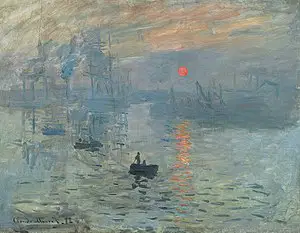
Which art movement is depicted/reflected in this painting?
Realism
Naruralism
Expressionism
Impressionism

Which art movement is depicted/reflected in this painting?
Surrealism
Cubism
Expressionism
Dadaism

What type of cubism does this painting represent?
Abstract
Analytical
Synthetic
Expressionism in cubism
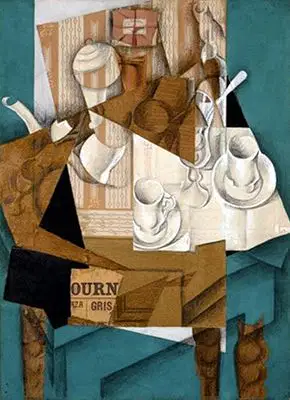
What type of cubism does this painting represent?
Abstract
Analytical
Synthetic
Expressionism in cubism
Which artwork most accurately embodies medieval art?
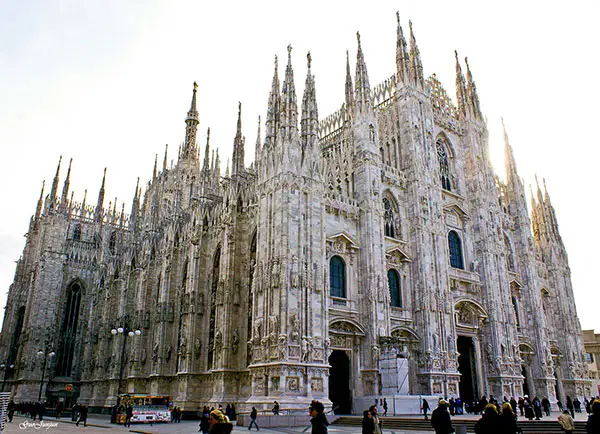
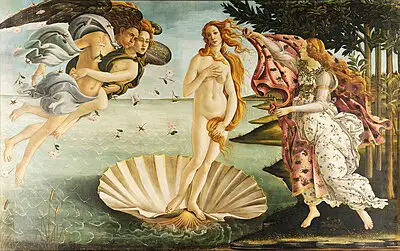


Which artwork most accurately embodies realism?

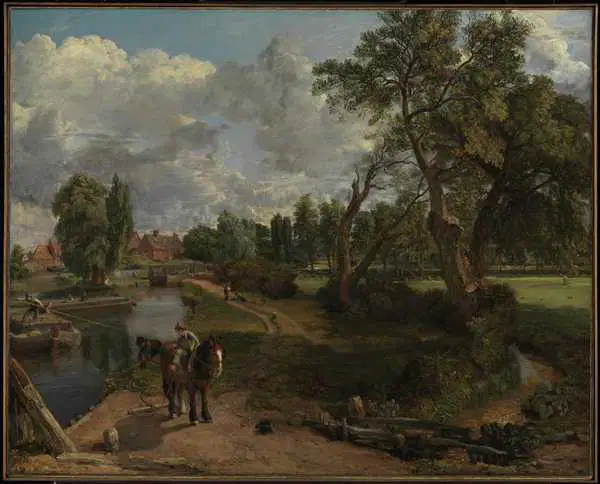

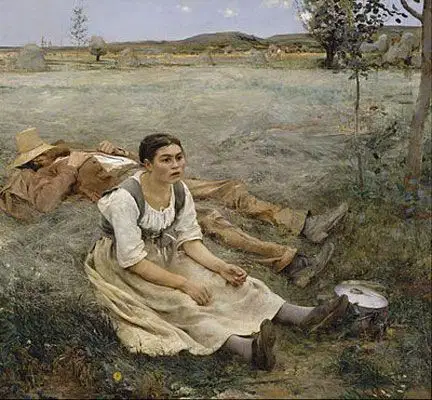
Which artwork most accurately embodies Dadaism?


Which of the following artworks does not belong to this group?

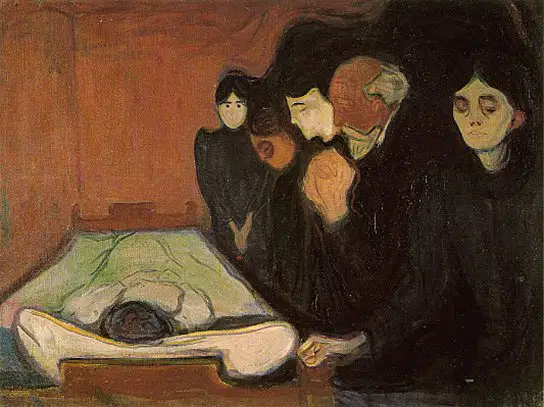


Realism emphasized capturing fleeting moments of light and atmosphere.
TRUE
FALSE
Naturalism depicted ordinary people engaged in everyday activities and aimed to represent subjects closer to the way we perceive them in reality.
TRUE
FALSE
Expressionism primarily focused on portraying idealized images of society.
TRUE
FALSE
Impressionism marked a departure from traditional studio painting, emphasizing direct observation of nature.
TRUE
FALSE
Surrealism prioritized rationality and logic in its artistic expressions.
TRUE
FALSE
Expressionism focused on representing reality as accurately as possible, often using photographic techniques.
TRUE
FALSE

