wayground logo

Free Printable Worksheets

Font size

S
M
L
XL
Worksheets

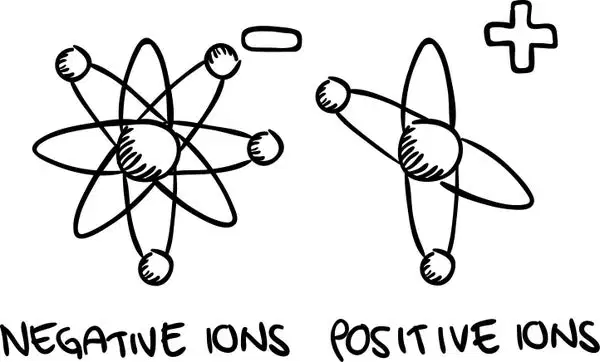
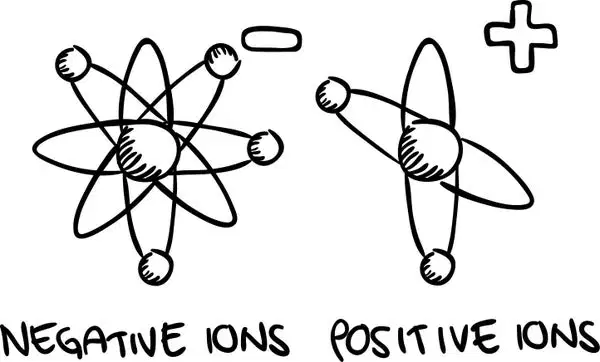
Ions + Stability

Total questions: 65

Worksheet time: 2hrs 10mins
Name
Class
Date
1.
An ion is a _____________
a)
Charged atom
b)
Proton
c)
Neutron
d)
Electron
2.
Is a cation positively or negatively charged?
a)
Positive
b)
Negative
3.
What is the charge of an proton?
a)
positive
b)
negative
c)
neutral
4.
Is an anion positively or negatively charged?
a)
Negative
b)
Positive
5.
What is the charge of an electron?
a)
positive
b)
negative
c)
neutral
6.
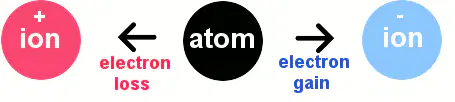
What do you call an atom that gained electrons?
a)
cation
b)
anion
c)
isotope
d)
atomos
7.
What do you call an atom which lost electrons?
a)
cation
b)
anion
c)
isotope
d)
atomos
8.
What would happen to an atom if you removed an electron?
a)
become negative
b)
become positive
c)
gain mass
d)
lose mass
9.
What would happen to an atom if you gained an electron?
a)
become negative
b)
become positive
c)
gain mass
d)
lose mass
10.
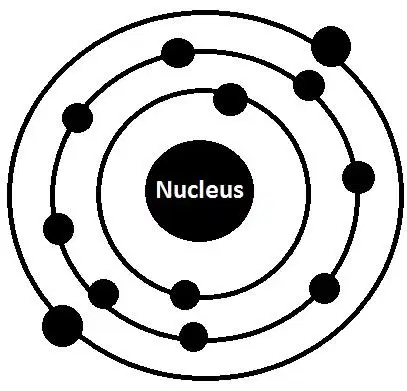
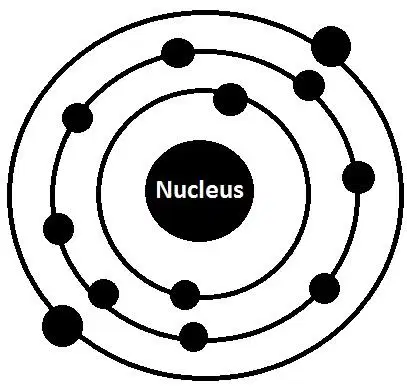
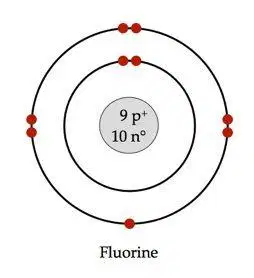
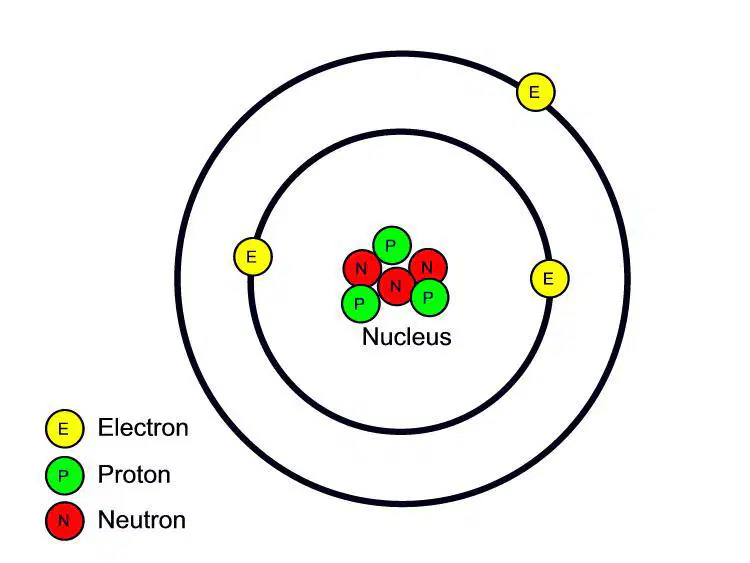
How many electrons are in this atom's valence shell?
a)
4
b)
6
c)
7
d)
2
11.
How many electron shells does this atom have?
a)
1
b)
2
c)
3
d)
4
12.
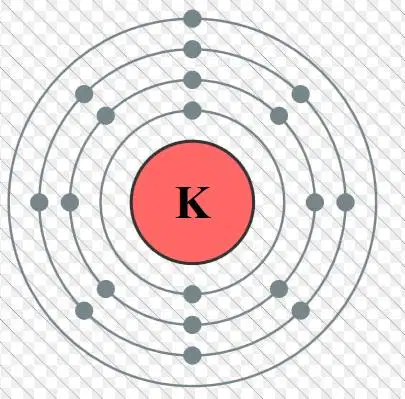
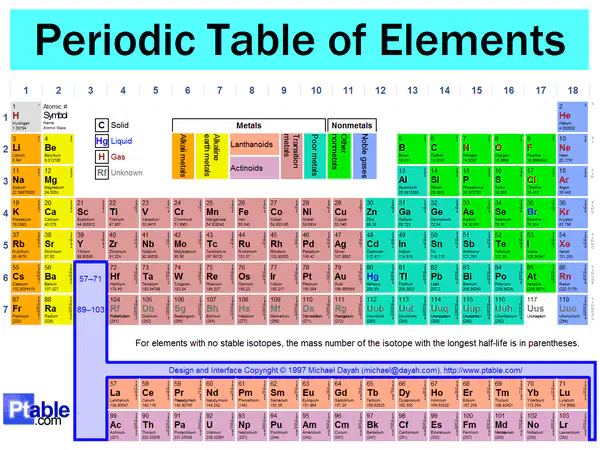
How many electrons are in potassium's valence shell?
a)
1
b)
2
c)
3
d)
4
13.
Why do atoms gain or lose electrons to form ions?
a)
to become more stable
b)
they just enjoy being charged
c)
nobody knows
d)
not enough information
14.
When are atoms most stable?
a)
when their outermost (valence) electron shell is filled
b)
when they have taken their meds
c)
when they have zero electrons
d)
on sundays
15.
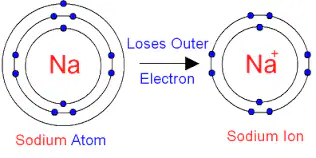
The sodium atom has 11 electrons. What must the atom do to become stable?
a)
Lose 1 electron
b)
Gain 7 electrons
c)
Nothing
16.
What will be the charge of the sodium ion?
a)
Na-
b)
Na+
c)
Na
17.
The oxygen atom has 8 electrons. What must the atom do to become stable?
a)
Lose 6 electrons
b)
Nothing
c)
Gain 2 electrons
18.
What will be the charge of the oxygen ion?
a)
O2
b)
O2+
c)
O2-
d)
O-
19.
The fluorine atom has 9 electrons. What must the atom do to become stable?
a)
Gain 1 electron
b)
Nothing
c)
Gain 7 electrons
20.
What will be the charge of the fluoride ion?
a)
F-
b)
F+
c)
F2
d)
F2-
21.
The magnesium atom has 12 electrons. What must the atom do to become stable?
a)
Nothing
b)
Gain 6 electrons
c)
Lose 2 electrons
22.
What will be the charge of the magnesium ion?
a)
Mg
b)
Mg2-
c)
Mg+
d)
Mg2+
23.
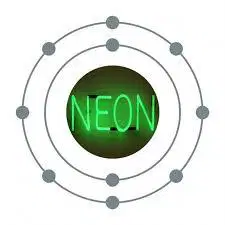
The neon atom has 10 electrons. What must the atom do to become stable?
a)
Lose an electron
b)
Gain an electron
c)
Nothing
24.
The nitrogen atom has 7 electrons. What must the atom do to become stable?
a)
Lose 5 electrons
b)
Gain 3 electrons
c)
Nothing
25.
What will be the charge of the nitrogen ion?
a)
N3+
b)
N3-
c)
N2
d)
N-
26.
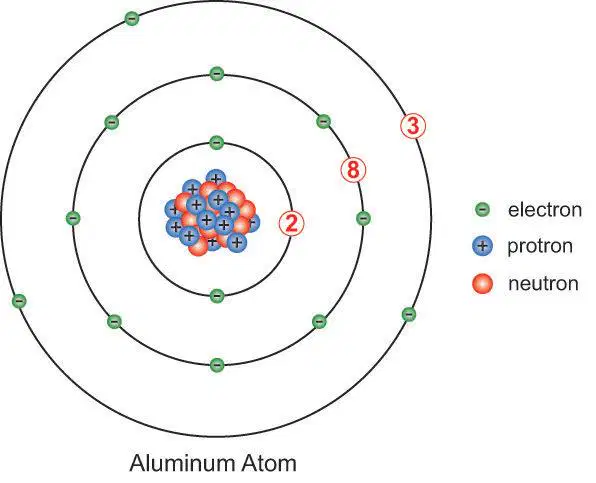
The aluminium atom has 13 electrons. What must the atom do to become stable?
a)
Gain 5 electrons
b)
Nothing
c)
Lose 3 electrons
27.
What will be the charge of the aluminium ion?
a)
Al+
b)
Al3-
c)
Al2-
d)
Al3+
28.
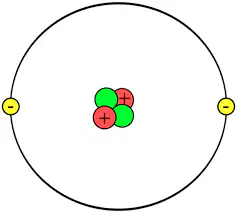
The helium atom has 2 electrons. What must the atom do to become stable?
a)
Lose 2
b)
Gain 8
c)
Nothing
29.
Nitrogen is in group 15, how many valence e-?
a)
5
b)
15
c)
7
d)
2
30.
Nitrogen is in group 15, how many electrons will it gain/lose?
a)
gain 3
b)
lose 3
c)
gain 5
d)
lose 5
31.
If Nitrogen gains three electrons, what will its charge be?
a)
N-3
b)
N+3
c)
N+8
d)
N-8
32.
Chlorine is in group 17, how many electrons will it gain/lose?
a)
gain 1
b)
lose 1
c)
gain 7
d)
lose 7
33.
If Chlorine gains 1 electron, what will its charge be?
a)
Cl-1
b)
Cl+1
c)
Cl-7
d)
Cl-8
34.
Beryllium is in group 2, how many electrons will it gain/lose?
a)
gain 2
b)
lose 2
c)
gain 4
d)
lose 4
35.
If Beryllium loses 2 electrons, what will its charge be?
a)
Be+2
b)
Be-2
c)
Be-6
d)
Be+6
36.
Gallium is in group 13, what is the most likely ion?
a)
Ga+3
b)
Ga-3
c)
Ga+5
d)
Ga-5
37.
K+ is a cation because it (gained/lost) electrons, becoming more positively charged
a)
gained
b)
lost
38.
An atom with 20 protons and 18 electrons is what type of ion?
a)
cation
b)
anion
39.
What is the charge of an aluminum ion which has lost 3 electrons?
a)
1
b)
3
c)
-1
d)
-3
40.

Circle the valence electrons.

41.

Draw a model of Neon

42.

Draw a model of Bromine

43.
How are electrons arranged in an atom?
a)
In groups of five
b)
In energy levels
c)
By color
d)
By shape
44.

How many valence electrons?

a)

2

b)

5

c)

6

d)

8

45.

What group does this element belong to?

a)

1

b)

2

c)

17

d)

18

46.

Elements in Group number 17 are known as

a)

Alkai Metals

b)

Alkaline Metals

c)

Halogens

d)

Noble Gases

47.

How many energy levels does this element have

a)

7

b)

5

c)

3

d)

2

48.
How many valence electrons?
a)
2
b)
3
c)
5
d)
10
49.
What's a valence electron?
a)
electrons in the second energy level
b)
electrons in the outermost energy level
c)
the atomic number
d)
electrons in the first level
50.
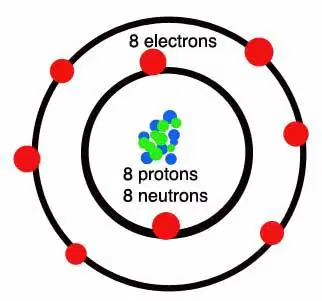
a)
12
b)
7
c)
8
d)
14
51.

What period is this element located in?

a)

2

b)

20

c)

4

d)

3

52.

Which Bohr model represents Neon?

a)
b)
c)
d)
53.

How many electrons can go in the Second energy level?

a)

2

b)

8

c)

18

d)

32

54.

How many electrons does Lithium have?

(a)  

55.

What is the Identity of this element

(a)  

56.

The period an element belongs to tells you...

a)

how many valence electrons it has.

b)

how many energy levels it has.

c)

how many protons it has.

d)

how many total electrons it has.

57.

What class of elements tends to lose electrons?

a)

metals

b)

nonmetals

c)

metalloids

d)

Noble Gas

58.

What class of elements tends to gain electrons?

a)

metals

b)

nonmetals

c)

metalloids

d)

Noble Gas

59.

When an atom gains a valence electron, it becomes a(n) _____________ ion.

a)

positive

b)

negative

c)

neutral

60.

When an atom loses a valence electron, it becomes a(n) _____________ ion.

a)

positive

b)

negative

c)

neutral

61.
What charge will an Oxygen ion have? 
a)
+1
b)
-1
c)
+2
d)
-2
62.
If an element has 3 valence electrons, what charge will likely form on its ion ?
a)
+3
b)
+5
c)
-3
d)
-5
63.
Which of the following has a -3 charge?
a)
Boron
b)
Fluorine
c)
Nitrogen
d)
Neon
64.

Match the charge with the groups.

a)

-1

1.

Group 17

b)

-3

2.

Group 15

c)

-2

3.

Group 16

65.

Match the charge with the groups.

a)

+1

1.

Group 1

b)

+2

2.

Group 2

c)

+3

3.

Group 3