
Font size
 Worksheets
Mechanism of Breathing
Total questions: 72
Worksheet time: 54mins
What is pulmonary ventilation commonly referred to as?
Breathing
Digestion
Respiration
Circulation
What happens to the pressure within a cavity when its volume decreases?
Pressure increases
Pressure remains constant
Pressure decreases
Pressure becomes zero
What is the pressure called that is below atmospheric pressure?
Positive pressure
Neutral pressure
Negative pressure
Static pressure
What keeps the lungs inflated due to the negative pressure in the pleural cavity?
Atmospheric pressure
Intrapulmonary pressure
Intrapleural pressure
Diaphragmatic pressure
What condition can cause the lung to collapse due to equal pressure in the pleural cavity and outside air?
Asthma
Pneumothorax
Emphysema
Fibrosis
During inspiration, what happens to the thoracic cavity volume?
It fluctuates
It increases
It remains the same
It decreases
What type of process is quiet expiration?
A passive process
A process that increases lung volume
A process that doesn't change pressure
An active process requiring energy
What affects the ease with which lungs can expand?
Lung resistance
Lung compliance
Lung elasticity
Lung capacity
What typically narrows the bronchioles and increases resistance?
Histamine
Oxygen
Epinephrine
Carbon dioxide
What hormone dilates bronchioles and increases airflow during exercise?
Insulin
Adrenaline
Cortisol
Epinephrine

Which of the following shows what happens to the chest cavity when air rushes into the lungs?
decrease in volume
deflates
expands
relaxes

Which of the following happens when you exhale?
chest cavity expands
your lumgs become smaller
your chest cavity becomes smaller
your lungs take in and give off oxygen

As you breath in and out when do your lungs expand?
when air rushes in
when air rushes out
when your diaphragm expands
when your chest cavity relaxes

How do you describe the condition of the diaphragm as one exhales?
the diaphragm contracts
the diaphragm relaxes
the diaphragm goes down
both a and c

What material in a lung model represents the diaphragm
Y plastic tubes
the plastic jar
the plastic sheet
2 small plastic bags
Which two muscles are responsible for BREATHING?
The Diaphragm
The Lungs
The Heart
The Intercostal Muscles
The main ORGAN responsible for breathing is:
the Brain
the Lungs
the Liver
the Kidneys
The trachea branches off into two:
Alveoli
Bronchus
Bronchioles
Which of the following shows what happens to the chest cavity when air rushes into the lungs?
decrease in volume
deflates
expands
relaxes
Which of the following happens when you exhale?
chest cavity expands
your lumgs become smaller
your chest cavity becomes smaller
your lungs take in and give off oxygen

What term refers to the alternative inhaling and exhaling movements of the lungs.
digestion
oxidation
respiration
relaxation

Why is the diaphragm important to the process of breathing?
It helps air to be taken in and rushed out of the lungs
It helps control air movement
It helps to spread air throughout the lungs
It helps to purify the air
During inhalation, the volume of the chest cavity ________ and the pressure ________.
increases, increases
decreases, stays the same
decreases, increases
increases, decreases
During exhalation, the volume of the chest cavity ________ and the pressure ________.
stays the same, decreases
increases, decreases
decreases, increases
decreases, stays the same
What happens to the diaphragm during exhalation?
It expands and moves downward.
It relaxes and moves upward.
It contracts and moves downward.
It remains still.
During inhalation, the pressure inside the chest cavity ________ compared to the atmospheric pressure.
remains the same
increases
fluctuates
decreases
During exhalation, the pressure inside the chest cavity ________ compared to the atmospheric pressure.
fluctuates
increases
remains the same
decreases
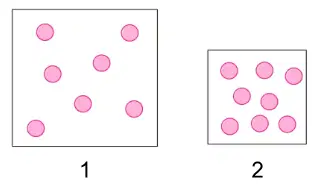
Which container has a greater volume?
Container 1
Container 2
Which container has a greater pressure?
Container 1
Container 2
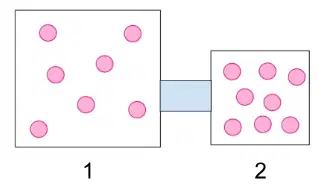
Select the direction that gas will move from one container to another if they are connected, based on the difference in pressure.
From Container A into Container B
From Container B into Container A
The smallest conducting respiratory passageways are called the
bronchioles
trachea
glottis
alveoli
Which of the following structures closes off the larynx during swallowing
glottis
epiglottis
esophagus
palate
The main function of the squamous epithelial cells in the alveolar walls is
to create surfactant
stimulate the diaphragm
reduce surface tension
gas exchange
The main function of surfactant in the alveoli is
to reduce surface tension of the avleolar fluid
gas exchange
close off the larynx during swallowing
separate the oral and nasal cavities

Structure A represents
the epiglottis
the hyoid bone
thyroid cartilage
circoid cartilage

Structure B represents
the epiglottis
the hyoid bone
thyroid cartilage
circoid cartilage
All of the following are functions of the larynx EXCEPT
provides a patent airway
acts in voice production
serves as a switching mechanism to route food into the esophagus
stimulation of the diaphragm
The period of breathing when air enters the lungs is referred to as
expiration
inspiration
ventilation
all of the above
The exchange of gases between the systemic capillary blood and body cells is referred to as
ventilation
inspiration
expirations
internal respiration

The trachae is superior to the lungs
true
false

The main bronchi are medial to the secondary bronchi
true
false

The larynx is inferior to the tracheae
true
false
cellular respiration
is also known as breathing in
moves air form the lungs back to the external environment
is the exchange of oxygen and carbon dioxide between the air and blood
is the series of energy-releasing chemical reactions that take place inside cells
alveoli
are specialized structures for gas exchange
have a large surface area for their size
are specialized for optimal diffusion
all of the previous answers are true of alveoli
A nurse is reviewing the results of an ABG and finds reduced oxygenation of arterial blood. What term should the nurse use to describe this condition?
Ischemia
Hypoxia
Hypoxemia
Hypocapnia
A 20-year-old male is in acute pain. An arterial blood gas reveals decreased carbon dioxide (CO2) levels. Which of the following does the nurse suspect is the most likely cause?
Hyperventilation
Hypoventilation
Apnea
Cyanosis
During inspiration, muscular contraction of the diaphragm causes air to move into the lung. The mechanisms that drive air movement during inspiration are a(n):
Decrease in intra-alveolar pressure and shortening of the rib cage
Decrease in the size of the thorax and alveolar expansion
Increase in the size of the thorax and a decrease in intrapleural pressure
Increase in atmospheric pressure and intrapleural pressure
A contraction of the diaphragm during inhalation causes it to flatten. What else does the contraction result in?
An increase in the volume of the thoracic cavity
Increase in alveolar pressure
A decrease in lung volume
A decrease in the volume of the thoracic cavity
What pressure gradient is exhalation triggered by?
The pressure in the lungs is less than the pressure of the atmosphere
The pressure in the lungs is greater than the pressure of the atmosphere
The pressure in the lungs is equal to the pressure of the atmosphere
Inspiration is produced by a _____________ in the pressure in the thoracic cavity and in the air passages of the lungs.
decrease
increase
consistency
Under standard conditions, the atmosphere exerts a pressure of _________ mm of Hg
760
640
100
60
As volume increases the amount of molecules running into each other will _____
increase
decrease
stay the same
During expiration your diaphragm moves ....
up
down
both
The more collisions between molecules the ...
lower the presssure
greater the pressure
the smaller the drop in pressure
the larger the drop in pressure
Anything less then 760mmHg is considered a .....
positive pressure
negative pressure
optimal pressure
low pressure
According to Boyle’s law, the pressure exerted by a gas ___________ as the volume of space it occupies __________ ,provided its temperature remains constant.
decreases, decreases
decreases, increases
increases, increases
the pressure of the air within the pleural cavity is called the
atmospheric pressure
intra-alveolar pressure
intrapleural pressure
transpulmonary pressure
the ____Generates the breathing rhythm and integrates data coming into the medulla
Medullary respiratory center
Ventral respiratory group (VRG)
Dorsal respiratory group (DRG)
Pontine respiratory group (PRG)
When chemoreceptors detect decreased pH (increased H+ concentration) they cause the respiratory rate to?
Increase
Decrease
The elastic cartilage that covers the opening to the larynx when drinking water
epiglottis.
cuneiform cartilage.
cricoid cartilage.
thyroid cartilage

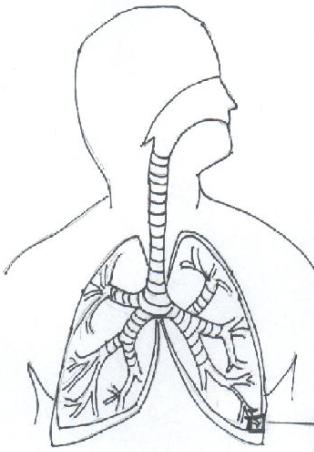
Provides structure to the trachea
bronchi
cartilaginous rings
alveoli
bronchioles
The control center that helps maintain blood oxygen levels is located in the ________________
Aorta & Carotid arteries
Lungs
Diaphragm
Medulla Oblongata
The receptors in the _____________ sense ___________ levels in your blood in order to maintain proper oxygen levels
aorta & carotid arteries / oxygen
aorta & carotid arteries / carbon dioxide
aorta & carotid arteries / pH
aorta & carotid arteries / temperature
Which statement does NOT describe cellular respiration
Takes place in the Mitochondria
Uses oxygen & glucose to make ATP
Produces ATP, Water, & carbon dioxide
It is the same process as respiration
Which TWO statements best describe gas exchange?
Takes place in two places, the heart and the lungs
In the lungs oxygen moves into the capillaries and carbon dioxide moves into the alveoli
In the lungs oxygen moves into the alveoli and carbon dioxide moves into the capillaries
Takes place in two places: the lungs and the body tissues
The _________ respiratory group maintains the basic rhythm of breathing while the _________ respiratory group changes the rate & depth of breathing
ventral / dorsal
dorsal / ventral
anterior / posterior
posterior / anterior
Within a hemoglobin molecule, _________ binds to the 'heme group and _______ binds to the 'globin part.
carbon dioxide / oxygen
oxygen / carbon dioxide
blood / air
air / blood
Which of the following is NOT an example of how the structure of the respiratory membrane enhances it's function?
Alveoli tissues are moist
Alveoli tissues are covered in small capillaries
Alveoli tissues are covered in a thin layer of cartilage for support
Alveoli tissues are very very thin

