
 Worksheets
EARTH'S SPHERES AND LAYERS
Total questions: 80
Worksheet time: 52mins

Which sphere contains the gases we breathe?
atmosphere
geosphere
hydrosphere
biosphere

Which sphere contains the Earth's surface water such as oceans, lakes, streams, and rivers?
atmosphere
geosphere
biosphere
hydrosphere
Which sphere contains the Earth's surface water such as oceans, lakes, streams, and rivers?
atmosphere
geosphere
biosphere
hydrosphere
Which sphere contains the Earth's surface water such as oceans, lakes, streams, and rivers?
atmosphere
geosphere
biosphere
hydrosphere
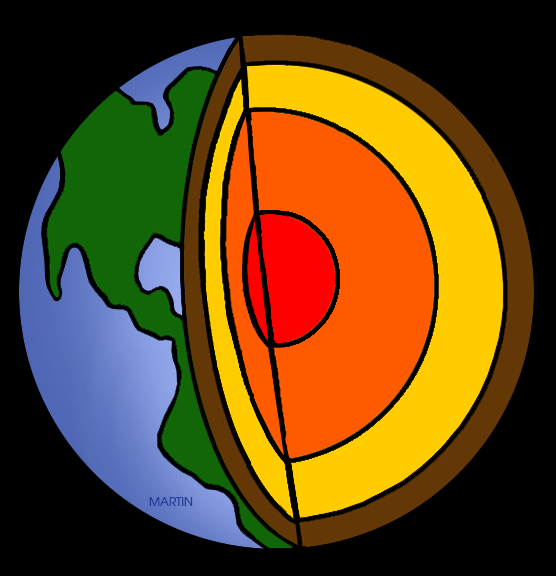
Which layer is shown in red?
crust
mantle
outer core
inner core
Which layer is shown in orange?
crust
mantle
outer core
inner core
Which layer is shown in yellow?
crust
mantle
outer core
inner core
Which layer is shown in brown?
crust
mantle
outer core
inner core

Which shows the order of the layers from COOLEST temperature to HOTTEST?
crust, mantle, outer core, inner core
inner core, outer core, mantle, crust
crust, outer core, inner core, mantle
Trick question! All of the layers are the same temperature!
How thick is the crust of the earth
3-25 miles thick
10-100 miles thick
its only a few inches thick
no one knows
What is the crust of the earth made of?
only water
gas
atmosphere
rocks and minerals
What state of matter is the MANTLE of the earth
liquid
solid
both solid and liquid
gas
which layers of the earth are made from Iron and nickel
inner and outer core
inner core and mantle
crust and mantle
outer core and crust
Which layer of the earth contains earth's landforms
outer core
mantle
crust
inner core
Which sphere contains all of Earth's living things
geosphere
atmosphere
hydrosphere
biosphere
The solid part of the Earth is the...
Atmosphere
Biosphere
Hydrosphere
Geosphere
The water that exists on Earth and covers 75% of the planet is the...
Atmosphere
Biosphere
Hydrosphere
Geosphere
In the atmosphere, you can find...
Nitrogen
Oxygen
Carbon dioxide
All, the three of them

Comes from the Greek word for "life"
bio-
hydro-
atmo-
geo-

Comes from the Greek word for "ground" or "rock"
bio-
hydro-
atmo-
geo-

Comes from the Greek word for "water"
bio-
hydro-
atmo-
geo-

Comes from the Greek word for "air"
bio-
hydro-
atmo-
geo-
Which layer of the Earth is in a liquid state of matter?
Crust
Inner Core
Mantle
Outer Core
Which is the best description of the characteristics of the asthenosphere?
Solid, but flowing
Liquid, but dense
Hot, but solid metal
Brittle, but shifting
The lithosphere is composed of rock that can be described as being...
liquid.
solid.
dense.
flowing.

Which of the following best describes a change one would observe in moving from Earth's crust downward to the outer core?
Pressure would change from very high to none
Density would change from least to most dense
Plasticity would change from flexible to rigid
Heat would change from relatively hot to cool
The lithosphere consists of the-
upper mantle and crust.
lower mantle and outer core.
inner and outer core.
crust and the entire mantle.
According to scientific data, which layer of Earth is the thickest?
Crust
Inner Core
Mantle
Outer Core
According to scientific data, which layer of Earth is the thickest?
Crust
Inner Core
Mantle
Outer Core
What layer of the Earth is composed of material of the highest density?
Outer Core
Inner Core
Crust
Mantle
Oceans and other bodies of water are found on which layer of the Earth?
Outer Core
Mantle
Inner Core
Crust
Which layer of the Earth is in a liquid state of matter?
Crust
Inner Core
Mantle
Outer Core
Which is the best description of the characteristics of the asthenosphere?
Solid, but flowing
Liquid, but dense
Hot, but solid metal
Brittle, but shifting
The lithosphere is composed of rock that can be described as being...
liquid.
solid.
dense.
flowing.
Which of the following best describes a change one would observe in moving from Earth's crust downward to the outer core?
Pressure would change from very high to none
Density would change from least to most dense
Plasticity would change from flexible to rigid
Heat would change from relatively hot to cool
The lithosphere consists of the-
upper mantle and crust.
lower mantle and outer core.
inner and outer core.
crust and the entire mantle.
According to scientific data, which layer of Earth is the thickest?
Crust
Inner Core
Mantle
Outer Core
What layer of the Earth is composed of material of the highest density?
Outer Core
Inner Core
Crust
Mantle
Which layer of Earth is liquid iron with little nickel?
inner core
outer core
mantle
crust
What happens to temperature as you move from the crust to the core?
temperature increases
temperature decreases
temperature does not change
temperature increases then decreases
Which compositional layer of Earth does convection occur?
core
crust
mantle
mesosphere
Which type of crust is more dense?
continental crust
oceanic crust
Which layer of Earth is responsible for Earth's magnetosphere?
crust
mantle
outer core
inner core
Which layer of Earth is the plastic-like where tectonic plates float?
outer core
lithosphere
mesosphere
asthenosphere
What happens to pressure as you move from the crust to the core?
pressure increases
pressure stays the same
pressure decreases
True or False? Scientists use seismic waves to study Earth's interior.
True
False
Scientists use seismic waves to study Earth's interior.
Scientists use ocean waves to study Earth's interior.
Which Compositional layer would you not find Oxygen in?
Crust
Mantle
Core
Lithosphere
Which if the following is NOT a property of the Lithosphere
Solid
Brittle
Gooey
Contains tectonic plates
Earth's inner core is solid because ____________
there is so much pressure being put on it
it is very cold
of all the oxygen stored there
it is not very dense
Earth's inner core is solid because ____________
there is so much pressure being put on it
it is very cold
of all the oxygen stored there
it is not very dense
Iron and Nickel are the main elements found in the Earths core.
True
False
Which of these elements is the most dense in Earths layers?
Oxygen
Silicon
Aluminum
Iron

What main sphere is this shown in this picture?
Hydrosphere
Atmosphere
Biosphere
Geosphere
Pick all examples down below that have to do with biosphere.
Ocean
Human
Sunflower
limestone
What is an example of geosphere?
Creek
clouds
Human
Sand

What sphere is mainly represented in this picture?
Hydrosphere
Atmosphere
Biosphere
Geosphere
When humans are coal mining, what sphere are they affecting while mining for the coal?
(a)

What is the main sphere represented in this picture?
Hydorsphere
Atmosphere
Geosphere
Biosphere
Select all that apply. What are examples of geosphere?
soil
Limestone
oceanfloor
flower

This is part of the....
Hydrosphere and Atmosphere
Biosphere
Biosphere and Geosphere
Geosphere & Atmosphere

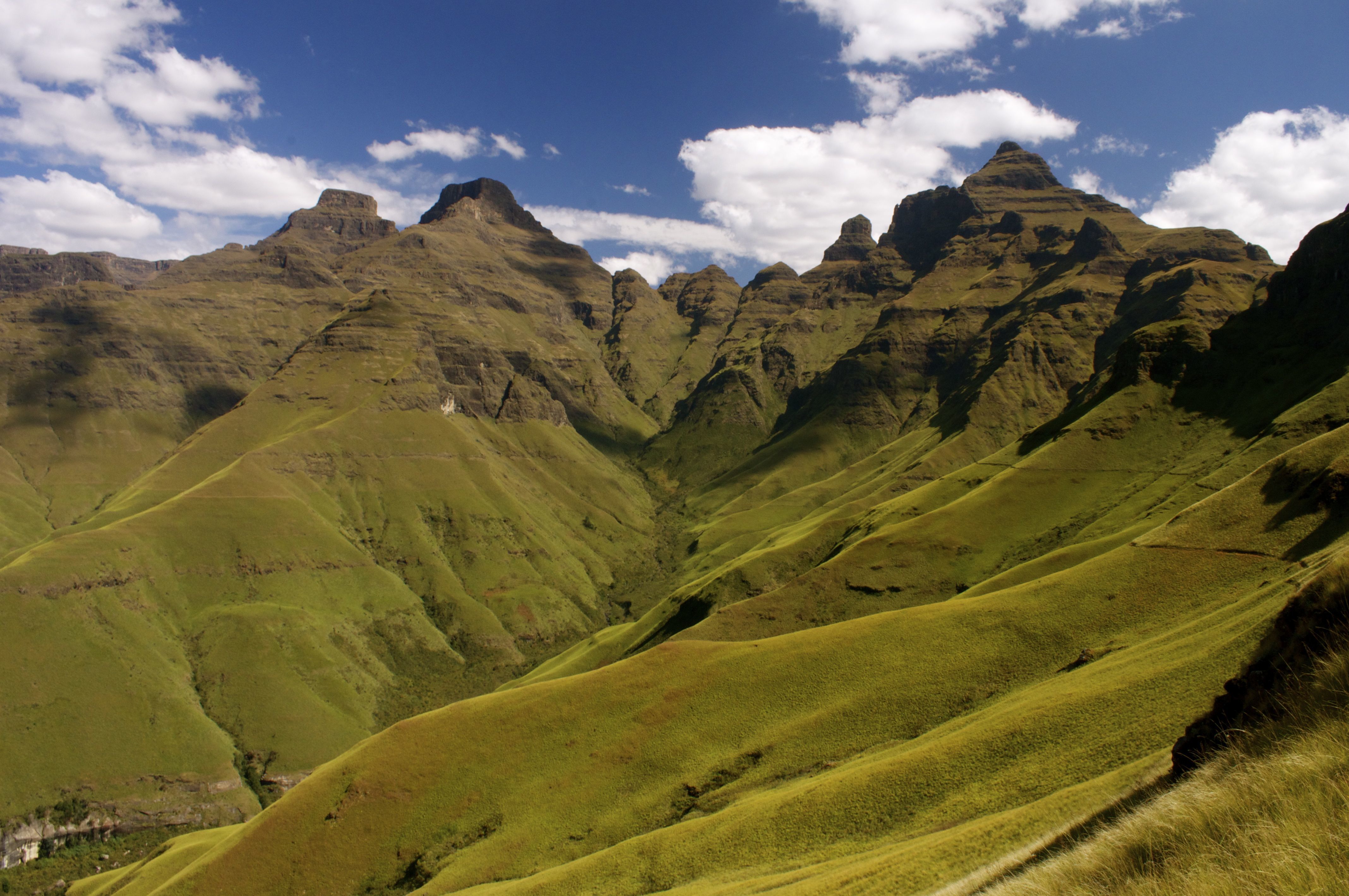


The layers of the Earth would best fit into which sphere?
Biosphere
Geosphere
Hydrosphere
Atmosphere

When water changes from a liquid to a gas
Condensation
Precipitation
Infiltration
Evaporation

Water vapor from the air has cooled down forming liquid water droplets on the outside of this glass. This is an example of?
Condensation
Precipitation
Infiltration
Evaporation

What force in the mantle is responsible for the movement of the tectonic plates?
Conduction currents
Radiation currents
Subduction zones
Convections currents

Which steps would most likely be responsible for the creation of cloud?
Precipitation and Condensation
Infiltration and Condensation
Evaporation and Precipitation
Evaporation and Condensation

According to the water cycle how did the water droplets form at the top of the bag?
Evaporation and condensation
Evaporation and precipitation
Condensation and precipitation
Infiltration and runoff
According to the water cycle how did the water droplets form at the top of the bag?
Evaporation and condensation
Evaporation and precipitation
Condensation and precipitation
Infiltration and runoff

Which gas is brought in by plants for photosynthesis (first answer)? Which gas is released by plants for photosynthesis (second answer)?
Nitrogen; oxygen
carbon dioxide; oxygen
carbon monoxide; oxygen
oxygen; carbon dioxide

What role do trees/plants have in the carbon cycle?
Plants increase the amount of carbon dioxide in the atmosphere
Plants decrease the amount of carbon dioxide in the atmosphere
Plants decrease the amount of oxygen in the atmosphere
Plants increase the amount of nitrogen in the atmosphere

Which part of the water cycle can be described as water falling down from a cloud?
Condensation
Precipitation
Isolation
Evaporation

