wayground logo

Free Printable Worksheets

Font size

S
M
L
XL
Worksheets

F2 Cambri - Genes,inheritance, Natural Selection,Human Excretion

Total questions: 111

Worksheet time: 1hrs 8mins

Name
Class
Date
1.
blood types consist of 4 different alleles.
a)
false
b)
true
2.
incomplete dominance means that there traits are,,,
a)
expressed equally
b)
dominant
c)
recessive
d)
blended
3.
polygenic means that _________ control a characteristic
a)
many genes
b)
single genes
c)
3 genes
d)
no genes
4.
an example of polygenic inheritance is...
a)
height
b)
hitch hikers thumb
c)
blood types
5.
What is NOT a possible genotype for someone with type B blood?
a)
BB
b)
AB
c)
BO
6.
What is the genotype of a person with type A blood, who had a father with type O blood?
a)
AB
b)
AO
c)
AA
d)
OO
7.
What are the blood types of the possible children that a woman (type O) and man (type AB) can have?
a)
O and AB
b)
O and A
c)
O and B
d)
A and B
8.
What is the phenotype of a person with the genotype AO?
a)
type A
b)
type O
c)
AA
d)
OO
9.
What do you call the non-Mendelian inheritance pattern where both traits are dominant and both appear in the organism with heterozygous genotype?
a)
Codominance
b)
Incomplete dominance
c)
Polygenic traits
10.
What pattern of inheritance is shown in this image?
a)
Codominance
b)
Incomplete dominance
c)
Polygenic traits
11.
What pattern of inheritance is shown in this image?
a)
Codominance
b)
Incomplete dominance
c)
Polygenic traits
12.
A man with type O blood is accused of being the father of a type B baby. The mother is type A. Could this man be the father? 
a)
Yes 
b)
No
13.
What blood type would an individual have if this was one of the cells seen under a microscope?
a)
Type A
b)
Type B
c)
Type AB
d)
Type O
14.
A breed of chicken shows codominance for feather color. One allele codes for black feathers, another codes for white feathers. The feathers of heterozygous chickens of this breed will be:
a)
all black
b)
all white
c)
all gray
d)
speckled black and white
15.
Which term(s) best describes the inheritance of human blood types? 
a)
incomplete dominance and multiple alleles
b)
codominance and epistasis
c)
codominance and multiple alleles
d)
incomplete dominance and codominance
16.
Which sentence does not describe a way in which genetic variation increases during meiosis?
a)
Random segregation of homologous chromosomes during metaphase/anaphase I.
b)
Random mutation of the genetic code during DNA replication.
c)
Random segregation of chromatids during metaphase/anaphase II.
d)
Crossing-over of homologous chromosomes, to exchange parts of their arms.
e)
na
17.
Choose the correct word to describe the physical, biochemical and behavioural characteristics of an individual, caused by how their genes interact with the environment?
a)
Morphology
b)
Genotype
c)
Physiology
d)
Phenotype
e)
na
18.
Two individuals who are heterozygous for gene Y have a child. What is the probability that their child will be heterozygous for the gene?
a)
25 %
b)
50 %
c)
75 %
d)
100 %
e)
na
19.

The Punnett square above shows a cross between two doubly heterozygote nasturtiums (a type of flowering plant). • The gene for flower colour has two alleles – plants which are homozygous for FB have indigo flowers, heterozygotes have light blue flowers, and plants which are homozygous for FG have white flowers.

• The gene R controls petal shape – plants with the dominant (R) allele have short, round petals, and plants with two recessive (r) alleles have elongated petals. What proportion of the offspring should have light blue flowers and short, round petals?

a)

6/16 (38 %)

b)

8/16 (50 %)

c)

9/16 (56 %)

d)

12/16 (75 %)

e)

na

20.
Study question 4) again. Which term correctly describes alleles FB and FG?
a)
Epistatic
b)
Dihybrid
c)
Co-dominant
d)
Recessive
e)
na
21.
A diagram shows how an allele for a recessive genetic condition is inherited across a family. What name is given to this type of diagram?
a)
Pedigree chart
b)
Phylogenetic tree
c)
Monohybrid cross
d)
Test cross
e)
na
22.
A gene, H, has a recessive allele (Xh) which causes haemophilia. It is found on the X-chromosome. A mother who is a carrier for the haemophilia allele has a son. What is the probability that her son will have haemophilia?
a)
25 %
b)
50 %
c)
75 %
d)
More information needed.
e)
na
23.
Choose the correct definition of ‘epistasis’.
a)
A gene is modified by methylation or phosphorylation, affecting whether or not it is transcribed.
b)
Two alleles of the same gene each contribute to the overall phenotype of the individual.
c)
A gene produces a protein which in turn inhibits the transcription of the gene.
d)
The genotype of one gene controls whether another gene is able to be expressed.
e)
na
24.

The results above show observed versus expected results of a dihybrid cross between two rabbits. Carry out a chi-squared test on the results. Which value is the outcome of the chi-squared test?

a)

1.74

b)

3.33

c)

11.1

d)

12.1

e)

na

25.
Which form of selection does the graph above show?
a)
Stabilising selection
b)
Directional selection
c)
Disruptive selection
d)
Clonal selection
e)
na
26.
A gene, K, controls the production of the enzyme phenylalanine hydroxylase. It has two alleles: • K – the dominant allele, creates a normal enzyme. • k – the recessive allele, creates a dysfunctional enzyme which causes the disease phenylketonuria (PKU). In an isolated island population, the proportion of people with PKU is 0.04 (4%). What proportion of the population has at least one copy of the recessive k allele?
a)
0.04
b)
0.32
c)
0.36
d)
0.64
e)
na
27.
Under which set of conditions might sympatric speciation happen?
a)
A butterfly lays its eggs on a different kind of plant leaf; its offspring feed on the leaf, and return to the same type of plant to mate.
b)
A small, fast-flowing river changes its course through a forest, separating two snail poulations
c)
A group of birds is carried off course during a mass migration, and settles on a different landmass.
d)
A drifting log carries a small group of woodlice away from the main population to a volcanic island.
e)
na
28.
Which sentence below does not describe artificial selection?
a)
Melanic (dark) peppered moths becoming more common because they were inconspicuous against sooty buildings.
b)
Bananas becoming more nutritious because farmers consciously chose seeds from plants with large fruit.
c)
Wolves being domesticated because the tamer individuals were more likely to coexist successfully with human communities and, therefore, be bred for offspring.
d)
Modern botanists crossing two subspecies of begonia to produce a new commercial variety.
e)
na
29.
What are small stretches of DNA that code for traits
a)
Nucleus
b)
Chromosomes
c)
Gene
d)
Centromeres
30.
Where is all the genetic information in a cell?
a)
Nucleus
b)
Nucleotides
c)
Chromosomes
d)
Cytoplasm
31.
What does DNA stand for?
a)
Deoxyribonucleic Acid
b)
Deoxyribose Enzymes
c)
Deoxyribose Messenger 
d)
Retro deoxyribose Acis
32.
Which of the following would be coded in your DNA?
a)
proteins and hormones
b)
athletic ability
c)
reading and speaking
d)
dance routines
33.
Who was the father of genetics 
a)
Sagan 
b)
Issac Newton 
c)
Gregor Mendel 
d)
C.jenkins 
34.
One form of a gene is called_______________
a)
a DNA
b)
a Phenotype
c)
a trait
d)
an allele
35.

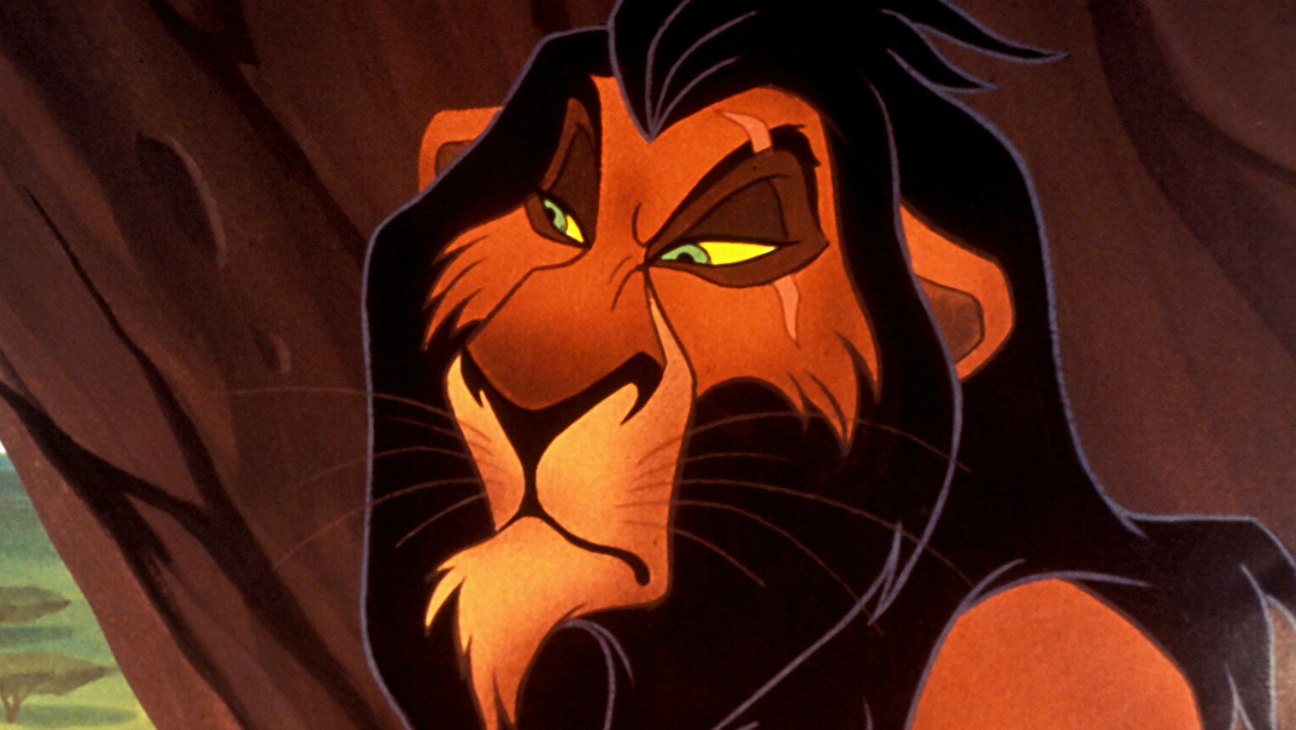
Why does Scar have a scar but his brother Mufasa does not?

a)

Mufasa did not inherit it

b)

The scar gene skipped a generation

c)

The scar is an environmental trait

d)

Mufasa is not his brother

36.
The genotype is the ______________.
a)
physical appearance
b)
Genetic makeup
c)
Alleles gained from one parent
37.
The phenotype is the _______________.
a)
physical appearance of an organism
b)
Genetic makeup 
c)
Alleles acquired from a specific parent.
38.
The passing of characters from parents to offspring is called?
a)
Monohybrid cross
b)
Heredity
c)
True breeding
d)
Genetics
39.
An allele whose trait only shows up when no dominant allele is present.
a)
hidden allele
b)
dominant allele
c)
recessive allele
d)
present allele
40.
How much of your DNA do you inherit from your mom?
a)
10%
b)
25%
c)
50%
d)
it varies
41.
Each parent contributes one of the genes for a particular trait. The genes of the pair are called:
a)
variables
b)
gametes
c)
hybrids
d)
alleles
42.
Two brown eyed parents (Bb) have a baby. What is the chance the baby is blue eyed?
a)
0 %
b)
25%
c)
50%
d)
75%
43.
An allele whose trait always shows up in the organism when the allele is present.
a)
recessive allele
b)
dominant allele
c)
hidden allele
d)
present allele
44.
Variations of a trait are __________________.
a)
genes
b)
chromosomes
c)
hybrids
d)
alleles
45.
What are small stretches of DNA that code for traits
a)
Nucleus
b)
Chromosomes
c)
Gene
d)
Centromeres
46.
Where is all the genetic information in a cell?
a)
Nucleus
b)
Nucleotides
c)
Chromosomes
d)
Cytoplasm
47.

A genetically determined characteristic.

a)

trait

b)

genotype

c)

phenotype

d)

gene

48.
The yellow part of this picture is DNA. What do you think the turquoise part around it is?
a)
chromosome
b)
gene
c)
DNA
d)
ACTG
49.
What is a gene?
a)
A bundle (like a hot dog bun) that the DNA is packed into
b)
something inside the nucleus
c)
a piece of DNA
d)
all of your DNA
50.
A single piece of coiled DNA found in the cells; contains genes that encode traits.
a)
gene
b)
chromosome
c)
trait
d)
DNA
51.
What is the relationship between DNA and chromosomes?
a)
Chromosomes are made of DNA
b)
DNA is made of chromosomes
c)
DNA and chromosomes are the same thing.
d)
All of the above are correct
52.
How many pairs of chromosomes exist in each of your cells?
a)
10
b)
12
c)
23
d)
46
53.
Why are your chromosomes arranged in pairs?
a)
Scientists have no idea
b)
Because you get one from your mom and one from your dad
c)
Because pairs can divide easier
d)
Because DNA is awesome
54.
Which is true about DNA?
a)
Only animals have DNA in their cells
b)
DNA research is simple and quick
c)
DNA contains many genes
d)
None of the above are true.
55.

a)

A

b)

B

c)

C

d)

D

56.

a)

A

b)

B

c)

C

d)

D

57.

a)

A

b)

B

c)

C

d)

D

58.

a)

A

b)

B

c)

C

d)

D

59.

a)

A

b)

B

c)

C

d)

D

60.

a)

A

b)

B

c)

C

d)

D

61.

a)

A

b)

B

c)

C

d)

D

62.

a)

A

b)

B

c)

C

d)

D

63.

a)

A

b)

B

c)

C

d)

D

64.

a)

A

b)

B

c)

C

d)

D

65.

a)

A

b)

B

c)

C

d)

D

66.

a)

A

b)

B

c)

C

d)

D

67.

a)

A

b)

B

c)

C

d)

D

68.

a)

A

b)

B

c)

C

d)

D

69.

a)

A

b)

B

c)

C

d)

D

70.

a)

A

b)

B

c)

C

d)

D

71.

a)

A

b)

B

c)

C

d)

D

72.

a)

A

b)

B

c)

C

d)

D

73.

a)

A

b)

B

c)

C

d)

D

74.

a)

A

b)

B

c)

C

d)

D

75.

a)

A

b)

B

c)

C

d)

D

76.

a)

A

b)

B

c)

C

d)

D

77.

a)

A

b)

B

c)

C

d)

D

78.

a)

A

b)

B

c)

C

d)

D

79.

a)

A

b)

B

c)

C

d)

D

80.

a)

A

b)

B

c)

C

d)

D

81.

a)

A

b)

B

c)

C

d)

D

82.

a)

A

b)

B

c)

C

d)

D

83.

a)

A

b)

B

c)

C

d)

D

84.

a)

A

b)

B

c)

C

d)

D

85.

a)

A

b)

B

c)

C

d)

D

86.

a)

A

b)

B

c)

C

d)

D

87.

a)

A

b)

B

c)

C

d)

D

88.

a)

A

b)

B

c)

C

d)

D

89.

a)

A

b)

B

c)

C

d)

D

90.

a)

A

b)

B

c)

C

d)

D

91.

a)

A

b)

B

c)

C

d)

D

92.

Which of the following is an example of natural selection?

a)

hummingbirds drinking nectar from a plant

b)

whales and dolphins swimming to the waters surface to breathe

c)

Sloths making their homes high in trees to protect themselves from predators

d)

Brown-colored lizards surviving and reproducting because they are better able to camouflage themselves from predators.

93.

A gradual change over time in a species that enables the species to better survive in its environment is known as a(n)...

a)

adaptation

b)

habitat

c)

population

d)

competition

94.

Which of the following statements about variations in speies or populations is TRUE?

a)

Variations help species and populations to survive

b)

All organisms in a population have the same variations

c)

physical variations are the only traits that help species or populations survive

d)

Behavior variations are the only traits that help species or populations survive.

95.

Which of the following is NOT a reason organisms might migrate?

a)

to reproduce

b)

to get more food

c)

to avoid being eaten by predators

d)

to find a more suitable climate

96.

The graph shows how the population of spiders in one habitat changed over the last 60 years. Based on the data presented in the graph, what can you infer about the population of spiders?

a)

allthe tan spiders were eaten by other insects

b)

the green spiders are best suited for the habitat

c)

the yellow spiders are best suited for the habitat

d)

the brown spiders cannot find encough food to eat.

97.

Why do organisms have to compete for resources?

a)

Habitats overlap

b)

There are too many resources

c)

Animal like the competition

d)

Organsim do not have to compete for resources

98.

What do you think would MOST LIKELY happen if a partiular species only came in one size and predators ate that one size?

a)

the predators would get sick

b)

the species would become extinct

c)

the species would reproduce quickly

d)

Nothing would happen to the species

99.

The venn diagram compares and contrast migration and hibernation. What can you conclude, based on the information in the diagram?

a)

both are a response to change in the environemnt

b)

migration and hibernation require organisms to move

c)

a lot of energy is required for migration and hibernation

d)

the only response to a change in an environment is hibernation

100.

Which of the following is a chemical process that happens in the body of organisms that produces light?

a)

bioluminescence

b)

hibernation

c)

migration

d)

luminary

101.

Which statement Best describes how hibernation enhances a ground squirrel's chance of survival?

a)

During hibernation, the ground squirrel's herat rate speeds up to warm its body?

b)

Hibernation causes the ground squirrel to die but come back to life whenthe weather gets warm again

c)

during hibernation, the ground squirrel moves to a warmer climate and does not return until it gets warm again

d)

Hibernation slows the ground squirrel's body processes down so it is uses less energy in the cold winter months when food is scarce.

102.
These cause variations.
a)
mutations
b)
adaptations
c)
a desire to change
d)
injuries
103.

Why are advantageous traits more likely to be passed onto offspring?

a)

Because they are more likely to survive and reproduce.

b)

Because they come from dominant alleles.

c)

Because they come from recessive alleles.

d)

Because the organism knew it needed that trait, survives, and passes it on.

104.
Mutations are a change in what?
a)
DNA
b)
tRNA
c)
genotype
d)
phenotype
105.
The differences among a species, like different bird beaks, are called
a)
genes.
b)
variations.
c)
traits.
d)
theories.
106.
What process is being shown in this image?
a)
Variation
b)
Natural Selection
c)
Selective Breeding
d)
Homeostasis
107.
Organisms that are better adapted to the environment survive to pass traits to their offspring
a)
Natural Selection
b)
Homeostasis
c)
Selective Breeding
d)
Extinction
108.
Which best describes the role of mutations in natural selection?
a)
Mutations help an organism to better survive in their environment
b)
An organism may acquire a helpful mutation by interacting with the environment
c)
A mutation may result in an adaptive trait that makes an organism more likely to survive and reproduce
d)
Organisms with certain traits are more likely to win competitions for mutations
109.
Behavioral changes of individuals of a species that allow for better survival. (Acquired traits)
a)
Variation
b)
Adaptation
c)
Behavior
d)
Environment
110.
Organisms with the most beneficial traits will survive.  This is commonly known as
a)
theory of evolution.
b)
variations.
c)
survival of the fittest.
d)
ecosystems.
111.

The graphs below show the changes in crab color at one beach.

Which of the following is most likely to have caused the change in the distribution?

a)

A new predator arrived that preferred dark-tan crabs.

b)

A new predator arrived that preferred light-tan crabs.

c)

A change in beach color made medium-tan crabs the least visible to predators.

d)

A change in beach color made medium-tan crabs the most visible to predators.