
 Worksheets
Chemical Bonding Quiz Review
Total questions: 20
Worksheet time: 10mins
Name
Class
Date
1.
1) What is a chemical bond?
a)
A fixed income instrument that represents a loan made by an investor
b)
A strong attraction between atoms that holds them together to make molecules
c)
Two chemicals that get along really well
d)
The number of valence electrons of an atom contains
2.
2) Atoms combine to make molecules. Which subatomic particle is most important for bonding?
a)
Protons
b)
Electrons
c)
Neutrons
d)
Neutrinos
3.

3) Which of these subatomic particles is an electron?
a)
a
b)
b
c)
c
d)
Not Pictured
4.

4)This is the equation plants use for photosynthesis! How many molecules of CO₂ does it take for the plant to complete the reaction shown? 6 CO₂ + 6 H₂O → C₆H₁₂O₆ + 6 O₂
a)
6
b)
12
c)
18
5.

5) How many VALENCE electrons are in a neutral strontium atom?
a)
1
b)
2
c)
38
d)
8
6.
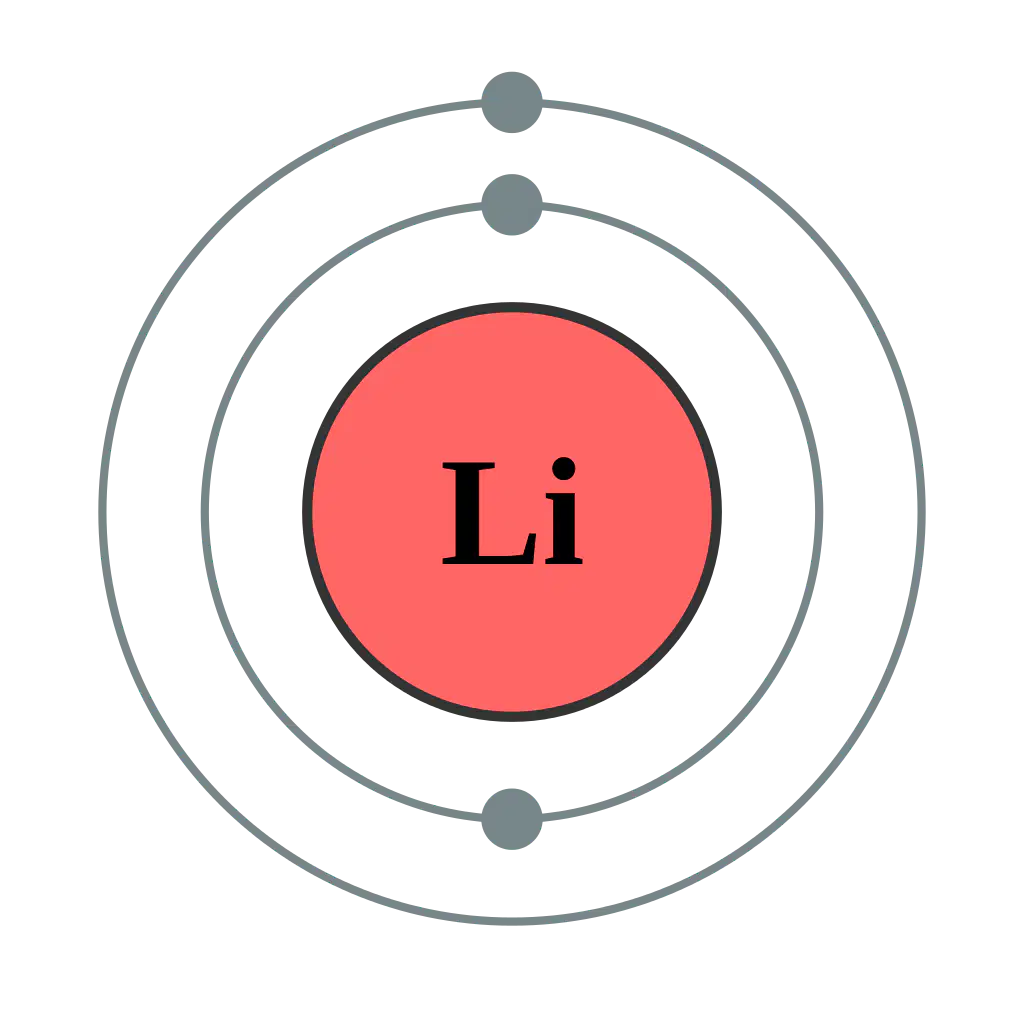
6) How many valence electrons are in a neutral lithium atom?
a)
1
b)
2
c)
3
d)
8
7.
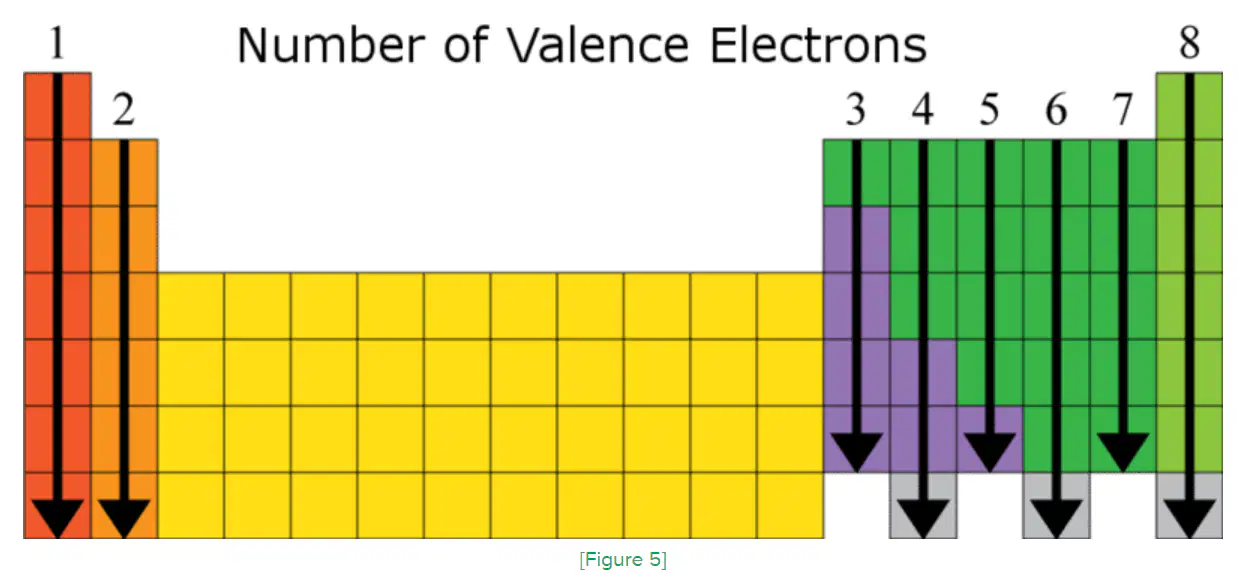
7) The periodic table can be used to quickly find the number of valence electrons a neutral atom contains. What are these numbers at the top of each column known as?
a)
Group Number
b)
Period Number
c)
Atomic Number
d)
Quantum Number
8.
8) Atoms lose, gain, or share valence electrons to satisfy ___________. This means having 8 electrons in the outside shell!
a)
the Octet Rule
b)
the Heisenburg Uncertainty Principle
c)
Hund's Rule
d)
the Rule of Nines
9.
9) In a chemical reaction, the ______________________ are the substances you start with.
a)
Products
b)
Reactants
c)
Yields
d)
Solutions
10.
10) Sulfur is in group 6 on the Periodic Table. Which of the following is a correct Lewis dot diagram for sulfur?
a)
,
b)
.
c)
'
d)
`
11.
11) In the chemical formula for ammonia NH₃ , what does the 3 represent?
a)
The number of nitrogen and hydrogen atoms in each molecule of ammonia
b)
The number of hydrogen atoms in each molecule of ammonia
c)
The number of ammonia molecules that will bond together
d)
The number of nitrogen atoms in each molecule of ammonia
12.
12) Which of the following is the correct Lewis dot diagram for krypton? Krypton is in group 8.
a)
`
b)
'
c)
.
d)
,
13.
13) What coefficient belongs in the black square to properly balance this chemical equation?
Zn +▮HCl ---> ZnCl₂ + H₂
a)
3
b)
2
c)
6
d)
4
14.
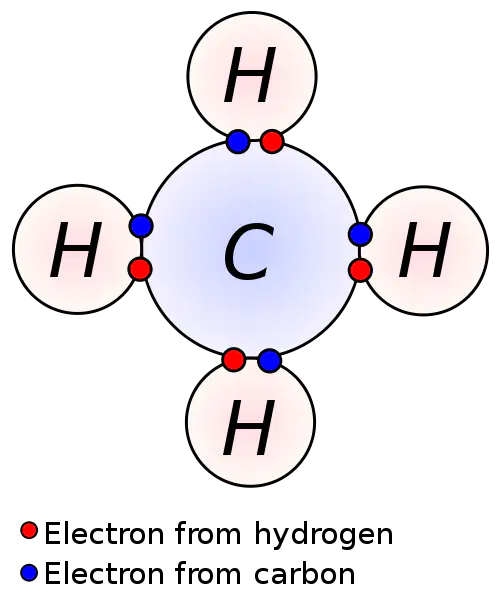
14) Chemical bonds make of almost all the matter we interact with everyday. Which type of bonds involve the sharing of electrons?
a)
Ionic
b)
Covalent
c)
Metallic
d)
Super
15.

15) Chemical bonds make of almost all the matter we interact with everyday. Which type of bonds involve complete transfer of electrons. Usually this occurs by a metal donating electrons to a non-metal.
a)
Ionic
b)
Covalent
c)
Metallic
d)
Super
16.
What coefficient belongs in the black box in order to balance this chemical equation?
NaCl₆ + O₂ → NaO₂ + ▮Cl₂
a)
12
b)
3
c)
2
d)
6
17.
17) Which of the following is the correct Lewis dot diagram for the molecule created when 2 atoms of Fluorine bond? Florine is in group 7.
a)
,
b)
`
c)
'
d)
.
18.
18. An ion is...
a)
An atom with a full valence shell
b)
An atom with a positive or negative charge
c)
When two atoms share electrons
d)
Hydrogen
19.
19. Ionic Bonds occur when...
a)
A metal gives an electron to another metal
b)
A metal gives an electron to a non-metal
c)
A non-metal and a non-metal both share electrons
d)
When two metals steal each others electrons.
20.
20. The Law of Conservation of Mass states that...
a)
The mass of the reactants must be equal to the mass of the products
b)
Atoms CAN be created
c)
Atoms CAN be destroyed
d)
New atoms are made during chemical reactions
100 %

