
 Worksheets
Easter PE Quiz
Total questions: 98
Worksheet time: 33mins

What bone is highlighted?
Skull (Cranium)
Mandible
Clavicle
Scapula
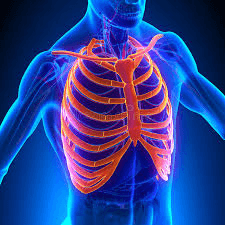
What bone is highlighted?
Ribs
Vertebrae
Clavicle
Femur

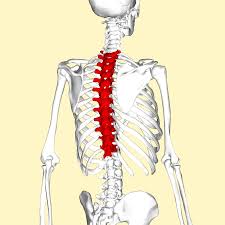
What bone is highlighted?
Radius
Ulna
Humerus
Carpals

What bone is highlighted?
Radius
Ulna
Humerus
Carpals
From wrist to fingertip, what is the order of bones?
Carpals, metacarpals, phalanges
Phalanges, metacarpals, carpals
Carpals, phalanges, metacarpals
Metacarpals, carpals, phalanges

Which of the following is not a function of bones?
Protection
Blood cell formation
Storage
Absorption


Which of the following bones is INCORRECTLY matched with its type?
ribs--irregular
carpals--short
ulna--long
cranium--flat


What type of bone is the cranium

What is the bone highlighted called?
Ribs
Vertebrae
Sternum
Cranium
What are the 2 articulating bones at the shoulder?
Ulna
Radius
Humerus
Scapula
Tarsals
What are the 2 articulating bones at the hip?
Pelvis
Cranium
Radius
Femur
RIbs

What does a tendon do?
Hold muscles together.
Hold joints in place.
Connect bone to bone.
Connect bone to muscle.
Identify the correct difference between inhaled and exhaled air
oxygen levels have decreased and carbon dioxide levels have increased.
oxygen levels have increased and carbon dioxide levels have increased.
oxygen levels have decreased and carbon dioxide levels have decreased.
oxygen levels have increased and carbon dioxide levels have decreased.
Vital capacity is defined as
amount of air inspired and expired with each normal breath during rest or exercise.
is the greatest amount of air that can be made to pass into and out of the lungs by the most forceful inspiration and expiration.
the delivery of oxygen from the lungs to the bloodstream.
the movement of air from outside the body into the cells within tissues.
Tidal volume is defined as
amount of air inspired and expired with each normal breath during rest or exercise.
is the greatest amount of air that can be made to pass into and out of the lungs by the most forceful inspiration and expiration.
the delivery of oxygen from the lungs to the bloodstream.
the movement of air from outside the body into the cells within tissues.
Gaseous exchange is defined as
amount of air inspired and expired with each normal breath during rest or exercise.
is the greatest amount of air that can be made to pass into and out of the lungs by the most forceful inspiration and expiration.
the delivery of oxygen from the lungs to the bloodstream and the removal of carbon dioxide from the tissues.
the movement of air from outside the body into the cells within tissues.
Respiration is defined as
amount of air inspired and expired with each normal breath during rest or exercise.
is the greatest amount of air that can be made to pass into and out of the lungs by the most forceful inspiration and expiration.
the delivery of oxygen from the lungs to the bloodstream and the removal of carbon dioxide from the tissues.
the movement of air from outside the body into the cells within tissues.
The diaphragm is defined as
the primary muscle used in the process of inspiration. A dome shaped muscle.
the tube that takes air into the chest, also known as the windpipe.
tiny sacs at the end of the bronchioles, where gaseous exchange takes place.
a type of protein found in every red blood cell.
The trachea is defined as
the primary muscle used in the process of inspiration. A dome shaped muscle.
the tube that takes air into the chest, also known as the windpipe.
tiny sacs at the end of the bronchioles, where gaseous exchange takes place.
a type of protein found in every red blood cell.
The alveoli are defined as
the primary muscle used in the process of inspiration. A dome shaped muscle.
the tube that takes air into the chest, also known as the windpipe.
tiny sacs at the end of the bronchioles, where gaseous exchange takes place.
a type of protein found in every red blood cell.
The bronchus (bronchi) are defined as
the primary muscle used in the process of inspiration. A dome shaped muscle.
the tube that takes air into the chest, also known as the windpipe.
tube along which air passes from the trachea into the lungs.
a type of protein found in every red blood cell.
Define oxygen debt
The amount of oxygen needed at the end of a physical activity to break down any lactic acid.
working at a high intensity level without oxygen for energy production.
the volume of oxygen an athlete can consume while exercising at maximum capacity.
smaller branches coming off the bronchi.
Define VO2 max
The amount of oxygen needed at the end of a physical activity to break down any lactic acid.
working at a high intensity level without oxygen for energy production.
the volume of oxygen an athlete can consume while exercising at maximum capacity.
smaller branches coming off the bronchi.
Expiratory reserve volume is defined as
amount of air inspired and expired with each normal breath during rest or exercise.
the maximum volume that can be exhaled.
the delivery of oxygen from the lungs to the bloodstream.
the maximum volume that can be inhaled.
Progressive overload is best described as
Gradually increasing the amount of work in training so that fitness gains occur.
Matching the training to the requirements of the activity.
Matching the training to the requirements of the athlete/person.
Doing to much training
Specificity is best described as
Gradually increasing the amount of work in training so that fitness gains occur.
Matching the training to the requirements of the activity.
Matching the training to the requirements of the athlete/person.
Doing to much training
Individual needs is best described as
Gradually increasing the amount of work in training so that fitness gains occur.
Matching the training to the requirements of the activity.
Matching the training to the requirements of the athlete/person.
Doing to much training
Overtraining is best described as
Gradually increasing the amount of work in training so that fitness gains occur.
Matching the training to the requirements of the activity.
Matching the training to the requirements of the athlete/person.
Doing to much training
Reversibility is best described as
how often you train
The particular requirements of the activity.
Matching the training to the requirements of the athlete/person.
Gradually losing fitness instead of progressing or remaining at the current level.
Frequency is best described as
how often you train
The particular requirements of the activity.
how long you train
Gradually losing fitness instead of progressing or remaining at the current level.
Time is best described as
how often you train
The particular requirements of the activity.
how long you train
Gradually losing fitness instead of progressing or remaining at the current level.
Type is best described as
how often you train
Match the type of training with activity.
how long you train
Gradually losing fitness instead of progressing or remaining at the current level.
Intensity is best described as
how often you train
Match the type of training with activity.
how long you train
how hard you train
FITT relates to which principle of training
Specificity
Individual needs
Reversibility
Progressive overload
The Karvonen formula is used to estimate
training needs
fitness test results
training thresholds/zones
repetitions and sets
The Maximum Heart Rate (MHR) formula is
220 - AGE
200 - AGE
220 - 20
220
The Maximum Heart Rate (MHR) formula is
220 - AGE
200 - AGE
220 - 20
220
The aerobic training threshold/zone is
65-85% MHR
60-80% MHR
80-90% MHR
80-100% MHR
The anaerobic training threshold/zone is
65-85% MHR
60-80% MHR
80-90% MHR
80-100% MHR
Fats are used as an energy source for what type of activity
aerobic activity
anaerobic activity
weight training
plyometric training
Carbohydrates are used as an energy source for what type of activity
aerobic activity
anaerobic activity
aerobic and anaerobic activity
plyometric training
To break down fats
oxygen is required
oxygen isn't required
oxygen, nitrogen and carbon dioxide are required
white blood cells are required
To break down carbohydrates
oxygen is required
oxygen isn't required
oxygen, nitrogen and carbon dioxide are required
white blood cells are required
What happens to fats that are not required straight for exercise?
excreted.
stored in fat cells.
Released through sweat.
Fats should make up no more than
50% of your diet
10% of your diet
30% of your diet
45% of your diet
Which nutrient is the body's main energy source?
fats
fiber
carbohydrates
protein
Define simple carbohydrates
made up of glucose, fructose and sucrose and are found in fruit but also refined sugars such as sweets and cakes. They provide short spikes of energy.
made up of natural foods such as brown rice, whole meal pasta and potatoes. They provide slower and longer releasing energy.
extra sugar added to food and drink
Found in meats, fish and diary. They assist with the repairing and rebuilding of muscles.
Define complex carbohydrates
made up of glucose, fructose and sucrose and are found in fruit but also refined sugars such as sweets and cakes. They provide short spikes of energy.
made up of natural foods such as brown rice, whole meal pasta and potatoes. They provide slower and longer releasing energy.
extra sugar added to food and drink
Found in meats, fish and diary. They assist with the repairing and rebuilding of muscles.
Define protein
made up of glucose, fructose and sucrose and are found in fruit but also refined sugars such as sweets and cakes. They provide short spikes of energy.
made up of natural foods such as brown rice, whole meal pasta and potatoes. They provide slower and longer releasing energy.
extra sugar added to food and drink
Found in meats, fish and diary. They assist with the repairing and rebuilding of muscles.
Short high-intensity exercise is
Anaerobic - the energy required will come from carbohydrates.
Aerobic and Anaerobic - the energy will come from both carbohydrates and fats.
Aerobic - the energy will come from your fat stores.
Anaerobic - the energy required will come from fats.
moderate intensity exercise (up to hours) is
Anaerobic - the energy required will come from carbohydrates.
Aerobic and Anaerobic - the energy will come from both carbohydrates and fats.
Aerobic - the energy will come from your fat stores.
Anaerobic - the energy required will come from fats.
low intensity exercise (long duration) is
Anaerobic - the energy required will come from carbohydrates.
Aerobic and Anaerobic - the energy will come from both carbohydrates and fats.
Aerobic - the energy will come from your fat stores.
Anaerobic - the energy required will come from fats.
Carbohydrates should make up around
50% of your diet
10% of your diet
30% of your diet
45% of your diet
Free sugars are any sugars added to food or drinks, or found naturally in honey and syrups. The they should make up
5% of your diet
20% of your diet
30% of your diet
50% of your diet
Macronutrients are
carbohydrates, fats and proteins
carbohydrates, fats, proteins, vitamins and minerals
vitamins and minderals
carbohydrates and fats
A long term effect of exercise on the skeletal system is
Increased chance of fracture
increased density of bones
increase in speed
reduced chance of a muscular strain
A long term effect of exercise on the skeletal system is
Increased chance of injury
decreased recovery rate
stronger tendons and ligaments
reduced chance of a muscular strain
Hypertrophy is a long term effect on the muscular system, which muscle fibres experience hypertrophy after prolonged aerobic exercise
fast twitch
both fast and slow twitch
slow twitch
all muscle types
A long term effect of exercise on the muscular system is
reduced blood pressure
increased number of alveoli
increased tolerance to lactic acid
decreased tolerance to lactic acid
A long term effect of exercise on the respiratory system is
increased number of alveoli
increased flexibility
increased strength
increased joint stability
A long term effect of exercise on the respiratory system is
cardiac hypertrophy
increase in the number of white blood cells
increased breathing rate
increased tidal volume and vital capacity
A long term effect of exercise on the respiratory system is
hypertrophy
increase strength of diaphragm and intercostal muscles
increased resting heart rate
decreased tidal volume and vital capacity
A long term effect of exercise on the cardiovascular system is
faster recovery rate
decreased capillaristion
increased number of blood cells
increased strength
A long term effect of exercise on the cardiovascular system is
recovery rate
increased capillarisation
increased bone density
increased strength
A long term effect of exercise on the cardiovascular system is
recovery rate
increased resting stroke volume
increased bone density
increased strength
stronger ligaments are a long term effect of exercise on the skeletal system, how would this impact the performer
less chance of compounds fractures
less chance of a dislocation
more oxygen can be delivered to working muscles
allows more force to be produced by the player.
an increase in myoglobin is a long term effect of exercise on the muscular system, but what does it enable
it allows more oxygen to breathed in
more oxygen can be delivered to the working muscles
increase in the production of slow twitch muscle fibres
increased strength
an increase in red blood cells is a long term effect of exercise, but how does it impact the working body?
increase the delivery rate of the white blood cells when we are injured
allows for more CO2 to be delivered to the working muscles
allows for more oxygen to be delivered to the working muscles.
allows the lungs to fully inflate.
Define osteoporosis
a condition causing the bones to become brittle and fragile from loss of tissue, resulting from hormone changes, or a deficiency in calcium of vitamin d
a condition causing the bones to become fractured regularly, resulting from hormone changes, or a deficiency in calcium of vitamin d
a condition causing the tendons to become inflamed to become brittle and fragile from loss of tissue, resulting from hormone changes, or a deficiency in calcium of vitamin d
a condition causing the ligaments to become inflamed to become brittle and fragile from loss of tissue, resulting from hormone changes, or a deficiency in calcium of vitamin d
define coronary heart disease
when your pulmonary vein becomes narrow by a slow build-up of fatty materials within their walls
when your coronary arteries are narrowed due to an increase in resting blood pressure
when your coronary arteries become more elasticated by a slow build-up of fatty materials within their walls
when your coronary arteries are narrowed by a slow build-up of fatty materials within their walls
What acid builds up in muscles during exercise
Citric
Lactic
Hydrochloric
Sulphuric
Which exercise type predominantly causes lactate accumulation ?
Anaerobic
Aerobic
Stroke Volume is
The number of times your heart beats per minute
The volume of blood pumped per beat
The volume of blood pumped per minute
The volume of air breathed per minute
Cardiac output is
The volume of blood pumped out of the heart per minute
The volume of blood pumped out of the heart per beat
The number of times the heart beats in a minute
How do you pay back oxygen debt?
Visit the bank and get a loan
Use plyometric training
Breathe heavily
Use eccentric muscle contractions
A long term effect of exercise on the skeletal system is
Increased chance of fracture
increased density of bones
increase in speed
reduced chance of a muscular strain
A long term effect of exercise on the skeletal system is
Increased chance of injury
decreased recovery rate
stronger tendons and ligaments
reduced chance of a muscular strain
Hypertrophy is a long term effect on the muscular system, which muscle fibres experience hypertrophy after prolonged aerobic exercise
fast twitch
both fast and slow twitch
slow twitch
all muscle types
A long term effect of exercise on the muscular system is
reduced blood pressure
increased number of alveoli
increased tolerance to lactic acid
decreased tolerance to lactic acid
A long term effect of exercise on the respiratory system is
increased number of alveoli
increased flexibility
increased strength
increased joint stability
A long term effect of exercise on the respiratory system is
cardiac hypertrophy
increase in the number of white blood cells
increased breathing rate
increased tidal volume and vital capacity
A long term effect of exercise on the respiratory system is
hypertrophy
increase strength of diaphragm and intercostal muscles
increased resting heart rate
decreased tidal volume and vital capacity
A long term effect of exercise on the cardiovascular system is
faster recovery rate
decreased capillaristion
increased number of blood cells
increased strength
A long term effect of exercise on the cardiovascular system is
recovery rate
increased capillarisation
increased bone density
increased strength
A long term effect of exercise on the cardiovascular system is
recovery rate
increased resting stroke volume
increased bone density
increased strength
stronger ligaments are a long term effect of exercise on the skeletal system, how would this impact the performer
less chance of compounds fractures
less chance of a dislocation
more oxygen can be delivered to working muscles
allows more force to be produced by the player.
an increase in myoglobin is a long term effect of exercise on the muscular system, but what does it enable
it allows more oxygen to breathed in
more oxygen can be delivered to the working muscles
increase in the production of slow twitch muscle fibres
increased strength
an increase in red blood cells is a long term effect of exercise, but how does it impact the working body?
increase the delivery rate of the white blood cells when we are injured
allows for more CO2 to be delivered to the working muscles
allows for more oxygen to be delivered to the working muscles.
allows the lungs to fully inflate.
Define osteoporosis
a condition causing the bones to become brittle and fragile from loss of tissue, resulting from hormone changes, or a deficiency in calcium of vitamin d
a condition causing the bones to become fractured regularly, resulting from hormone changes, or a deficiency in calcium of vitamin d
a condition causing the tendons to become inflamed to become brittle and fragile from loss of tissue, resulting from hormone changes, or a deficiency in calcium of vitamin d
a condition causing the ligaments to become inflamed to become brittle and fragile from loss of tissue, resulting from hormone changes, or a deficiency in calcium of vitamin d
define coronary heart disease
when your pulmonary vein becomes narrow by a slow build-up of fatty materials within their walls
when your coronary arteries are narrowed due to an increase in resting blood pressure
when your coronary arteries become more elasticated by a slow build-up of fatty materials within their walls
when your coronary arteries are narrowed by a slow build-up of fatty materials within their walls

