wayground logo

Free Printable Worksheets

Font size

S
M
L
XL
Worksheets

Atom

Total questions: 122

Worksheet time: 1hrs 25mins

Name
Class
Date
1.
Choose the particle that has no charge.
a)
nucleus
b)
neutron
c)
proton
d)
electron
2.
Which particles make up the nucleus of an atom?
a)
protons and neutrons
b)
electrons and protons
c)
electrons, protons, and neutrons
d)
electrons and neutrons
3.
What is the atomic number of the atom pictured? 
a)
11
b)
12
c)
22
d)
23
4.
Oxygen’s atomic number is 8. This means that an oxygen atom must have
a)
8 electrons
b)
8 protons
c)
8 neutrons
d)
a mass number of 8
5.
 What is the mass number of this element?
a)
5
b)
27
c)
32
d)
59
6.

What are valence electrons?

a)

electrons in the first orbital always.

b)

nucleus

c)

the outermost shell

d)

the number of electrons present in the outermost orbital

7.

WhIch sub atomic particle vary between isotopes of an element?

a)

protons, electrons, and atomic mass

b)

protons, electrons, and atomic number

c)

neutrons and electrons

d)

neutrons only

8.
How many neutrons in C-14?
a)
6
b)
7
c)
14
d)
8
9.
Choose the particle that has no charge.
a)
nucleus
b)
neutron
c)
proton
d)
electron
10.
Which particles make up the nucleus of an atom?
a)
protons and neutrons
b)
electrons and protons
c)
electrons, protons, and neutrons
d)
electrons and neutrons
11.
What is the atomic number of the atom pictured? 
a)
11
b)
12
c)
22
d)
23
12.

What are valence electrons?

a)

electrons in the first orbital always.

b)

nucleus

c)

the outermost shell

d)

the number of electrons present in the outermost orbital

13.
How many neutrons in C-14?
a)
6
b)
7
c)
14
d)
8
14.
Choose the particle that has no charge.
a)
nucleus
b)
neutron
c)
proton
d)
electron
15.

The------ particle determines the identity of what element you have'

a)

electron

b)

proton

c)

neutron

d)

valence shell

16.
Which particles make up the nucleus of an atom?
a)
protons and neutrons
b)
electrons and protons
c)
electrons, protons, and neutrons
d)
electrons and neutrons
17.
What is the atomic number of the atom pictured? 
a)
11
b)
12
c)
22
d)
23
18.
What is the atomic mass of the atom pictured? 
a)
11
b)
12
c)
22
d)
23
19.
Oxygen’s atomic number is 8. This means that an oxygen atom must have
a)
8 electrons
b)
8 protons
c)
8 neutrons
d)
a mass number of 8
20.
 What is the mass number of this element?
a)
5
b)
27
c)
32
d)
59
21.

What are valence electrons?

a)

electrons in the first orbital always.

b)

nucleus

c)

the outermost shell

d)

the number of electrons present in the outermost orbital

22.

WhIch sub atomic particle vary between isotopes of an element?

a)

protons, electrons, and atomic mass

b)

protons, electrons, and atomic number

c)

neutrons and electrons

d)

neutrons only

23.
How many neutrons in C-14?
a)
6
b)
7
c)
14
d)
8
24.
Choose the particle that has no charge.
a)
nucleus
b)
neutron
c)
proton
d)
electron
25.

The------ particle determines the identity of what element you have'

a)

electron

b)

proton

c)

neutron

d)

valence shell

26.
Which particles make up the nucleus of an atom?
a)
protons and neutrons
b)
electrons and protons
c)
electrons, protons, and neutrons
d)
electrons and neutrons
27.
What is the atomic number of the atom pictured? 
a)
11
b)
12
c)
22
d)
23
28.
What is the atomic mass of the atom pictured? 
a)
11
b)
12
c)
22
d)
23
29.
Oxygen’s atomic number is 8. This means that an oxygen atom must have
a)
8 electrons
b)
8 protons
c)
8 neutrons
d)
a mass number of 8
30.
 What is the mass number of this element?
a)
5
b)
27
c)
32
d)
59
31.

What are valence electrons?

a)

electrons in the first orbital always.

b)

nucleus

c)

the outermost shell

d)

the number of electrons present in the outermost orbital

32.

WhIch sub atomic particle vary between isotopes of an element?

a)

protons, electrons, and atomic mass

b)

protons, electrons, and atomic number

c)

neutrons and electrons

d)

neutrons only

33.
How many neutrons in C-14?
a)
6
b)
7
c)
14
d)
8
34.
Choose the particle that has no charge.
a)
nucleus
b)
neutron
c)
proton
d)
electron
35.

The------ particle determines the identity of what element you have'

a)

electron

b)

proton

c)

neutron

d)

valence shell

36.
Which particles make up the nucleus of an atom?
a)
protons and neutrons
b)
electrons and protons
c)
electrons, protons, and neutrons
d)
electrons and neutrons
37.
What is the atomic number of the atom pictured? 
a)
11
b)
12
c)
22
d)
23
38.
What is the atomic mass of the atom pictured? 
a)
11
b)
12
c)
22
d)
23
39.
Oxygen’s atomic number is 8. This means that an oxygen atom must have
a)
8 electrons
b)
8 protons
c)
8 neutrons
d)
a mass number of 8
40.
 What is the mass number of this element?
a)
5
b)
27
c)
32
d)
59
41.

What are valence electrons?

a)

electrons in the first orbital always.

b)

nucleus

c)

the outermost shell

d)

the number of electrons present in the outermost orbital

42.

WhIch sub atomic particle vary between isotopes of an element?

a)

protons, electrons, and atomic mass

b)

protons, electrons, and atomic number

c)

neutrons and electrons

d)

neutrons only

43.
How many neutrons in C-14?
a)
6
b)
7
c)
14
d)
8
44.
Choose the particle that has no charge.
a)
nucleus
b)
neutron
c)
proton
d)
electron
45.

The------ particle determines the identity of what element you have'

a)

electron

b)

proton

c)

neutron

d)

valence shell

46.
Which particles make up the nucleus of an atom?
a)
protons and neutrons
b)
electrons and protons
c)
electrons, protons, and neutrons
d)
electrons and neutrons
47.
What is the atomic number of the atom pictured? 
a)
11
b)
12
c)
22
d)
23
48.
What is the atomic mass of the atom pictured? 
a)
11
b)
12
c)
22
d)
23
49.
Oxygen’s atomic number is 8. This means that an oxygen atom must have
a)
8 electrons
b)
8 protons
c)
8 neutrons
d)
a mass number of 8
50.
 What is the mass number of this element?
a)
5
b)
27
c)
32
d)
59
51.

What are valence electrons?

a)

electrons in the first orbital always.

b)

nucleus

c)

the outermost shell

d)

the number of electrons present in the outermost orbital

52.

WhIch sub atomic particle vary between isotopes of an element?

a)

protons, electrons, and atomic mass

b)

protons, electrons, and atomic number

c)

neutrons and electrons

d)

neutrons only

53.
How many neutrons in C-14?
a)
6
b)
7
c)
14
d)
8
54.
Choose the particle that has no charge.
a)
nucleus
b)
neutron
c)
proton
d)
electron
55.

The------ particle determines the identity of what element you have'

a)

electron

b)

proton

c)

neutron

d)

valence shell

56.
Which particles make up the nucleus of an atom?
a)
protons and neutrons
b)
electrons and protons
c)
electrons, protons, and neutrons
d)
electrons and neutrons
57.
What is the atomic number of the atom pictured? 
a)
11
b)
12
c)
22
d)
23
58.
What is the atomic mass of the atom pictured? 
a)
11
b)
12
c)
22
d)
23
59.
Oxygen’s atomic number is 8. This means that an oxygen atom must have
a)
8 electrons
b)
8 protons
c)
8 neutrons
d)
a mass number of 8
60.
 What is the mass number of this element?
a)
5
b)
27
c)
32
d)
59
61.

What are valence electrons?

a)

electrons in the first orbital always.

b)

nucleus

c)

the outermost shell

d)

the number of electrons present in the outermost orbital

62.

WhIch sub atomic particle vary between isotopes of an element?

a)

protons, electrons, and atomic mass

b)

protons, electrons, and atomic number

c)

neutrons and electrons

d)

neutrons only

63.
How many neutrons in C-14?
a)
6
b)
7
c)
14
d)
8
64.

What is the atomic number?

a)

the number of protons in the nucleus

b)

the number of protons and neutrons in the nucleus

c)

the number of neutrons in the nucleus

d)

the number of protons in the energy levels

65.

What is the mass number?

a)

the number of protons in the nucleus

b)

the number of protons and neutrons in the nucleus

c)

the number of neutrons in the nucleus

d)

the number of protons and electrons in the atom
66.

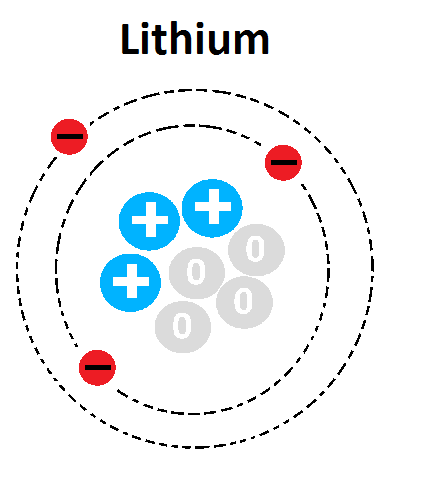
What is the mass number of this atom?

a)

1

b)

3

c)

4

d)

7

67.
Most of the mass in an atom is made up of _____________________?
a)
protons and electrons
b)
protons and neutrons
c)
neutrons and electrons
d)
electrons and quarks
68.
Most of the mass in an atom is made up of _____________________?
a)
protons and electrons
b)
protons and neutrons
c)
neutrons and electrons
d)
electrons and quarks
69.
In order for an atom to be neutral what has to be true?
a)
The atom has more protons than neutrons
b)
The atom has more neutrons than protons
c)
The atom has the same number of protons and neutrons
d)
The atom has the same number of protons and electrons
70.

What is the atomic number?

a)

the number of protons in the nucleus

b)

the number of protons and neutrons in the nucleus

c)

the number of neutrons in the nucleus

d)

the number of protons in the energy levels

71.

What is the mass number?

a)

the number of protons in the nucleus

b)

the number of protons and neutrons in the nucleus

c)

the number of neutrons in the nucleus

d)

the number of protons and electrons in the atom
72.

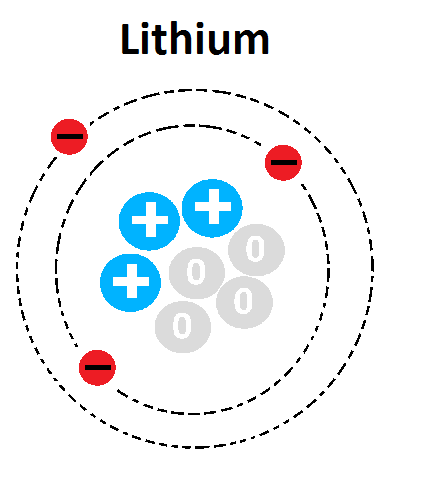
What is the atomic number of this atom?

a)

1

b)

3

c)

4

d)

7

73.

What is the mass number of this atom?

a)

1

b)

3

c)

4

d)

7

74.
Most of the mass in an atom is made up of _____________________?
a)
protons and electrons
b)
protons and neutrons
c)
neutrons and electrons
d)
electrons and quarks
75.
In order for an atom to be neutral what has to be true?
a)
The atom has more protons than neutrons
b)
The atom has more neutrons than protons
c)
The atom has the same number of protons and neutrons
d)
The atom has the same number of protons and electrons
76.
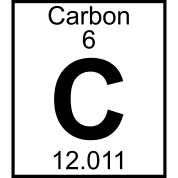
What does the C represent?
a)
atomic mass
b)
atomic number
c)
element name
d)
chemical symbol 
77.

What does the 6 represent?

a)

Atomic mass

b)

atomic number

c)

chemical symbol

d)

element name

78.
How is the number of neutrons in the nucleus of an atom calculated?
a)
Add the number of e- and p+ together
b)
Subtract the number of e- from p+
c)
Subtract the number of p+ from the mass number
d)
Add the mass number to the number of e-
79.
What subatomic particles would you find in the nucleus of an atom?
a)
Protons only
b)
Protons and Neutrons
c)
Neutrons and Electrons
d)
Protons and Electrons 
80.
Which subatomic particles contribute the most to the mass of an atom?
a)
Protons, Neutrons, Electrons
b)
Protons only
c)
Protons and Electrons
d)
Protons and Neutrons
81.
If an atom has 12 positively charged subatomic particles, which of the following must it also have to be considered a neutral atom?
a)
12 neutrons
b)
12 electrons
c)
12 protons
d)
24 protons and neutrons
82.

An atom has 10 protons, 15 neutrons and 10 electrons what is its mass number.

a)

20

b)

10

c)

35

d)

25

83.

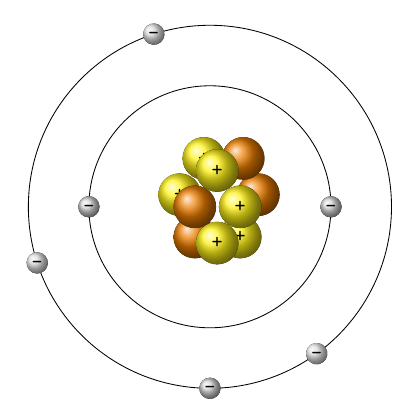
How many electrons does this atom have?

a)

2

b)

4

c)

6

d)

10

84.
The atomic number of an element that has 9 protons, 9 electrons, and 10 neutrons is _____.
a)
9
b)
10
c)
19
d)
28
85.
An element with a mass number of 11 and an atomic number of 5 has how many neutrons?
a)
11
b)
5
c)
6
d)
16
86.
Where is most of the mass in an atom located?
a)
in the nucleus
b)
in the protons
c)
in the neutrons
d)
in the electrons
87.
An atom has an atomic number of 15 and a mass number of 31. How many protons are there in the atom?
a)
15
b)
31
c)
16
d)
47
88.
What is the atomic number of the atom pictured? 
a)
9
b)
10
c)
18
d)
19
89.

Which of the following determines the identity of an element?

a)

number of protons

b)

atomic mass

c)

number of neutrons

d)

number of shells

90.

What is the atomic number?

a)

the number of protons in the nucleus

b)

the number of protons and neutrons in the nucleus

c)

the number of neutrons in the nucleus

d)

the number of protons in the energy levels

91.

What is the mass number?

a)

the number of protons in the nucleus

b)

the number of protons and neutrons in the nucleus

c)

the number of neutrons in the nucleus

d)

the number of protons and electrons in the atom

92.

What is the atomic number of this atom?

a)

1

b)

3

c)

4

d)

7

93.

What is the mass number of this atom?

a)

1

b)

3

c)

4

d)

7

94.
Most of the mass in an atom is made up of _____________________?
a)
protons and electrons
b)
protons and neutrons
c)
neutrons and electrons
d)
electrons and quarks
95.
In order for an atom to be neutral what has to be true?
a)
The atom has more protons than neutrons
b)
The atom has more neutrons than protons
c)
The atom has the same number of protons and neutrons
d)
The atom has the same number of protons and electrons
96.
What does the C represent?
a)
atomic mass
b)
atomic number
c)
element name
d)
chemical symbol 
97.

What does the 6 represent?

a)

Atomic mass

b)

atomic number

c)

chemical symbol

d)

element name

98.
How is the number of neutrons in the nucleus of an atom calculated?
a)
Add the number of e- and p+ together
b)
Subtract the number of e- from p+
c)
Subtract the number of p+ from the mass number
d)
Add the mass number to the number of e-
99.
What subatomic particles would you find in the nucleus of an atom?
a)
Protons only
b)
Protons and Neutrons
c)
Neutrons and Electrons
d)
Protons and Electrons 
100.
Which subatomic particles contribute the most to the mass of an atom?
a)
Protons, Neutrons, Electrons
b)
Protons only
c)
Protons and Electrons
d)
Protons and Neutrons
101.
If an atom has 12 positively charged subatomic particles, which of the following must it also have to be considered a neutral atom?
a)
12 neutrons
b)
12 electrons
c)
12 protons
d)
24 protons and neutrons
102.

An atom has 10 protons, 15 neutrons and 10 electrons what is its mass number.

a)

20

b)

10

c)

35

d)

25

103.

How many electrons does this atom have?

a)

2

b)

4

c)

6

d)

10

104.
The atomic number of an element that has 9 protons, 9 electrons, and 10 neutrons is _____.
a)
9
b)
10
c)
19
d)
28
105.
An element with a mass number of 11 and an atomic number of 5 has how many neutrons?
a)
11
b)
5
c)
6
d)
16
106.
Where is most of the mass in an atom located?
a)
in the nucleus
b)
in the protons
c)
in the neutrons
d)
in the electrons
107.
An atom has an atomic number of 15 and a mass number of 31. How many protons are there in the atom?
a)
15
b)
31
c)
16
d)
47
108.
What is the atomic number of the atom pictured? 
a)
9
b)
10
c)
18
d)
19
109.

Which of the following determines the identity of an element?

a)

number of protons

b)

atomic mass

c)

number of neutrons

d)

number of shells

110.

Which of the following determines the identity of an element?

a)

number of protons

b)

atomic mass

c)

number of neutrons

d)

number of shells

111.

Pilihlah yang merupakan partikel penyusun atom yaitu . . .

a)

Elektron

b)

Proton

c)

Neutron

112.

Partikel atom bermuatan negatif disebut . . .

(a)  

113.

Partikel atom yang tidak bermuatan disebut . . .

(a)  

114.

Partikel penyusun atom adalah ...

a)

proton

b)

neutron

c)

neutron dan elektron

d)

proton dan neutron

e)

proton, elektron, dan neutron

115.

Bentuk struktur atom yang dikemukakan oleh Rutherford !

a)
b)
c)
d)
116.

Jumlah elektron, proton, dan neutron pada atom dengan notasi tersebut adalah…

a)

23 proton, 12 elektron dan 11 neutron

b)

11 proton, 12 elektron dan 23 neutron

c)

11 proton, 11 elektron dan 12 neutron

d)

11 proton, 12 elektron dan 11 neutron

e)

12 proton, 11 elektron dan 11 neutron

117.

Jika satu atau lebih elektron dilepaskan dari suatu atom, maka atom tersebut akan bermuatan ….

a)

negatif


b)

positif

c)

netral

d)

negatif dan positif

118.

Jumlah proton, elektron, dan neutron yang benar secara berturut-turut adalah ….

a)

1, 2, dan 3

b)

2, 1, dan 3

c)

2, 2, dan 2

d)

3, 2, dan 1

119.

Rumus kimia berikut yang merupakan kation adalah ….

a)

H2S

b)

NH4+

c)

OH-

d)

NaCl

120.

Berikut ini yang merupakan molekul unsur adalah ….

a)

HCl


b)

N2

c)

NaOH

d)

H2O

121.

Senyawa Al2(So4)3 tersusun dari atom-atom Al, S. dan O berutur-turut sebanyak ….

a)

2, 1, dan 4

b)

2, 1, dan 7

c)

2, 3, dan 4

d)

2, 3, dan 12

122.

Nomor atom suatu unsur Ne yaitu 10. hal ini berarti bahwa pada inti setiap atom memiliki....

a)

10 proton

b)

10 elektron

c)

10 neutron

d)

5 proton dan 5 neutron