
 Worksheets
Unit 9 Lesson 1
Total questions: 50
Worksheet time: 35mins
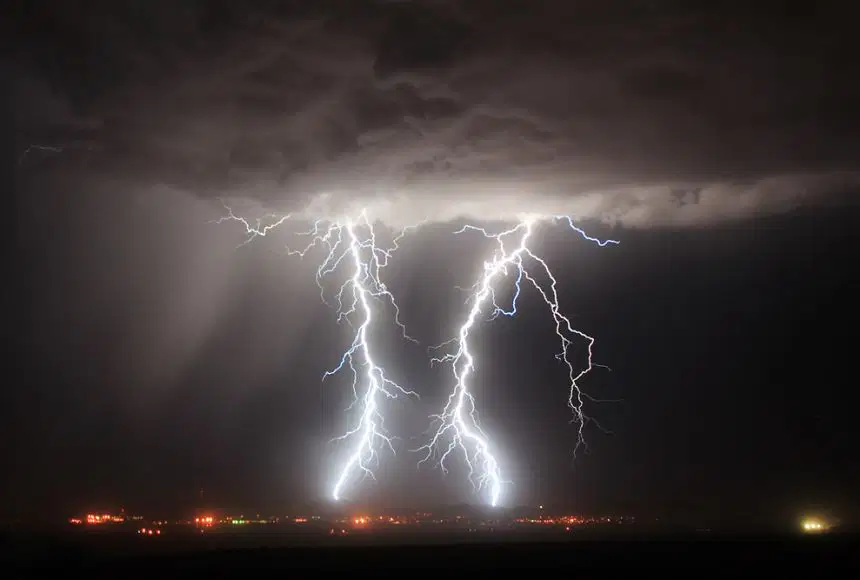
the temporary behavior of the atmosphere at any time
weather
climate
meteorology
forecast

an estimate of the future weather conditions
(a)
Which of the following does NOT affect the weather?
soil composition
the Sun
the water cycle
the atmosphere
the ocean

someone who studies the weather
(a)
Which of the following can change rapidly and refers to a small geographic area?
climate
weather
hemisphere
atmosphere
The (a) keeps the water cycle going.
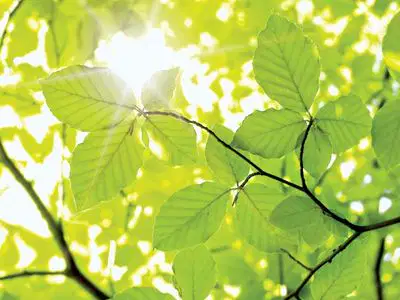
the evaporation of water from plants
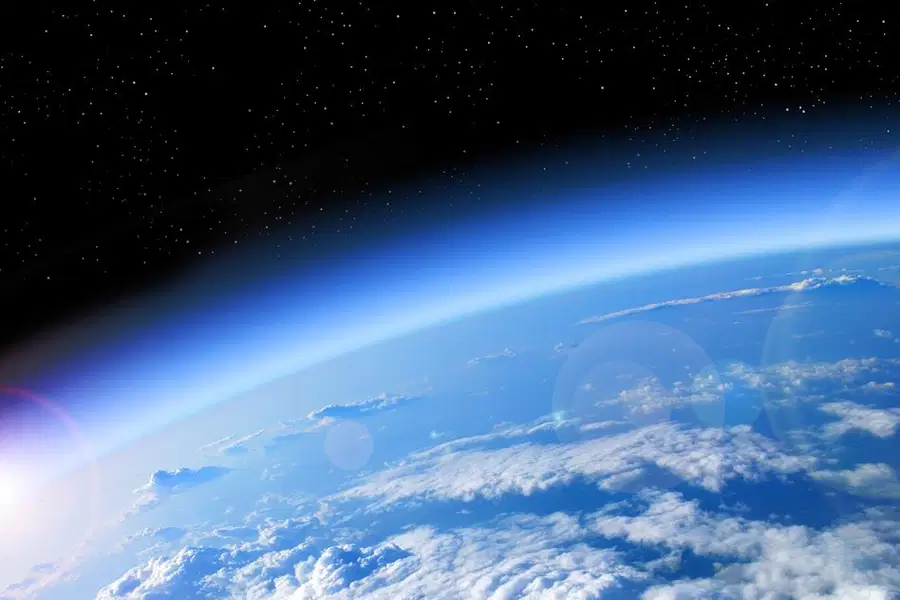
a mixture of gases that surrounds the Earth

Weather occurs in the (a) .
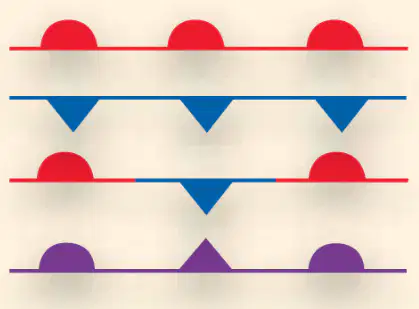
cold air replaces warmer air at the surface
Cold front
Warm front
Stationary front
Occluded front
warm air replaces cooler air at the surface
Cold front
Warm front
Stationary front
Occluded front
front is stalled or marginally moves
Cold front
Warm front
Stationary front
Occluded front
two cold fronts converge on a warm front
Cold front
Warm front
Stationary front
Occluded front
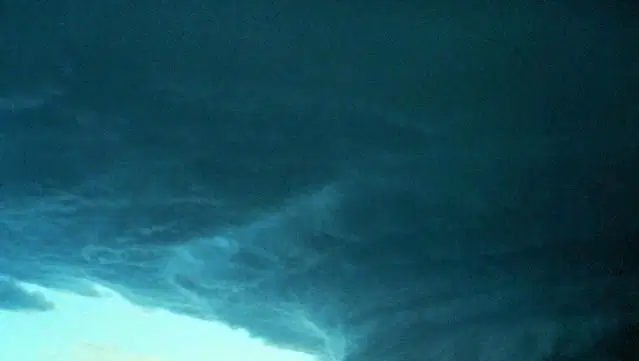
body of air with a certain temperature and moisture level
(a)
places where air masses meet
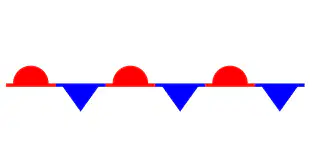
What type of font is represented by this picture?
(a)
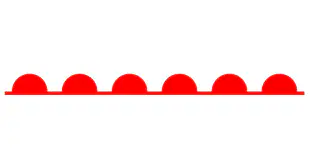
What type of front is represented by the picture?
(a)

What type of front is represented by the picture?
(a)

What type of front is in the picture?
(a)

What type of front could lead to many days of cloudy and wet weather?
What type of front could lead to strong winds and heavy precipitation?
What type of front could lead to gentle rain followed by warmer, milder weather?
What type of front could lead to gusty wings, lower temperatures, heavy rain and storms followed by cool, fair weather?

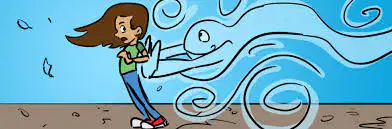
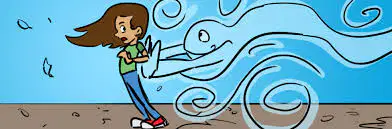
Winds are created by differences in (a) pressure.

Winds travel from areas of-
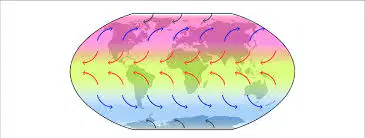
large air masses that are created mainly as a result of Earth's rotation and shape and the Sun's heating power
Global winds
The Sun provides energy for-
evaporation

Which of the following warms the atmosphere and oceans, creates climate zones, keeps the water cycle going, and affects weather patterns?
Falling air pressure leads to-
no change in weather
fair weather
stormy weather
Steady air pressure leads to-
no change in weather
fair weather
stormy weather
how much the Earth's atmosphere is pressing down on us
Air temperature
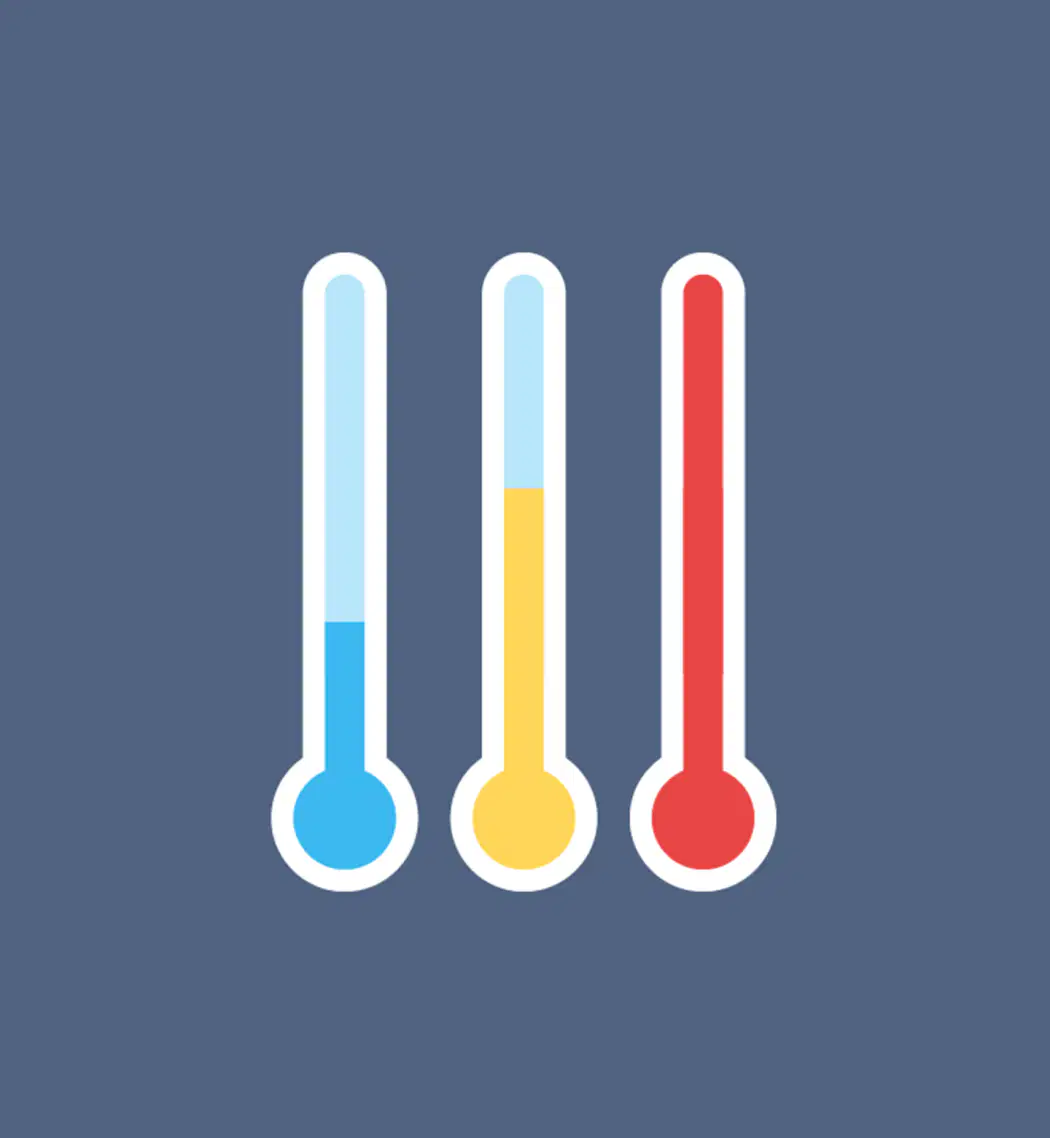
Air temperature and pressure change with-
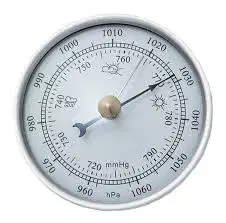
Which of the following is used to measure air pressure?
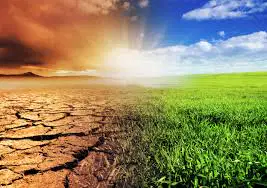
Long term behavior of the atmosphere that changes very slowly and refers to a large geographic area
Weather

Which climate zone is found between 90º and 60º, is dry and cold year-round?
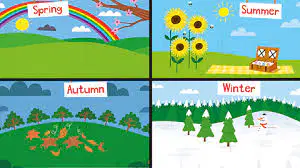
Which climate zone is found between 60º and 30º, has true seasons, a variety of climate patterns, and moderate precipitation?

Which climate zone is found between 30º and the equator, has no winter, high temperature, rainfall, and humidity?

a fast, narrow current of air flowing from west to east that encircles the globe
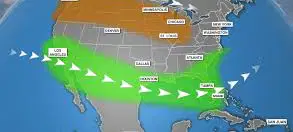
Which of the following pushes the jet stream south?
El Niño
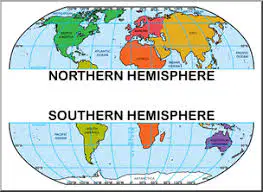
The Coriolis Effect is caused by Earth's rotation and causes winds to curve to the ____________ in the Northern Hemisphere.
The Coriolis Effect is caused by Earth's rotation and causes winds to curve to the ____________ in the Southern Hemisphere.
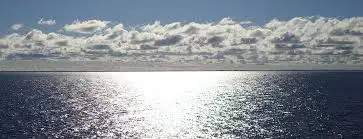
how full of water the air is
(a)

If the air is saturated with water its relative humidity is-
Which of the following controls relative humidity?
rain
temperature
pressure
clouds
As the air gets warmer, relative humidity-
(a)
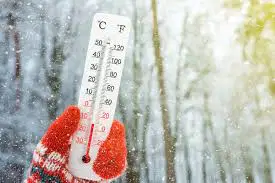
As the air gets cooler, relative humidity-
(a)
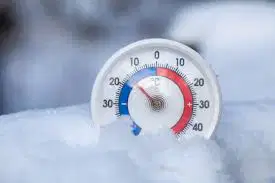
the temperature at which relative humidity is 100%
Dew point

Which of the following will happened if the dew point is reached and the temperature is ABOVE freezing
Dew will form on surfaces.
Cloud droplets will form in the air.
Frost will form on surfaces.
Snow will form in the air.
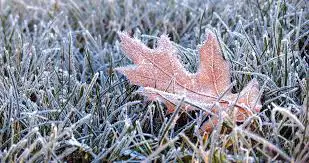
Which of the following will happened if the dew point is reached and the temperature is BELOW freezing?
Dew will form on surfaces.
Cloud droplets will form in the air.
Frost will form on surfaces.
Snow will form in the air.
Classify each as a high pressure system or a low pressure system.
Air sinks towards the ground.
Air rises from the ground.
Usually brings clear, stable weather.
Usually brings unstable weather
Winds move clockwise in the Northern Hemisphere.
WInds move counterclockwise in the Northern Hemisphere



