
Font size
 Worksheets
Symbiotic Relationships
Total questions: 82
Worksheet time: 1hrs 22mins


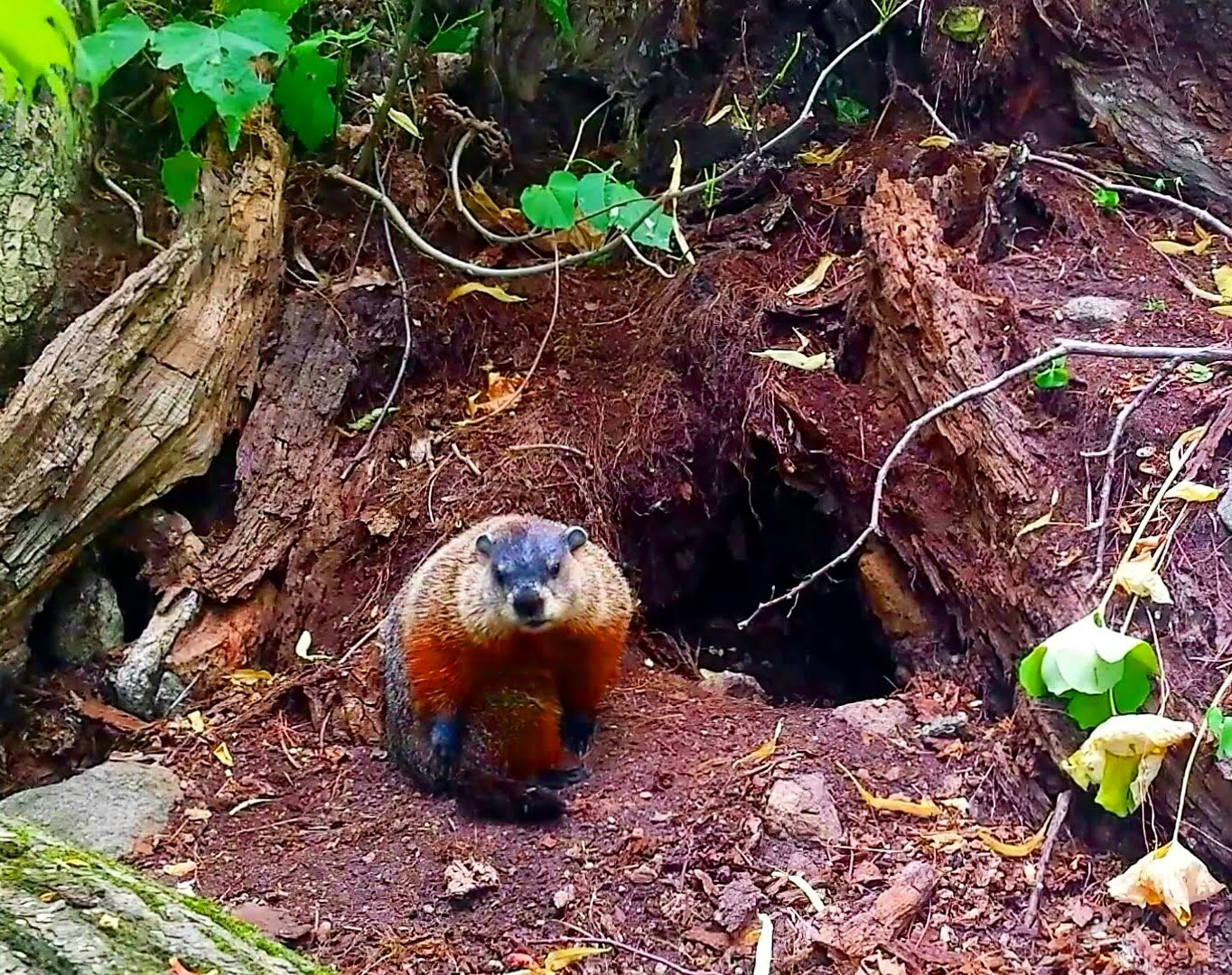
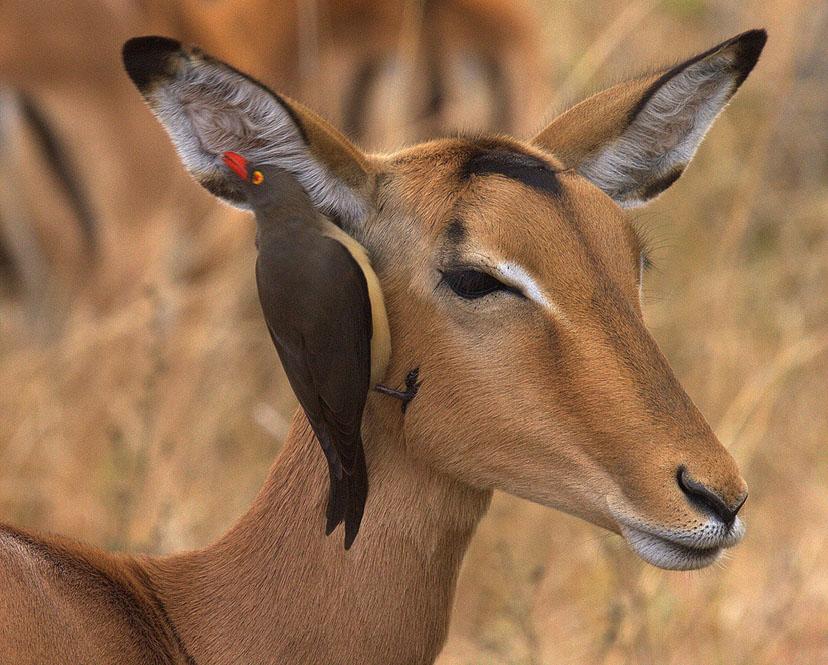
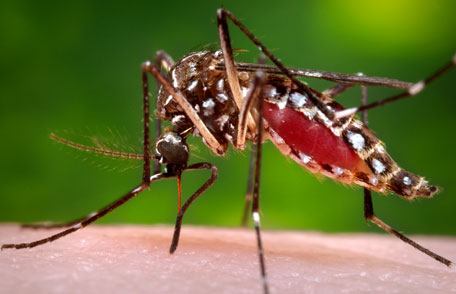

Aphids are tiny insects that live on and eat the leaves of plants, removing vital nutrients from the plants.
Predation
Parasitism
Commensalism
Mutualism
*Hermit crabs find shells left by snails that have died and move in.
* Snails die and leave behind their shells.


A win-lose relationship.
Mutualism
Commensalism
Competition
Parasitism
A win-win relationship
Commensalism
Parasitism
Predation
Mutualism
A win-meh relationship.
Commensalism
Mutualism
Predation
Parasitism

The close relationship between two different species in an ecosystem
Biosphere
Ecology
Symbiosis
Environment
A frog eats a fly. The frog and fly are demonstrating ________.
mutualism
competition
predator/prey
parasitism
Yucca flowers are pollinated by yucca moths. The moths lay their eggs in the flowers where the larvae hatch and eat some of the developing seeds. Both species benefit.
commensalism
parasitism
mutualism
A flea feeds on a mouse's blood to the mouse's harm.
commensalism
parasitism
mutualism
Wrasse fish feed on the parasites found on the black sea bass's body. Both species benefit.
commensalism
parasitism
mutualism
A relationship between two organisms in which one organism benefits and the other is unharmed.
Mutualism
Commensalism
Parasitism

Clown fish live among anemones, acting as a lure for the sea anemone's prey. The clown fish gets protection and shelter from the anemone.
This is an example of which type of symbiosis?
Commensalism
Mutualism
Parasitism
An organism that is eaten by another organism
pray
predator
prey
hamburger
A relationship between two species where one benefits while the other is harmed.
Commensalism
Naturalism
Mutualism
Parasitism
A relationship between two organisms in which both organisms benefit.
competition
commensalism
predator/prey
mutualism
A relationship between two organisms in which one organism benefits and the other is unharmed
mutualism
commensalism
parasitism
competition
A tapeworm and a cat have this type of relationship.
mutualism
commensalism
parasitism
competition
In mutualism
one species is unaffected
one species is killed
both species fight for something
both species benefit
Barnacles create home sites by attaching themselves to whales. This neither harms nor benefits the whales. What kind of relationship is this?
mutualism
commensalism
parasitism
predator/prey
In competition
one species is killed
both species benefit
both species fight for something
one species is harmed
In parasitism
both species benefit
one species is harmed
species fight for something
one species is unaffected
Two male Giraffes are fighting over the last green leaf of a tree that is dying.
competition
predator/prey
mutualism
commensalism
In commensalism
one species is unaffected
both species fight for something
one species is killed
both species benefit
Nematodes (a round worm) live in plants and gain nourishment from the plant but do not seem to harm it. What type of symbiotic relationship is this?
predation
parasitism
mutualism
commensalism
Which symbiotic relationship is when two of the organisms benefit from each other
commensalism
Parasitism
Mutualism
Competition
Which symbiotic relationship is when one organism benefits and the other one does not benefit nor is it harmed
Parasitism
Mutualism
Prey
Commensalism
Which symbiotic relationship is when one organism benefits but the other one is harmed and doesn't benefit
Mutualism
Parasitism
Predatory
Commensalism
An environmental factor that is not associated with the activities of living organisms
Abiotic
Predator
Biotic
Animal
an environmental factor that is associated with or result from the activities of living organisms
Not living
Biotic
Living
Abiotic
An organism that kills and eats all or part of another organism
Prey
Animal
Creature
Predator
An organism that is killed an eaten by another organism
Animal
Prey
Predator
Creature

What is the Predator in this picture?
Grass
Gazelle
Lion
Trees
What is a producer?
Creature
Plant
Animal
Human
Which animals are the Scavengers?
Tasmanian Devil
Bear
Vulture
Cheetah
Who/What are Decomposers in this question
Bacteria
Vulture
Hyena
Mushrooms
What is the relationship where two or more organisms depend on the same limited resource
(a)
In a food chain there is Wolf and a Deer which one of these organisms is at the top of the food chain
Wolf
Deer
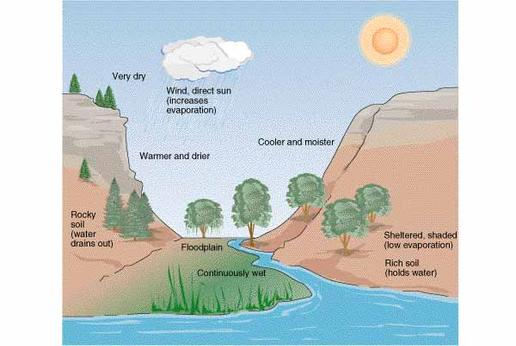
Not living, or produced by living things
Abiotic factors
Biotic factors
Ecosystem
Population
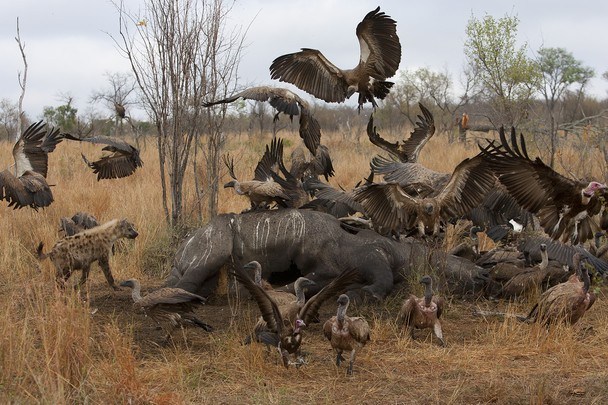
Living, or produced by living things
Biotic factor
Abiotic factor
Organisms
Competition
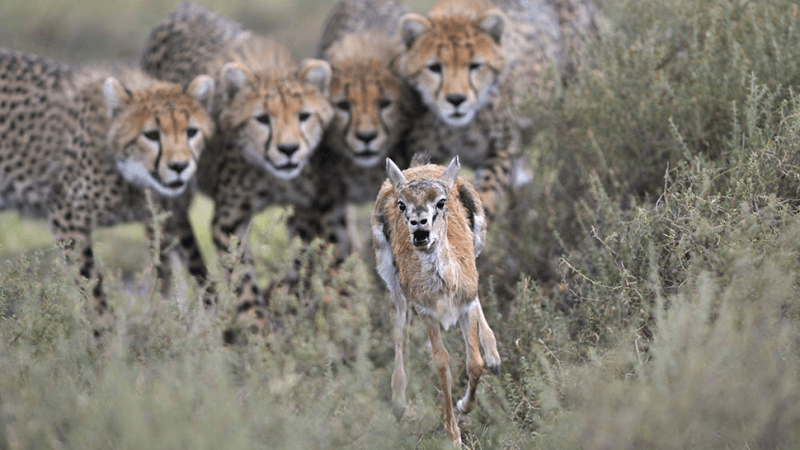
Hawks and owls eat the same type of food and struggle with one another to get their food. What is this an example of?
Competition
Biotic factor
Symbiosis
Population
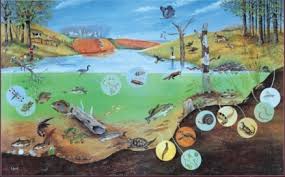
The specific environment in which all the biotic and abiotic factors in an area interact.
Ecosystem
Organism
Struggle
Competitive Interaction
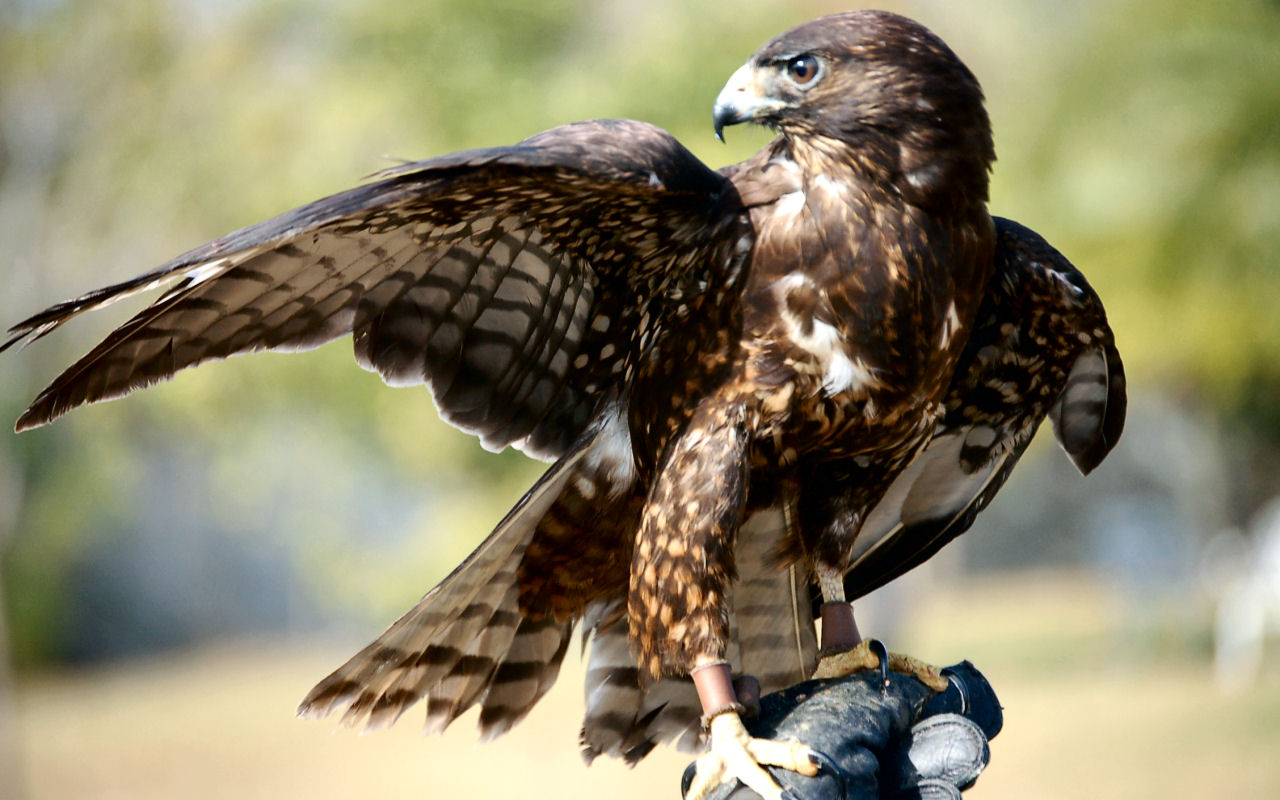
Hawks and brown bears live together in the same habitat. There will be competition between the hawks and the brown bears only if which of the following is true?
Brown bears hibernate during the winter while hawks remain active.
Pesticides in the fish population affect hawks’ eggs and decrease their population.
Both brown bears and hawks feed on the same species of fish.
Both Shanna and Savanna feed on the same species of snakes.

An increase in which of the following factors is likely to contribute to competition between two members of the same species living in a certain habitat?
Available food resources
Population of the species
Annual snowfall
Overall size of the habitat
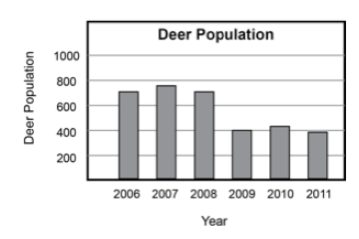
The population of deer in a certain area is monitored over a period of six years. The data is represented in the graph provided. Which of the following is the most likely explanation for the change in population in 2009?
Wild dogs, which prey on deer, were being hunted more than usual.
Snowfall in the previous spring was higher than the yearly average.
Humans introduced grazing animals that feed on the same plants as the deer.
More insects that pollinate flowering plants move into the ecosystem.

A student wants to investigate competition between two organisms. For the investigation, it is most important that the student should choose organisms that –
reproduce at a faster rate.
are both active during the night.
have the different adaptations.
require the same resources.
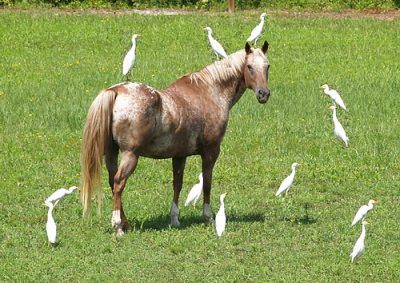
Competition becomes more important as the number of individuals ______ or the availability of resources _________.
increases, decreases
increases, increases
decreases, increases
decreases, decreases
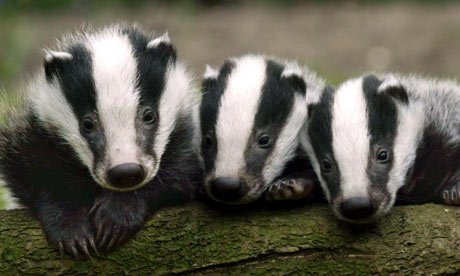
In an ecosystem, what do organisms and populations with similar needs compete over?
food
water
shelter
all of the above
The milkweed plant serves an important role in the life cycle of the monarch butterfly. Adult monarchs lay their eggs on milkweed, and then caterpillars eat that same plant during their development. Based on the relationship between monarchs and milkweed, which of the following trends would be predicted when looking at data on the populations of these two organisms?
A decrease in the milkweed population will cause a decrease in the monarch butterfly population.
When the milkweed population decreases, the monarch butterfly population stays the same.
A decrease in the milkweed population will cause the monarch population to increase.
When the monarch population increases, the milkweed population stays the same.
Two species of fish live in the same pond. Which of the following would increase competition between these two species of fish?
Habitat temperature increases.
Population of birds that eat the fish increases.
Number of food plants the fish eat increases.
Water level in the pond decreases.
Which of the following lists contains only abiotic factors?
water, air, temperature
grass, air, people
trees, fish, polar bears
grass, water, sand

A __________________ relationship is when a biotic or abiotic factor is needed by an a living thing to surive
Dependent
Competitive

A ____________________ Relationship is when two living things "fight" for limited resources.
Dependent
Competitive

This diagram shows the variety of organisms that live in different tide zones. Mussels are common organisms that compete for space in intertidal (middle) tide zones. If all of the mussels were removed from zone A, which organisms would likely compete for the space in Zone A?
Periwinkle and Limpets
Sea lettuce and Chiton
Sea urchins and Hermit crabs
Rock louse and Periwinkle

Organism X feeds mainly on small fish, amphibians, and reptiles. With which organism is organism X most likely to compete?
Great blue heron
Mallard
Pied-billed grebe
Great egret

