
 Worksheets
Unit Test: Energy
Total questions: 82
Worksheet time: 1hrs 6mins

What type of energy is being used?
electromagnetic
mechanical
thermal
sound

What type of energy is being used?
electromagnetic
mechanical
chemical (photosynthesis)
sound



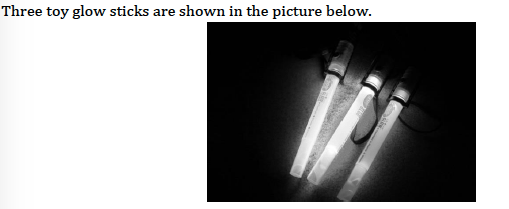
Which of the following is NOT an example of chemical energy?
A glow stick
A battery
A rock about to fall off a cliff
A burning match

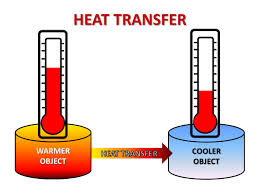
Objects with MORE MASS have______________
lower potential energy
lower number of atoms
higher thermal energy
higher temperature
Temperature always measures the ___________ movement of molecules
median
mode
total
average
As temperature increases, molecules _____________
move slower
move the same
move faster
stop moving

Which type of heat transfer is shown?
convection
conduction
radiation
ironing

Transfer of energy by electromagnetic waves is called
conduction
convection
radiation
infrared proton rays (sounds cool, but I made it up so don't pick this one)
A material that doesn’t allow heat to pass through it easily is a/an
conductor
insulator
metal
rock
When heat is passed on by direct contact of particles, this occurs
conduction
condensation
convection
radiation
Temperature scale starting with absolute zero at 0 is the
coldness scale
Farenheit scale
Celcius scale
Kelvin scale

The diagram above represents a thermometer. Which of the following best explains how the thermometer works?
Liquid changes to a gas when heated.
Gas changes to a liquid when heated.
Liquids expand when heated and contract when cooled.
Liquids contract when heated and expand when cooled.

Heat
The total kinetic and potential energy of all the particles in an object.
Energy that is transferred from a warmer object to a cooler object.
A measure of the average kinetic energy of the particles in a substance.
The heating of a substance that causes its particles to move more quickly.

Thermal Energy
The total kinetic and potential energy of all the particles in an object.
Energy that is transferred from a warmer object to a cooler object.
A measure of the average kinetic energy of the particles in a substance.
The heating of a substance that causes its particles to move more quickly.

In this example, explain the movement of thermal energy in the glass.
Heat is moving from the lemonade to the glass
Heat is moving from the lemonade to the ice
Cold is moving from the ice to the lemonade
Cold is moving from the ice to the glass

This Styrofoam cup is a good example of a _________.
Conductor
Insulator
Drinking device
Solid
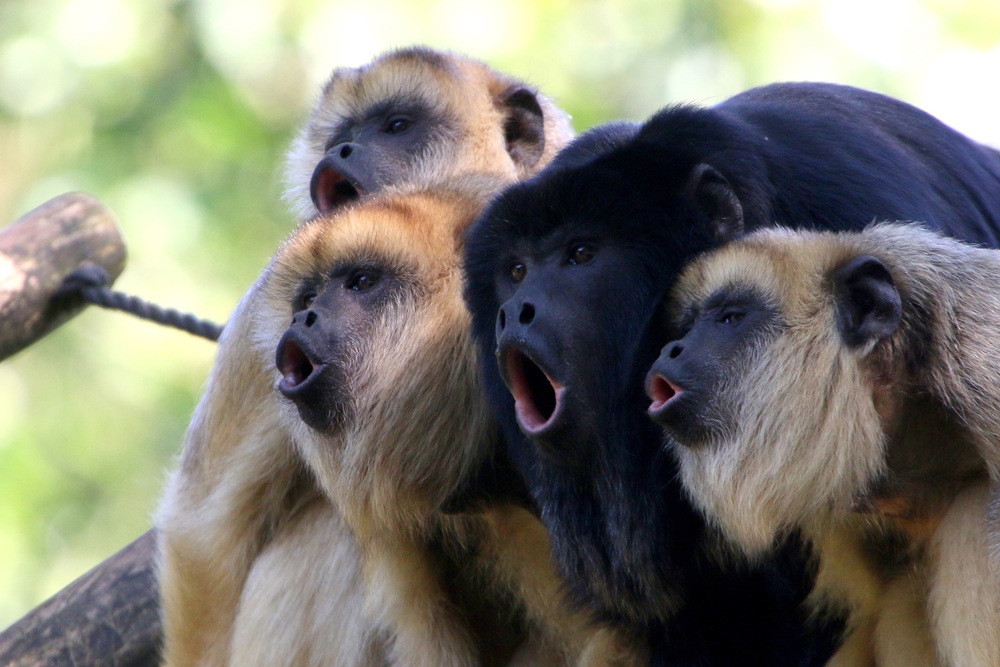
What energy transformation occurs as howler monkeys loudly call to each other in the forest?
Chemical --> Mechanical --> Sound
Chemical --> Sound --> Thermal
Sound --> Chemical --> Radiant
Mechanical --> Chemical --> Sound

What energy transformation occurs during photosynthesis?
Chemical --> Radiant
Thermal --> Chemical
Radiant --> Chemical
Mechanical --> Thermal

What energy transformation occurs as a mouse produces body heat?
Chemical --> Thermal
Thermal --> Chemical
Electrical --> Thermal
Thermal --> Mechanical

the continuous flow of electrical charges through a material
electron
electric force
electric field
electric current
static electricity
the region around a charged object where the object's electric force is exerted on other charged objects
electron
electric force
electric field
electric current
static electricity
the force between charged objects
electron
electric force
electric field
electric current
static electricity
a negatively-charged particle that moves around the outside of the nucleus of an atom
electron
electric force
electric field
electric current
static electricity
either end of a magnetic object, where the magnetic force is strongest
magnet
magnetic force
magnetic pole
magnetic field

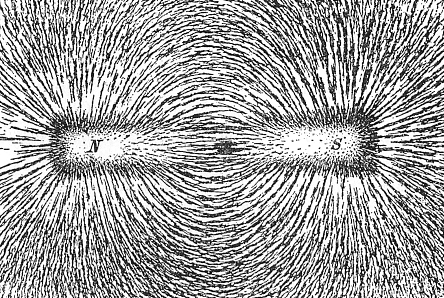
Where are the strongest and weakest parts of the magnetic field shown in the diagram?
strongest: A, weakest: B
strongest: A, weakest: D
strongest: C, weakest: A
strongest: C, weakest: B
Which of the following statements describes the similarities between electric and magnetic fields?
The field lines in both magnetic and electric fields are always straight.
Each charged particle and magnet have both a positive and negative side.
Opposite charges and poles are always attracted to each other.
The potential energy increases as like charges or poles get farther apart.
How does the magnetic field protect life on Earth?
The magnetic field directs charged particles toward the poles and then past Earth.
The magnetic field directs charged particles toward the equator and then past Earth.
The magnetic field absorbs the charged particles coming from the sun.
The magnetic field directs charged particles toward the poles then absorbs them.

How does separating two magnets, as shown in the diagram, affect the energy in the system?
Separating the magnets increases potential energy.
Separating the magnets increases kinetic energy.
Separating the magnets decreases potential energy.
Separating the magnets decreases the electric energy.

Which of the following would NOT increase the magnitude of the electric force between the positively and negatively charged objects?
increasing the amount of positive charges
increasing the amount of negative charges
increasing the distance between the charged objects
decreasing the distance between the charged objects


What are Motors?
machines that convert electrical energy to mechanical energy
machines that convert mechanical energy to electrical energy
transfers voltages from one value to another
machines that transfer energy to matter
which of the following is a picture of a transformer


What kind of energy transfer occurs in a generator?
mechanical to electrical
electrical to mechanical
thermal to electrical
mechanical to thermal
What type of energy would be EXERTED by a motor?
thermal
electrical
mechanical
potential

Transformers only transfer electricity only if...
the current is alternating
there's at least one coil (primary)
none of these
all of these
What is the function of the generator?
Convert electrical energy to mechanical (kinetic) energy
Convert electrical energy to thermal energy (heat)
Convert mechanical (kinetic) energy to electrical energy

What type of transformer is A?
Step up
Step down

At what part of the atom is the arrow pointing?
electron
neutron
proton
nucleus

At what part of the atom is the arrow pointing?
Cloud
energy level
electron
neutron

At what part of the atom is the arrow pointing?
proton
neutron
electron
nucleus
Subatomic particles with a negative charge
Electrons
Neutrons
Protons
Quarks
The definition of energy is
the cause for change and not produce work
the inability to do something
the ability to do work and cause change
What happens when an electric current flows through a wire?
The wire begins to spin.
Nothing happens.
A field of gravity is created around the wire.
A magnetic field is created around the wire.
The south ends of two magnets will _________ each other.
repel
attract
________________ are the attractive and repulsive forces between two poles.
Magnetic forces
Electric forces
Magnetic charges
Electric charges

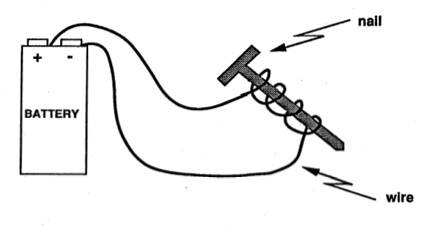
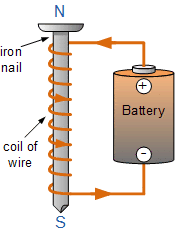
What does this image show?
Parallel circuit
Series circuit
Magnet
Electromagnet
Opposite charges do what?
Attract
Repel
The area of magnetic force around a magnet is known as its ____________.
magnetism
magnetic current
magnetic field
electric current
How can a magnet be used to produce an electric current?
Hold a magnet next to a piece of wire.
Wrap wire around a magnet.
Spin the magnet around inside a coil of wire.
What do electric generators do
transform mechanical energy to electrical energy
transform mechanical energy to sound
transform electrical energy to mechanical energy
transform electrical energy to potential energy

