
 Worksheets
EOC Review #2
Total questions: 67
Worksheet time: 1hrs 12mins
In nature, which type of behavior causes animals to produce aggressive displays and sounds?
imprinting
territoriality
conditioning
habituation
What will most likely occur if the population of the world continues to increase at predicted rates?
There will be an increase in biodiversity as a result of improvements in technology.
There will be more rapid depletion of natural resources.
The human race will rapidly become extinct.
All human diseases will be eliminated
What will most likely happen if a nonnative species is introduced into a stable ecosystem?
The native species will change their diet, and the ecosystem will remain stable.
The native species will move to another area, and the ecosystem will remain stable.
The native species will have to compete for resources with the nonnative species, and the ecosystem will become unbalanced.
The native species will share their food with the introduced species, and the ecosystem will become unbalanced.
Which statement best explains why animals are considered heterotrophic?
They are able to produce food through the process of photosynthesis.
They are able to produce food through the process of respiration.
They are able to obtain nutrients by decomposing plant and animal tissue.
They are able to obtain nutrients by consuming other organisms or their products.
In some ecosystems, wolves have been eliminated due to their threats to humans. How can the reintroduction of wolves benefit the ecosystem?
It can eliminate weak animals from a prey population, thereby decreasing competition for natural resources.
It can eliminate the most fit animals among the prey population, which will cause an increase in birthrates of the prey.
It can cause the prey population to migrate to other areas, resulting in more fit prey.
It can cause the prey population to better blend in with their environment.
What will most likely be the result as humans move into new areas, forests are clear cut and housing developments are built?
Global temperatures will decrease because trees are removed.
Many organisms will lose their homes because their habitats have been destroyed.
Better sanitation in the area will reduce the amount of pollution.
The rainfall in the area will increase because there will be increased runoff.
What activity most contributes to the depletion of the ozone layer?
burning fossil fuels
release of CFCs
deforestation
overuse of fertilizers

The graph above represents the growth of a population in an area of....
infinite resources
limited resources
no competition
courtship.
Why are many farmers encouraged to plant different types of crops on the same land throughout the year?
It prevents insects from destroying crops.
It provides more food to other countries.
It allows for more genetic variation in plants.
It helps to preserve the quality of the soil
Two different populations of birds live in the same area and eat the same types of food. Which most likely describes the relationship between these two populations of birds?
competition
mutualism
parasitism
predator-prey
What will most likely happen if the human population continues to grow at current rates?
There will be fewer natural resources available for future generations.
There will be an increase in nitrogen levels in the atmosphere.
There will be a decrease in water pollution.
There will be an increase in the number of strong hurricanes.
A sea turtle has washed up on a remote section of a beach. This is known as a “stranding.” Stranding occurs when a dead, sick or injured sea turtle washes up on the shoreline. Which statement best explains why “stranding” should be reported immediately to local authorities?
The information can be very useful to biologists and managers who are trying to protect the species.
The information can be very useful to protect sea turtles from predators.
The information can be very useful to local fishermen who try to catch fish that sea turtles eat.
The information can be very useful to tourists who may want to keep sea turtles as pets.
The males of a bird species do a “dance” and “sing a song” each spring. What is the main purpose of these behaviors?
to scare off young birds
to imprint young birds
to clean their feathers
to attract female birds
The yucca plant releases a strong scent at night when the yucca moth is active.
The yucca moth, attracted by the scent, gathers pollen from the yucca flower. The yucca moth then deposits her eggs and the pollen on another plant. This ensures that the plant will be cross-pollinated and that the yucca moth larvae have a steady food supply.
Which relationship does this best illustrate?
commensalism
mutualism
parasitism
predation
Which environmental concern is most associated with burning fossil fuels?
global climate change
pollution of ocean waters
ozone layer destruction
decrease in levels of atmospheric carbon dioxide
The construction of a new coal-burning power plant would have the greatest impact on which environmental issue?
depletion of the ozone
production of acid rain
release of radiation
increase in deforestation
At night, moths travel toward light. Which type of behavior does this describe?
habituation
imprinting
innate behavior
learned behavior
Which environmental factor would cause the greatest decrease in the number of species of plants and animals living in some of the lakes in the United States?
increase in dissolved oxygen levels
global warming
ozone destruction
acid rain
If worldwide deforestation is not regulated, what could most likely result?
Acid rain could lower the pH of rivers and lakes to dangerous levels for aquatic life.
CO2 levels in the atmosphere could increase and contribute to global warming problems.
Plants and animals could become better adapted to living in desert conditions.
Future generations of humans could have an excess of wood and paper products.
Which of the following can be described as homozygous dominant?
Yy
yy
YY
yY

What are the genotypes of the P generation?
Yy and Yy
YY and yy
Yellow and green
Yellow and yellow

The allele (Y) represents yellow and the allele (y) represents green. Which allele is dominant?
Yellow
Green
Both alleles are equally dominant
What are the phenotypes of the P generation?
Yy and Yy
YY and yy
Yellow and green
Yellow and yellow
White flowers is an example of a
Phenotype
Genotype
An organism’s physical appearance is its __________________________.
Gene
Genotype
Allele
Phenotype
If red flowers (R) are dominant to white flowers (r), what is the phenotype for a homozygous recessive flower?
rr
RR
Red
White
An organisms genetic makeup or “letters” is its _______________________.
Phenotype
Genotype
Allele
Trait

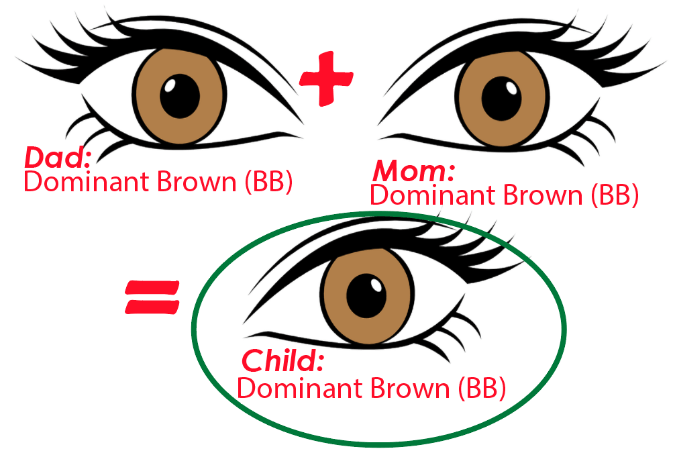
A genotype where only dominant alleles were passed on
from both parents for one trait
BB AA TT LL
Homozygous Recessive
Homozygous Dominant
Dihybrid
Heredity
Passing on traits from parents to offspring
Chromosome
Genotype
Heredity
Allele
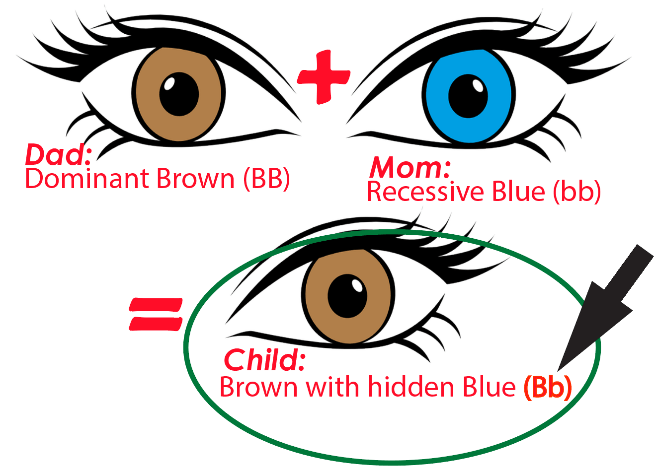
A genotype where one dominant and one recessive allele was passed on from both parents for one trait.
Bb Aa Tt Ll
Allele
Homozygous Dominant
Homozygous Recessive
Heterozygous
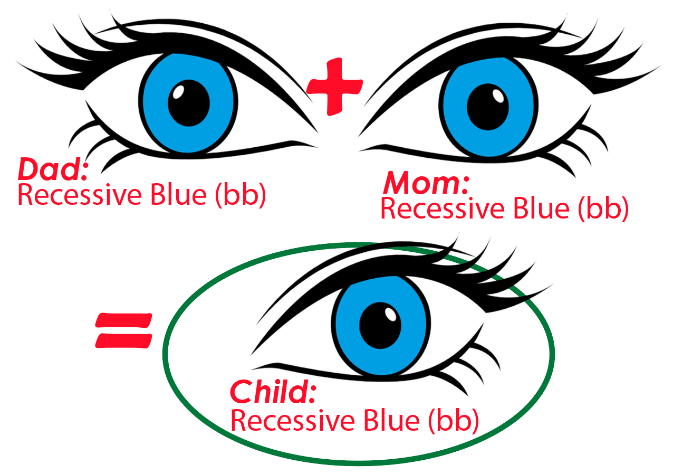
A genotype where only recessive alleles
were passed on from both parents for one trait
bb aa tt ll
Heredity
Homozygous Dominant
Homozygous Recessive
Phenotype

Ecology is the study of .
life
Interactions among organisms and their environments
interactions among organisms
how traits are passed from parents to offspring
Which of the following is abiotic?
A tree in a forest.
Wood from the tree on the forest floor.
A termite on the tree.
The soil the tree is growing in.
Which of the following is biotic?
Food
Water
Air
Light
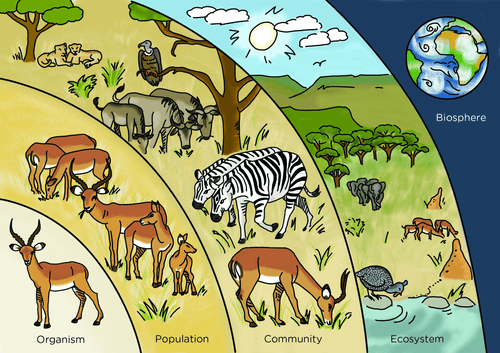
What is made up of all the populations in an area?
Habitat
Niche
Community
Ecosystem
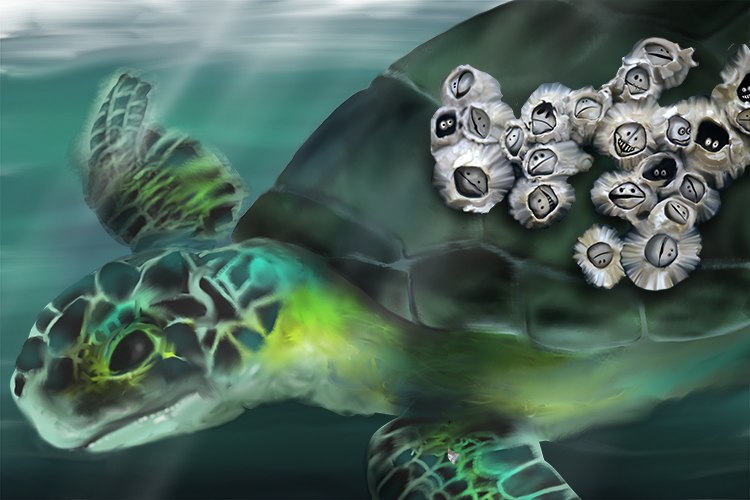
A close, ongoing relationship between species in which at least one is benefiting and the other is not helped or harmed.
Commensalism
Symbiosis
Predator & Prey
Mutualism
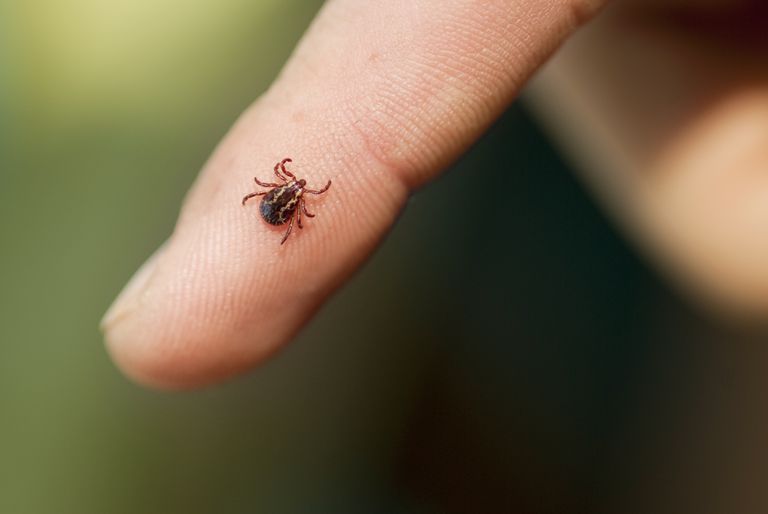
An ongoing relationship in which one organism benefits and the other is harmed.
A. Predator & Prey
B. Mutualism
C. Commensalism
D. Parasitism
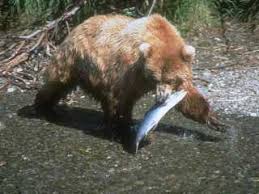
If there are not enough predators and too many prey, the prey population may eventually starve.
True
False


Who could be affected if the number of birds decreased?
only the birds
only the grasshoppers and grains
only the foxes
all of the organisms shown

What relationship best describes the relationship between the hare and the lynx?
competition
predator-prey
parasitism
mutualism


Which experiences the least change over time?
Pioneer Species
Primary Succession
Aquatic Succession
Climax Community


What is the function of autotrophs in the carbon cycle?
to use oxygen to produce glucose
to take in excess water
to use carbon dioxide to produce glucose
to feed on herbivores
What taxa are used in order to give an organism a scientific name?
genus and species
kingdom and species
kingdom and genus
only the species
What is the best explanation for the continual changes in the classification system of organisms?
All organisms struggle for existence and become extinct
All organisms compete to be at the top of the food chain
Technological advances have allowed scientists to better compare organisms
More species have been discovered, but scientists have not analyzed all the data

