
Font size
 Worksheets
This or That - Biology EOC Review
Total questions: 212
Worksheet time: 36mins
Genetic Material in Protein-Coated Capsid
Virus
Cell
Creates Gametes
Mitosis
Meiosis
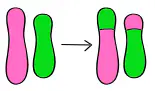
Translocation
Inversion
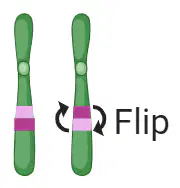
Inversion
Nondisjunction
Increase Genetic Diversity
Good Thing
Bad Thing
Single Celled, No Nucleus
Prokaryote
Eukaryote
Linear DNA
Prokaryote
Eukaryote
Chloroplasts
Mitochondria
Membrane-Bound Organelles
Prokaryote
Eukaryote
DNA in Cytoplasm
Prokaryote
Eukaryote
Requires ATP
Active Transport
Passive Transport
Moves substances along a concentration gradient
Active Transport
Passive Transport
Moves substances up a concentration gradient
Active Transport
Passive Transport
Maintains stable conditions inside/outside cell
Cell Membrane
Nuclear Membrane
Uses Oxygen to Produce ATP
Chloroplasts
Mitochondria
Movement of Water
Osmosis
Active Transport
Replicate Independently
Viruses
Bacteria
Requires a Host to Reproduce
Viruses
Bacteria
Viruses replicate inside of a cell until it -
apoptosis
lyses
Hijacks a cell's materials/processes
Bacteria
Virus
Small Genome
Virus
Cell
Cytoplasm, Ribosomes, Nucleus
Prokaryote
Eukaryote
Virus
Bacteria
Prokaryote
Eukaryote
Quick Incubation Time
Lytic Cycle
Lysogenic Cycle
Dormant
Lytic Cycle
Lysogenic Cycle
Creates Genetic Diversity
Crossing Over/Recombination
DNA Replication
Nitrogen Base
Phosphate Group
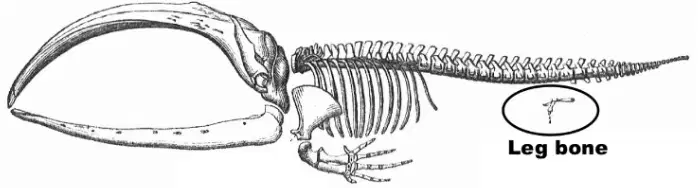
Vestigial
Homology
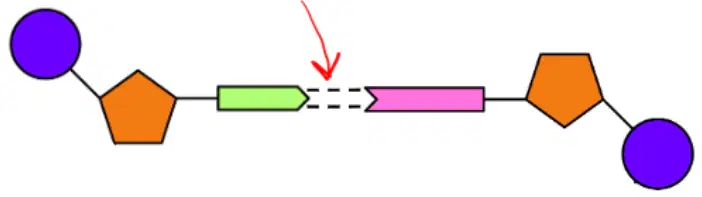
Hydrogen Bond
Pentose Sugar
Enzyme that Unzips DNA
Helicase
Polymerase
Mitosis
Asexual
Sexual
Mitosis Offspring
Identical
Unique
Meiosis
Asexual
Sexual
Meiosis
Identical
Unique
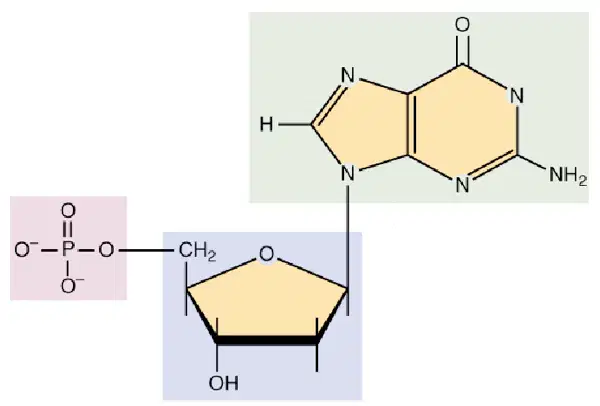
Nucleotide
Gene
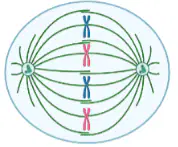
Prophase
Metaphase
Anaphase
Telophase
Correct Order
PMAT
AMPT
TAMP
MAPT
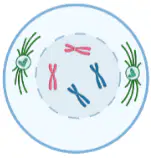
Prophase
Metaphase
Anaphase
Telophase
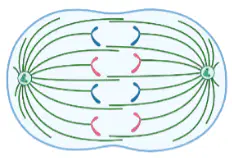
Prophase
Metaphase
Anaphase
Telophase
Creates Genetic Diversity
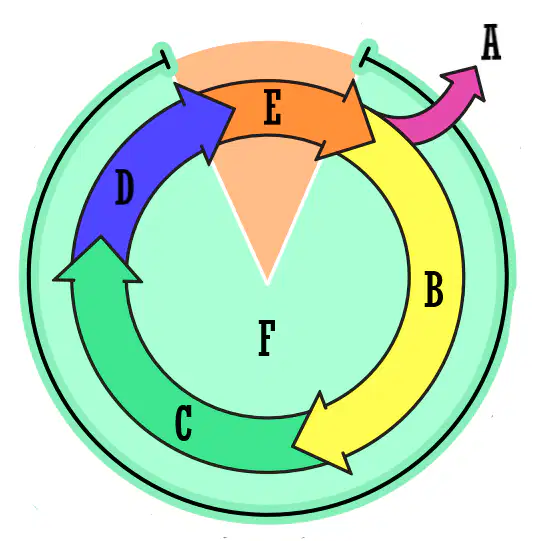
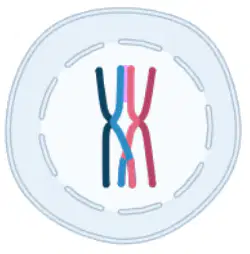
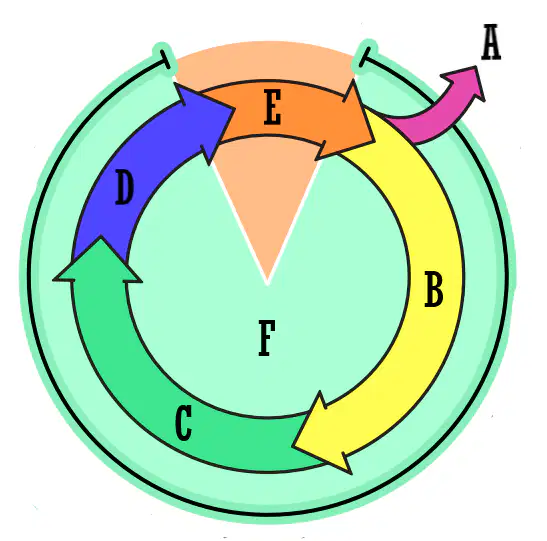
A
Mitosis
Cytokinesis
S Phase
Interphase
F
Mitosis
Cytokinesis
S Phase
Interphase

Stage II
DNA Replication (S-Phase)
Cytokinesis
Mitosis
DNA Replication
S Phase
M Phase
Nuclear Division
S Phase
M Phase
Allows organisms to grow, develop, and reproduce
Cell Cycle
Meiosis
Longest Part of the Cell Cycle
Interphase
Mitosis
Long-chain molecule with repeating patterns
Monomer
Polymer
Proteins
Provide support and protection
Breaks down carbohydrates to use as energy
Enzymes are -
Proteins
Lipids
Carbohydrates
Nucleic Acids
Catalyze chemical reactions in cells
Proteins
Lipids
Carbohydrates
Nucleic Acids
Allows for transport of molecules into and out of cells
Proteins
Lipids
Carbohydrates
Nucleic Acids
Uncontrolled cell division
Cancer
HIV
Cells become specialized into types based on the -
location in the body
genes that are expressed
These can impact what genes are turned on/off and as a result what DNA is transcribed/translated
Environmental Factors
Essential Factors
A mass of cells that grows in an unregulated manner -
mole
tumor
Determines the amino acids that make up a protein
Sequence of nucleotides
Temperature of the cell
Complementary DNA to
GGC ACT
CCG TGA
CCG TAA
Components of backbone of DNA -
Nitrogenous bases and Phosphates
Deoxyribose and Phosphate Group
Genetic variation comes from differences in the -
nucleotide sequences of genes
number of chromosomes
diet
environmental conditions
Nucleotides making up the genetic code are common to ALL organisms.
TRUE
FALSE
ALL living things contain DNA composed of adenine, thymine, cytosine, guanine.
TRUE
FALSE
Occurs in the nucleus, first step of protein synthesis, DNA --> mRNA
Transcription
Translation
Occurs in the cytoplasm at a ribosome, second step of protein synthesis, mRNA --> amino acid --> polypeptide chain
Transcription
Translation
DNA to mRNA
AGT TTC
TCA AAG
UCA AAG
In RNA, Uracil replaces
Adenine
Cytosine
Guanine
Thymine
To convert a partial strand of DNA to an amino acid sequence you must convert the -
DNA to RNA
DNA to complementary DNA
RNA to DNA
RNA to RNA
In some organisms, gene expression is affected by -
chromosome number
temperature
A mutation that changes a single nucleotide, but does NOT change the amino acid it codes for.
Frameshift
Silent
Nucleotide deletions and additions always result in a -
silent mutation
frameshift mutation
This mutation has the largest impact -
Silent Mutation
Frameshift Mutation
Half set of DNA, sex cells, mutations passed to offspring
Somatic
Gametic
Full set of DNA, body cells, mutations NOT passed to offspring
Somatic
Gametic
Substitution mutations can change the amino acid or code for the same amino acid.
TRUE
FALSE
Chance that a mutation occurring in a somatic cell will be inherited by offspring?
100%
50%
0%
Chance that two heterozygous parents will have an offspring that expresses the recessive trait?
100%
50%
25%
Is it possible to have an ''AA'' offspring from ''Aa'' and ''aa'' parents?
Yes
No
Crossing Over and Recombination results in -
Gametes with new allele combinations
Gametes with alleles identical to one parent
Periods of slow change followed by periods of rapid change -
Gradualism
Punctuated Equilibrium
Multiple transitional fossils in many rock layers indicates -
Gradualism
Punctuated Equilibrium
The formulas for pesticides, herbicides, and vaccines are frequently changed because -
Mutations can result in some organisms being resistant
Corporations are looking to hit sales targets each year
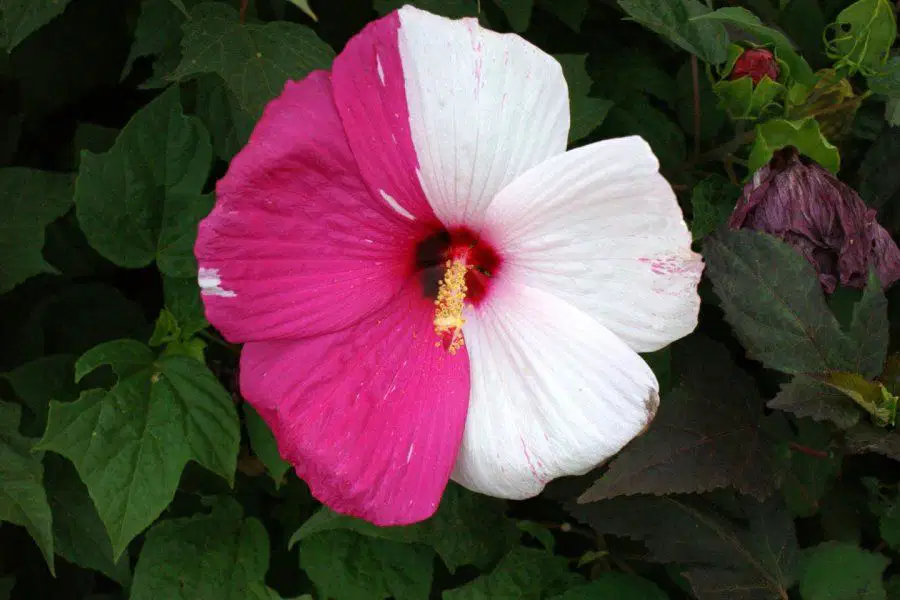
Codominance
Incomplete Dominance
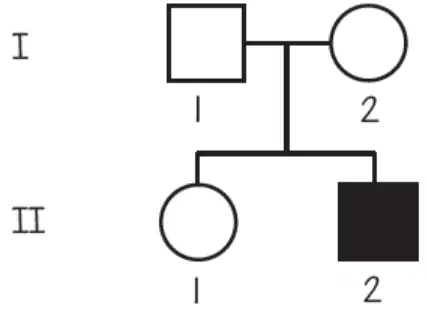
I-1 and I-2 Genotypes
Aa, Aa
AA, AA
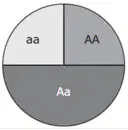
These are the offspring of what parents?
Aa, Aa
AA, aa
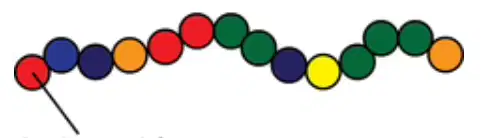
DNA
Polypeptide Chain
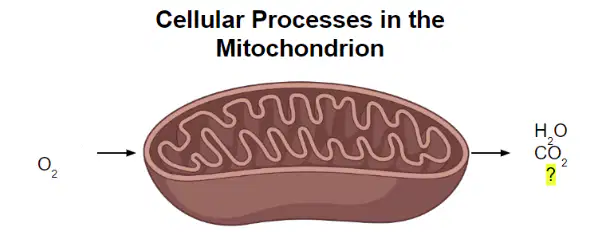
ATP
Sunlight
Cellular Respiration
Photosynthesis
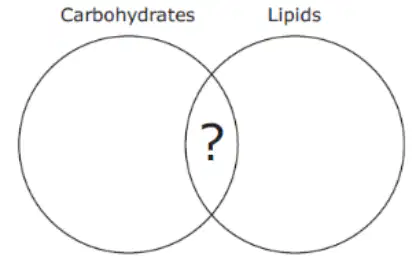
Energy
Strength
Photosynthesis occurs in the -
Chloroplast
Ribosome
Mitochondria
Nucleus
Plants take in -
Oxygen and Glucose
Carbon Dioxide and Water
Specific Soil Bacteria and Lightning have this in common -
They fix nitrogen and make it useable for organisms.
They bind nitrogen together to make it useable for organisms.
Adaptations are the result of _______ traits being passed to offspring.
detrimental (bad)
beneficial (good)
When a species benefits by looking like another species -
Mimicry
Predation
Beneficial adaptations are evidence of -
Natural Selection
Relatedness
When a new species is introduced to new area, increasing genetic variation.
Artificial Selection
Gene Flow
Cross-pollination of different populations of the same flowers results in -
Genetic Drift
Gene Flow
Which is more closely related?
Panthera tigris
and
Lynx lynx
Panthera tigris
and
Panthera leo
A standard taxonomic system is important because -
avoids confusion, same everywhere
helps identify animals based on habitat
Every scientific name applies to only one species.
TRUE
FALSE
Most specific level of classification -
Domain
Species
Levels of taxonomy from least to most specific -
DKPCOFGS
SGFOCPKD
If two species are in the same Order, they must also be in the same -
Family
Phylum
Helps identify an organism through a series of steps/descriptions -
Cladogram
Dichotomous Key
The more levels of taxonomy two organisms share, the more recent -
they shared a common ancestor
they produced fertile offspring
Plant Kingdom
Chitin Cell Wall
Heterotroph
Cellulose Cell Wall
Autotroph
Kingdoms Animalia, Protista, and Fungi have this in common -
Eukaryotic
Multicellular
This mystery organism is eukaryotic, unicellular, and autotrophic. It must belong to this kingdom -
Plants
Protista
Brings amino acids to ribosomes
mRNA
tRNA
Carries genetic information from DNA to ribosomes
mRNA
tRNA
Provides support and protection for insects
Chitin
Chitinase
An enzyme that breaks down a substance
Chitin
Chitinase
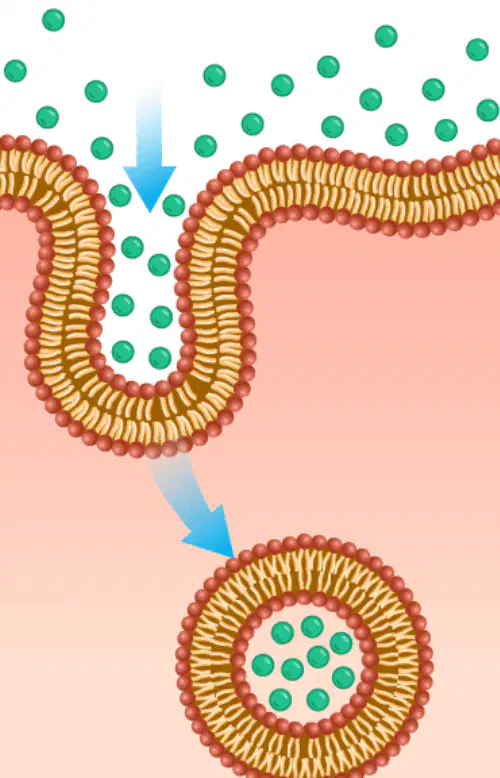
Endocytosis
Exocytosis
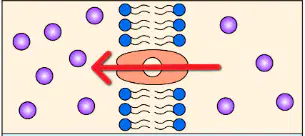
Passive Transport
Active Transport
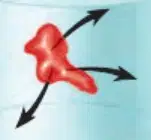
Hypotonic
Hypertonic
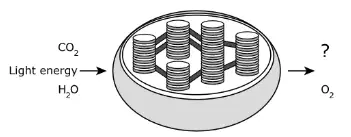
ATP
Glucose
Input of Photosynthesis -
Chemical Energy
Light Energy
Input of Cellular Respiration -
Chemical Energy
Light Energy
Function of an enzyme -
Speed up rate of chemical reaction
Raise the temperature of the reaction
For an enzyme to be able to catalyze a reaction, the active site must -
be occupied by an inhibitor
have a complementary shape to the substrate
Produces hormones
Excretory System
Endocrine System
Carries nutrients, hormones, and oxygen to target locations
Circulatory System
Digestive System
Detects/senses external stimuli
Circulatory System
Nervous System
Twitching, flexing, stomping, and contracting describe movements controlled by the -
Muscular system
Skeletal System
Body temperature increases --> glands release sweat --> body temperature decreases
Integumentary and excretory systems
Nervous and circulatory systems
Gas exchange
Respiratory System
Endocrine System
Antibodies, memory cells, fights off infection
Integumentary System
Immune System
Saliva, gastrointestinal enzymes, stomach are indicators of the -
Endocrine System
Digestive System
The tendency to maintain a stable, relatively constant internal environment -
Homeostasis
Peristalsis
The diaphragm contracts causing the chest cavity to expands, drawing air into the lungs -
Respiratory and Muscular
Respiratory and Circulatory
Large cells have a _______ surface area to volume ratio than small cells.
Smaller
Larger
Decreasing stem and leaf growth, while increasing root growth is a plant's response to -
Flood
Drought
Transports plant materials in any direction.
Phloem
Xylem
Transports plant materials from roots to shoots.
Phloem
Xylem
Pollen sticks to this plant part -
Stigma
Style
Male plant gamete
Sperm
Pollen
Female Plant Gamete
Ovule
Egg
Benefit of root hair fibers
Increased surface area/absorption
Increased sunlight absorption
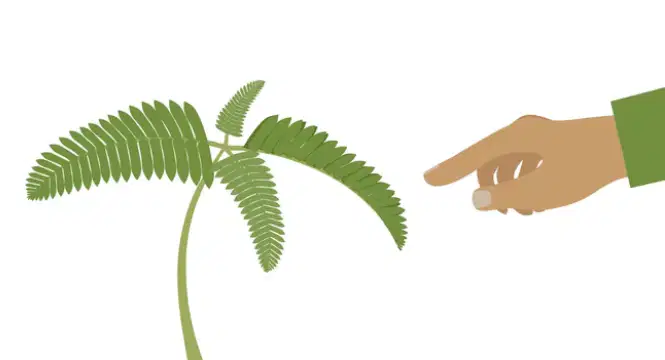
Thigmotropism
Heliotropism
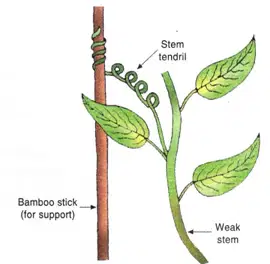
Thigmotropism
Heliotropism
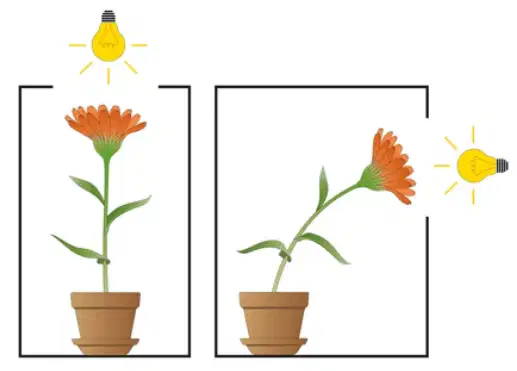
Phototropism
Gravitropism
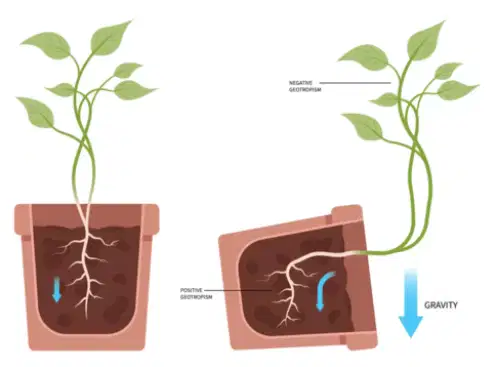
Phototropism
Gravitropism
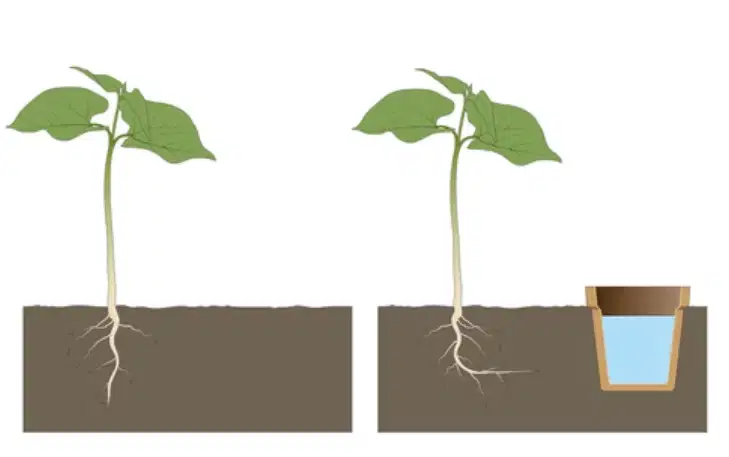
Hydrotropism
Gravitropism
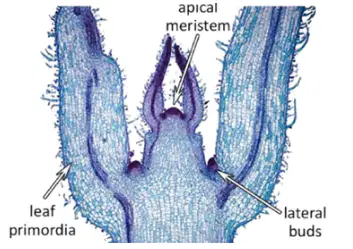
Apical meristems are areas of growth where the cells are -
Specialized
Undifferentiated
Multicellular, no roots, stems or leaves, reproduces with spores
Bryophyta
Ferns
Multicellular, contains xylem and phloem vascular tissues, reproduces with spores
Bryophyta
Ferns
Multicellular, contains xylem and phloem vascular tissues, reproduces with flowers
Gymnosperms
Angiosperms
Multicellular, contains xylem and phloem vascular tissues, cone-like reproductive structures
Gymnosperms
Angiosperms
Nonvascular plants are the first to appear during -
Primary Succession
Secondary Succession
Plants respond to external stimuli by producing -
Hormones
Nutrients
Plants have developed unique seed dispersal methods to -
increase chances of survival and reproduction
reduce the number of predators that threaten it
"Little mouths" that open and close on the bottom of leaves in response to the availability of water, perform gas exchange..
Chloroplasts
Stomata
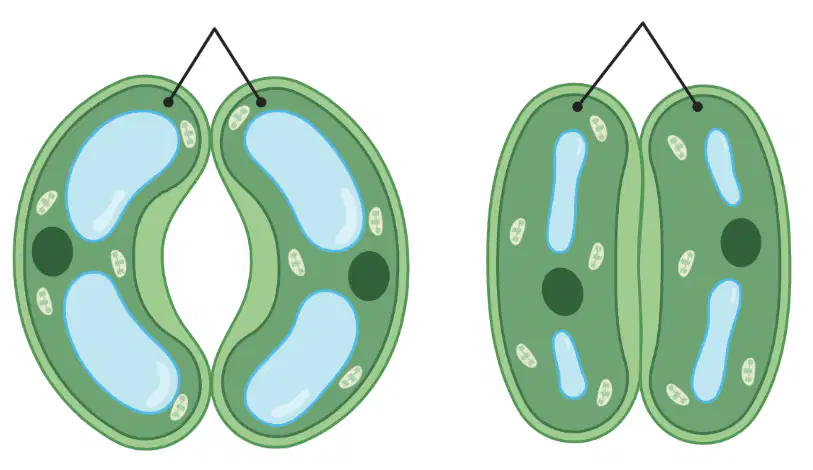
Performs gas exchange
Absorbs nutrients
Fruits grown in cold climates are usually sweeter than those grown in warm climates because the sugars produced during photosynthesis can be stored in fruits instead of being used for increases in respiration.
TRUE
FALSE
Transfers glucose throughout a plant
Xylem
Phloem
Autotrophs
Primary Consumer
Producer
Organ --> Organ System --> _________ --> Population
Community
Organism
Mutualistic relationships improve survival for -
one organism
both organisms
All microorganisms are beneficial to an organism.
TRUE
FALSE
Bacteria in the soil act as decomposers.
TRUE
FALSE
Moss --> Shrub --> Tree
Primary Succession
Secondary Succession
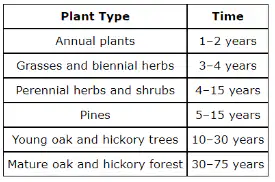
What disturbance most likely led to this progression?
A glacier retreated
A plowed field was abandoned
A wheat field was cleared and wild grasses and weeds begin growing.
Primary succession
Secondary succession
One species benefits, the other is harmed
Commensalism
Parasitism
One species benefits, no effect on the other species
Commensalism
Parasitism
From one trophic level to another, 90% of energy is lost as -
Heat
Fecal Matter
Producer = 120,000 kcal
Secondary Consumer = ________ kcal
12,000
1,200
Carnivores
Primary Consumer
Secondary Consumer
Receives the LEAST amount of total energy provided to an ecosystem -
Secondary Consumer
Tertiary Consumer
Fewest quantity of a specific species -
Primary consumer
Tertiary consumer
Organisms can occupy multiple trophic levels.
TRUE
FALSE
Plants require nitrogen for growth.
TRUE
FALSE
Ecosystems with ______ biodiversity are more stable.
greater
less
Decrease ecosystem stability also means a -
decrease in biodiversity
decrease in abiotic resources
Invasive species are also -
non-native
native
Helps control population sizes
Parasitism
Competition
Decreases ecosystem stability
Overfishing
Listing species as endangered
Droughts result in an ecosystem that is _______ stable.
less
more
Single celled organisms can be classified as a prokaryote based on a lack of a -
Nucleus
Cell membrane
Body cells require increased oxygen as energy is expended.
TRUE
FALSE
These transport packaged molecules from the Golgi apparatus to be released out of the cell.
Vesicles
Ribosomes
The body gets the energy it needs to fight off an infection by increasing the rate of cellular respiration in mitochondria.
TRUE
FALSE
Synthesized by plants and is a major source of energy for cellular processes.
Glucose
Water
Virus capsid function -
Protect genetic information
Provide energy
Bacteria and Viruses are examples of -
Decomposers
Pathogens
Helps the immune system develop antibodies in response to weakened viruses.
Vaccines
Antibiotics
CD4 T cells fight off infections. If a virus targets and destroys these cells in an organism, it makes the organism more vulnerable to -
injury
illness
If spindle fibers cannot form, the cell cycle will be unable to move to -
Prophase
Anaphase
DNA Polymerase matches nitrogen bases resulting in two identical DNA double helixes -
DNA Replication
Translation
DNA is replicated during -
Mitosis
S Phase
A cell is forced into _______ when the cell cycle checkpoints detect errors that cannot be repaired.
apoptosis
apocalypse
Enzymes catalyze chemical reactions by -
reducing the activation energy
increasing the activation energy
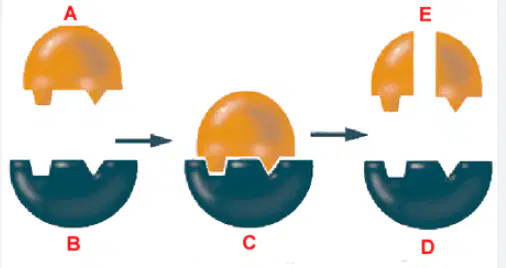
A = enzyme
B = substrate
A = substrate
B = enzyme
Enzymes become denatured by -
changing the shape of the active site
changing the substrate that fits the active site
There are many types of specialized cells. They are differentiated because stimuli trigger the activation of -
specific genes in the cell's DNA.
mutations in a cell's DNA.
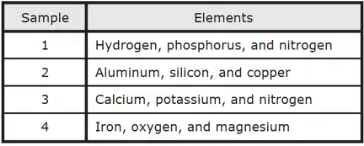
Which one is DNA?
1
2
3
4
Responsible for the direct coding of specific traits -
sequence of nucleotides
sugar-phosphate backbone
Zebrafish and humans share some nucleotide sequences.
TRUE
FALSE
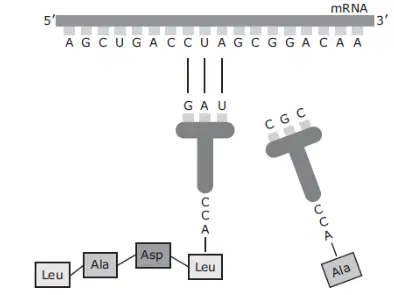
Purpose of this process -
transcribe DNA into mRNA
translate genetic code into a specific set of amino acids
Scientists can genetically modify genes to control gene expression by -
activating/deactivating specific genes
altering the number of chromosomes
Transcription errors result in -
incorrect codon sequences
tumors
Blood types -
A and B are codominant,
O is recessive to A and B
A is dominant to B,
B is dominant to O
In autosomal recessive pedigrees, the affected individuals are shaded. What is the genotype of the affected individuals?
AA or Aa
aa
Gametes are all genetically different due to -
independent assortment during meiosis
DNA replication during mitosis
On a cladogram, the fewer nodes that separate two organisms, the _____ closely related.
more
less
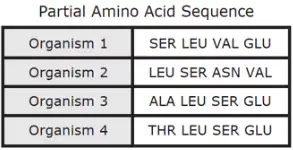
Most closely related -
1 and 3
3 and 4
Seasonal breeding cycles ensure offspring are born when food is most available. This helps increase -
survival of a species
sharing among species
Fast predator = _____ rabbits survive/reproduce
Slow
Fast
Describes an organism's ability to survive, find a mate, and reproduce
Fitness
Health
Sickle-cell heterozygotes (Aa) are resistant to -
Malaria
Metformin
Low genetic diversity makes a species ___ vulnerable to extinction.
more
less
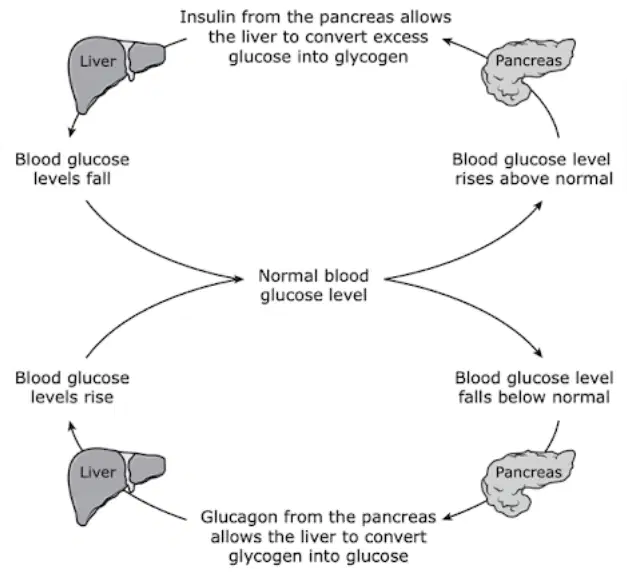
Feedback loop
Dichotomous key
Negative feedback loops seek to reestablish -
evolution
homeostasis
Positive feedback loop example -
Childbirth
Heart rate after exercise

