wayground logo

Free Printable Worksheets

Font size

S
M
L
XL
Worksheets

Biology Semester 2 Review

Total questions: 212

Worksheet time: 4hrs 59mins

Name
Class
Date
1.
Which is an example of a hypothesis
a)
The plant will grow.
b)
The plant died after 5 days.
c)
Water the plant with 1/2 cup of water per day.
d)
The plant in the sunlight will grow faster than the plant in the dark.
2.
What is a controlled variable?
a)
The condition kept constant so as not to confuse results.
b)
The variable responding to the changes being made.
c)
The variable that changes throughout the experiment.
d)
The tools used in the experiment.
3.
What does the arrow mean in a food chain?
a)
Who is eating who
b)
The passing of energy
c)
The highest consumer
d)
The direction that water is passed
4.
Which is an example of a producer?
a)
Rabbit
b)
Corn
c)
Deer
d)
Wolf
5.
The top of the food chain is likely to be a...
a)
omnivore
b)
herbivore
c)
carnivore
d)
none of these
6.
Trophic level means...
a)
Located in the tropics
b)
Food level
c)
Energy level
d)
Award-winning
7.

What is the result when a single cell reproduces by mitosis?

a)

two cells with genetic material identical to the parent cell

b)

two cells with half the genetic material of the parent cell

c)

four cells with half the genetic material of the parent cell

d)

four cells with genetic material identical to the parent cell

8.

How are sexual reproduction and asexual reproduction different?

a)

Sexual reproduction produces offspring identical to the parents, but asexual reproduction produces offspring with traits from both parents.

b)

Asexual reproduction produces offspring identical to the parents, but sexual reproduction produces offspring with traits from both parents.

c)

Sexual reproduction only occurs in multicellular organisms, but asexual reproduction only occurs in unicellular organisms.

d)

Asexual reproduction only occurs in multicellular organisms, but sexual reproduction only occurs in unicellular organisms.

9.

Which characteristic is present in offspring produced by sexual reproduction, but is missing in offspring produced by asexual reproduction?

a)

an identical copy of parent chromosomes

b)

twice the number of parent chromosomes

c)

only half the number of parent chromosomes

d)

an independent assortment of parent chromosomes

10.

Which two groups of organisms have the most genetic differences?

a)

rotifers and nematodes

b)

mollusks and annelids

c)

mollusks and arthropods

d)

echinoderms and chordates

11.

Which statement best compares aerobic and anaerobic respiration?

a)

Less ATP is generated during anaerobic respiration than during aerobic respiration.

b)

More water is generated during anaerobic respiration than during aerobic respiration.

c)

More oxygen is generated during anaerobic respiration than during aerobic respiration.

d)

Less lactic acid is generated during anaerobic respiration than during aerobic respiration.

12.
a)

A

b)

B

c)

C

d)

D

13.
a)

A

b)

B

c)

C

d)

D

14.
a)

A

b)

B

c)

C

d)

D

15.

A

a)

A

b)

B

c)

C

d)

D

16.
a)

A

b)

B

c)

C

d)

D

17.
a)

A

b)

B

c)

C

d)

D

18.
a)

A

b)

B

c)

C

d)

D

19.
a)

A

b)

B

c)

C

d)

D

20.
a)

A

b)

B

c)

C

d)

D

21.
a)

A

b)

B

c)

C

d)

D

22.
a)

A

b)

B

c)

C

d)

D

23.
a)

A

b)

B

c)

C

d)

D

24.
a)

A

b)

B

c)

C

d)

D

25.
a)

A

b)

B

c)

C

d)

D

26.
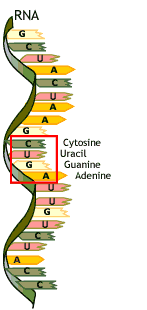
Which of these is NOT found in RNA?
a)
cytosine
b)
uracil
c)
deoxyribose sugar
d)
adenine
27.
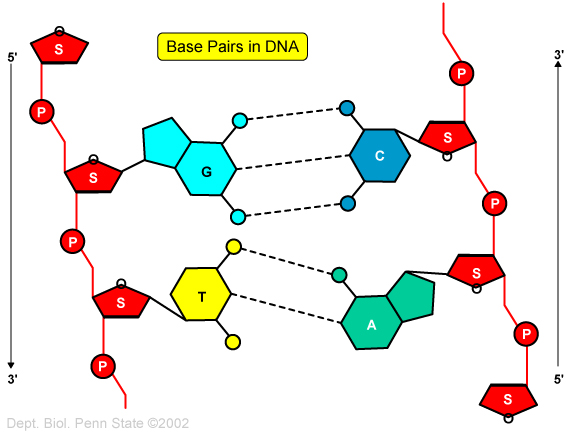
In DNA, adenine always pairs with:
a)
uracil
b)
cytosine
c)
guanine
d)
thymine
28.
Name the monomer of a nucleic acid
a)
monosaccharide
b)
fatty acids and glycerol
c)
nucleotide
d)
amino acid
29.
How many strands of genetic information is RNA made of?
a)
1
b)
2
c)
3
d)
4
30.
Nitrogenous bases are joined by which type of bond?
a)
polar bonds
b)
ionic bonds
c)
covalent bonds
d)
hydrogen bonds
31.
Replicate the following strand of DNA: 
AATCATGGA
a)
AATCATGGA
b)
TTAGTACCT
c)
UUAGUACCU
d)
GGATAUCUA
32.
The enzyme that unzips the DNA to prepare for replication
a)
helicase
b)
replicase
c)
DNA polymerase
d)
RNA polymerase
33.
DNA replication results in two DNA molecules,
a)
each one with two original strands
b)
each one with two new strands
c)
each one with one new strand and one original strand
d)
one with two new strands and the other with two original strands
34.
In what phase of the cell cycle does DNA replication take place?
a)
G1
b)
Synthesis
c)
G2
d)
Binary Fission
35.
The cell spends most of it's life in ________________.
a)
mitosis
b)
cytokinesis
c)
Interphase
d)
None of the above
36.
The division of the nucleus is known as:
a)
Synthesis
b)
Mitosis
c)
G1
d)
G2
37.
The ___________ holds the replicated sister chromatids together.
a)
centriole
b)
chromosomes
c)
centromere
d)
cycles
38.
The structures labeled B are
a)
centrioles
b)
chromatids
c)
centromeres
d)
chromopheres
39.
A human cell has 46 chromosomes before mitotic division.  How many chromosomes will the daughter cells after mitosis.
a)
12
b)
23
c)
46
d)
92
40.

At the end of mitosis you have _____ cells

a)

identical

b)

different

c)

identical twins

d)

variety

41.
Uncontrollable cell growth is known as _____
a)
obesity
b)
cancer
c)
diabetes
d)
hepatitis
42.
Unlike mitosis, meiosis in male mammals results in the formation of
a)
one haploid gamete
b)
three diploid gametes
c)
four diploid gametes
d)
four haploid gametes
43.
Why do we need meiosis?
a)
To double the number of chromosomes going into sex cells
b)
To halve the number of chromosomes going into sex cells
c)
To triple the number of chromosomes going into sex cells
d)
To not change the number of chromosomes going into sex cells
44.
A human zygote should have _____ chromosomes inside.
a)
46
b)
23
c)
92
d)
64
45.
When an area of a chromatid is exchanged with the matching area on a chromatid of its homologous chromosome, _________________ occurs
a)
crossing over
b)
mutagenesis
c)
hybridization
d)
fertilization
46.
If a body cell in a butterfly contains 24 chromosomes, a butterfly egg would contain
a)
3
b)
6
c)
12
d)
24
47.
The chromosomes that pair up during meiosis, are called __________ chromosomes.  
a)
homozygous 
b)
asexual
c)
homologous
d)
genes
48.
Identify the phase.
a)
Metaphase I
b)
Metaphase II
c)
Prophase I
d)
Anaphase II
49.
 Turner's Syndrome is monosomy of which chromosome?
a)
18
b)
21
c)
sex chromosome
d)
13
50.
What chromosome is affected by Down's Syndrome?
a)
23
b)
18
c)
13
d)
21
51.
An allele is:
a)
Another term for sex chromosome
b)
A version of a gene
c)
The physical expression of an organism's genotype
d)
A haploid cell
52.
What does heterozygous mean?
a)
An organism that has the same genes for a trait (TT or tt)
b)
An organism that has different genes for a trait (Tt)
c)
When neither gene is fully dominant; offspring is a mixture of both
d)
the different forms of a trait (hair color--> brown, blonde, red
53.
If T=Tall & t=short, what is the genotypic ratio?
a)
1:3
b)
3:1
c)
1:2:1
d)
2:2
54.
What is a phenotype?
a)
The expression of a trait; what you see.
b)
refers to the genetic makeup of an individual
c)
An organism that has the same genes for a trait (ex. TT or tt)
d)
the passing of traits from parent to offspring
55.
If green is dominant over purple, then what is the genotype for this individual?
a)
Purple
b)
Green
c)
GG
d)
gg
56.
A hairline that comes to a point in the center of the forehead is called a widow's peak. Having a widow's peak is a dominant trait, while having a straight hairline is a recessive trait. Cate, a woman with a widow's peak, has two children with James, a man with a straight hairline like her father.
What is the probability that their next child will have a straight hairline?
a)
0%
b)
25%
c)
50%
d)
75%
57.
Enyzmes are a very important type of protein used to
a)
Build bones in skeleton
b)
Send hormonal signals throughout body
c)
Speed up chemical reactions
d)
Photosynthesize glucose in plants
58.
What is the monomer of proteins?
a)
amino acids
b)
polypeptides
c)
nucleotides
d)
monosaccharides
59.
In RNA, Uracil pairs with ______. 
a)
cytosine
b)
adenine
c)
guanine
d)
thymine
60.
The process to go from DNA to mRNA is _______
a)
translation
b)
transcription
c)
replication
61.
Choose the nucleotide sequence of the RNA strand that would be complementary to the following strand: 
GTAGTCA
a)
UATUAGA
b)
ACGACTG
c)
CAUCAGU
d)
CATCAGT
62.
The main function of tRNA is to...
a)
carry a message that, when translated, forms proteins
b)
form a portion of ribosomes
c)
string together complementary RNA and DNA strands
d)
bring amino acids from the cytoplasm to the ribosomes
63.
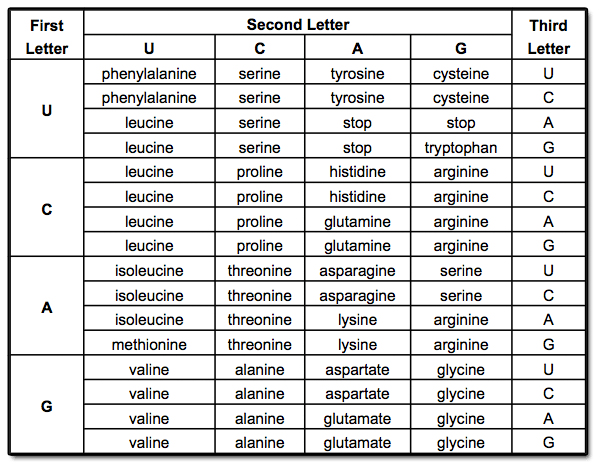
What amino acid is represented by the codon UUA?
a)
Phenylalanine
b)
Tyrosine
c)
Leucine
d)
Stop codon
64.
What is the purpose of transcription? 
a)
to make protein
b)
to make ribosomes
c)
to make nucleus
d)
to make mRNA
65.
What is the location in the cell for translation?
a)
nucleus
b)
mitochondria
c)
ribosome
d)
chloroplast
66.
What is the three base sequence of mRNA that codes for a single amino acid?
a)
Anticodon
b)
Codon
c)
Amino-acid
d)
tRNA
67.
In RNA, the nitrogen base____ replaces ____ that was present in DNA. 
a)
A, U (adenine, uracil)
b)
C, G (cytosine, guanine)
c)
U, T (uracil, thymine)
d)
U, A (uracil, adenine)
68.
Which do DNA and RNA have in common?
a)
Both are double stranded.
b)
Both contain ribose molecules.
c)
Both contain phosphate groups.
d)
Both contain uracil.
69.
Which of the following sequences of processes correctly reflects the central dogma?
a)
protein synthesis, transcription, translation
b)
protein synthesis, translation, transcription
c)
transcription, translation, protein synthesis
d)
translation, transcription, protein synthesis
70.
Hydrophilic portion of cell membrane?
a)
A
b)
C
c)
D
d)
71.
The function of the plasma membrane is....
a)
to regulate what enters and leaves the cell.
b)
fight bacteria and viruses that enter the cell.
c)
provide rigid support and protection to the cell.
d)
make sure each cell can move
72.
What is another term for "selectively permeable"?
a)
porous
b)
completely permeable
c)
permanent
d)
semipermeable
73.
Which of the following molecules make up the basic structure of a cell membrane?
a)
waxes
b)
steroids
c)
fatty acids
d)
phospholipids
74.
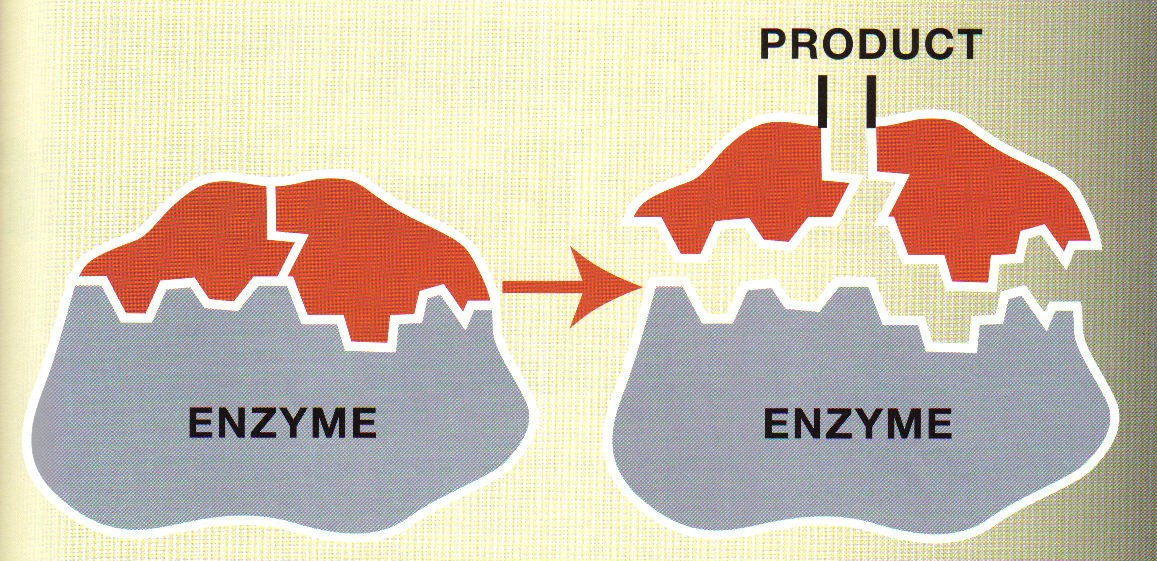
The area that the substrate fits into on the enzyme is called the:
a)
Active Site
b)
Allosteric Site
c)
DiSulphide Bridge
d)
β-Pleated Sheet
75.
Structures with the same parts have different functions; suggests that organisms share a common ancestry
a)
vestigial structures
b)
homologous structures
c)
adaptive radiation
d)
fossil
76.
Natural selection results in change over time by acting on traits that are
a)
heritable
b)
new
c)
mutated 
d)
better than the best
77.
Mutations are important because they bring about
a)
death of the organism in which they develop
b)
genetic variation needed for a population to evolve
c)
benefits for the individual, not for the population
d)
Hardey-Weinberg equilibrium within a population
78.
which of the folllowing is an exammple of a vestigial structure?
a)
the wings of a red-tailed hawk
b)
the hind limbs of a house cat
c)
the fins of sharks
d)
the wings of an ostrich
79.
All rabbits living in a particular area would be an example of a(n)
a)
population
b)
species
c)
fossil
d)
individual organism
80.
In natural selection, the selective agent is the
a)
humans
b)
mutations
c)
breeders
d)
environment
81.
What is the correct order of levels of organization that make up an organism?
a)
organ, organ system, cell, tissue
b)
cell, organ, tissue, organ system
c)
cell, tissue, organ, organ system
d)
organ, tissue, organ system, cell 
82.
The shape of an enzyme determines its
a)
function
b)
growth
c)
size
d)
concenration 
83.
Photosythesis is a process that occurs in the 
a)
mitochondria
b)
chloroplast
c)
cytoplasm
d)
nucleus
84.
An enzyme is a 
a)
lipid
b)
messanger
c)
catalyst
d)
timer
85.
Cellular respiration occurs in the 
a)
mitochondria
b)
chloroplast
c)
cytoplasm
d)
nucleus
86.
How many alleles (letters) does a child get from each parent for each trait?
a)
1
b)
2
c)
3
d)
4
87.
How many alleles (letters) do each person carry for a trait?
a)
1
b)
2
c)
3
d)
4
88.
What you see, or the physical appearance.
a)
Genotype
b)
Phenotype
c)
Homozygous
d)
Heterozygous
89.
T - tall and t = short
In the punnett square below, what belongs in the missing square
a)
tt
b)
Tt
c)
Bb
d)
TT
90.
AA and Aa always show up as
a)
dominant
b)
recessive
91.
aa always shows up as
a)
dominant
b)
recessive
92.
Aa is
a)
homozygous
b)
heterozygous
93.
Which of the following genotypes is homozygous dominant?
a)
A
b)
Aa
c)
AA
d)
aa
94.
Which of the following genotypes is heterozygous?
a)
Bb
b)
BB
c)
bb
d)
B
95.
Which of the following is homozygous recessive?
a)
Tt
b)
tt
c)
TT
d)
T
96.
In a pedigree, what shape represents a male?
a)
circle
b)
square
c)
triangle
d)
diamond
97.
What gender has an X and a Y chromosome?
a)
male
b)
female
c)
transgender 
d)
all of the above
98.
Two brown eyed parents (Bb) have a baby. What is the chance the baby is blue eyed?
a)
0 %
b)
25%
c)
50%
d)
75%
99.
A human usually has _____ total chromosomes.
a)
6
b)
22
c)
4
d)
46
100.
What type of chromosomal abnormality do people with Down Syndrome have? 
a)
trisomy 21
b)
monosomy 21
c)
recessive inheritance
d)
dominant inheritance
101.
How many kids did the mother and father from the first generation have?
a)
2
b)
4
c)
5
d)
6
102.
In the second generation-how many people are carriers of the trait?
a)
2
b)
3
c)
5
d)
6
103.
How many generations are shown in this pedigree?
a)
1
b)
2
c)
3
d)
4
104.
In the second generation-how many people have the disease or display the physical trait?
a)
2
b)
4
c)
5
d)
6
105.
The process by which all organisms change slowly over time because of slight gene variations is called
a)
natural selection
b)
artificial selection
c)
evolution
d)
gene pool
106.
Who observed variations in the characteristics of plants and animals on different islands of the Galapagos?
a)
James Hutton
b)
Charles Lyell
c)
Jean-Baptiste Lamarck
d)
Charles Darwin
107.
An inherited characteristic that increases an organism's ability to survive and reproduce in its specific environment is called (n)
a)
vestigial structure
b)
adaptation
c)
speciation
d)
analagous structure
108.
How well an organism survives and reproduces in its environment can be described as its
a)
fitness
b)
homologies
c)
common descent
d)
analogies
109.
Which of the following phrases best describes the results of natural selection?
a)
natural variation found in all populations
b)
unrelated species living in different locations
c)
changes in the inherited characteristics of a population over time
d)
struggle for existence undergone by all iving things
110.
Which of the following conditions are necessary for natural selection to occur?
a)
overproduction of offspring
b)
variation within a population
c)
struggle for existence
d)
all of the above
111.
The scientific name for an organism is made from the:
a)
class and family name
b)
genus and species name
c)
domain and kingdom name
d)
kingdom and phylum name
112.
Term given to describe the 2 name naming system is:
a)
dichotmous key
b)
binomial nomenclature
c)
2 scientific names
d)
binomial key
113.
Which symbols best describe mutualism?
a)
+,+
b)
+,-
c)
+,0
d)
-,0
114.
Which symbols best describe parasitism?
a)
+,+
b)
+,-
c)
+,0
d)
-,0
115.
Which symbols best describe commensalism?
a)
+,+
b)
+,-
c)
+,0
d)
0,0
116.
Green plants are
a)
producers
b)
consumers
c)
herbivores
d)
omnivores
117.
What is the original source of almost all energy in most ecosystems?
a)
carbohydrates
b)
sunlight
c)
water
d)
carbon
118.
An organism that produces its own food supply from inorganic compounds is called a(an)
a)
heterotroph
b)
consumer
c)
detritivore
d)
autotroph
119.
What is an ecological model of the relationships that form a network of complex interactions among organisms in a community from producers to decomposers?
a)
food web
b)
an ecosystem
c)
food chain
d)
a population
120.
What is the term for each step in the transfer of energy and matter within a biological community?
a)
energy path
b)
food web
c)
trophic level
d)
food pyramid
121.
Autotrophs make up the _______ level in all ecosystems.
a)
First
b)
Second
c)
Third
d)
Fourth
122.
The energy at each trophic level in the pryamid of energy decreases by a factor of ____.
a)
10
b)
1
c)
100
d)
2
123.
What does a food web represent?
a)
All connections of energy flow throughout all organisms in a habitat.
b)
The specific ways that mutualism is carried out.
c)
A single pathway or energy flow between organisms. 
d)
How carnivores get their food. 
124.
The nonliving aspects of an ecosystem.
a)
Abiotic factors
b)
Biotic factors
125.
The living portions of the ecosystem.
a)
Biotic factors
b)
Abiotic factors
126.
A place where an organism lives.
a)
Terrain
b)
Habitat
c)
Community
d)
Population
127.
Largest number of individuals of a population that the environment can support?
a)
carrying capacity
b)
primary succession 
c)
denitrification
d)
mutualism
128.
A large area that has a specific type of climate and certain types of plant and animal communities 
a)
ecosystem
b)
habitat
c)
niche
d)
biome
129.
Which cellular process is shown?
a)
meiosis
b)
endocytosis
c)
mitosis
d)
phagocytosis
130.
Sperm and egg cells are an example of what?
a)
gametes
b)
chromosomes
c)
meiosis
d)
stages
131.

Squirrels have 40 chromosomes in its diploid cells. How many chromosomes will you find in their egg cells

a)

40

b)

23

c)

20

d)

Not enough information to answer the question

132.
What causes genetic variation in meiosis?
a)
chromosomes lining up
b)
crossing over of chromosomes
c)
separation of chromosomes
d)
chromosomes pulling apart
133.

What is the genotype of individual 1, if shaded individuals are homozygous recessive?

a)

Heterozygous (Bb)

b)

Homozygous Dominant (BB)

c)

Homozygous Recessive (bb)

134.

What is the genotype of individual 4, if shaded individuals are homozygous recessive?

a)

Heterozygous (Bb)

b)

Homozygous Dominant (BB)

c)

Homozygous Recessive (bb)

135.
What is the genotypic ratio here
a)
TT = 25% Tt= 50% tt=25%
b)
all tall
c)
TT= 75% tt = 25%
d)
Tt = 100%
136.

Fossils prove evolution because

a)

they show how organisms changed over time

b)

they are layers of animals who died

c)

they look like organisms that are alive now

137.

How does DNA Evidence prove evolution?

a)

the similarity of DNA among very different species

b)

the control of protein synthesis by DNA

c)

the replication of DNA during mitosis

d)

the double-helix shape

138.
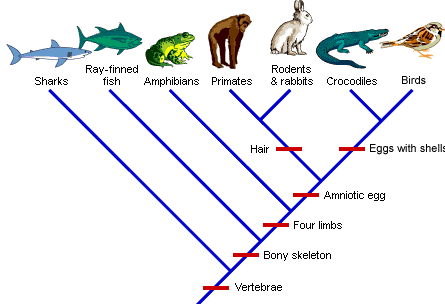
According to this cladogram, sharks are MOST closely related to which organism? 
a)
Amphibians
b)
Ray finned fish
c)
Crocodiles
d)
Birds
139.
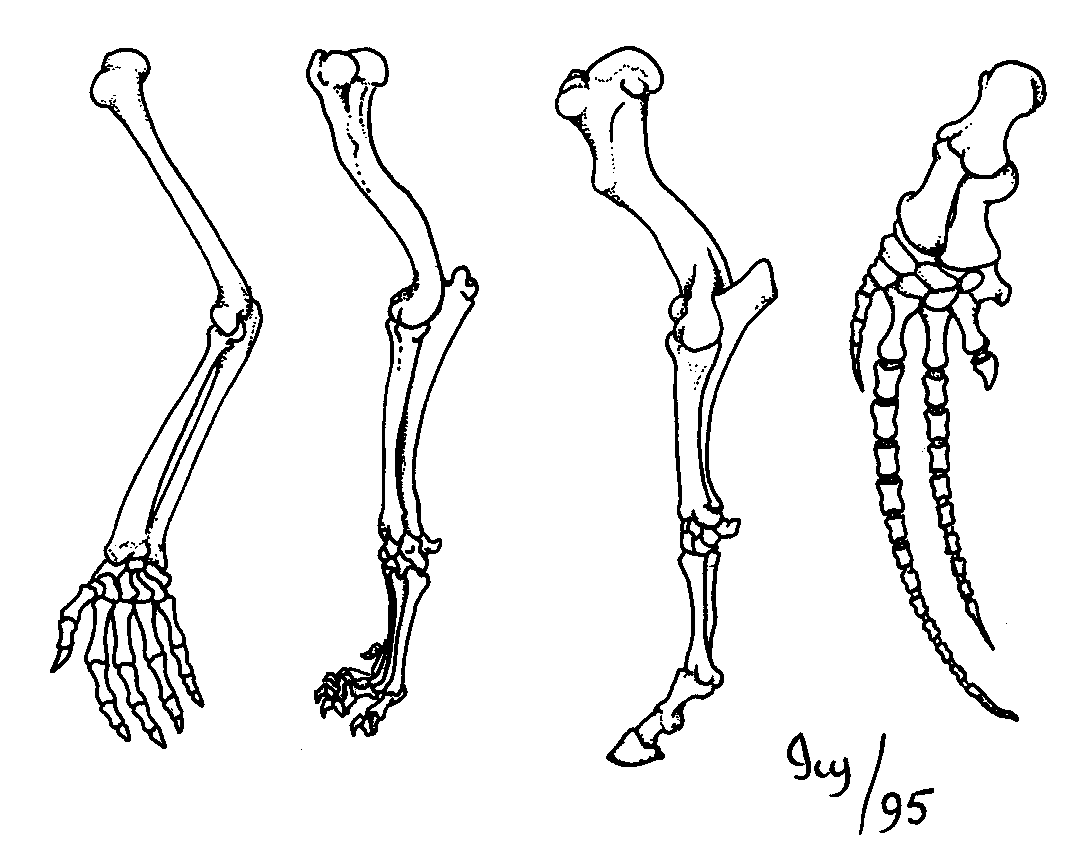
The similarities of the bones in the diagram provide evidence that---
a)
The organisms shown lived in the same natural envionrment
b)
The organisms shown may have developed from a common ancestor
c)
The organisms shown have the same genetic diseases
d)
All vertebrate species have identical forelimbs
140.
A feeding relationship where one organism hunts and one is hunted.
a)
Commensalism
b)
Decomposistion
c)
Mutualism
d)
Predator-Prey
141.
An organism that helps to recycle nutrients within an ecosystem by eating dead or decaying organisms is a:
a)
Predator
b)
Autotroph
c)
Producer
d)
Decomposer
142.
This is known as a relationship in which one organism benefits, while the other is unaffected.
a)
Parasitism
b)
Mutualism
c)
Immigration
d)
Commensalism
143.
A clownfish uses a sea anenome as a safe place to live. While living there, the clownfish lures in food for the anenome. This is an example of what type of relationship?
a)
Predator-Prey
b)
Commensalism
c)
Mutualism
d)
Parasitism
144.
A mosquito feeds off of the blood of different organisms. This usually causes discomfort to the organism and sometimes disease and death. This is an example of:
a)
Parasitism
b)
Decomposition
c)
Commensalism
d)
Mutualism
145.
A feeder fish usually follows behind sharks to pick up food scraps that they leave behind. The fish gets food and the shark is unaffected. This is an example of:
a)
Mutualism
b)
Commensalism
c)
Parasitism
d)
Decomposition
146.

What is the bottom layer of the an energy pyramid?

a)

producer

b)

tertiary consumer

c)

Secondary consumer

d)

primary consumer

147.

What does an energy pyramid show?

a)

Energy flow in a community

b)

Longest lifespans

c)

The stronger animal the higher it is on the pyramid

148.
If there is 1000 Kcal available in the producers in trophic level 1, how much energy is available in the herbivores in trophic level 2?
a)
10 Kcal
b)
1 Kcal
c)
100 Kcal
d)
1000 Kcal
149.

What level consumer is the deer?

a)

primary consumer

b)

secondary consumer

c)

tertiary consumer

d)

Producer

150.
Why is DNA important?
a)
it is very small and very complicated
b)
it's in everything
c)
it serves as the blueprint for traits of all living things
d)
because we eat it every day for energy
151.

What is the function of ribosomes?

a)

to bond amino acids together to form proteins

b)

to break down biological polymers

c)

to modify lipids and proteins

d)

to contain

DNA

152.
Where are proteins made?
a)
Golgi body
b)
Mitoichondria
c)
Chromosomes
d)
Ribosomes
153.
Which phrase best describes translation?
a)
converts mRNA into a polypeptide
b)
catalyzes bonds between amino acids
c)
produces RNA from DNA molecules
d)
recycles tRNA molecules for reuse
154.
Translation is the process where
a)
mRNA is created in the Nucleus
b)
mRNA is decoded to form a protein 
c)
glucose molecules are made
d)
is where lipids are synthesised
155.
The codon is located on the 
a)
DNA
b)
mRNA
c)
tRNA
d)
rRNA
156.
Where does transcription take place?
a)
nucleus
b)
cytoplasm
c)
ribosome
157.

What is the first step of protein synthesis?

a)

tRNA attaches to the codon on mRNA

b)

mRNA is made using the information from DNA

c)

ribosomes bond amino acids together using peptide bonds

d)

mRNA moves out of the nucleus to the cytoplasm

e)

the ribosome attaches to mRNA

158.

What is the last step of protein synthesis?

a)

tRNA attaches to the codon on mRNA

b)

mRNA is made using the information from DNA

c)

ribosomes bond amino acids together using peptide bonds

d)

mRNA moves out of the nucleus to the cytoplasm

e)

the ribosome attaches to mRNA

159.

What has to happen before the mRNA can attach to the ribosome?

a)

tRNA attaches to the codon on mRNA

b)

mRNA is made using the information from DNA

c)

ribosomes bond amino acids together using peptide bonds

d)

mRNA moves out of the nucleus to the cytoplasm

e)

the ribosome attaches to mRNA

160.
Process in which amino acids are assembled into proteins at the ribosome?
a)
Translation
b)
Transcription
c)
Meiosis
d)
Replication
161.
Which structure reads the mRNA codons?
a)
Nucleus
b)
Ribosome
c)
Golgi Body
d)
Enzyme
162.

Which organisms take CO2 out of the atmosphere?

a)

Animals

b)

Decomposers

c)

Fungi

d)

Plants, Algae, & Photosynthetic Bacteria

163.
Only 10 percent of the energy stored in an organism can be passed on to the next trophic level. Of the remaining energy, some is used for the organism’s life processes, and the rest is
a)
Used in reproduction
b)
Stored as body fat
c)
Stored as body tissue
d)
Eliminated as heat
164.
This organism draws its nutrients from dead organisms as it releases enzymes to cause the organisms to break down and break apart. Is it a...
a)
Producer
b)
Consumer
c)
Decomposer
165.
SOMATIC or GAMETE? 
a)
Somatic
b)
Gamete
c)
Magic
166.
DIPLOID OR HAPLOID? 
a)
Diploid
b)
Hapolid
167.
What are these chromosomes called? 
a)
Autosomes
b)
Sex Chromosomes
168.
An example of a nucleic acid would be ____.
a)
cellulose
b)
lipase
c)
RNA
d)
Cholesterol
169.
Name the sugar present in DNA.
a)
deoxyribose
b)
ribose
c)
starch
d)
glucose
170.
What base switches with thymine when DNA makes mRNA?
a)
adenine
b)
guanine
c)
cytosine
d)
uracil
171.
Write the complimentary mRNA strand for the DNA strand CGA GAT
a)
GCU CUA
b)
GCC CUT
c)
GCC CTU
d)
TAG CUT
172.
Who is considered the "Father of Genetics?"
a)
James Watson
b)
Francis Crick
c)
Gregor Mendel
d)
Albert Einstein
173.
Which of the following is an example of a PHENOTYPE?
a)
25%
b)
Blue
c)
1:2:1
d)
Bb
174.
Which of the following is an example of a GENOTYPE?
a)
25%
b)
Blue
c)
1:2:1
d)
Bb
175.
Which of the following is an example of a homozygous recessive genotype?
a)
RR
b)
Rr
c)
rr
176.
What gender is this individual?
a)
male
b)
female
c)
we cannot tell using a karyotype?
177.
Chromosome pairs #s 1-22 are called
a)
mutations
b)
genosomes
c)
sex chromosomes
d)
autosomes
178.
Who is the founder of the idea of natural selection to explain evolution?
a)
Darwin
b)
Mendel
c)
Newton
d)
Einstein
179.
When the DNA of an organism is altered it is referred to as…
a)
Mutation
b)
Gene Flow
c)
Genetic Drift
d)
Sexual Selection
180.
Which of the following is NOT an example of natural selection? 
a)
People selectively breeding hamsters.
b)
Insect populations developing resistance to certain pesticides.
c)
Bacteria becoming resistant to antibiotics.
d)
Male birds of certain species developing colorful feathers to attract female mates.
181.
Which term refers to the process by which individuals that are better suited to the environment survive and reproduce therefore passing down their genes to their offspring? 
a)
Evolution 
b)
Variation 
c)
Adaptation
d)
Natural Selection 
182.
Which of the following is a term for a group of similar organisms that can reproduce fertile offspring?
a)
individual
b)
population
c)
species
d)
fossil
183.
Why are advantageous traits more likely to be passed onto offspring?
a)
Because the organisms that have them are more likely to survive and reproduce.
b)
Because they come from dominant alleles.
c)
Because they come from recessive alleles.
d)
Because the trait is an acquired phenotype.
184.
What part of the environment selected these finches for survival?
a)
Available food
b)
The soil, trees, and rocksfor survival
c)
The types of diseases that affect birds on the Galapagos
185.

Check all that are factors in natural selection

a)

large populations that have variation

b)

competition for resources

c)

adaptations

d)

Produce more offspring than can survive

e)

catastrophism

186.
A symbiotic relationship in which both organisms benefit
a)
competition
b)
Mutualism
c)
nitrogen fixation
d)
energy pyramid
187.
A collection of organisms that belong to different populations but all live in the same area and interact with one another.
a)
Population
b)
Ecosystem
c)
Community
d)
Ecosphere
188.
A collection of organisms that make up a community as well as all of the nonliving aspects of the environment.
a)
Population
b)
Community
c)
Habitat
d)
Ecosystem
189.
Organisms that feed on both living producers and other consumers.
a)
Carnivores
b)
Omnivores
c)
Herbivores
d)
Detritivores
190.
What are the Abiotic factors in this image? 
a)
water, sunlight, dirt, air
b)
birds and plants
c)
birds, water, dirt
d)
plants, water
191.
Which kind of dispersion is #1?
a)
clumped
b)
random
c)
uniform
192.

What is the biggest contribution of the carbon cycle?

a)

provide building blocks for DNA

b)

Recycle nutrients & break down waste

c)

Central member to all biogeochemical cycles

d)

regulating atmospheric temperature

193.

A group of squirrels living in Yosemite is an example of

a)

a biome

b)

a community

c)

an ecosystem

d)

a population

194.
Which biome covers most of the land mass near the Earth's equator?
a)
tundra
b)
desert
c)
grassland
d)
tropical rainforest
195.
Which biome is characterized by low temperatures and low amounts of rainfall?
a)
tundra
b)
desert
c)
temperate deciduous forest
d)
tropical rain forest
196.
Which type of trees is found in a temperate forest?
a)
deciduous
b)
evergreen
c)
ginko
d)
palm
197.
Which major biome is home to cacti, mesquite, white thorn, pack rats, small reptiles, and coyotes?
a)
desert
b)
taiga
c)
tundra
d)
grassland
198.
Which biome contains large populations of grazing herbivores, few species of birds, and deep, rich soil?
a)
taiga
b)
tundra
c)
deciduous forest
d)
grassland
199.
This biome contains mostly spruce trees and Douglas firs, which are both evergreen.  The winters are long and cold and the summers are short and rainy.  The soil is very rich.  Moose and elk live here.  This biome is classified as a
a)
taiga
b)
tundra
c)
deciduous forest
d)
temperate forest
200.
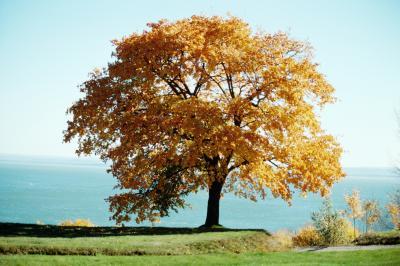
The biome known for trees with broad leaves that fall off the trees in the winter.
a)
Coniferous Forests
b)
Deciduous Forests
c)
Deserts
d)
Tropical Rain Forests
201.
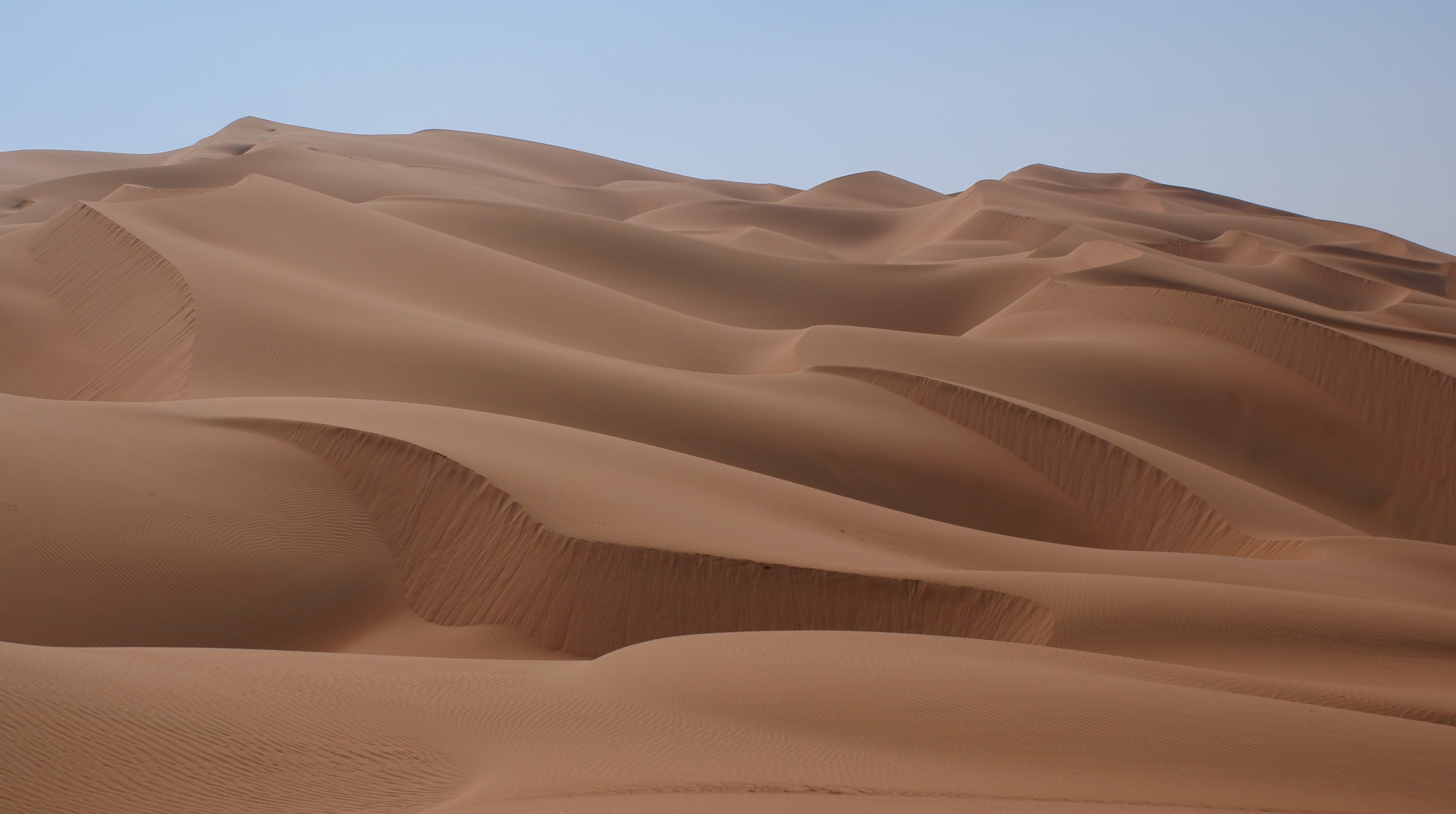
Which biome is MOST LIKE the "desert" in terms of precipitation?
a)
tropical rainforest
b)
temperate deciduous forest
c)
tundra
d)
coniferous forest
202.

Scientists discover a new species of tree that is adapted well for a cold environment with a moderate amount of rainfall. In which biome would this new species most likely be found?

a)

deciduous forest

b)

tropical forest

c)

tundra

d)

taiga

203.

Which of the following terrestrial biomes receives the largest amount of rainfall per year?

a)

desert

b)

prarie

c)

savanna

d)

deciduous forest

204.

Grasslands are characterized by low amounts of rainfall, few trees, and lots of grass. Which of the following would be the primary inhabitants of the grasslands?

a)

Tree-dwelling primates

b)

Thick-furred mammals

c)

Large herbivores

d)

Water-conserving plants

205.

The temperate forest is a type of terrestrial biome.

Which of the following are characteristic of a temperate forest?

a)

Elk and caribou migrating during the early summer to graze on lichen and grasses.

b)

Warm weather, plentiful rain, and diverse plant and animal life

c)

Cold winters, short summers, and frozen subsoil, even in the summer

d)

Warm summers, cold winters, squirrels, and deciduous trees

206.

Many types of animals like the bear store up fat during the warm summer months and then hibernate during the cold winter months. Hibernation is a common adaptation of animals in which biome?

a)

savanna

b)

temperate deciduous forest

c)

tropical rain forest

d)

desert

207.
This factor causes a population to decrease due to members moving out.
a)
mortality
b)
emigration
c)
natality
d)
immigration
208.
Birth rate is also called:
a)
mortality
b)
emigration
c)
natality
d)
immigration
209.
Largest number of individuals of a population that the environment can support...  
a)
carrying capacity
b)
population crash
c)
lag phase
d)
mutualism
210.

A population with stable size is one in which___________

a)

birth rate exceeds death rate

b)

death rate is the same as birth rate on average

c)

death rate exceeds birth rate

d)

none of the above

211.
Which biome is shown here?
a)
Tundra
b)
Boreal Forest (Taiga)
c)
Temperate Forest
d)
Temperate Grassland
212.
The land biome dominated by large coniferous trees such as pine, spruce and firs is the _____.
a)
temperate (deciduous) forest
b)
tundra
c)
taiga (borreal forest)
d)
tropical rain forest