wayground logo

Free Printable Worksheets

Font size

S
M
L
XL
Worksheets

MAP Review

Total questions: 203

Worksheet time: 9hrs 24mins

Name
Class
Date
1.
Which planet is the smallest?
a)
Mercury
b)
Venus
c)
Earth
d)
Mars
2.
Which is considered to be "Earth's Twin" because it is almost the same size?
a)
Uranus
b)
Mercury
c)
Mars
d)
Venus
3.
All of the inner planets--
a)
have rings
b)
are rocky
c)
have deep atmospheres
d)
are large
4.
What is the correct order of the planets from the sun? 
a)
Mercury, Venus, Earth, Mars, Jupiter, Saturn, Uranus, Neptune
b)
Mercury, Earth, Venus, Mars, Jupiter, Saturn, Uranus, Neptune
c)
Mercury, Venus, Earth, Mars, Saturn, Jupiter, Uranus, Neptune. 
d)
Mars, Venus, Earth, Mercury, Jupiter, Saturn, Uranus, Neptune. 
5.
The sun is a...
a)
planet
b)
star
c)
asteroid
d)
moon
6.
Which planet is the hottest?
a)
Mercury
b)
Venus
c)
Earth
d)
Neptune
7.
Neptune and Uranus both get their blue color from--
a)
Methane
b)
Iron
c)
Storms
d)
Oxygen
8.
All of the following planets have rings, EXCEPT--
a)
Saturn
b)
Venus
c)
Uranus
d)
Neptune
9.
All of the outer planets--
a)
have many moons
b)
are small
c)
have a short orbit around the Sun
d)
are rocky
10.
What planet is the largest?
a)
Mercury
b)
Neptune
c)
Jupiter
d)
Uranus
11.
What is a STAR?
a)
A twinkle, like a diamond, in the night sky
b)
A ball of fire
c)
Glowing ball of hot gas that makes its own energy and light
d)
A large spherical object in space
12.
What is a PLANET?
a)
A large object in space that orbits a star, such as the sun.
b)
A small plan that is made ahead of time
c)
An object in space
d)
A natural satellite that orbits a planet
13.
What is a MOON?
a)
Something you see in the night sky
b)
Something in space that is made of cheese
c)
a large object in space that orbits a star
d)
A natural satellite that orbits a planet
14.
What is FUSION?
a)
A new type of food that combines tacos with spaghetti
b)
The process by which particles combine to form a new particle
c)
A type of car made by Toyota
d)
A new type of karate
15.
What is a GALAXY?
a)
The speed of the internet
b)
A group of billions of stars
c)
A large object in space that orbits a planet
d)
How the heat of the sun is measured
16.
What is an ATMOSPHERE?
a)
An envelope of gas surrounding an object in space
b)
The center of a planet
c)
A shape that you study in Geometry
d)
A book of maps
17.
What is the FASTEST moving planet?
a)
Earth
b)
Saturn
c)
Mercury
d)
Venus
18.
What is a SUNSPOT?
a)
A really bad sunburn
b)
A dark area on the sun's surface that gives off less energy than the rest of the sun
c)
The hottest part of the sun
d)
The shadow of another object on the sun's surface
19.
What is the HOTTEST planet?
a)
Earth
b)
Mercury
c)
Venus
d)
Mars
20.
What is the LARGEST planet?
a)
The Sun
b)
Neptune
c)
Venus
d)
Jupiter
21.

What organelle do plants have surrounding their cells that animals lack?

a)

Cell Wall

b)

Woody Stems

c)

Cell Membrane

d)

Sharp Thorns

22.

When many organ systems work together it can form...

a)

organ

b)

cells

c)

organism

d)

organ system

23.

Which organelle is only found in a plant cell?

a)

nucleus

b)

chloroplast

c)

mitochondria

d)

cell membrane

24.

Directs all cell activities through the DNA located there.

a)

Lysosomes

b)

Nucleus

c)

ribosomes

d)

Mitochondria

25.

You might think of me as the trash collector, but recycler is maybe more accurate. What am I?

a)

mitochondria

b)

vacuole

c)

lysosome

d)

ribosome

26.

What is found in both plant and animal cells but is much larger in plant cells?

a)

Nucleus

b)

Mitochondria

c)

Chloroplast

d)

Vacuole

27.

I am the outer most layer of an animal cell. What am I?

a)

cell wall

b)

cell membrane

c)

nucleus

d)

Cell Skin

28.

What is the gel-like substance inside of cells called?

a)

photoplasm

b)

cytoskeleton

c)

photosynthesis

d)

cytoplasm

29.

Which of the following is not part of the cell theory?

a)

cells must contain DNA

b)

all living things are made from cells

c)

cells can only come from other cells

d)

cells are the basic unit of life

30.

Which structures are found in every living cell?

a)

cell membrane and cytoplasm

b)

chloroplasts and mitochondria

c)

a cell wall and nucleus

d)

chloroplasts and cell wall

31.

Which organ system takes in oxygen and releases carbon dioxide?

a)

Chemical system

b)

Respiratory system

c)

Circulatory system

d)

Endocrine system

32.

The digestive system converts food into usable

a)

nutrients

b)

muscles

c)

energy

33.

Plants use the sunlight to make their own food. Therefore, plants are

a)

Producers, which produce energy for the rest of the ecosystem

b)

Consumers, consuming other living things in an ecosystem

c)

predators, top of the food chain

34.

Which organisms make energy available to all other organisms in a food chain?

a)

consumers

b)

decomposers

c)

producers

35.

Which of the following is an example of a predator?

a)

Wolf

b)

Owl

c)

Snail

d)

Plant

36.

Abiotic or Biotic: An insect

a)

Abiotic

b)

Biotic

37.

Abiotic or Biotic: Water

a)

Abiotic

b)

Biotic

38.

How many producers are in this food web?

a)

1

b)

2

c)

3

d)

4

39.

What Is natural selection?

a)

living things adapt to their environment to survive and produce more offspring

b)

Living things eat and hunt lesser creatures so they are not the one eaten

c)

The way natural works on its own

40.

Changes in physical structure, function, or behavior that allow an organism to survive

a)

Adaptation

b)

Mutation

c)

Camouflage

d)

Interdependence

41.

Coloring of markings that help or organism blend in with its surroundings

a)

Adaptation

b)

Trait

c)

Camouflage

d)

Mutation

42.

Which of the following best describes the velocity of an object?

a)

30 m/s

b)

30 m/s east

c)

30 m/s2

d)

30 m

43.

What is the difference between the velocity and speed of an object?

a)

Velocity is the change in distance over time, while speed is the change in velocity over time.

b)

Velocity has a direction associated with it, while speed has no specific direction.

c)

Velocity is the change in speed over time, while speed is the change in distance over time.

d)

Velocity has no direction associated with it, while speed has a specific direction.

44.

The list include six situations

  1. A book sliding across a table at a constant speed
  2. A ball sitting on a shelf
  3. A can rolling down a ramp
  4. A swing moving back and forth
  5. A car traveling at a constant speed of 15 m/s
  6. A bird landing on a branch

Which objects in the list experience an unbalanced force?

a)
  1. the book, 2. the ball, and 5. the car
b)
  1. the ball, 5. the car, and 6. the bird
c)
  1. the can, 4. the swing, and 6. the bird
d)
  1. the book, 2. the ball, 3. the can. and 4 the swing
45.

The diagram shows a graduated cylinder containing water. From which position will the most accurate measure of the volume of water be made?

a)

Position 1

b)

Position 2

c)

Position 3

d)

Position 4

46.

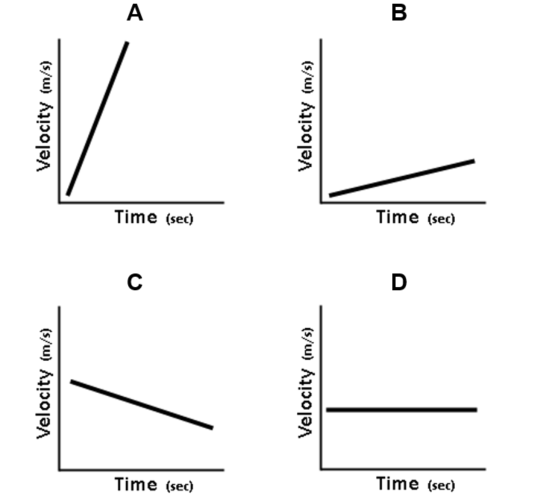
Which graph represents zero acceleration (constant velocity)?

a)

A

b)

B

c)

C

d)

D

47.

All the organisms in a particular location, including their nonliving environment

a)

ecosystem

b)

carnivore

c)

niche

d)

population

48.

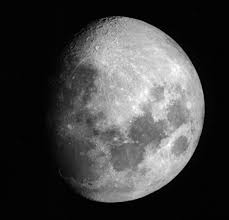
Name the moon phase

a)

waning crescent

b)

waxing crescent

c)

waning gibbous

d)

waxing gibbous

49.

What Moon phase is this?

a)

Full Moon

b)

Waxing Gibbous

c)

New Moon

d)

Half Moon

50.

Based on the image, what lunar phase will be visible from Earth next?

a)

waxing gibbous

b)

first quarter

c)

full moon

d)

new moon

51.

What comes directly after this moon phase?

a)

First Quarter

b)

waning gibbious

c)

New Moon

d)

Full Moon

52.

Temperature, light, air, water, and soil are all _____ parts of the environment

a)

alive

b)

biotic

c)

abiotic

d)

living

53.

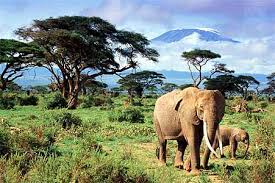
What are the biotic factors in this image?

a)

sunlight, elephants, and grasses

b)

sunlight, water, and air

c)

elephants, plants, trees

54.

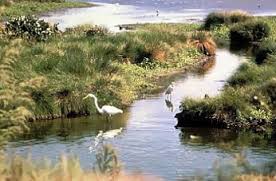
What are the abiotic factors in this image?

a)

water, sunlight, dirt, air

b)

birds and plants

c)

water, plants, and birds

55.

Why do peppered moths tend to be the same color as the trees on which they live?

a)

The coloring goes along with tasting like the tree.

b)

It keeps the moth the same temperature as the tree.

c)

It makes the moths faster than the birds

d)

It makes the moths harder to see.

56.

All of these finches have different shaped beaks, they are an adaptation to gain access of

a)

Water

b)

Food

c)

Shelter

57.

What does this sign mean?

a)

walk in circles

b)

reduce, reuse, recycle

c)

save the environment

d)

green is my favourite colour

58.

What is an inherited trait?

a)

a trait that you recieve from your parent

b)

Ice Cream Cone

c)

Gatorade

d)

the change of an animal

59.

Which of the following is an inherited trait?

a)

Eye color

b)

Name

c)

Hairstyle

d)

Birthday

60.

88 m/s

a)

Speed

b)

Velocity

c)

Acceleration

61.

increase speed

a)

Speed

b)

Velocity

c)

Acceleration

62.

When plants undergo photosythesis they produce--

a)

carbon dioxide

b)

oxygen

c)

hydrogen

d)

nitrogen

63.

A burning candle is the process of transforming--

a)

heat energy into chemical energy

b)

chemical energy into light and heat

c)

chemical energy into mechanical energy

d)

chemical energy into nuclear energy

64.

Which of the organisms in a forest ecosystem is an example of a producer?

a)

grasshoppers

b)

plants

c)

owls

d)

frogs

65.

A tapeworm lives in human intestines, absorbing the nutrients that would normally be absorbed by the person. This eventually causes the person health problems. The relationship between the tapeworm and the human is -

a)

parasite/host

b)

predator/prey

c)

herbivore/omnivore/omnivore

d)

consumer/producer

66.

During which phase does the Moon receive sunlight only on the side facing away from the Earth?

a)

full moon

b)

new moon

c)

waning gibbous

d)

waxing gibbous

67.

Which of the following is an example of static electricity?

a)

A dry cell battery connected to wires lights up a light bulb

b)

A balloon sticks to a wall after it is rubbed with a piece of wool

c)

A magnet sticks to a refridgerator door made of metal

d)

a light switch that is turned on runs a ceiling fan

68.

A coal-burning facility is constructed in an area containing several pond ecosystems. How will this human activity most likely affect the pond ecosystems?

a)

More nutrients will be available.

b)

Organism diversity will increase.

c)

Disease will become less common.

d)

Water quality will be reduced.

69.
The illustrations shows a wave.  The wavelength is the distance between points--
a)
1 and 2
b)
1 and 4
c)
2 and 3 
d)
2 and 4
70.

Which is an SI metric unit measurement that is used to record the heat transfer of a solution in a classroom investigation?

a)

Liter

b)

Newton

c)

Volt

d)

Degree Celsius

71.
Expansion joints such as these are put on bridges because the concrete expands and contracts. This happens when -
a)
chemicals get on the concrete
b)
the temperature changes
c)
the amount of light changes
d)
the concrete gets wet
72.
Which instrument would most accurately and precisely determine the mass of a toy car?
a)
An electronic light meter
b)
A spring scale
c)
A triple-beam balance
d)
A graduated cylinder
73.

A mixture of iron filings and sulfur can easily be separated by--

a)

placing the mixture in water

b)

performing a chemical reaction

c)

heating the mixture

d)

using a magnet

74.

Which organelle functions as a place to store extra water?

a)

Vacoule

b)

Chloroplasts

c)

Nucleus

d)

Cell membrane

75.

DNA is essential to living organisms because it---

a)

carries the genetic code

b)

is a spiral helix

c)

can prevent diseases

d)

can break apart

76.

Abiotic or Biotic: Water

a)

Abiotic

b)

Biotic

77.
Where are earthquakes most likely to occur?
a)
In the middle of plates
b)
In the oceans
c)
Along plate boundaries
d)
Anywhere on the Earth
78.
Why does the Earth orbit the Sun and not a planet in the solar system?
a)
The Sun is more massive than the planets so it's mass causes the gravitational pull.
b)
It just happened that way.
c)
The Earth pulls the Sun toward it  because it is so massive.
d)
The Earth is closer than the other planets so the distance causes the gravitational pull.
79.
Some objects like the Sun produce their own light.  Others don't.  Why can we see objects that don't produce light?
a)
They absorb the light.
b)
They reflect the light.
c)
They transmit the light.
d)
They bounce the light around until it strikes our eyes.
80.
Some resources are renewable and will not run out.  Some are finite and can't be renewed.  Which of these resources is non-renewable?
a)
solar
b)
hydroelectric
c)
wind
d)
oil
81.
Suppose you find fossils of dinosaurs on an island but no fossils of bird or mammal fossils found on the continent it broke off from  This information provides evidence of _________________.
a)
global warming
b)
seafloor spreading
c)
mountain building
d)
continental drift
82.
Which technology would be useful for studying moon phases
a)
Spectroscope
b)
Space Probe
c)
Telescope
d)
The international Space Station
83.
In order to be an index fossil the fossil must
a)
exist for a short period of time over a large area.
b)
exist for a long period of time over a small area.
c)
exist in spotty areas around the world.
d)
exist, die out,  and come back into existence.
84.

How do folded mountains form?

a)

They form when plate boundaries diverge.

b)

They form on the continent side of convergent boundaries.

c)

They form when plates collide or push against each other.

d)

They can form several different ways.

85.
            are observations from which a
conclusion can be drawn.
a)
Predictions
b)
Inventions
c)
Data
d)
Discoveries 
86.
Which statement about opinions is
true?
a)
They are personal beliefs.
b)
They are a valuable tool used by
scientists.
c)
They are supported by evidence.
d)
They can be used to help write
a hypothesis.
87.
You are testing to see if music helps
plants grow better. You divide the
plants into four groups.

 Plant Groups Group Music Type
 A jazz
 B classical
 C rock
 D none
What is group D called??
a)
the model group
b)
the control group
c)
the population group
d)
the experimental group
88.
Which states of matter have volume?
a)
solid and liquid
b)
solid, liquid, and gas
c)
liquid and gas
d)
solid and gas
89.
Which statement best describes atoms? 
a)
They are made of molecules
b)
Some do not have protons
c)
They have a nucleus
d)
They can be seen with a regular microscope
90.
A girl collects rocks while at the beach.  She notices that the rocks are milky white and contain fossils.  What type of rock has she found?
a)
Sedimentary, because it contains fossils
b)
Sedimentary, because it is milky white
c)
Metamorphic, because it contains fossils
d)
Metamorphic, because it is milky white
91.
Which is an example of erosion?
a)
water sitting in a well
b)
magma rising in a volcano
c)
wind blowing sand on a beach
d)
heat melting rock underground
92.
Which energy source is described as having the greatest impact on Earth's living environments?
a)
moving air
b)
moving water
c)
geothermal
d)
the Sun
93.

Which two processes could result in the formation of high mountains with well-rounded peaks?

a)

volcanic eruptions and global warming

b)

earthquakes and tidal activity

c)

movement of tectonic plates and erosion

d)

production of greenhouse gases and weathering

94.

The table shows the number of neutrons, protons, and electrons for two atoms. How are the two atoms alike?

a)

They have the same charge.

b)

They have the same mass number.

c)

They have the same atomic number

d)

They are atoms of the same element.

95.

The diagram shows the arrangement of electrons in a neon atom. How many protons are present in this atom's nucleus?

a)

10

b)

8

c)

2

d)

There is not enough information to answer this question.

96.

In the diagram, the arrows labeled III point to the atom's ______________.

a)

Protons

b)

Neutrons

c)

Nucleus

d)

Electrons

97.

Elements with seven valence electrons —

a)

are highly reactive

b)

are highly stable

c)

have a high mass

d)

have a low mass

98.

The atoms of a certain element each contain 11 protons and 1 valence electron. Which statement correctly identifies this element and describes its chemical reactivity?

a)

The element is sodium, and it is highly reactive

b)

The element is fluorine, and it is highly reactive

c)

The element is sodium, and it is not very reactive

d)

The element is fluorine, and it is not very reactive

99.

Which of these elements would have properties most similar to arsenic (As)?

Use the periodic table and your notes slides.

a)

Silicon (Si)

b)

Selenium (Se)

c)

Tin (Sn)

d)

Phosphorus (P)

100.

Sulfur is a nonmetal. Of the following, the physical characteristic that is most

likely to describe a sample of sulfur is —

a)

a shiny appearance

b)

brittleness

c)

malleability

d)

ductility

101.

How many of each atom are in the compound above?

a)

1 magnesium atom, 2 iron atoms, and 4 oxygen atoms

b)

3 magnesium atoms, 2 iron atoms, and 4 oxygen atoms

c)

6 magnesium atoms, 6 iron atoms, and 12 oxygen atoms

d)

3 magnesium atoms, 6 iron atoms, and 12 oxygen atoms

102.

Potassium nitrate is a compound used in some fertilizers. Its chemical formula

is KNO3. How many TOTAL atoms are in each unit of potassium nitrate?

a)

2

b)

5

c)

3

d)

9

103.

Look at the pictures above. A shows the bag before the vinegar and baking soda are mixed together, and B shows it after they are mixed together. In which picture do the contents of the bag have the greater mass?

a)

The mass is greater in A—before they are mixed.

b)

The mass is greater in B—after they are mixed.

c)

The mass is the same in both.

d)

The mass depends on the temperature.

104.

Which of the following is the best clue that a chemical reaction has taken place?

a)

Change in color

b)

Change in state

c)

Change in particle size

d)

Change in volume

105.

A student uses a magnet to move a .04 kg ball bearing. The magnet exerts a force of 4N, which causes the ball bearing to begin moving. What is the acceleration of the ball bearing when it begins to move?

a)

.01 m/s2

b)

.16 m/s2

c)

3.96 m/s2

d)

100 m/s2

106.

While practicing in a simulator, an astronaut experienced an acceleration of 26 m/s2. The astronaut's mass was 63.0 kg. In Newtons, what force did the astronaut experience?

a)

2.42 N

b)

37 N

c)

1638 N

d)

42,588 N

107.

In this model, which particle determines the reactivity of this atom?

a)

Particle W

b)

Particle X

c)

Particle Y

d)

Particle Z

108.

Which table is correct? (use your periodic table and notes slides)

a)
b)
c)
d)
109.
The imaginary line running through the center of Earth.
a)
axis
b)
moon
c)
constellation
d)
orbit
110.
What causes Earth's seasons?
a)
the tilt of Earth's axis
b)
Earth's rotation
c)
the revolution of the Moon
d)
Earth's distance from the Sun
111.
The rotation of Earth on its axis causes the pattern of _____.
a)
night and day
b)
constellations
c)
Earth's seasons
d)
the phases of the moon
112.
It takes Earth _________ to make one complete rotation on its axis.
a)
24 hours
b)
365 days
c)
28 days
d)
24 days
113.
It takes Earth _____________ to make one revolution or orbit around the Sun.
a)
365 days
b)
365 hours
c)
28 days
d)
24 hours
114.
Which season is taking place in the Southern Hemisphere in Position 1?
a)
Winter
b)
Spring
c)
Summer
d)
Fall
115.
Which season is taking place in the Northern Hemisphere in Position 2?
a)
Winter
b)
Spring
c)
Summer
d)
Fall
116.
What type of tides would this arrangement of earth-moon-sun create?
a)
neap tide
b)
spring tide
c)
new moon tide
d)
full moon tide
117.

Wha type of tide would this arrangement of earth-moon-sun create?

a)

full moon tide

b)

new moon tide

c)

neap tide

d)

spring tide

118.

If the Sun is bigger than the moon, why does the moon have a greater affect on tides?

a)

The Sun's gravity does not affect water.

b)

The moon is much closer than the sun.

c)

Although the moon is smaller than the sun, it has more mass.

d)

The earth blocks the suns gravitational pull.

119.
What are the reasons for the season?
a)
Earth's tilt & rotation
b)
Earth's tilt & revolution
c)
Earth's rotation & rovolution
d)
Earth's tilt & resolution
120.
Which season(s) have the same amount of daylight hours as nighttime hours?
a)
More hour of light during spring, less in fall
b)
More hours of light during summer, less in winter
c)
None of the seasons have equal daylight hours
d)
All are equal
121.
In winter, the axis of the earth is pointed away or toward the sun?
a)
towards
b)
up
c)
down
d)
away
122.
If Earth was NOT tilted on its axis, which of the following would no longer occur?
a)
Change between Day and Night
b)
Change of seasons
c)
Summer
d)
Earth's rotation
123.
The Earth orbits the Sun because of what?
a)
Friction
b)
Electromagnetic attraction
c)
Gravity
d)
Interia
124.
In its rotation around the Earth, the Moon produces spring tides when it is located where?
a)
At either the North or South poles
b)
On either one "side" of Earth or the other
125.
True or False- For a Solar Eclipse to be visible from Earth, the Moon must be BETWEEN the Earth and the Sun.
a)
True
b)
False- the Earth must be between the moon and the Sun.
126.
1 year = 1 ___________
a)
Revolution of Earth around the Sun
b)
Rotation of Earth in its orbit
c)
Rotation of the Sun around the Earth
d)
Rotation of the Moon around Earth
127.
In the same area, the time between one low tide and the next low tide is usually about ___________.
a)
one day
b)
12 hours
c)
24 hours
d)
48 hours
128.
When a hemisphere is tilted TOWARDS the sun, that hemisphere is experiencing which season?
a)
Winter
b)
Spring
c)
Summer
d)
Fall
129.
The gravitational pull between the Earth and the Moon affects area _______________
a)
days and nights
b)
tides
c)
winds/weather
d)
moon phases
130.

What is the layer of mixed gases around the Earth called?

a)

Hemisphere

b)

Atmosphere

c)

Asthenosphere

d)

Lithosphere

131.

Which of these parts of the human body are NOT parts of the circulatory system?

a)

Heart

b)

Lungs

c)

Veins

d)

Arteries

132.

What happens to a species when its environment changes and it does not adapt?

a)

Migration Reflux

b)

Speciation

c)

Evolution

d)

Extinction

133.

In which part of a plant cell does photosynthesis take place?

a)

Cell Wall

b)

Vacuole

c)

Chloroplast

d)

Mitochondria

134.

Where does the Earth get most of its light?

a)

Moon

b)

Planets

c)

Sun

d)

Man-Made Electrical Sources

135.

How many bones does an average adult human have?

a)

188

b)

206

c)

226

d)

252

136.

How do herbivores acquire energy?

a)

Absorb sunlight

b)

Consume plants

c)

Consume animals

d)

Consume plants and animals

137.

Where is the Mariana Trench located?

a)

Indian Ocean

b)

Atlantic Ocean

c)

Pacific Ocean

d)

Artic Ocean

138.

What are the building blocks of all matter?

a)

Proteins

b)

Polymers

c)

Atoms

d)

Molecules

139.

What is molten rock underneath the Earth's surface called?

a)

Lava

b)

Magma

c)

Pahoehoe

d)

Aa Lava

140.

What is a nucleotide composed of?

a)

sugar and base

b)

base and phosphate

c)

sugar, base and phosphate

d)

DNA base and gene

141.

Which type of star is the sun?

a)

Protostar

b)

Supernova

c)

White dwarf

d)

Yellow dwarf

142.

What causes infectious diseases in the human population?

a)

Allergic reactions

b)

Poor diet

c)

Chemical agents

d)

Microorganisms

143.

In the Periodic Table, Pb stands for what chemical element?

a)

Iron

b)

Silver

c)

Mercury

d)

Lead

144.

Which of these bones are located in the feet?

a)

Metatarsals

b)

Metacarpals

c)

Pollex

d)

Talus

145.

What is a calorie used to measure?

a)

Energy

b)

Force

c)

Power

d)

Work

146.

Salt dissolved in water is considered a(n) what?

a)

Compound

b)

Slurry

c)

Emulsion

d)

Mixture

147.

What is the largest planet in our solar system?

a)

Uranus

b)

Saturn

c)

Jupiter

d)

Neptune

148.

What is a rock formation called that rises from the bottom of a cave?

a)

Escarpment

b)

Stalactites

c)

Stalagmites

d)

Flowstone

149.

Who invented the telescope?

a)

Isaac Newton

b)

Galileo Galilei

c)

Hans Lippershey

d)

Antonie van Leeuwenhoek

150.
A possible explanation to a problem that has not yet been tested. 
a)
data
b)
theory
c)
hypothesis
d)
fact
151.
This part of the experiment serves as a basis of comparison; the one variable being tested has been omitted. 
a)
experimental group
b)
control group
c)
data
d)
variables
152.
This variable in an experiment is the one being deliberately changed by the scientist. 
a)
dependent variable
b)
independent variable
c)
data
d)
control group
153.
What step does every scientific experiment begin with?
a)
hypothesis
b)
question/problem
c)
procedures
d)
conclusion
154.
An experiment is performed on plants to see how different liquids affect plant growth. Each plant in the experiment is given a different liquid; water, apple juice, or milk. Each plant has the same amount of soil, sunlight, and listens to the same music. In this investigation, the independent variable is ...
a)
The type of plant
b)
The amount of sunlight
c)
The type of music
d)
The type of liquid
155.
The summary at the end of an experiment that explains the results. 
a)
conclusion
b)
procedures
c)
materials
d)
responding variable
156.
Testing a hypothesis often involves a(n):
a)
answer
b)
experiment
c)
problem
d)
safety check
157.
A student wants to test the effects of type of exercise on heart rate.  What is the dependent variable?
a)
heart rate
b)
type of exercise
c)
amount of exercise
d)
time of day exercise occurs
158.
Observations made during an experiment are called:
a)
data
b)
problems
c)
conclusions
d)
questions
159.
On what axis should the independent variable always be?
a)
X
b)
Y
160.
An experiment is performed on plants to see how different liquids affect plant growth. Each plant in the experiment is given a different liquid; water, apple juice, or milk. Each plant has the same amount of soil, sunlight, and listens to the same music. In this investigation, what are the controlled variables?
a)
Type of plant, amount of music, and sunlight
b)
Water, apple juice, milk
c)
Plant growth
161.
An experiment is performed on plants to see how different liquids affect plant growth. Each plant in the experiment is given a different liquid; water, apple juice, or milk. Each plant has the same amount of soil, sunlight, and listens to the same music. In this investigation, the independent variable is ...
a)
The type of plant
b)
The amount of sunlight
c)
The type of music
d)
The type of liquid
162.
Which is NOT a step in the scientific method?
a)
Make observation
b)
Form a theory
c)
Collect data
d)
Form a hypothesis
163.
Squidward found new reeds to tryout for his clarinet.  He used an APPLAUSOMETER to measure applause after playing  Under the Sea with each reed.  The results were put in the table.
What was controlled?
a)
The Song
b)
The Reed
c)
The Applause
164.
Squidward found new reeds to tryout for his clarinet.  He used an APPLAUSOMETER to measure applause after playing  Under the Sea with each reed.  The results were put in the table.
What was the independent variable?
a)
The Song
b)
The Reed
c)
The Applause
165.
Squidward found new reeds to tryout for his clarinet.  He used an APPLAUSOMETER to measure applause after playing  Under the Sea with each reed.  The results were put in the table.
What was the dependent variable?

a)
The Song
b)
The Reed
c)
The Applause
166.
The data collected supports which of the following questions that Squidward could have tested?
a)
Which song does the audience prefer?
b)
Which instrument does the audience like best?
c)
Which reed length creates the best sound?
d)
How do applause affect performance?
167.
Stephen predicted that seeds would start to grow faster if an electric current traveled through the soil in which they were planted.
a)
recognize a problem
b)
test the hypothesis with an experiment
c)
form a hypothesis
d)
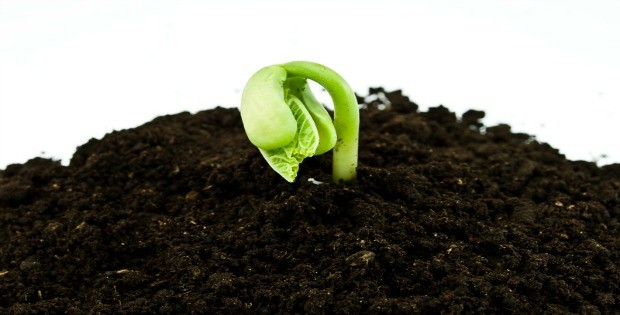
draw conclusions  
168.
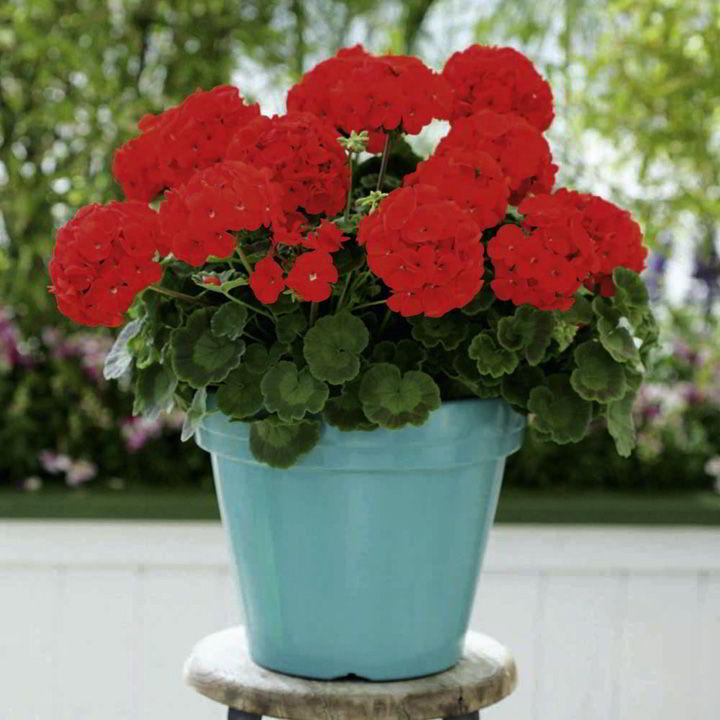
Susan said, “If I fertilize my geranium plants, they will blossom.”
a)
recognize a problem
b)
test the hypothesis with an experiment
c)
form a hypothesis   
d)
draw conclusions
169.
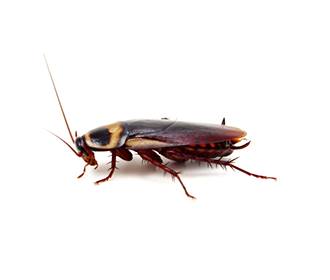
Johathan’s data showed that household cockroaches moved away from raw cucumber slices.
a)
recognize a problem
b)
test the hypothesis with an experiment
c)
form a hypothesis
d)
draw conclusions
170.
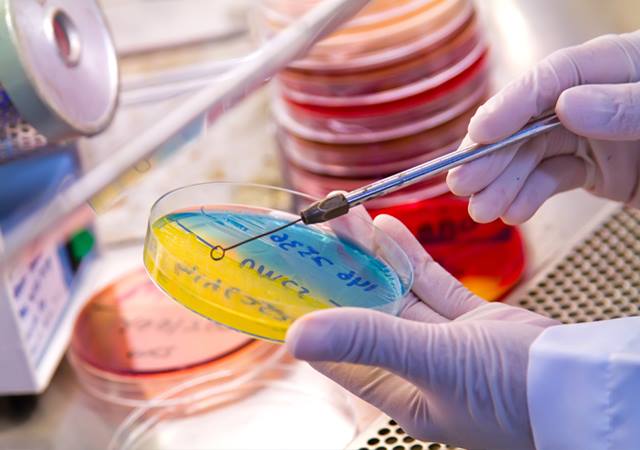
Rene grew bacteria from the mouth on special plates in the laboratory.  She placed drops of different mouthwashes on bacteria on each plate.
a)
recognize a problem
b)
test the hypothesis with an experiment
c)
form a hypothesis   
d)
draw conclusions
171.
Kathy used a survey to determine how many of her classmates were left-handed and how many were right-handed.
a)
recognize a problem
b)
test the hypothesis with an experiment
c)
form a hypothesis
d)
draw conclusions
172.
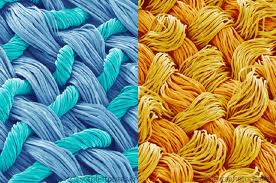
Dana want to know how different are synthetic fibers from natural fibers.
a)
recognize a problem
b)
test the hypothesis with an experiment
c)
form a hypothesis
d)
draw conclusions
173.
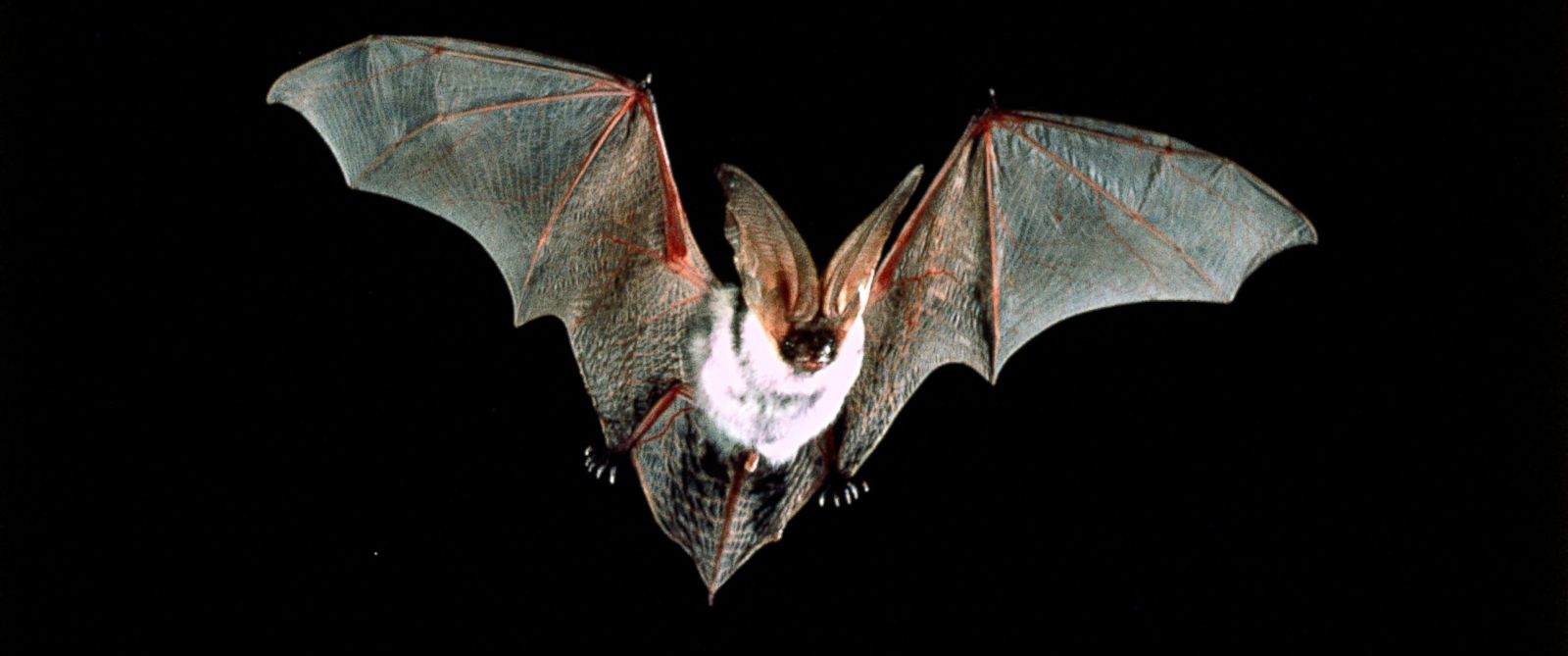
Jose saw bats catching insects after dark.  He asked, “How do bats find insects in the dark?”
a)
recognize a problem
b)
test the hypothesis with an experiment
c)
form a hypothesis
d)
draw conclusions
174.
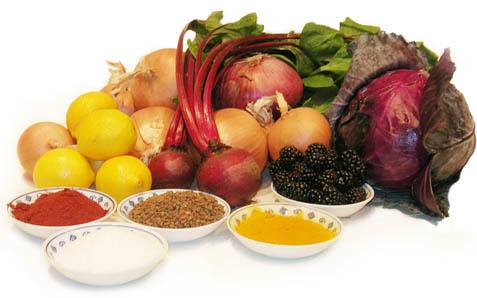
Justin wondered if dyes could be taken out of plant leaves, flowers, and stems.
a)
recognize a problem
b)
test the hypothesis with an experiment
c)
form a hypothesis
d)
draw conclusions
175.
A series of steps used by scientists to solve a problem or answer a question. 
a)
scientific method
b)
recipe
c)
data collection
d)
metric system
176.
Research question: does the distance a person kicks a soccer ball effect how well they will do on their math test.  What is the dependent variable?
a)
How far they kick the soccer ball
b)
who the person is
c)
how well they do on the math test
d)
Type of soccer ball.
177.
When experimenting with the growth of a plant, a scientist uses three (of the same type of) plants, two different fertilizers, equal light, and equal water. What type of variable is the fertilizer?
a)
Dependent
b)
Independent
c)
Control
d)
Compound
178.
Which variable depends on what is done at the beginning of an experiment?
a)
Dependent
b)
Independent
c)
Control
d)
Following
179.
What would the INDEPENDENT variable be in an experiment testing which types of paper airplane goes furthest?
a)
the paper used
b)
the type of paper airplane
c)
the distance of each plane's flight
d)
how hard the plane is thrown
180.
Research Question: Does the type of gasoline put in a car effect how fast the car can drive. What is the independent variable?
a)
Type of gasoline
b)
which car the gas is put into
c)
how fast the car can drive
d)
how much gas is put into the car
181.
An experiment is performed on plants to see how different liquids affect plant growth. Each plant in the experiment is given a different liquid; water, apple juice, or milk. Each plant has the same amount of soil, sunlight, and listens to the same music. In this investigation, the independent variable is ...
a)
The type of plant
b)
The amount of sunlight
c)
The type of music
d)
The type of liquid
182.
An experiment is performed on plants to see how different liquids affect plant growth. Each plant in the experiment is given a different liquid; water, apple juice, or milk. Each plant has the same amount of soil, sunlight, and listens to the same music. In this investigation, what is the dependent variable?
a)
Type of plant
b)
Water, apple juice, milk
c)
Plant growth
d)
Color of the plant's leaves
183.
Ms. S set up an experiment to see how the mass of a ball affects the distance it rolls off a ramp. Identify the independent variable.
a)
Distance traveled by the ball
b)
Height of the ramp
c)
Mass of the ball
d)
Who set up the experiment (Ms. S, etc)
184.
Ms. S set up an experiment to see how the mass of a ball affects the distance it rolls off a ramp. What is the dependent variable?
a)
Distance traveled by the ball
b)
Height of the ramp
c)
Mass of the ball
d)
Where the experiment took place.
185.
Maria wants to know if birds prefer to eat in one place over another. She makes three feeders out of 2-liter bottles and paints all of them red. She fills each of the feeders with the same amount of mixed birdseed, and plans to keep the feeders out for 10 days before measuring how much seed is eaten from each feeder. She puts each of the feeders in her back yard: one feeder in a large dead tree, another feeder she sits on the dog house, and the last she sits in a small bushy tree.
What is the dependent variable?
a)
Length of the birdfeeders
b)
Amount of time feeders are outside
c)
Amount of seed eaten
d)
Location the feeders are put in.
186.
What step does every scientific experiment begin with?
a)
hypothesis
b)
question/problem
c)
procedures
d)
conclusion
187.
A scientist performs an experiment to see if acids have an effect on the health of a particular type of plant. Three sets of plants were treated with acidic solutions of known pH while the control set was treated with a solution of neutral pH 7.Which is the best conclusion for this experiment?
a)
Acid has no effect on the health of this type of plant.
b)
B. High acidity is helpful to this type of plant.
c)
C. Low acidity is harmful to this type of plant.
d)
High acidity is harmful to this type of plant.
188.
When experimenting with the growth of a plant, a scientist uses three (of the same type of) plants, two different fertilizers, equal light, and equal water. What type of variable is the fertilizer?
a)
Dependent
b)
Independent
c)
Control
d)
Compound
189.

When you make a graph, which variable goes on the Y axis?

a)

Independent

b)

Dependent

c)

Control

d)

Extraneous

190.

The problem in a form of a question in the scientific method

a)

can be answered with an opinion

b)

is the first step in the scientific method

c)

is the second step in the scientific method

d)

is not necessary when using the scientific method

191.
Marcos wants to know: Does the type of gasoline put in a car effect how fast the car can drive? What is the independent variable?
a)
Type of gasoline
b)
which car the gas is put into
c)
how fast the car can drive
d)
how much gas is put into the car
192.

When you make a graph which variable goes on the X axis?

a)

independent

b)

dependent

c)

extraneous

d)

controlled

193.

What type of graph do you use to make comparisons?

a)

Line Graph

b)

Bar Graph

c)

Pie Chart

d)

Histograph

194.

Which step in the scientific method comes after research and uses the research to propose an answer to the question?

a)

hypothesis

b)

experiment

c)

procedures

d)

observations

195.

What graph would you use to look at trends or changes over time?

a)

Bar Graph

b)

Pie Chart

c)

Line Graph

d)

Histograph

196.

An observation is

a)

the same as an opinion

b)

only uses what you see with your eyes

c)

using one of your senses to gather information

d)

compares data to reach a conclusion

197.
Sam wanted to know if the color of the chair you sat in when taking a test affected your test grade. What is the dependent variable.
a)
Color or chair
b)
Grade on test
c)
Age of students
198.
Robert wanted to know if the type of phone you used gave you better or worse service. What is the independent variable. 
a)
Location of phone call
b)
Type of phone
c)
How good the service was
199.
Robert wanted to know if the type of phone you used gave you better or worse service. What is the dependent variable. 
a)
Location of phone call
b)
Type of phone
c)
How good or bad the service was
200.

What type of statement is a hypothesis?

a)

accept or reject

b)

If....Then

c)

qualitative

d)

I think...because

201.

What type of graph shows percentages?

a)

Bar Graph

b)

Line Graph

c)

Pie Chart

d)

Histograph

202.
What quantitative data can you extrapolate (take out of) this image?
a)
The puppies are cute
b)
The puppies are young
c)
There are 6 puppies
d)
The puppies have fur 
203.
What qualitative data can you extrapolate (take away) from the image.  
a)
There are two animals
b)
The deer has two eyes
c)
The cat has 4 paws
d)
The grass is green