
 Worksheets
Earth & Space Revision
Total questions: 203
Worksheet time: 4hrs 38mins
What are the three types of rocks called?
Igneous, Metamorphic, Sedimentary
Quartz, Basalt, Halite
Hard, soft, rough
Rocks are made up of two or more minerals.
True
False
Igneous rocks are often called volcanic rocks.
True
False
Magma is melted rock ______ the earth's crust.
above
below
in-between
Lava is melted rock _____ the earth's crust.
above
below
in-between
Igneous rocks form whenever lava or magma _____.
explodes
heats up
cools
When magma cools underneath the earth's crust, _______ rocks are formed.
intrusive
extrusive
When lava cools above the earth's crust, _______ rocks are formed.
intrusive
extrusive
Igneous rocks ...
have no layers
can have air pockets
can look like glass
can have large crystals
Igneous rocks ...
have no layers
can have air pockets
can look like glass
can have large crystals
When lava cools above the earth's crust, _______ rocks are formed.
intrusive
extrusive
When magma cools underneath the earth's crust, _______ rocks are formed.
intrusive
extrusive
Igneous rocks form whenever lava or magma _____.
explodes
heats up
cools
Lava is melted rock _____ the earth's crust.
above
below
in-between


Does this rock have large or small crystals?
large crystals
small crystals
Does this rock have large or small crystals?
large crystals
small crystals

Does this rock have large or small crystals?
large crystals
small crystals

Where is magma located?
above ground
below ground
in the stratosphere
in the thermosphere

Where is lava located?
above ground
below ground
in the core
in the mantle

Describe the texture of the following igneous rock.
smooth
coarse
vesicular
glassy
Describe the texture of the following igneous rock.
smooth
coarse
vesicular
glassy

Describe the environment of formation for the following igneous rock.
intrusive
extrusive

Describe the environment of formation for the following igneous rock (grain size 1-10 mm).
above ground
below ground
Describe the environment of formation for the following igneous rock (grain size 1-10 mm).
above ground
below ground

Describe the environment of formation for the following igneous rock (grain size < 1 mm).
above ground
below ground
Describe the environment of formation for the following igneous rock (grain size < 1 mm).
above ground
below ground
Name one example of an igneous rock.

Pegmatite is a coarse-grained, intrusive, igneous rock. How did it form?
rapidly cooling lava
slowly cooling magma
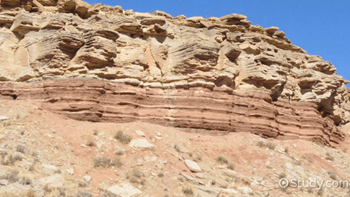
What factors can lead to the formation of a sedimentary rock?
melting and solidification
extreme heat and pressure
compaction and cementation
What factors can lead to the formation of a sedimentary rock?
melting and solidification
extreme heat and pressure
compaction and cementation
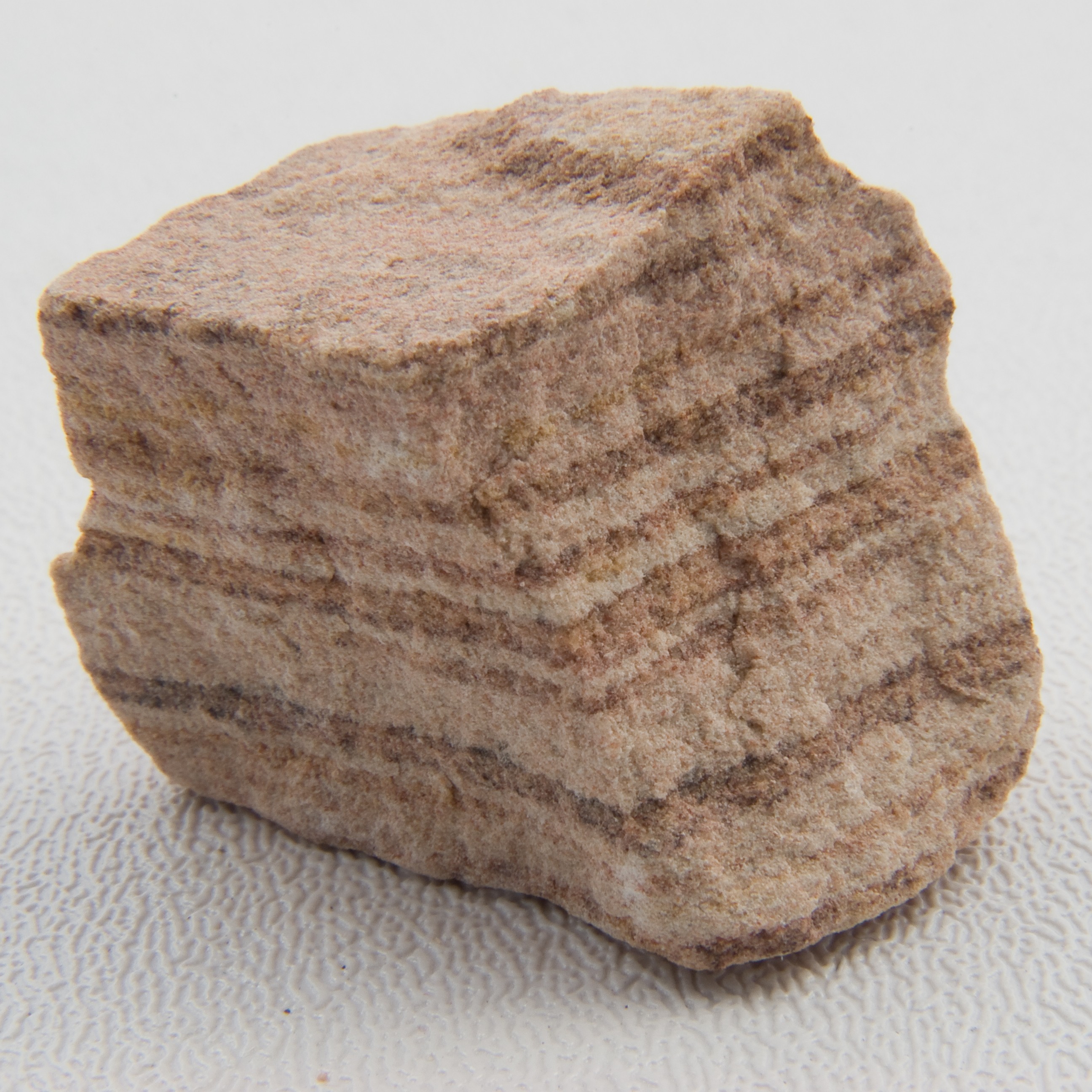
Describe the method of lithification for sandstone.
melting and solidification
compaction and cementation
evaporation and precipitation
extreme heat and pressure
Describe the method of lithification for sandstone.
melting and solidification
compaction and cementation
evaporation and precipitation
extreme heat and pressure
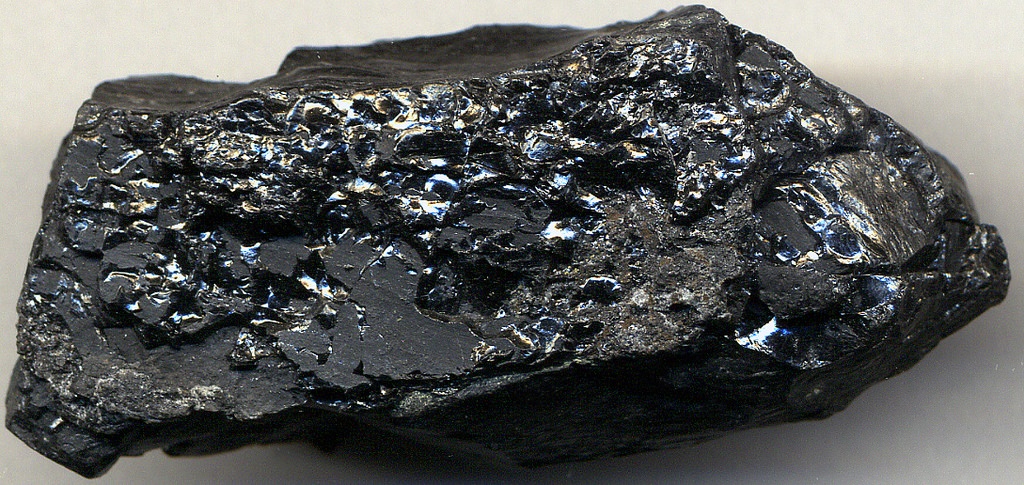
Which of the following is an organically formed sedimentary rock?
obsidian
coal
siltstone
shale

Organic rocks are...
Made from heat
Made when water evaporates and minerals crystallize
Made from the remains of dead animals/plants
Made from pieces of other rocks
Organic rocks are...
Made from heat
Made when water evaporates and minerals crystallize
Made from the remains of dead animals/plants
Made from pieces of other rocks


Which formation process do most sedimentary rocks follow?
cementation, compaction, deposition, erosion
erosion, compaction, cementation, deposition
erosion, deposition, compaction, cementation
Name one sedimentary rock.

What kind of rocks can be weathered, eroded, and then lithified to form sedimentary rocks?
igneous rocks
metamorphic rocks
sedimentary rocks
any kind of rock
What kind of rocks can be weathered, eroded, and then lithified to form sedimentary rocks?
igneous rocks
metamorphic rocks
sedimentary rocks
any kind of rock

Most of the Earth's crust is made up of igneous rock. But most rock at the surface of the crust is what kind of rock?
Igneous
Sedimentary
Metamorphic
All kinds of rock
Most of the Earth's crust is made up of igneous rock. But most rock at the surface of the crust is what kind of rock?
Igneous
Sedimentary
Metamorphic
All kinds of rock

Of the three kinds of sedimentary rocks, a rock that is made up of fragments of older rocks is called
Clastic sedimentary rock
Organic sedimentary rock
Chemical sedimentary rock

Lithification is
Breaking down of rock
Transport of rock fragments
Piling rock fragments up into sediment beds
Forming new rocks from sediments

Compaction is
When slowing water lays down sediments to form beds
Squeezing of sediment grains together by the weight of sediments above
Precipitation of minerals that "glue" the sediment grains together
When tectonic plate movement raises buried rocks up to the surface
Cementation is
When slowing water lays down sediments to form beds
Squeezing of sediment grains together by the weight of sediments above
Precipitation of minerals that "glue" the sediment grains together
When tectonic plate movement raises buried rocks up to the surface

Uplift is
When slowing water lays down sediments to form beds
Squeezing of sediment grains together by the weight of sediments above
Precipitation of minerals that "glue" the sediment grains together
When tectonic plate movement raises buried rocks up to the surface

Deposition is
When slowing water lays down sediments to form beds
Squeezing of sediment grains together by the weight of sediments above
Precipitation of minerals that "glue" the sediment grains together
When tectonic plate movement raises buried rocks up to the surface
Deposition is
When slowing water lays down sediments to form beds
Squeezing of sediment grains together by the weight of sediments above
Precipitation of minerals that "glue" the sediment grains together
When tectonic plate movement raises buried rocks up to the surface

Of the three kinds of sedimentary rocks, a rock that is made from the remains of living things is called
Clastic sedimentary rock
Organic sedimentary rock
Chemical sedimentary rock

Remains of living things embedded or imprinted in a sedimentary rock are called
fossils
geodes
strata
clasts
Remains of living things embedded or imprinted in a sedimentary rock are called
fossils
geodes
strata
clasts
The compacting and cementing of sediments to form sedimentary rock is called
weathering
erosion
deposition
lithification
The process where tectonic plate movement raises buried rocks up to the surface
deposition
compaction
cementation
uplift

This rough textured sedimentary rock is
sandstone
conglomerate
shale
coal

This blackish, organic sedimentary rock is
sandstone
conglomerate
shale
coal


Which causes rocks to physically weather in to sediments?
Water
Ice
Wind
All of the above
Which causes rocks to physically weather in to sediments?
Water
Ice
Wind
All of the above


Sediments are falling into the layers. What is NOT needed to make sedimentary rocks?
millions of years
organic matter
layers of sediment
compaction and cementation
Which of the following is the correct order of sedimentary rock formation?
weathering, deposition, compaction, erosion, cementation
weathering, erosion, deposition, compaction, cementation
weathering, erosion, deposition, cementation, compaction
deposition, compaction, cementation, weathering, erosion
Which of the following is the correct order of sedimentary rock formation?
weathering, deposition, compaction, erosion, cementation
weathering, erosion, deposition, compaction, cementation
weathering, erosion, deposition, cementation, compaction
deposition, compaction, cementation, weathering, erosion
Which best describes deposition?
sediment pressing together
dissolved minerals crystallize and glue particles together
particles settle as loosely packed sediment
running water or wind carry away fragments of rock


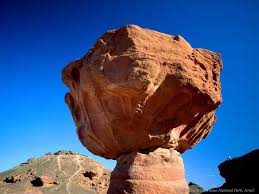

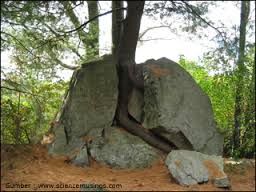
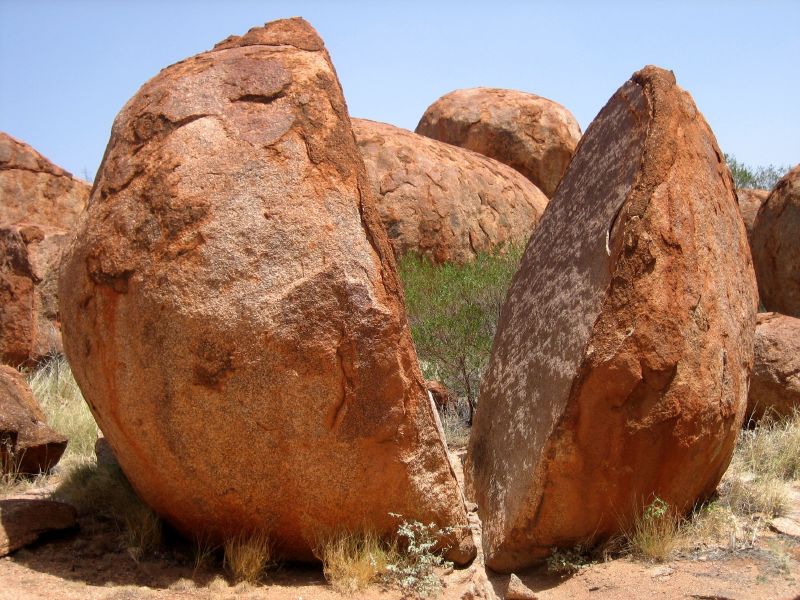


Weathering is the breaking down of rock into ___________.
boulders
sediment
ice
mountains

_________is the movement of sediment from one place to another.
Erosion
Weathering
Deposition
Movin on up!
_________is the movement of sediment from one place to another.
Erosion
Weathering
Deposition
Movin on up!

The dropping off of sediments in a new place is called __________.
weathering
deposition
sedimentary rock
drop off zone
The dropping off of sediments in a new place is called __________.
weathering
deposition
sedimentary rock
drop off zone

Weathering, Erosion, and Deposition are examples of ________ changes in the Earth's surface.
Fast
Very fast
Super fast
slow

Which of the following is NOT a cause of weathering, erosion, and deposition?
Wind
ice
fire
water

What is sediment?
bits of rock, sand, and silt caused by the weathering of rocks
decaying plant or animal material
the process of rocks being broken down and carried away
the top layer of the soil
What is sediment?
bits of rock, sand, and silt caused by the weathering of rocks
decaying plant or animal material
the process of rocks being broken down and carried away
the top layer of the soil

When wind, water, or ice deposit materials in a location, this is known as:
Erosion
Weathering
Deposition
Moving Around

Rain washing away soil from a hillside is an example of...
Erosion
Weathering
Deposition
Washing out

The process of breaking up, wearing away, and dissolving of rocks on Earth's surface is called...
deposition
weathering
erosion
sediment

Water getting into cracks, freezing, and breaking the rocks or pavement apart is...
Erosion
Weathering

How does freezing water cause the weathering of rocks? The freezing water—
keeps the rocks in place
makes the rocks last longer
causes rocks to fall in landslides
expands cracks and breaks rocks
How does freezing water cause the weathering of rocks? The freezing water—
keeps the rocks in place
makes the rocks last longer
causes rocks to fall in landslides
expands cracks and breaks rocks

What is solid and made of one or more minerals?
Rocks
Minerals
Rust
Sand
the natural process of adding transported sediments to a landform
weathering
erosion
deposition
lithification
the breakdown of rock due to rain, wind, ice, sunlight, and plants
weathering
erosion
deposition
lithification
the transport of fragments of rock by water, wind, ice, or gravity
weathering
erosion
deposition
lithification
the top layer of Earth’s surface that supports plant growth and contains rock fragment, clay, and organic material
metamorphic rock
sedimentary rock
sediment
soil
One cause of metamorphism in rocks is:
sedimentation
pressure
cold temperatures
weathering
Limestone often contains fossils. In which category would these rocks be classified?
sedimentary
igneous
granite
metamorphic

When comparing fossil A to fossil B, which is most likely correct?
Fossil B is larger.
Only fossil B was once an organism.
Fossil B is older.
Only fossil B is metamorphic.
When comparing fossil A to fossil B, which is most likely correct?
Fossil B is larger.
Only fossil B was once an organism.
Fossil B is older.
Only fossil B is metamorphic.
Which part of an organism is LEAST likely to be found in a fossil?
Claw
Teeth
Bone
Muscle
Which layer is thicker than the outer core?
Crust
Mantle
Outer Core
Inner core
Which of these can happen when rocks and soil in the Earth move suddenly?
Landslides
Tornadoes
Blizzards
Hurricanes

The best answer for section "A" in the diagram
metamorphic/melting
compaction/cementation
weathering/erosion
heat/pressure

The best answer for section "C" in the diagram
metamorphic/melting
compaction/cementation
weathering/erosion
heat/pressure

The best answer for section "B"
metamorphic/melting
compaction/cementation
weathering/erosion
heat/pressure
Rocks are combinations of one or more _______________ that we find in nature.
asteroids
minerals
sediments
metals

Metamorphic rock melts to form
extrusive igneous rock
magma
sediments
intrusive igneous rock
Limestone is a sedimentary rock. During the rock cycle, limestone is changed into marble, a metamorphic rock. The processes that act on limestone and change it into marble are
weather and erosion
heat and pressure
compacting and cementing
melting, cooling, and hardening
Which of the following lists the steps an igneous rock undergoes in order to become a sedimentary rock, in the correct order?
Deposition, erosion, melting, cooling
Erosion, weathering, eruption, cooling
Dissolving, deposition, cooling, fracture
Weathering, erosion, deposition, cementation

According to the diagram, what process is shown by letter A?
extrusion
erosion
crystallization
intrusion
According to the diagram, what process is shown by letter A?
extrusion
erosion
crystallization
intrusion
According to the diagram, what process is shown by letter B?
compaction & cementation
weather & erosion
heat & pressure
melting

Identify two processes labeled in this rock cycle that must occur in order to change any rock into an igneous rock.
heat and/or pressure
weathering and erosion
melting and solidification
deposition and cememtation

Identify two processes labeled in this rock cycle that change igneous rock into sediments.
heat and/or pressure
melting and solidification
deposition and cementation
weathering and erosion
Identify two processes required for the formation of a sedimentary rock.
heat and/or pressure
melting and solidification
deposition and cementation
weathering and erosion
What type of rock forms directly from magma?
Igneous Rock
Sedimentary Rock
Metamorphic Rock
What type of rock forms directly from heat and/or pressure?
Igneous Rock
Sedimentary Rock
Metamorphic Rock
What type of rock forms directly from Deposition, Compaction, and Cementation?
Igneous Rock
Sedimentary Rock
Metamorphic Rock

According to this diagram, metamorphic rock is formed by
melting and solidification
burial and compaction
weathering and erosion
heat and pressure

Which letter on the diagram shows pieces of igneous rock are compressed and glued together to form a sedimentary rock.
A
B
C
D
Which letter on the diagram shows metamorphic rock becomes liquid and crystallizes to form igneous rock.
E
F
G
H
Which letter on the diagram shows sedimentary rock is broken down into sediments and transported by a stream.
A
B
C
D

Which type of rock was MOST LIKELY formed by the Tennessee River over the last 100 million years?
Igneous
Sedimentary
Mountainous
Metamorphic
What are the 4 main layers of the Earth?
Temperature and pressure ___ as you move towards the center of the Earth.
decrease
increase
neither answer is correct.
Which of the following is the correct order of the Earth's layers moving inward to the center.
Crust
Mantle
Inner Core
Outer Core
Mantle
Outer Core
Inner Core
Crust
Inner Core
Outer Core
Crust
Mantle
Outer Core
Inner Core
Mantle
Crust
What are the two types of crust?

The mantle makes up nearly ___ of Earth's mass.
31
41
21
32
The outer core is (a) not solid.
The inner core is solid because of (a) pressure.

What are the 3 main layers of the Earth?
Atmosphere, Hydrosphere, Biosphere
Crust, Mantle, Core
Rock, Magma, Ocean
Top, Middle, Bottom

What is the thinnest layer of the Earth?
Crust
Mantle
Outer Core
Inner Core
What is the thinnest layer of the Earth?
Crust
Mantle
Outer Core
Inner Core

What is the thickest layer of the Earth?
Crust
Mantle
Outer Core
Inner Core

Which layer of the Earth is liquid Iron and Nickle?
Crust
Mantle
Outer Core
Inner Core

Which layer of the Earth is a dense solid ball of Iron and Nickle?
Crust
Mantle
Outer Core
Inner Core

The study of the planet Earth is called:
Geology
Biology
Astronomy

What layer of the Earth is represented by the letter A?
Crust
Mantle
Outer Core
Inner Core

What layer of the Earth is represented by the letter B?
Crust
Mantle
Outer Core
Inner Core

What layer of the Earth is represented by the letter C?
Crust
Mantle
Outer Core
Inner Core

What layer of the Earth is represented by the letter D?
Crust
Mantle
Outer Core
Inner Core
The layers of Earth are in the order they are in because:
It keeps us safe
It holds the Earth together
Its pretty
The different layers have different densities

The most dense layer of the Earth is:
Crust
Mantle
Core
The least dense layer of the Earth is the:
Crust
Mantle
Core

