
 Worksheets
Fall 2024 November
Total questions: 205
Worksheet time: 3hrs 33mins
Scientific Inquiry is ...
a method scientists use to study things and understand what they see.
not the scientific method.
something no one knows how to do.
includes a hypothesis and nothing else.
An example of a question science can answer is ___.
How does blood carry oxygen.
Which video game is the most fun to play.
God created the world in 6 days then rested on the 7th day.
Which is an example of a number written using the International System of Units (SI)?
100 Kilometers
5,280 Feet
68.0 °F
To convert between numbers in the metric system you would...
multiply or divide by powers of 10
add 16 then divide by 24
multiply by 60 seconds
not do anything.
Getting repeated similar measurements repeatedly is called...
precision
accuracy
luck
Getting measurements close to the accepted value is called...
precision
accuracy
not real
Why so scientists sometimes use scientific notation when writing numbers?
Very small or very large numbers can be written shorter.
Because they are scientists and this is the only numbers they know how to write
Very large numbers can be written with lots of zeroes this way.
Independent Variable (x)
Something you want to test
The observations of something you tested.
Something that doesn't change
Something you compare your results to
Dependent Variable (y)
Something you want to test
The observations of something you tested.
Something that doesn't change
Something you compare your results to
The steel plates, or gusset plates, at a location on the I-35 bridge in Minneapolis were too thin for the loads the bridge carried.
True
False
Molly harvests mushrooms in the forests of Oregon and then sells them to local restaurant chefs. The greater the weight of the mushrooms, the greater their value.
w = the weight of the mushrooms
v = the value of the mushrooms
v is the independent variable and w is the dependent variable
w is the independent variable and v is the dependent variable
Molly harvests mushrooms in the forests of Oregon and then sells them to local restaurant chefs. The greater the weight of the mushrooms, the greater their value.
w = the weight of the mushrooms
v = the value of the mushrooms
v is the independent variable and w is the dependent variable
w is the independent variable and v is the dependent variable
A team from the Department of Public Works is painting lines of the freeway. The number of hours needed to finish the project depends on the length of road that needs to be lined.
h = the number of hours needed
r = the length of road
h is the independent variable and r is the dependent variable
r is the independent variable and h is the dependent variable
Zach and his friends are at an arcade and are redeeming their tickets for prizes. The number of prizes they can get is calculated based on how many tickets they have won.
p = the number of prizes the friends can get
t = the number of tickets the friends have won
t is the independent variable and p is the dependent variable
p is the independent variable and t is the dependent variable
While on vacation, Heather plans to write some postcards to her friends. The number of postcards she can send depends on how many stamps she has.
p = the number of postcards Heather can send
s = the number of stamps Heather has
p is the independent variable and s is the dependent
s is the independent variable and p is the dependent
Belle manages the Hancock Orchard, which produces many different types of fruit, including pears. The more pear trees that have been planted in the orchard, the more barrels of pears the orchard will produce.
p = the number of pear trees that have been planted in the orchard
b = the number of barrels of pears the orchard will produce
p is the independent variable and b is the dependent
b is the independent variable and p is the dependent
At a fancy dinner party, the number of forks set out by the hostess is based on how many courses will be served.
f = the number of forks set out by the hostess
c = the number of courses served during dinner
f is the independent variable and c is the dependent variable
c is the independent variable and f is the dependent variable
Submit
The students at Middletown High School are collecting food for a local food bank. The number of trucks needed to deliver the food to the food bank will depend on the amount of food collected.
t = the number of trucks needed to deliver the food
f = the amount of food collected
t is the independent variable and f is the dependent variable
f is the independent variable and t is the dependent variable
Dan is wrapping gifts to earn money for camp. He calculates the amount of wrapping paper he needs based on the number of gifts.
r = the number of rolls of wrapping paper
g = the number of gifts
g is the independent variable and r is the dependent variable
r is the independent variable and g is the dependent variable
Kimi is making a scrapbook. As she adds more photos, the scrapbook grows thicker.
p = the number of photos added
t = the thickness of the scrapbook
t is the independent variable and p is the dependent variable
p is the independent variable and t is the dependent variable
Allen is buying birthday candles for his grandmother's birthday cake. Her age, in years, will determine how many boxes of candles Allen will purchase.
y = Allen's grandmother's age, in years
b = how many boxes of candles Allen will purchase
b is the independent variable and y is the dependent variable
y is the independent variable and b is the dependent variable
What is the definition of an independent variable?
A variable that is measured or observed in an experiment.
A variable that is not relevant to the experiment.
A variable that is determined by chance in an experiment.
A variable that is manipulated or controlled by the researcher in an experiment.
What is the definition of a dependent variable?
A dependent variable is the variable that is manipulated in an experiment or study.
A dependent variable is the variable that remains constant in an experiment or study.
A dependent variable is the variable being measured or observed in an experiment or study.
A dependent variable is the variable that is controlled by the researcher in an experiment or study.
Which variable is manipulated or changed by the scientist in an experiment?
constant
control variable
independent variable
dependent variable
Which variable is measured or observed in an experiment?
control variable
independent variable
extraneous variable
dependent variable
In an experiment to test the effect of temperature on the rate of chemical reaction, what is the dependent variable?
concentration
time
temperature
rate of chemical reaction
In an experiment to test the effect of exercise on heart rate, what is the independent variable?
exercise
age
time of day
heart rate

2000 mg = ______ g
2
0.2
20
200
104 km = _____m
0.000104
104,000
10,400
104
480 cm = _____m
48
4800
4.8
48,000
5.6 Kg = _____g
56
560
0.0056
5600
8 mm = _____cm
0.8
80
0.08
800
Metric unit used to measure the volume of a liquid.
Meter
Liter
degree Celsius
Second


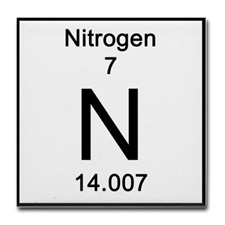


All matter is made of _________.


The subatomic particles that make up an atom.
solid, liquid, gas
electrons, protons, nucleus
energy, protons, nucleus
electrons, protons, neutrons

A proton has a ___________ charge.
positive
negative
neutral
massive.
An electron has a _________ charge
positive
neutral
negative
massive


The smallest part of any element. Made up of protons, neutrons and electrons.
Atom
AMU
Ion
Isotope
What is the correct formula for calculating how many neutrons are in an atom?
Protons + Electrons= Neutrons
Atomic mass - Atomic number= Neutrons
Atomic mass + Atomic number = Neutrons
Atomic mass - Protons = Neutrons
Which TWO of the following subatomic particles are inside the nucleus?
protons
electrons
neutrons
There are no subatomic particles in the nucleus of an atom.
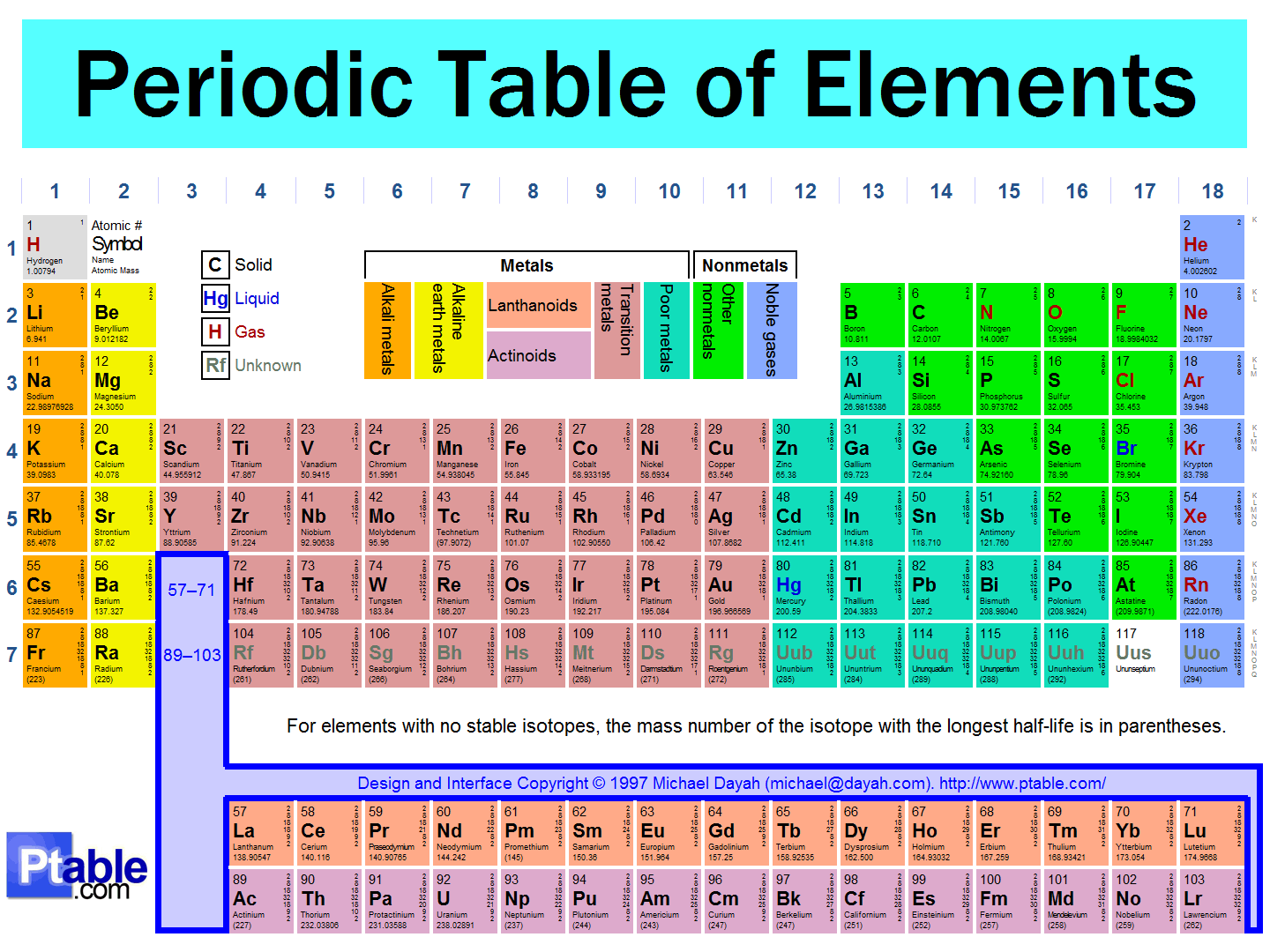
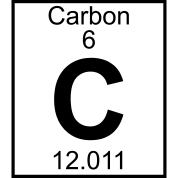
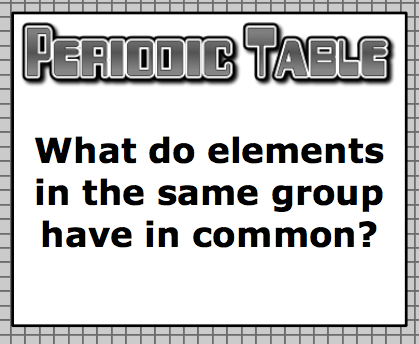
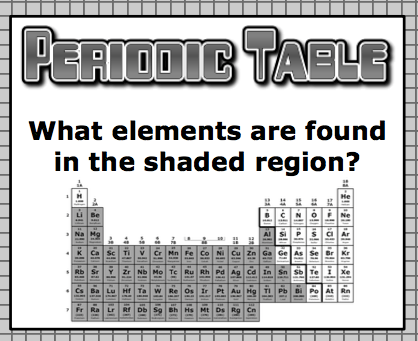
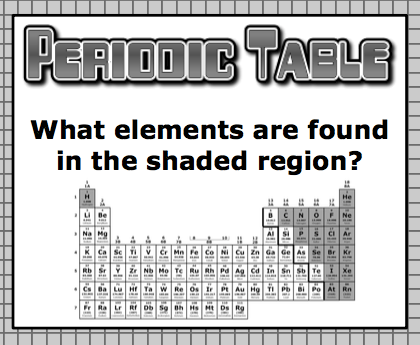
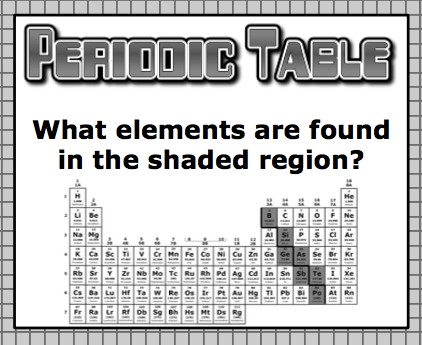
The vertical (up and down) columns in the Periodic Table are called
groups
towers
periods
atomic numbers
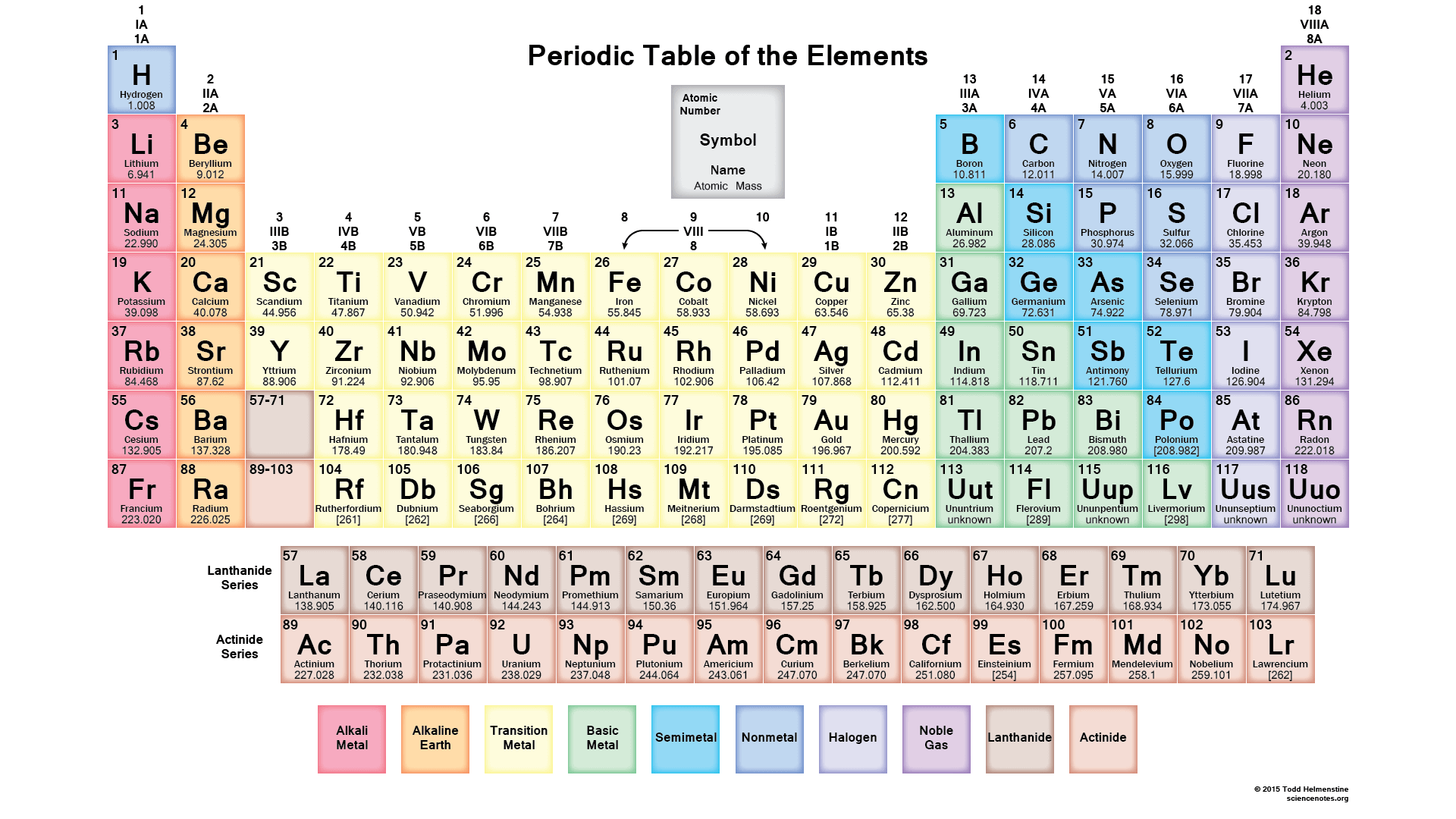
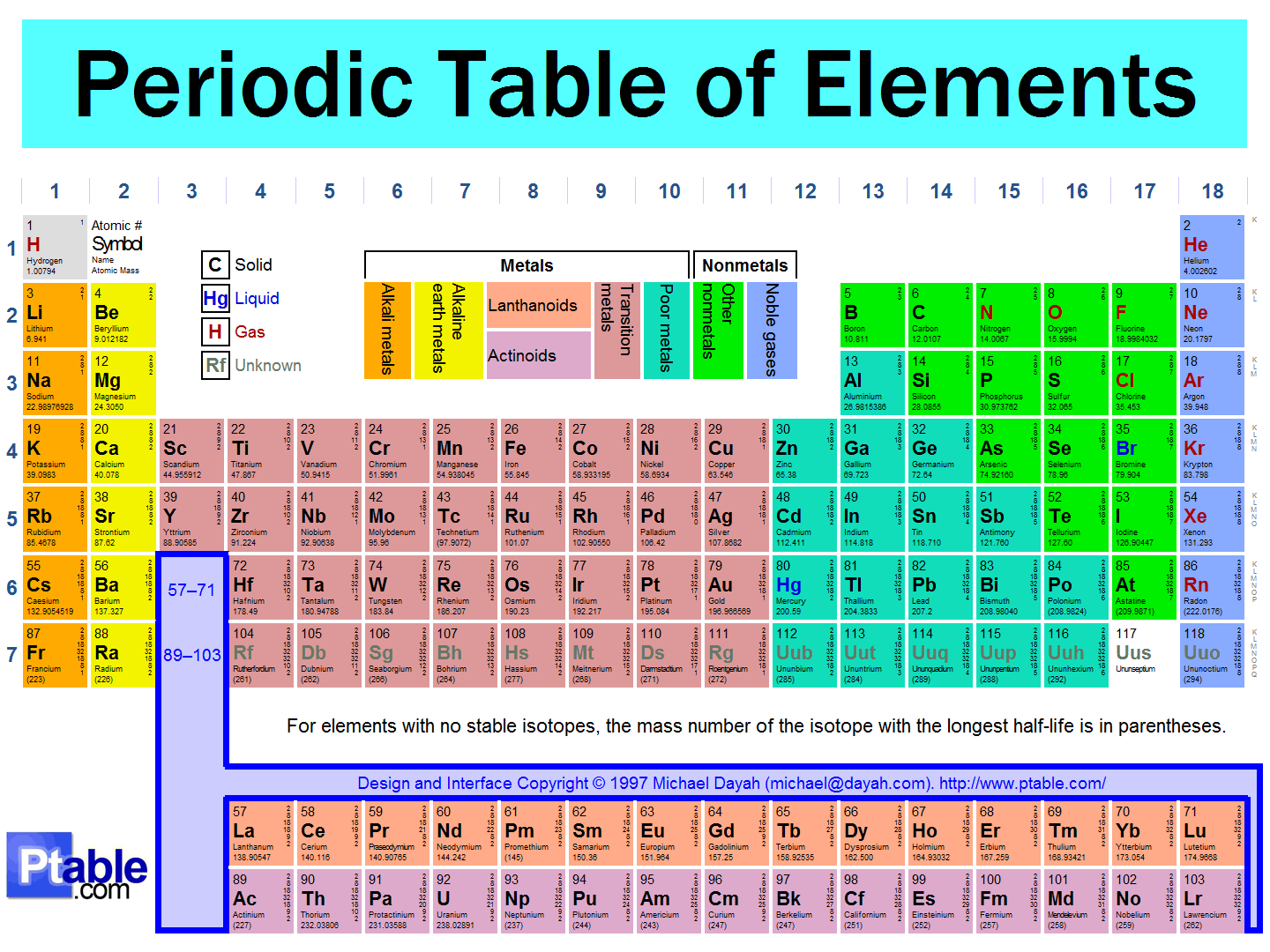
The horizontal (side to side) rows in the Periodic Table are called
groups
families
periods
atomic numbers



As the velocity of an object decreases its KE will...
increase
decrease
stay the same
Kinetic energy is...
energy carried in ultraviolet waves
energy stored in food
energy in motion
energy from splitting an atom
Kinetic energy is...
energy carried in ultraviolet waves
energy stored in food
energy in motion
energy from splitting an atom
What two factors affect an object's kinetic energy?
area and volume
mass and weight
weight and height
mass and speed

Where would this tossed baseball have the greatest amount of kinetic energy? (Hint: where is it moving the fastest?)
point W
point X
point y
point z

If moving at the same speed, increasing an object's mass will increase its kinetic energy.
true
false

Increasing an object's speed will increase its kinetic energy.
false
true
The faster an object moves, the ________ kinetic energy it has.
more
less
none of the above
all of the above
If all these objects are moving at 45 kg/h, which would have the greatest kinetic energy?
tennis ball
football
notebook
tv
If all these objects are moving at 45 kg/h, which would have the greatest kinetic energy?
tennis ball
football
notebook
tv

Suppose all of these objects were moving at 12 m.p.h. Which of these would have the greatest kinetic energy?
A car moving
A person running
A ball rolling
Which one of these has kinetic energy?
a car parked on a steep hill
a tennis ball rolling across the court
a picture hanging on the wall
a piece of coal before it's burned

Look at the y-axis (the one labeled Kinetic Energy) on the left. What is the unit used to measure energy?
Newton (N)
Kilogram (kg)
Joule (J)
Meters per second (m/s)

At which position(s) does the pendulum have the greatest kinetic energy? Hint: where is the ball moving the fastest?
3
2 and 4
there is no kinetic energy
1 and 5
As the velocity of an object increases, its KE will...
increase
decrease
stay the same
Stationary objects have kinetic energy.
true
false


A ball will be rolled four times. In which of the following situations will some of the kinetic energy of the ball be converted into potential energy as the ball rolls?
Situation A
Situation B
Situation C
Situation D
When does an object have NO kinetic energy?
When it's at rest.
When it's moving very slowly.
When it has no electrical charge.


Also known as heat energy
thermal
thermos
electrical
electricity
energy is produced by the movement of charged particles
energy
radiant
light
electrical
Energy that moves by electromagnetic waves
thermal
kinetic
radiant
mechanical

What type of energy?
electric
mechanical
thermal
radiant

What form of energy do all activities shown use?
Mechanical
Electrical
Sound
Light
When you play music on your phone, electricity turns into ___________.
work
heat
sound
A student uses a computer to complete their homework. Which device uses the same source of energy as the computer?
A microwave using sound energy
A guitar using mechanical energy
A teapot using thermal energy
A television using electrical energy

When the power went out, a family lit a candle so they could find their way in the dark.
What form of energy is the candle being used for in this situation?
Sound
Thermal
Light
Electrical

What type of energy do these appliances use?
Solar
Wind
Electric
Sound
Which of the items on the list use mechanical energy to produce sound energy?
Select all that apply.
strumming a guitar
lights flashing
hitting a drum with drumsticks
microphone plugged in
radio playing background music
Camp Fire burning
Thermal Energy
Elastic Energy
Electrical Energy
Mechanical Energy
Vibrations produce _______ energy.
chemical
sound
electrical
light
When a bat searches for prey at night, it makes sounds as it flies, and it uses the sounds' echoes to find its prey. When the bat flies and listens to echoes to locate prey, it is using--
thermal energy and light energy
sound energy and thermal energy
mechanical energy and sound energy
light energy and mechanical energy
Splitting the nuclei of atoms in a process called fission
Sound Energy
Electrical Energy
Mechanical Energy
Nuclear Energy
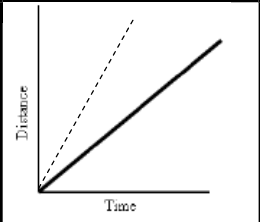
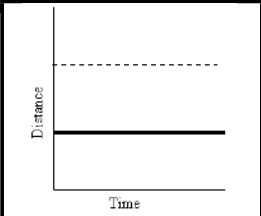
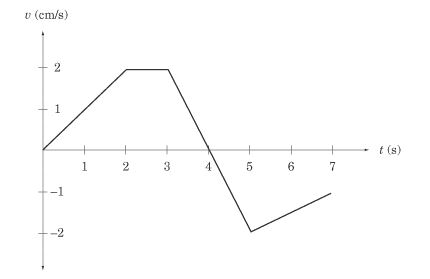
What is happening between 2 and 3 seconds?
The object is not moving.
The object is not accelerating.
The object is slowing down.
The object is speeding up.


During which segment did the car come to a complete stop?
Segment A to B
Segment B to C
Segment C to D
Segment D to E
During which segment did the car travel back toward its starting position?
Segment A to B
Segment B to C
Segment C to D
Segment D to E
During which segment did the car travel the fastest?
Segment A to B
Segment B to C
Segment C to D
Segment D to E

Choose the description that best describes this motion graph.
The object is accelerating at an increasing rate.
The object is moving at a constant velocity/speed.
The object moved at a constant speed, then stopped. After stopping, it returned to the beginning and then moved back in the original direction at a very fast constant speed.

Choose the description that best describes this motion graph.
The object is accelerating at an increasing rate.
The object is moving at a constant velocity/speed.
The object moved at a constant speed, then stopped. After stopping, it returned to the beginning and then moved back in the original direction at a very fast constant speed.

During which segment is the object increasing speed?
X
Y
Z
During which segment is the object decreasing speed?
X
Y
Z
During which segment is the object travelling at constant speed?
X
Y
Z

During which segment is the object moving at the fastest speed?
A
B
C
D
During which segment is the object moving at the slowest speed?
A
C
D
This graph shows decreasing speed. The moving object is decelerating.


d= 40 m
t= 5 s
If Mr. Deem is walking 3 m/s to the north and Mr. Silvio is walking 3 m/s to the west, then which of the following is true
They have the same speed and different velocities
They have the same velocity and different speeds
They have the same speed and velocity
They have different speeds and different velocities
Any change in SPEED or DIRECTION is referred to as _____.
Acceleration
Speed
Velocity
Motion
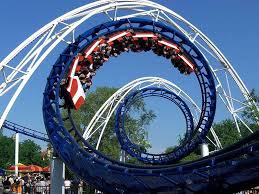
A roller coasters accelerates from an initial velocity of 0 m/s to a final velocity of 12 m/s over 4 seconds. What is the coasters average acceleration?
0 m/s2
12 m/s2
3 m/s2
4 m/s

