wayground logo

Free Printable Worksheets

Font size

S
M
L
XL
Worksheets

Science

Total questions: 205

Worksheet time: 5hrs 37mins

Name
Class
Date
1.

If an organism is multi cellular, that means...

a)

It has more than one cell

b)

It has just one cell

2.

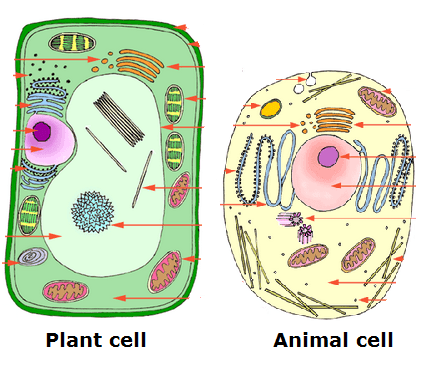
The three main types of cells are...

a)

Plant, Whale, Grass

b)

Plant, Animal, Bacteria

c)

Human, Dirt, Mountains

d)

Ocean, Sky, Desert

3.

The cell membrane is...

a)

a flexible cover

b)

a large window

c)

a big wall

d)

a rough cover

4.

What is the function of the cell wall?

a)

Allows plants and fungi to grow upward against the force of gravity

b)

Keeps energy

c)

Takes away sunlight

d)

Stores food

5.

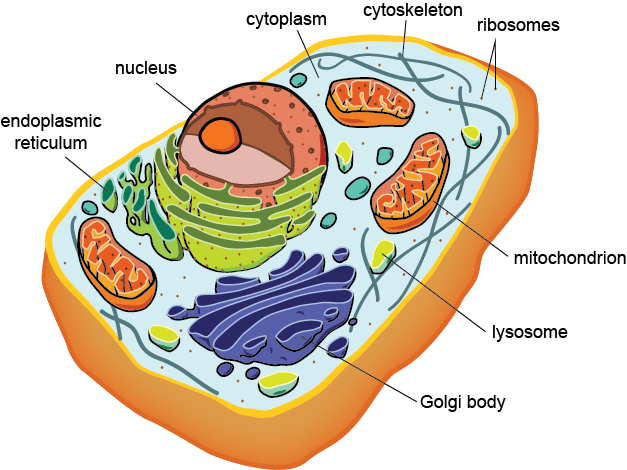
What is the nucleus?

a)

The control center of a cell because it contains genetic material called DNA

b)

Small molecules

6.

Which organelles are only found in plant cells?

a)

Cell wall and Chloroplasts

b)

Ribosomes and Golgi Bodies

c)

Endoplasmic Reticulum and Cell Wall

d)

Nucleus and Cell membrane

7.

What is the function of chloroplasts?

a)

Eats large bugs

b)

Captures energy from the sun and uses it to produce food

c)

Stays happy

d)

Uses water to help plants grow

8.

What is the cytoplasm?

a)

A thick fluid made mostly of water

b)

A network of fibers that helps the cell maintain its shape

9.

A cell is the ___________ of life

a)

largest unit

b)

smallest unit

10.

List THREE (3) organelles that are found in both plant and animal cells (Check all that apply)

a)

Golgi Bodies

b)

Mitochondria

c)

Nucleus

d)

Cell Wall

11.

Which of these is NOT true of organelles(cell parts)?

a)

Organelles perform a certain function for a cell.

b)

Organelles are membrane-enclosed structures in a cell.

c)

Organelles are all the same inside a particular animal.

d)

Organelles are separated from the other parts of the cell.

12.

Which of these is most commonly the largest structure inside an animal cell?

a)

endoplasm

b)

nucelus

c)

DNA

d)

ribosomes

13.

How do mitochondria regulate energy in a cell?

a)

Mitochondria transfer energy between cells as energy is needed.

b)

Mitochondria convert energy in nutrients into usable energy.

c)

Mitochondria absorb and convert energy from the sun.

d)

Mitochondria convert energy from the nucleus into usable energy.

14.

Which of these is NOT a unique structure to plant cells?

a)

cell wall

b)

central vacuole

c)

chloroplas

d)

nucleus

15.
Which of the following is the smallest unit of life that can carry out all life functions?
a)
the mitochondria
b)
the vacuoles
c)
the nucleus
d)
the cell
16.
What is the function of the cell nucleus found in both plant and animal cells?
a)
to produce energy
b)
to control cell activity
c)
to remove waste products
d)
to allow molecules to enter the cell
17.

All cells need energy (ATP) to function. Which cell organelle is responsible for producing energy in the cell? "The Powerhouse"

a)

chloroplasts

b)

mitochondria

c)

nucleus

d)

vacuoles

18.

Because they share similar structures, cells all carry out the same function.

a)

True

b)

False

19.
Directs all cell activities through the DNA located there.
a)
Lysosomes
b)
Nucleus
c)
ribosomes
d)
Mitochondria
20.
The diffusion of water is called
a)
active transport 
b)
osmosis
c)
endocytosis
21.
Which of the following is found in plant cells but not in animal cells? 
a)
Cytoplasm
b)
Mitochondria
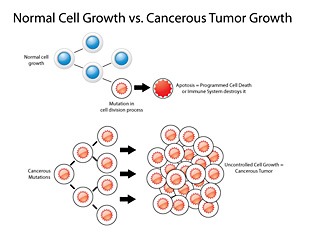
c)
Cell Wall 
d)
Ribosomes 
22.
What plant organelle is used to make sugars?
a)
Cell wall 
b)
Mitochondria 
c)
Chloroplast 
d)
Vacuole
23.
What is the function of DNA?
a)
Use oxygen and sugar to produce energy
b)
Forms part of the nuclear membrane 
c)
Transport materials throughout the cell 
d)
Contains information to make proteins
24.
What process moves gases such as oxygen through the cell membrane as shown in the drawing? 
a)
Active Transport 
b)
Osmosis
c)
Diffusion
d)
Protein Channel 
25.
The M is for:
a)
movement
b)
memory
c)
mojo
d)
minion
26.
The two Rs are for:
a)
respiration and regeneration
b)
respiration and reproduction
c)
reproduction and regeneration
d)
regeneration and regurgitation
27.
The S is for
a)
scholarly
b)
silliness
c)
sensitivity to the environment
d)
superhero
28.
The G is for:
a)
goodness
b)
gastrointestinal
c)
green and goopy
d)
growth and development
29.
The E is for
a)
excellent
b)
excrete
c)
exercise
d)
energy
30.
The N is for:
a)
nice
b)
nutrition
c)
naughty
d)
nimble
31.
A baby song bird hatches from its egg with both parent songbirds watching.
a)
All living things reproduce
b)
All living things maintain homeostasis
c)
All living things use energy
d)
All living things grow
32.
A pill bug (roly poly) eats a carrot.
a)
All living things contain cells
b)
All living things use energy
c)
All living things maintain homeostasis
d)
All living things grow
33.
A caterpillar hibernates in a cocoon and emerges as a butterfly.
a)
All living things adapt to their environment
b)
All living things use energy
c)
All living things respond to their environment
d)
All living things grow
34.
A camel has eyelashes that work to keep the dust and sand out of its eyes.
a)
All living things adapt to their environment
b)
All living things grow
c)
All living things have cells
d)
All living things use energy
35.
A tulip opens in the morning at sunrise and closes in the evening at sunset.
a)
All living things have cells
b)
All living things use energy
c)
All living things respond to their environment
d)
All living things grow
36.
Over three years, Tim's height has increased from 5'4" to 5'11".
a)
All living things contain cells
b)
All living things maintain homeostasis
c)
All living things use energy
d)
All living things grow
37.
A sea worm drops its tail and the tail becomes a new worm.
a)
All living things contain cells
b)
All living things grow
c)
All living things have different levels of organization
d)
All living things reproduce
38.
The roots of a plant grow towards a source of ground water.
a)
All living things use energy
b)
All living things reproduce
c)
All living things respond to their environment
d)
All living things grow
39.
A caterpillar hibernates in a cocoon and emerges as a butterfly.
a)
All living things adapt to their environment
b)
All living things use energy
c)
All living things respond to their environment
d)
All living things grow
40.
An amoeba is a unicellular organism. Which characteristic of life is this?
a)
All living things use energy
b)
All living things contain cells
c)
All living things respond to their environment
d)
All living things grow
41.
Something that has never shown the characteristics of life and never will. 
a)
dormant
b)
nonliving 
c)
living 
d)
dead 
42.
A change in an organism's surroundings that causes it to react is called
a)
a stimulus.
b)
a response.
c)
development. 
d)
energy.
43.
What is reproduction?
a)
To make offspring similar to the parents
b)
To eat
c)
To read
d)
To do homework
44.
Any living thing is called an
a)
organ
b)
organization
c)
organism
d)
cell
45.
Sunflowers following the sun across the sky is an example of organisms
a)
responding to a stimuli
b)
reproducing
c)
evolving
d)
growing
46.
In the word BIOLOGY, the prefix BIO means
a)
the study of...
b)
life, living
c)
organism
d)
biology
47.
This picture is a good example of
a)
Growth
b)
Development
48.

What distinguishes a plant cell from an animal cell? (How do you tell them apart) Hint: There's 3 ways (Check all 3)

a)

Central Vacuole

b)

Mitochondria

c)

Cell Wall

d)

Ribosomes

e)

Chloroplasts

49.

The 3 parts of the Cell Theory are...?

a)

All living things are composed of cells

Cells are the basic units of structure and function in living things

All cells are produced from other cells

b)

All living things are composed of cells

Cells are the basic units of dance and vibes in living things

All cells are destroyed from other aliens

c)

All living things are composed of Jell-O

Cells are the basic units of structure and function in living things

All cells are produced from factories in Canada

d)

All living things are composed of cells

Cells do karate and practice eating whole pies in their free time

All cells are produced from other cells

50.
Which of the following scientists was the first to observe bacteria?
a)
Anton van Leuwenhoek
b)
Matthais Schleiden
c)
Robert Hooke
d)
Theodor Schwann
51.
Which of the following statements is not part of the cell theory?
a)
Cells are the basic unit of structure and function in all living things.
b)
All cells are produced from other cells.
c)
Only animal cells are composed of cells.
d)
All living things are composed of cells.
52.
The invention of the microscope made it possible for people to discover and learn about
a)
Plants
b)
Skin 
c)
Animals 
d)
Cells
53.
What is one way in which all living things on Earth are alike?
a)
All living things have hair.
b)
All living things are made of cells and come from other cells.
c)
The cells of all living things have chloroplast.
d)
All living things can move. 
54.

When cells are damaged, new cells are created by cell a process called cell division. How does the cell theory support this fact?

a)

It states that all cells have a nucleus which divides.

b)

It states that all living things are made up of one or more cells.

c)

It states that cells come from previously existing cells.

d)

It states that the basic units of structure and function are cells.

55.
The ___ is the basic unit of sturucture and function of organisms
a)
atom
b)
cell
c)
matter
d)
all other answers are correct
56.
Which statement is a part of the cell theory?
a)
all cells come from preexisting cells
b)
bacteria are prokaryotic cells
c)
eukaryotic cells are complex
d)
humans are multicellular
57.
Which of the following is NOT a cell theory.
a)
All non-living things are made of cells
b)
All cells come from pre-existing cells
c)
Cells are the basic unit of structure and function of all living things
58.
Rocks are not living because
a)
they never move
b)
they aren't needed for humans
c)
they are not made of cells
d)
they don't break down
59.
Which scientist did NOT contribute to the cell theory?
a)
Anton Van Leeuwenhoek
b)

Robert Hooke
c)
Albert Einstein 
d)

Matthias Schleiden
60.
Who was the "scientist" who observed pond water and teeth scrapings in his microscope?
a)
Hooke
b)
Leeuwenhoek
c)
Schleidian
d)
Virchow
61.
Which of the following statements is not part of the cell theory?
a)
Cells are the basic unit of structure and function in all living things.
b)
All cells are produced from other cells.
c)
Only animal cells are composed of cells.
d)
All living things are composed of cells.
62.
Who looked at cork and named the cell?
a)
Robert Hooke
b)
Van Leeuwenhoek
c)
Robert Brown
d)
Francesco Redi
63.

All living things are made up of

a)

Prokaryotic Cell

b)

Eukarytoic Cells

c)

Either prokaryotic or eukaryotic cells

64.

Select all that apply: All organisms need to be able to efficiently:

a)

Obtain oxygen & nutrients from environment

b)

Remove waste

c)

Maintain homeostasis (ex: body temperature)

65.

Cells are many different sizes and shapes.

a)

True

b)

False

66.

Cells want to _________ their efficiency at carrying out life processes

a)

reduce

b)

maximize

c)

slow down

d)

prevent

67.

Most cells are ______ because it maximizes their efficiency.

a)

Small

b)

Large

68.

Select all that apply: Cells can’t be too big because . . .

a)

Need to take in nutrients and release waste

b)

Need to move materials quickly in/out

c)

Inefficient if cells are large

69.

The larger the cell, the _______ it will take to transport materials, process nutrients, or release wastes.

a)

Longer

b)

Faster

70.

Cells are most efficient when they are _____.

a)

Small

b)

Large

c)

Fat

d)

Skinny

71.

Surface area of a cell refers to

a)

the area exposed to the external environment.

b)

the amount of space inside of the cell.

72.

Volume refers to

a)

the area exposed to the external environment.

b)

the amount of space inside of the cell.

73.

Who looked at cork and named the cell?

a)

Robert Hooke

b)

Van Leeuwenhoek

c)

Robert Brown

d)

Robert Remak

74.
Which of the following scientists was the first to observe bacteria?
a)
Anton van Leuwenhoek
b)
Matthais Schleiden
c)
Robert Hooke
d)
Theodor Schwann
75.
Which of the following scientists was the first to observe bacteria?
a)
Anton van Leuwenhoek
b)
Matthais Schleiden
c)
Robert Hooke
d)
Theodor Schwann
76.
Who looked at cork and named the cell?
a)
Robert Hooke
b)
Van Leeuwenhoek
c)
Robert Brown
d)
Francesco Redi
77.
Robert Hooke, Anton van Leeuwenhoek, Theodor Schwann, Rudolf Virchow, and Matthias Schliden were all responsible for what theory?
a)
The Theory of Gravity
b)
The Theory of Relativity
c)
The Cell Theory
d)
The Theory of Continental Drift
78.
Please select who performs cellular respiration: 
a)
Animals 
b)
Both animals and plants 
c)
plants 
79.
Cellular respiration is...
a)
the process by which cells break down glucose into energy. 
b)
the process by which cells break light down into energy. 
c)
the process by which cells communicate with other cells. 
80.
Cellular respiration occurs in 
a)
chloroplasts 
b)
mitochondria
c)
golgi aparatus 
d)
thylakoid 
81.
In aerobic respiration.... 
a)
oxygen is not used. 
b)
oxygen is used. 
82.
In anaerobic respiration...
a)
oxygen is not used.
b)
oxygen is used. 
83.

Cellular Respiration occurs in what cell organelle?

a)

chloroplast

b)

cytoplasm

c)

mitochondria

d)

animal

84.

Which organism go through cellular respiration?

a)

animals

b)

plants

c)

both animals and plants

d)

none

85.

What's the chemical formula for water?

a)

H2O

b)

6H2O

c)

H2O6

d)

H6O

86.

What's the chemical formula for oxygen?

a)

6O2

b)

2O6

c)

O2

d)

O6

87.

What's the chemical formula for carbon dioxide?

a)

CO6

b)

CO2

c)

6C2O

d)

6CO2

88.

What's the chemical formula for glucose?

a)

6C6H12O6

b)

C12H6O12

c)

C6H12O6

d)

CHO

89.

The Electron Transport Chain is a series of chemical reactions in which energy is transferred to form a large amount of what molecule?

a)

glucose

b)

oxygen

c)

pyruvic acid

d)

ATP

90.
What is the name of the 1st step of cellular respiration?
a)
Glycolysis
b)
Kreb's Cycle
c)
ETC
d)
Anaerobic respiration
91.
Where does glycolysis take place?
a)
Cytoplasm
b)
Stroma
c)
Thylakoid
d)
Mitochondria
92.
Where does aerobic respiration take place?
a)
Cytoplasm
b)
Mitochondria
c)
Stroma
d)
Thylakoid
93.
Which type of respiration occurs in the presence of oxygen?
a)
Aerobic
b)
Anaerobic
94.
Which type of respiration occurs without the presence of oxygen?
a)
Aerobic 
b)
Anaerobic 
95.
___ produces the most ATP.
a)
Aerobic respiration
b)
Anaerobic respriation
c)
Glycolysis
d)
Photosynthesis
96.
What are the two produces of aerobic respiration?
a)
Glucose & oxygen
b)
Carbon dioxide & water
c)
Lactic acid
d)
Carbon monoxide 
97.
The overall goal of cellular respiration is to make:
a)
Glucose
b)
ATP
c)
Oxygen
d)
Water
98.
What are the products of aerobic respiration?
a)
Glucose and oxygen
b)
Carbon dioxide and water
c)
Lactic acid
d)
Carbon monoxide
99.

Which of the following is part of the mitochondria

a)

outer membrane

b)

DNA

c)

matrix

d)

all of the above

100.

Mitochondria have their own ____ and DNA floating in the matrix

a)

ions

b)

ATP

c)

water

d)

ribosomes

101.
My main goal is to produce a lot of ATP energy. 
a)
Chloroplast
b)
Mitochondria
102.
i contain pigments to help capture light energy. 
a)
C
b)
M
c)
both
103.
Oxygen gas production will happen within me. 
a)
C
b)
M
c)
CM
104.
I can be found in plant cells. 
a)
C
b)
M
c)
CM
105.
I can be found in animal cells. 
a)
C
b)
M
c)
CM
106.
Carbon dioxide gas production will happen within me. 
a)
C
b)
M
c)
CM
107.
Muscle cells would contain a lot of me. 
a)
C
b)
M
c)
CM
108.
Water production will happen within me. 
a)
C
b)
M
c)
CM
109.

Which organelle contains DNA and controls the cell?

a)

Cell membrane

b)

nucleus

c)

nucleolus

d)

lysosme

110.

Which organelle controls what goes in and out of the cell?

a)

nucleus

b)

nucleolus

c)

cell membrane

d)

nuclear membrane

111.

This organelle digests dead cell parts and contains enzymes

a)

lysosome

b)

golgi body

c)

smooth ER

d)

Rough ER

112.

The gelatinous material inside the cell

a)

ribosomes

b)

lysosome

c)

granum

d)

cytoplasm

113.

This pigment is found in chloroplasts.

a)

rhodopsin

b)

chlorophyll

c)

thylakoid

d)

stroma

114.

Proteins are produced at this organelle.

a)

golgi body

b)

ribosome

c)

cytoskeleton

d)

cilia

115.

this organelle makes ATP.

a)

chloroplast

b)

mitochondria

c)

ribosome

d)

nucleolus

116.
This organelle takes food and turns it into ENERGY for plant and animal cells.
a)
Chloroplast
b)
Mitochondria
c)
Lysosome
d)
Ribosome
117.
Which part of the cell is often called "the brain of the cell"?
a)
nuclear membrane
b)
endoplasmic reticulum
c)
nucleus
d)
mitochondria
118.
I am the outer most layer of an animal cell. What am I?
a)
cell wall
b)
nucleus
c)
cell membrane 
d)
cell skin
119.
A rigid layer that lies outside the cell's  membrane is...
a)
Cytoskeleton
b)
Cilia
c)
Cell Wall
d)
Flagella
120.
What organelle is called the "powerhouse" of a cell?

a)
Endoplasmic Reticulum
b)
Nucleus
c)
Mitochondria
d)
Nucleolus
121.
I am only found in a plant cell. What am I?
a)
cell wall
b)
mitochondria
c)
cytoplasm
d)
chloroplast
122.
Consists of a jellylike substance that contains many organelles.
a)
ribosomes
b)
cytoplasm
c)
chloroplasts
d)
cell wall
123.
Which organelle uses energy from sunlight to make sugar?
a)
mitochondria
b)
nucleus
c)
chloroplasts
d)
vacuoles
124.
Controls what enters/leaves a cell
a)
cell membrane
b)
Nuclear membrane
c)
cell wall
d)
cytoplasm
125.
hold/store water, mainly found in plant cells
a)
nuclolus
b)
ribosomes
c)
golgi bodies
d)
vacuoles
126.
jello-like material, fills the space between cell organelles, is where many chemical reactions occur
a)
cytoplasm
b)
chromatin
c)
chloroplast
d)
cell membrane
127.
Converts food into usable energy for the cell
a)
Mitochondria
b)
Chloroplast
c)
Nucleus
d)
Vacuole
128.
Converts food into usable energy for the cell
a)
Mitochondria
b)
Chloroplast
c)
Nucleus
d)
Vacuole
129.
Provides structure and support for plant cells.
a)
Cell membrane
b)
Chloroplast
c)
Ribosomes
d)
Cell Wall
130.
Provides structure and support for plant cells.
a)
Cell membrane
b)
Chloroplast
c)
Ribosomes
d)
Cell Wall
131.
Stores food and water for the cell.
a)
Cytoplasm
b)
Cell Wall
c)
Vacuole
d)
Nucleus
132.
Controls the cell and contains DNA
a)
Nucleus
b)
Mitochondria
c)
Chloroplast
d)
Cell Wall
133.
Controls what enters and leaves the cell
a)
Mitochondria
b)
Cell Membrane
c)
Cell Wall
d)
Nucleus
134.
The Golgi apparatus _____.
a)
packages cell products for export
b)
eliminates waste
c)
stores DNA
d)
makes energy
135.
Which organelle is only found in a plant cell? 
a)
nucleus
b)
chloroplast
c)
mitochondria
d)
cell membrane
136.
This organelle creates energy.
a)
Nucleus
b)
Ribosome
c)
Mitochondria
d)
ER
137.
Where is DNA stored in a cell? 
a)
Lysosomes
b)
Golgi Complex
c)
Ribosomes
d)
Nucleus
138.
What is the fluid inside a cell called? 
a)
Endoplasimic Reticulum
b)
Orange Juice
c)
Water
d)
Cytoplasm
139.
Which of these is NOT a part of the Cell Theory?
a)
All cells are independent.
b)
Cells are the basic unit of living things. 
c)
All living things are one or more cells.
d)
Cells come from cells.
140.
1.What cells have fine hairs?
a)
Ciliated cells
b)
Root cells
c)
mouth cells
d)
red blood cells
141.
1.What cells carry electrical signals?
a)
Red blood cells
b)
Nerve cells
c)
Sperm cells
142.
What cells have NO nucleus?
a)
Leaf cells
b)
Animal cells
c)
Red blood cells
d)
egg cells
143.
 What is another name for a palisade cell?
a)
Egg cell
b)
Sperm Cell
c)
Leaf cell
d)
Animal cell
144.
What cell is much larger than other animal cells?
a)
Egg cell
b)
Sperm cell
c)
Leaf cell
d)
Root hair cell
145.
Which of these is not a unicellular organism?
a)
Amoeba
b)
Euglena
c)
Protozoa
d)
Red blood cells
146.
Flagella are used for...
a)
Food
b)
Movement
c)
Collecting sunlight
d)
Respiration
147.

These cells remove mucus and dust out of the airways of animals.

a)

Red blood cells

b)

Palisade mesophyll cells

c)

Ciliated cells

d)

Root hair cells

148.

This organelle is found only in plants, protects the cell, and prevents it from bursting...

a)

Cell wall

b)

Nucleus

c)

Sap vacuole

d)

Cell membrane

149.

This cell looks like a long, banded thread and helps an animal move...

a)

Nerve cell

b)

Xylem vessel

c)

Muscle cell

d)

Root hair cell

150.

Which cell looks like a flattened disk and carries oxygen and nutrients throughout the body?

a)

Ciliated cell

b)

Muscle cell

c)

Red blood cell

d)

Sperm & Egg cells

151.

An organism can permanently increase in size, respond to a change in the environment, and obtain nutrients. What 4 characteristics are needed to be considered living?

a)

Movement, Respiration, Reproduction, Excretion

b)

Sensitivity, Growth, Movement, Reproduction

c)

Nutrition, Respiration, Excretion, Sensitivity

d)

Excretion, Nutrition, Reproduction, Movement

152.

What is a cell?

a)

A part of the human body

b)

The smallest and most basic unit of life

c)

A type of element

d)

A non living organism

153.

Palisade cells are found in...

a)

human hearts

b)

paliotic cells in the kidney

c)

the surface of leaves to carry out photosynthesis

d)

viruses that cause disease

154.

Red blood cells...

a)

Are the only plant cells with a nucleus

b)

Are the only animal cell without a nucleus

c)

Are the only animal cells without a cell membrane

d)

Are the only animal cells with chloroplasts

155.

Ciliated cells...

a)

in the lungs help to trap and remove dust and germs

b)

in the lungs kill viruses

c)

are found in the human brain

d)

have a double membrane around their cell

156.

Human egg cells contain a...

a)

yolky cytoplasm to act as a food reserve for the fertilised egg

b)

No DNA at all

c)

Watery cytoplasm to keep it healthy

d)

Lots of mitochondria for energy

157.
 Cells can be classified into two different categories: prokaryotic and eukaryotic. Which of the following information is needed in order to determine if an organism is prokaryotic?
a)
The organism’s color and mass.
b)
The organism’s internal structures.
c)
. If the organism is unicellular or multicellular
d)
The methods the organism uses to feed and move.
158.
What is something that prokaryotic and eukaryotic cells have in common?
a)
They have a nucleus. 
b)
They are multi-cellular. 
c)
They have DNA. 
d)
They have organelles that are membrane-bound.
159.

What is the name for this cell?

a)

Egg

b)

Sperm Cell

c)

Palisade Cell

d)

Ciliated Cell

160.

Which specialised cell has no nucleus

a)

Sperm

b)

Red Blood Cell

c)

Nerve Cell

d)

Palisade Cell

161.

How are palisade cells adapted to carry out their job?

a)

They are long and branched

b)

They have hairs

c)

They don't have a nucleus

d)

They have lots of chloroplasts to feed the plant

162.

Where in the body can we find ciliated cells?

a)

Everywhere

b)

Heart

c)

Liver

d)

Lungs and Airways

163.
There are some similarities between prokaryotic and eukaryotic cells. Which of the following structures is found in both prokaryotic and eukaryotic cells?
a)
lysosome
b)
mitochondrion
c)
nucleus
d)
ribosome
164.
The image shows a picture of a ......
a)
nerve cell
b)
egg cell
c)
sperm cell
d)
red blood cell
165.

What is the name of this type of cell?

a)

root hair cell

b)

red blood cell

c)

palisade leaf cell

d)

ciliated cell

166.

These specialised cells contain a large number of chloroplasts for absorbing light

a)

Nerve Cell

b)

Palisade Leaf Cell

c)

Smooth Muscle cell

d)

Chlorophyll

167.

What type of cell is this?

a)

red blood cell

b)

white blood cell

c)

nerve cell

d)

egg cell

168.

What type of cell is this?

a)

leaf (palisade) cell

b)

egg cell

c)

nerve cell

d)

bacterium

169.

What type of cell is this?

a)

sperm cell

b)

bacterium

c)

amoeba

d)

palisade cell

170.

What type of cell is this?

a)

bacterium

b)

muscle cell

c)

amoeba

d)

plant cell

171.

What type of cells are these?

a)

red and white blood cells

b)

muscle cells

c)

sperm and egg cells

d)

bacteria

172.

What type of cells are these?

a)

red blood cells

b)

nerve cells (neurons)

c)

muscle cells

d)

skin cells

173.

The Golgi Apparatus/Body is responsible for doing what within a cell?

a)

gathers simple molecules

b)

gathers simple molecules and combines them to make lysosomes

c)

gathers simple molecules and combines them to make molecules that are more complex

d)

gathers simple molecules and combines them to make molecules that are more fun than others

174.

I like to be thought of as the "storage bubble" for both plant and animal cells. I am a...

a)

Cell Membrane

b)

Cytoskeleton

c)

Vacuole

d)

Endoplasmic Reticulum

175.

I am often referred to as the "packaging system" within a cell. I "package" proteins and ship them to the Golgi Body. I am a...

a)

Cytoplasm

b)

Endoplasmic Reticulum

c)

Baconidis

d)

Golgi Body

176.

I am the "waste removal expert" within a cell, removing unwanted material. Like a garbage man, I am a...

a)

Waste Management

b)

Nucleus

c)

Ribosome

d)

Lysosomes

177.

Animal and Plant Cells are...

a)

Shopkoytes

b)

Eukaryotes

c)

Prokaryotes

d)

The building blocks of non-living things

178.

How can you tell that this is a prokaryote or eukaryote cell?

a)

It is a prokaryote because it doesn't have a nucleus

b)

It is a eukaryotic cell because it has a cell wall and a nucleus

c)

It is eukaryotic because it does not a nucleus nor a cell membrane

d)

It is prokaryote because it has a cell wall

179.
What characteristic defines this organism as prokaryotic?
a)
Ability to move
b)
Ability to respond
c)
Shape and size
d)
Lacking of membrane-bound organelles
180.
What structures are found in ALL prokaryotic AND Eukaryotic Cells?
a)
flattened, stack-like structures which process macromolecules.
b)
a continuous, interconnected network of membranes.
c)
small, protein -producing units composed of RNA and protein.
d)
Power-producing organelles that convert energy into usable forms.
181.

Which type of specialized cell keeps moisture in the body and germs out?

a)

red blood cells

b)

squamous (skin) cells

c)

muscle cells

d)

white blood cells (macrophages)

e)

nerve cells (neurons)

182.

Which type of specialized cell has many mitochondria and changes size (contracts)?

a)

red blood cells

b)

squamous (skin) cells

c)

muscle cells

d)

white blood cells (macrophages)

e)

nerve cells (neurons)

183.

Which type of specialized cell protects the body by destroying germs?

a)

red blood cells

b)

squamous (skin) cells

c)

muscle cells

d)

white blood cells (macrophages)

e)

nerve cells (neurons)

184.

Which type of specialized cell carries electrical signals through the body to the brain?

a)

red blood cells

b)

squamous (skin) cells

c)

muscle cells

d)

white blood cells (macrophages)

e)

nerve cells (neurons)

185.

Cell differentiation is most directly regulated by...

a)

ATP

b)

DNA

c)

Lipids

d)

Sugars

186.

What is the function of nerve cells?

a)

Allow for gas exchange to happen.

b)

Transport oxygen throughout the body.

c)

Control DNA expression.

d)

Transmit electrical signals to different parts of the body.

187.
This type of cell sends messages throughout the body in the form of electrical impuses.
a)
nerve
b)
gamete
c)
muscle
d)
skin
188.
This type of cell carries oxygen throughout the body.
a)
gamete
b)
platelet
c)
white blood cell
d)
red blood cell
189.
This type of cell stores energy that can be used for the body's processes. It is what makes up adipose tissue.
a)
fat cell
b)
bone cell
c)
muscle cell
d)
nerve cell
190.

What is the function of a white blood cell?

a)

transmit information

b)

pump oxygen through the body

c)

protect the body against disease

d)

control the involuntary movements of the digestive system (intestines)

191.

What is the function of the skeletal muscle cells?

a)

maintain posture, stabilize bones and joints

b)

remove carbon dioxide

c)

transmit electrical impulses

d)

pump blood throughout the body

192.

Where is the skeletal muscle located?

a)

attached bone to bone

b)

in the blood

c)

in the lungs

d)

in the brain

193.
This type of tissue lines the internal organs and covers the outside of the body as  skin
a)
epithelial
b)
connective
c)
muscular
d)
nervous
194.
The main difference between prokaryotic and eukaryotic cells is that
a)
prokaryotic cells are always larger
b)
prokaryotic cells do not have a cell membrane
c)
eukaryotic cells have a smaller cell nucleus
d)
eukaryotic cells have a more advanced cellular organization
195.
This type of cell fights infection.
a)
red blood cell
b)
platelet
c)
white blood cell
d)
antibacterial cell
196.

where are red blood cells located in the body?

a)

eyes

b)

blood

c)

hair

d)

skin

197.

What type of cell is this?

a)

Ovum (Egg Cell)

b)

Sperm Cell

c)

Myocyte (Muscle Cell)

d)

Cancer Cell

198.

In order for a tumor to be cancerous it must ...

a)

Be benign

b)

Be malignant

c)

Not metastasize

d)

Be benign and spread to parts of the body
199.
Cancer is best and fully described by ...
a)
Uncontrolled cell growth
b)
Cells which grow abnormally and no longer function correctly
c)
Cells which have lost the ability to reproduce
d)
Cells which create abnormal tissues
200.
In order for a tumor to be cancerous to must ...
a)
Be benign
b)
Be malignant and metastasize
c)
Be malignant and not metastasize
d)
Be benign and spread to parts of the body
201.
Goblet cells secrete 
a)
oil
b)
sweat
c)
mucus
d)
acid
202.
The green arrow is pointing to 
a)
a goblet cell
b)
a basement membrane
c)
a nucleus
d)
a lumen
203.
This cell is simple. Only genetic material, cytoplasm and ribosomes inside.
a)
Eukaryotic
b)
Prokaryotic
c)
Plant
d)
Animal
204.
Complex cell. Can be plant or animal. Contains membrane bound organelles. 
a)
Eukaryotic Cell
b)
Prokaryotic Cell
c)
Bacteria
d)
Blood cell
205.

Which types of cells found in this epithelium produce mucus?

a)

goblet cells

b)

goblin cells

c)

neutrophils

d)

eosinophils