
 Worksheets
4.4 DNA Review 1 2023
Total questions: 209
Worksheet time: 3hrs 32mins

Which process does this picture show?
(a)

Which process does this picture show?
(a)

Which process does this picture show?
(a)

Which process does this picture show?
(a)

Which process does this picture show?
(a)

Which process does this picture show?
Transcription
Translation

Which process does this picture show?
Transcription
Translation

Which process does this picture show?
Transcription
Translation

Which process does this picture show?
Transcription
Translation

RNA has what base that is instead of thymine?
(a)
Which RNA bases would pair with TACGAA in transcription?
(a)
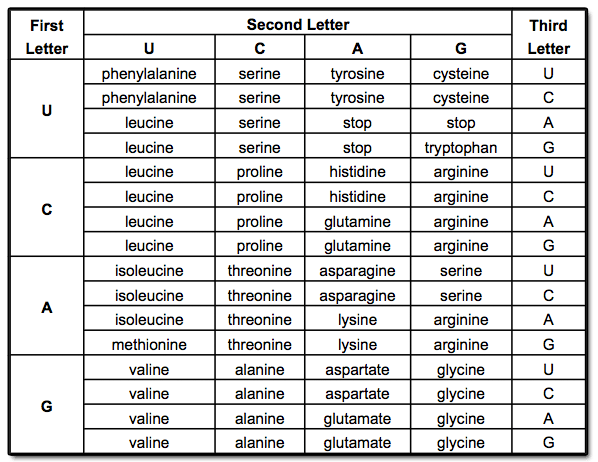

Which amino acid is made from the RNA codon UUA?
(a)

Which amino acid does GGU code for?
(a)

Which amino acid does GUG code for?
(a)
In DNA, Adenine bonds with (a) .

Which process does this picture show?
Transcription
Translation
Which process does this picture show?
Transcription
Translation
Which process does this picture show?
Transcription
Translation
Which process does this picture show?
Transcription
Translation
Which process does this picture show?
Transcription
Translation
Which process does this picture show?
Transcription
Translation
Which process does this picture show?
Transcription
Translation
Which process does this picture show?
Transcription
Translation
Which process does this picture show?
Transcription
Translation

Which process does this picture show?
Transcription
Translation

Which process does this picture show?
Transcription
Translation

Which process does this picture show?
Transcription
Translation

Which process does this picture show?
Transcription
Translation

Which process does this picture show?
Transcription
Translation

Which process does this picture show?
Transcription
Translation

Which process does this picture show?
Transcription
Translation

Which process does this picture show?
Transcription
Translation

Which process does this picture show?
Transcription
Translation

Which process does this picture show?
Transcription
Translation

Which process does this picture show?
Transcription
Translation

Starts with 1 strand of DNA and creates 1 strand mRNA.
replication
transcription
translation
Creates polypeptides.
replication
transcription
translation

When going from DNA to mRNA, this process is called?
Transcription
Translation
Replication
When going from mRNA to Amino Acids, this process is called?
Transcription
Translation
Replication

The image on the right is an example of ...
(Tip: Look at the letters)
Transcription
Translation

What takes place in the nucleus?
Transcription
Translation
“Thymine—guanine—thymine—cytosine” describes —
nucleotides within an RNA strand
a sequence of bases within a DNA section
points of DNA separation during protein synthesis
tRNA codons for specific amino acids

Which mRNA sequence complements the section of DNA shown in the figure above?
C U A G G A
T C G A A G
C T A G G C
A G C U U C
AAUCUUAGC
Using the codon chart on your reference sheet, determine the correct sequence of amino acids that would be translated from the section of mRNA shown above.
asparagine-leucine-cysteine
lysine-leucine-serine
asparagine-leucine-arginine
asparagine-leucine-serine
Which of the following would be produced if a messenger RNA strand is coded from the DNA sequence CCCGGAATT?
CCCGGAAUU
GGGCCTTAA
AAATTCCGG
GGGCCUUAA
The parts of DNA that provide the code for proteins are the —
sugars
phosphates
hydrogen bonds
nitrogenous bases

In eukaryotic cells, the process indicated by arrow A occurs in the —
cytoplasm
ribosome
nucleus
cell membrane
What is the purpose of this cellular process?
Preserving genetic information for future generations
Deleting the information in the sequence produced from the DNA template
Transcribing information in the DNA sequence for use by the cell
Producing more nucleotides for the DNA sequence

Which process is represented?
transcription
respiration
replication
translation
In a DNA sample, 15% of the bases are thymine (T). What percentage of the bases in this sample are adenine (A)?
15
30
70
85
How does DNA in cells determine an organism’s complex traits?
DNA contains codes for proteins, which are necessary for the growth and functioning of an organism.
DNA separates into long single strands that make up each part of an organism.
DNA produces the energy an organism needs in order to grow.
DNA folds into the nucleus of each of the cells of an organism.


What is the correct order to make a protein?
Protein, DNA, RNA
RNA, DNA, Protein
DNA, RNA, Protein
Protein, RNA, DNA
RNA has what base that is instead of thymine?
guanine
adenine
thymine
uracil
If one strand of DNA has the sequence TTACCG, the sequence of the other strand of the same molecule will be
(a)
golgi body
How many strands does DNA have?
(a)
How many strands does RNA have?
(a)
Which RNA bases would pair with TACGAA in transcription?
(a)
Transcribe the following DNA sequence into RNA:
AAT TAG GGC TCG
(a)
sugar
oxygen
phosphate
nitrogen base
TRANSCRIBE this DNA sequence into RNA: TAC GTT ACT
(a)
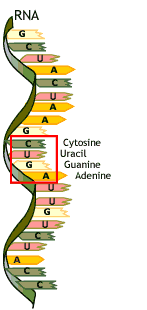
The goal of transcription is to make RNA.
True
False
True or False: DNA is double stranded.
True
False
What would be the corresponding RNA strand for the following DNA strand? CAGATT
CAGATT
GTCTAA
CAGAUU
GUCUAA

Which process is defined as copying information in DNA so that it can be used by the cell?
Replication
Transcription
Translation
Mutation

What is the product of transcription?
DNA
mRNA
Uracil
Proteins

How is base pairing in RNA different than DNA?
A pairs with C
A pairs with U
C pairs with T
G pairs with A
ATG TGA CAG?
“Thymine—guanine—thymine—cytosine” describes —
nucleotides within an RNA strand
a sequence of bases within a DNA section
points of DNA separation during protein synthesis
tRNA codons for specific amino acids
Which mRNA sequence complements the section of DNA shown in the figure above?
C U A G G A
T C G A A G
C T A G G C
A G C U U C
Which of the following would be produced if a messenger RNA strand is coded from the DNA sequence CCCGGAATT?
CCCGGAAUU
GGGCCTTAA
AAATTCCGG
GGGCCUUAA
The parts of DNA that provide the code for proteins are the —
sugars
phosphates
hydrogen bonds
nitrogenous bases
RNA has what base that is instead of thymine?
guanine
adenine
thymine
uracil
The first step of protein synthesis is.....
replication
mitosis
translation
transcription
Adenine pairs with
uracil
thymine
cytosine
adenine
The DNA strands are held together
with covalent bonds
with sugar molecules
with hydrogen bonds between bases
Where are proteins made?
ER
nucleus
cytoplasm
mitochondria
Why must transcription occur where DNA can be found?
because DNA can't leave
because ribosomes are in the nucleus
because DNA polymerase is found there
because helicase unzips the DNA
AAG CTT TGC
TCG ATA CGA
If the DNA sequence of a gene is TAC CCC GGA GAG, what mRNA sequence will be produced in transcription?
RNA Polymerase
AUG GGG CCU CUC
ATG GGG GGT GTG
AUG GGG CCU CUG
AUG CCG GCA CGG
Choose the sequence of the mRNA strand that would be match up with to the following strand:
GTAGTCA
UATUAGA
ACGACTG
CAUCAGU
CATCAGT
GTAGTCA
TGGCAAGTACGT
What is the correct order to make a protein?
Protein, DNA, RNA
RNA, DNA, Protein
DNA, RNA, Protein
Protein, RNA, DNA
Where are proteins made?
ER
nucleus
cytoplasm
mitochondria
ATG GGA ACT CCA

AUG-CCA-GUA-GGG-UAA
Which amino acid is made from the RNA codon UUA?
(a)
Which amino acid does GCA code for?
(a)
Which amino acid does GGU code for?
(a)
Which amino acid does UAA code for?
(a)
Which amino acid does AUG code for?
Phenylalanine
Methionine
STOP
Alanine
Which amino acid does CCU code for?
(a)
Which amino acid does AUC code for?
Glycine
Asparagine
Alanine
Isoleucine
Which amino acid does GUG code for?
(a)
Which amino acid does UGA code for?
Valine
Histidine
Arginine
STOP
Which amino acid does GGG code for?
Leucine
Glycine
Arginine
Phenylalanine
Transcription happens in the -
Nucleus
Ribosome
Chloroplast
Smooth Endoplasmic Reticulum
WHERE does TRANSLATION occur?
ribosome
cytoplasm
nucleus
cell
Which organelle makes proteins?
ribosome
nucleus
mitochondria
chloroplast
The triplets of mRNA read by a ribosome are called _____.
anticodons
coded gene
codons
rRNA
What is translation?
the process in which DNA is copied to make another molecule of DNA
the process in which DNA is coded into mRNA
the process in which mRNA is decoded into a protein
the process in which enzymes break down mRNA
The DNA sequence ATC-AGC-GCT-GGC is part of a gene. how many amino acids are coded for by this message?
4
8
3
12
What are the building blocks of proteins called?
Nucleic Acids
Glucose
Amino Acids
Phosphate Groups
What is the name of a chain of amino acids?
hydrogen bonds
polypeptide
amino acid chain
double helix

Which amino acid matches with the following codon:
GAU
GLU
SER
ASP
ILE
Which amino acid matches with the following codon:
CAC
STOP
HIS
LYS
ARG

Use the mRNA below to select the correct amino acid sequence:
AUG-UCA-AAA-UAG
MET-SER-LYS-STOP
MET-THR-LYS-TYR
LEU-SER-CYS-STOP
ILE-LYS-SER-STOP

Transcribe the following piece of DNA into RNA:
ATCGTA
UAGCAU
TAGCAT
ATCGTA
AUCGUA
The process of making RNA (i.e. mRNA) from DNA is called
Replication
Transcription
Translation
Division

TRANSCRIBE this DNA sequence: TACGTTACT
AUGCAAUGA
ATGCAATGA
AUGGATUGA
TACGTTACT
TRANSLATE this RNA sequence: AUGCAAUGA
Met-Glu-Stop
Met-His-Stop
Thr-Glu-Stop
Thr-Pro-Stop
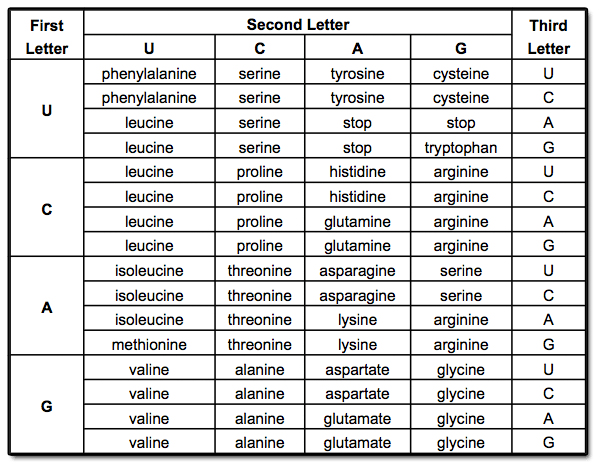
Which of the following polypeptides are coded for by the mRNA sequence
5' AUG GUU AAA 3'
Val, Lys, Phe
Met, Asp, Phe
Met, Val, Lys
Ile, Gln, Lys
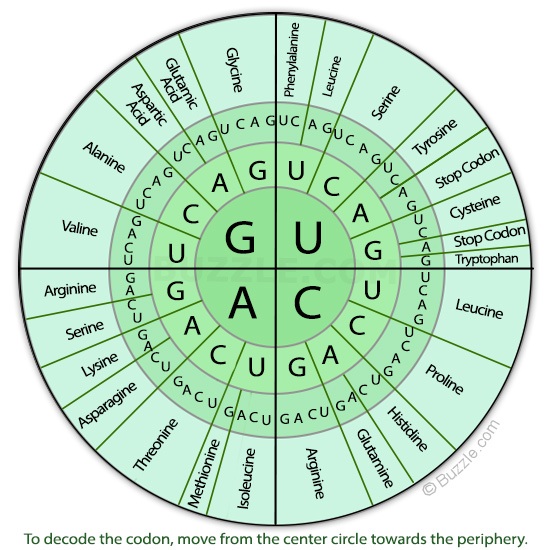
A sequence of a DNA template strand is shown.
3' TCC AAT GGC TTA TTT 5'
Which of these is the correct amino acid chain produced from the DNA template strand?
Arginine, Leucine, Proline, Asparagine
Tryptophan, Phenylalanine, Leucine
Serince, Leucine, Proline, Asparagine
Tryptophan, Phenylalanine, Leucine, Glycine


CAA

Which codon codes for STOP?
UUU
UGA
GAU
AUU
Which codon codes for Proline?
CCU
AAU
GAU
AGA

DNA stands for
Dioxyrebonucleic Acid
Deoxyribonucleic Acid
Dioxyribonucleic Acid
Donuts Not Apples

What are the three components of a nucleotide?
A sugar molecule, a phosphide group, and a nitrogen base
A sugar molecule, a phosphate group, and a neon base
A salt molecule, a phosphate group, and a nitrogen base
A sugar molecule, a phosphate group, and a nitrogen base
What are the three components of a nucleotide?
A sugar molecule
a phosphate group
a nitrogen base
a neon base

What is the shape of DNA called?
A double helix
A nucleotide
A nucleic acid
A nucleoside
What outside part of the DNA gives the molecule its shape and structure?
The nitrogen bases
The sugar molecule
The sugar-phosphate backbone
The phosphate group
In a eukaryotic cell, where is the DNA found?
Floating freely
Inside the nucleus
Inside a ribosome
Within the cell membrane

In DNA, what does T always pair with?
A
T
G
C

In DNA, what does G always pair with?
A
T
G
C

What is the correct letter sequence that matches this DNA?
(a)

What is the correct letter sequence that matches this DNA?
TCCATGCTGCAGATCGT
TGCTAGACGTCGTACCT
CGTCGTACCTTGCTAGA
CATGATTACAATTCATG

What is the correct letter sequence that matches this DNA?
(a)

The structure boxed in red is called a:
Phospholipid
Sugar
Nucleotide
Amino Acid


DNA is a
protein
nucleic acid
lipid
carbohydrate


What is the shape of DNA called?
(a)
ATCGTGTGCAT will bind to
(a)
Which answer choice would by complementary (match up) with the DNA strand ATGCATTCGA?
(a)
DNA
a unit of heredity which is transferred from a parent to offspring and determines some characteristic of the offspring.
deoxyribonucleic acid, a self-replicating material which is present in nearly all living organisms as the main constituent of chromosomes. It is the carrier of genetic information
a genetically determined characteristic.
nucleotide pairing
Nucleotide
a unit of heredity which is transferred from a parent to offspring and determines some characteristic of the offspring.
a threadlike structure of nucleic acids and protein found in the nucleus of most living cells, carrying genetic information in the form of genes.
a compound consisting of a N base and sugar linked to a phosphate group. It forms the basic structural unit (monomer) of nucleic acids such as DNA.
a pair of parallel helices intertwined about a common axis, especially that in the structure of the DNA molecule.
DNA is made up of a long chain of.......
Letters
Nucleotides
Dot Thingys
Chromosomes
In eukaryotes, which organelle is DNA usually found in?
cell membrane
vacuole
chloroplast
nucleus
A protein group

ATG TGA CAG

Every nucleotide has ___________ parts
1
2
3
4

The three parts of a nucleotide are:
Ribose sugar, phosphate group, nitrogenous base
Hydrogen bond, Deoxyribose sugar, nitrogenous base
Deoxyribose sugar, phosphate group, nitrogen base
Glucose sugar, phosphate group, nitrogen base

What holds the strands of DNA together?
Sugar phosphate backbone
Nitrogenous bases
Hydrogen bonds
Nucleotides

What provides the shape and structure of DNA?
Hydrogen bonds
Double helix
Nitrogenous bases
The sugar-phosphate backbone

Which nitrogen base pairs with G?
A
T
G
C

What carries the instructions for specific traits?
the sequence of nucleotides
the double helix shape
the sugar phosphate backbone
the number of proteins

Which nitrogen base pairs with A?
A
T
C
G

What makes up the SIDES of a DNA ladder?
nitrogen bases
sugars & phosphates
genes & chromosomes
RNA

What makes up the rungs (steps) of a DNA ladder?
sugars & phosphates
nitrogen bases
sugars
genes & chromosomes

If one strand of a DNA molecule has the following order of bases, what will be the correct order of bases on the complementary (matching) strand?
AATTGGCC
AATTGGCC
TTAACCGG
GGCCAATT
GACTGACT

Which is NOT one of the three parts of a nucleotide?
sugar
base
ribosome
phosphate

Challenge- How many TOTAL NUCLEOTIDES are there in the DNA molecule pictured?
5
10
2
20

Fill in the matching bases that would appear on the top strand of the DNA molecule pictured, in order.
A G T C A T G A
A G T C A T G A
T T T A A A C C
T C A G T A C T
C A T G A G A T
What does DNA stand for?
(a)
What is the shape of DNA called?
(a)
Guanine bonds with (a) .
In DNA, Adenine bonds with (a) .

