
 Worksheets
GMAS Review Assessment
Total questions: 200
Worksheet time: 3hrs 25mins
Name
Class
Date
1.
If you use a crowbar to get the lid off of a bucket, what simple machine are you using?
a)
Inclined Plane
b)
Pulley
c)
Wheel and Axle
d)
Lever
2.
Which two factors affect the gravitational attraction between two objects?
a)
Density and Friction
b)
Mass and Distance
c)
Density and Distance
d)
Mass and Friction
3.
How many valence electrons does Sodium (Na) have?
a)
1
b)
2
c)
3
d)
4
4.
Which family of metals would be the most reactive?
a)
Alkali Metals
b)
Transition Metals
c)
Alkaline Earth Metals
d)
Full Metal Jacket
5.
Which is an alkaline earth metal?
a)
Calcium
b)
Rubidium
c)
Carbon
d)
Iodine
6.
Which has 4 valence electrons on the outer energy level?
a)
Boron
b)
Silicon
c)
Beryllium
d)
Sulfur
7.
What is the symbol for Potassium?
a)
P
b)
K
c)
Pb
d)
Pd
8.
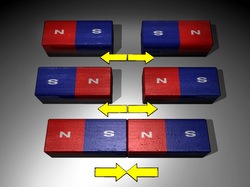
If I were to try to connect the north pole of one magnet to the north pole of another magnet, the two poles would:
a)
attract
b)
repel
c)
neither
d)
flip
9.
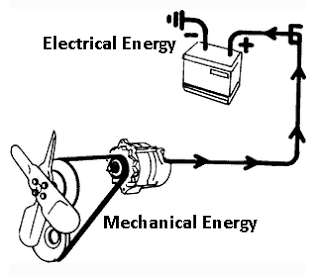
In an electric motor, the energy transformation begins as ----
a)
electrical and becomes chemical
b)
mechanical and becomes electrical
c)
electrical and becomes mechanical
d)
mechanical and becomes chemical
10.
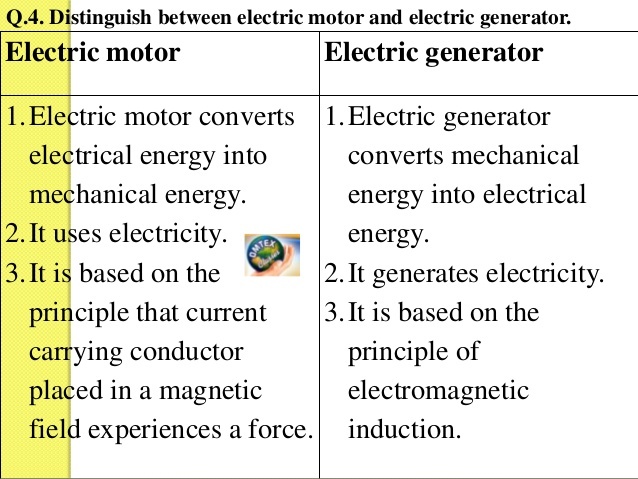
What two forces are required for generators and electric motors to work?
a)
magnetism and thermal
b)
electricity and thermal
c)
electricity and magnetism
d)
magnetism and radiant
11.
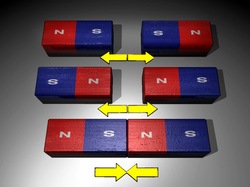
What force does a magnetic field apply without actually touching the object?
a)
a push or pull
b)
gravity
c)
friction
d)
pressure
12.
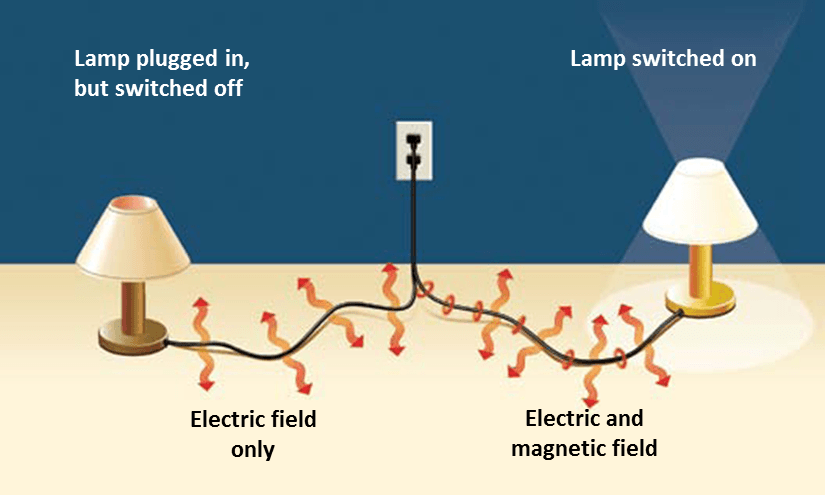
Electric fields are often associated with what other kind of field?
a)
Magnetic Fields
b)
Nuclear Fields
c)
Particle Fields
d)
Corn Fields
13.
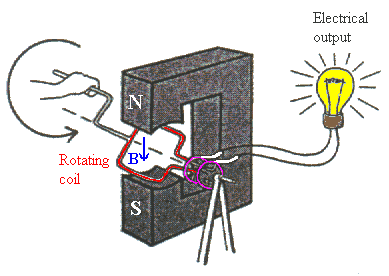
Which device uses mechanical energy to produce electrical energy?
a)
Electric Motor
b)
Magnet
c)
Generator
d)
Solar Cell
14.
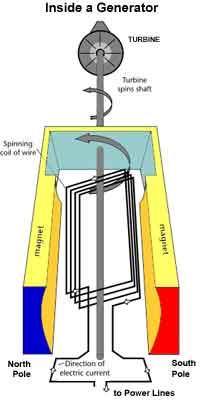
In large generators in power plants, ___________ rotate inside a coil of wire to produce an electric current.
a)
Wind
b)
Water
c)
Magnets
d)
Circuits
15.
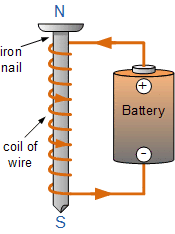
What can you use to make an electromagnet?
a)
Battery, nail and string
b)
Battery, pencil and wire
c)
Wire, battery and iron ore (nail)
d)
Peanut butter, lampshade, hand sanitizer
16.
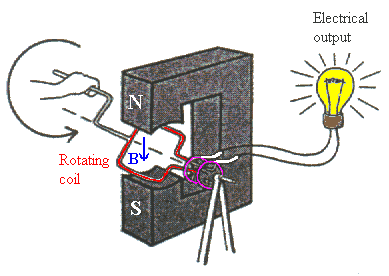
What is the transfer of electricity in a generator?
a)
Mechanical to Electrical
b)
Physical to Potential
c)
Electrical to Mechanical
d)
Yogurt to Light
17.
1. An iron nail is not normally magnetic. In an electromagnet, the iron nail can attract iron and steel. How can a nail become magnetized in an electromagnet?
a)
A. The electricity in running through the wire produces a magnetic field and magnetizes the iron
b)
B. The nail is a special type of nail
c)
C. The paper clips will magnetize the nail
d)
D. Being close to the battery magnetizes the nail
18.
Which of the following answers the best completes this hypothesis about electromagnets?
a)
If the wire is coiled more times around the nail, THEN the strength of the electromagnet will decrease.
b)
A. IF the piece of iron is bigger, THEN the strength of the electromagnet will decrease.
c)
A. IF the wire is coiled fewer times around the nail, THEN the strength of the electromagnet will increase
d)
A. IF the wire is coiled more times around the nail, THEN the strength of the electromagnet will increase
19.

What device is the diagram below representing?
a)
Bar Magnet
b)
Barometer
c)
Electromagnet
d)
Electric current
20.

In a cell, which form of energy is converted into electrical energy?
a)
Chemical energy
b)
Solar energy
c)
Mechanical energy
d)
Electrical energy
21.
What is one benefits of using a parallel circuit?
a)
It gets confusing.
b)
There are no problems.
c)
If one goes down, it does not affect the others.
d)
Porque es para llelio.
22.
Unit for resistance
a)
Ampere
b)
Ohm
c)
Volt
d)
Watt
23.

what is this symbol for?
a)
light bulb
b)
switch
c)
battery
d)
resistor
24.

When you remove a bulb from a three bulb circuit, and the other two bulbs go off, then the bulbs must have been connected in __________.
a)
parallel
b)
series
c)
open
d)
closed
25.

The picture shows an electrical circuit. This circuit is a series circuit because:
a)
It has 3 light bulbs.
b)
The same current flows through all three light bulbs.
c)
It uses a single battery.
d)
The electrical current is divided between the three light bulbs.
26.
Does this statement best describe a parallel or a series circuit.
Different voltages are dropped across each resistor.
Different voltages are dropped across each resistor.
a)
Parallel circuit
b)
Series circuit
27.

Which of the two circuits would have the brightest bulbs?
a)
A
b)
B
28.
The heat from a lamp allows a lizard to remain warm. This is an example of which type of heat transfer?
a)
radiation
b)
conduction
c)
convection
d)
insulation
29.
Ironing a shirt is an example of...
a)
condensation
b)
conduction
c)
convection
d)
radiation
30.

The Gulf Stream is a current that brings warm ocean water from the south to the north. What type of heat transfer is this?
a)
conduction
b)
convection
c)
radiation
d)
Insolation
31.
_______________ force is the force between charged objects.
a)
Electric
b)
conservation
c)
induction
d)
field
32.
Lighting is an example of a static ___________.
a)
field
b)
discharge
c)
force
d)
polarization
33.
Charges that are different _____________ each other.
a)
attract
b)
repel
c)
equal
d)
move opposite to
34.
Charges can redistribute themselves by friction, conduction,polarization, or........
a)
reduction
b)
production
c)
induction
d)
super conduction
35.
A region around a charged object where electric force is exerted where object's electric force is exerted on other charged objects in an electric
a)
field
b)
outlet
c)
socket
d)
power plant
36.
In static electricity,charges
a)
flow continuously
b)
flow intermittently
c)
build up in an atom
d)
build up on an object
37.
Friction is a force that acts in an ___________ direction of movement.
a)
similar
b)
opposite
c)
parallel
d)
west
38.
When someone is playing music by the road and you drive pass him, the music will _______
a)
become higher and then lower
b)
become lower and then higher
c)
become lower
d)
become higher
39.

True or False: The Doppler effect occurs when a wave source moves towards an observer.
a)
True
b)
False
40.

True or False: The Doppler effect occurs when an observer moves away from a wave source.
a)
True
b)
False
41.

When the car moves away from you, its horn seems...
a)
Low pitched
b)
High pitched
c)
Normal
42.

Which letter represents the amplitude of the wave?
a)
A
b)
B
c)
C
d)
D
43.
Imagine one end of a rope is tied to a door handle. The other end is caused to vibrate vertically(up & down). The wave that travels along the rope is an example of a(n)...
a)
Electromagnetic Wave
b)
Microwave
c)
Transverse Wave
d)
Longitudinal Wave
44.
Which of the following best explains the difference between transverse and longitudinal waves?
a)
Only transverse waves vibrate.
b)
Only longitudinal waves can travel through a solid.
c)
Particles only travel in a circular pattern along a longitudinal wave.
d)
Particles only travel perpendicular to the direction the energy travels in a transverse wave.
45.
Sound is an example of which type of wave?
a)
Transverse
b)
Longitudinal
c)
Both
d)
Neither
46.
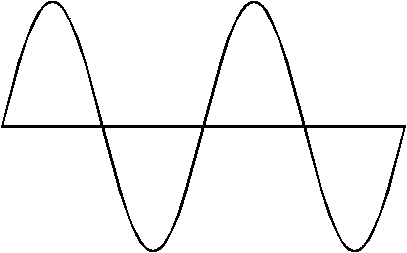
How many waves are in this picture?
a)
1
b)
2
c)
3.5
d)
4
47.

Which wave is pictured?
a)
Transverse
b)
Longitudinal
c)
Both
d)
Neither
48.
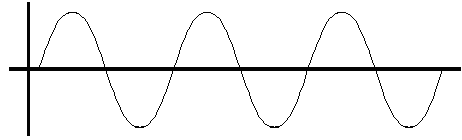
Which wave is pictured?
a)
Transverse
b)
Longitudinal
c)
Both
d)
Neither
49.
How do you measure the wavelength of a longitudinal wave?
a)
Crest to crest
b)
Middle of compression to middle of next compression
c)
You cannot measure the wavelength.
d)
It does not have a wavelength.
50.
When a wave bends as it passes through at an angle from one medium to another.(example: pencil in a glass of water-)
a)
medium
b)
refraction
c)
reflection
d)
interference
51.

Which substance is MOST soluble at 0 ºC?
a)
KI
b)
NaNO3
c)
NaCl
d)
Ce2(SO4)3
52.

At approximately what temperature does the solubility of sodium chloride, NaCl, match the solubility of potassium dichromate, K2Cr2O7?
a)
60 ºC
b)
30 ºC
c)
50 ºC
d)
83 ºC
53.

How many grams of K2Cr2O7, are soluble in 100 g of water at 95 ºC?
a)
83 grams
b)
75 grams
c)
40 grams
d)
12 grams
54.
Energy of motion is which type of energy?
a)
Potential
b)
Kinetic
c)
Sound
d)
Gravitational
55.
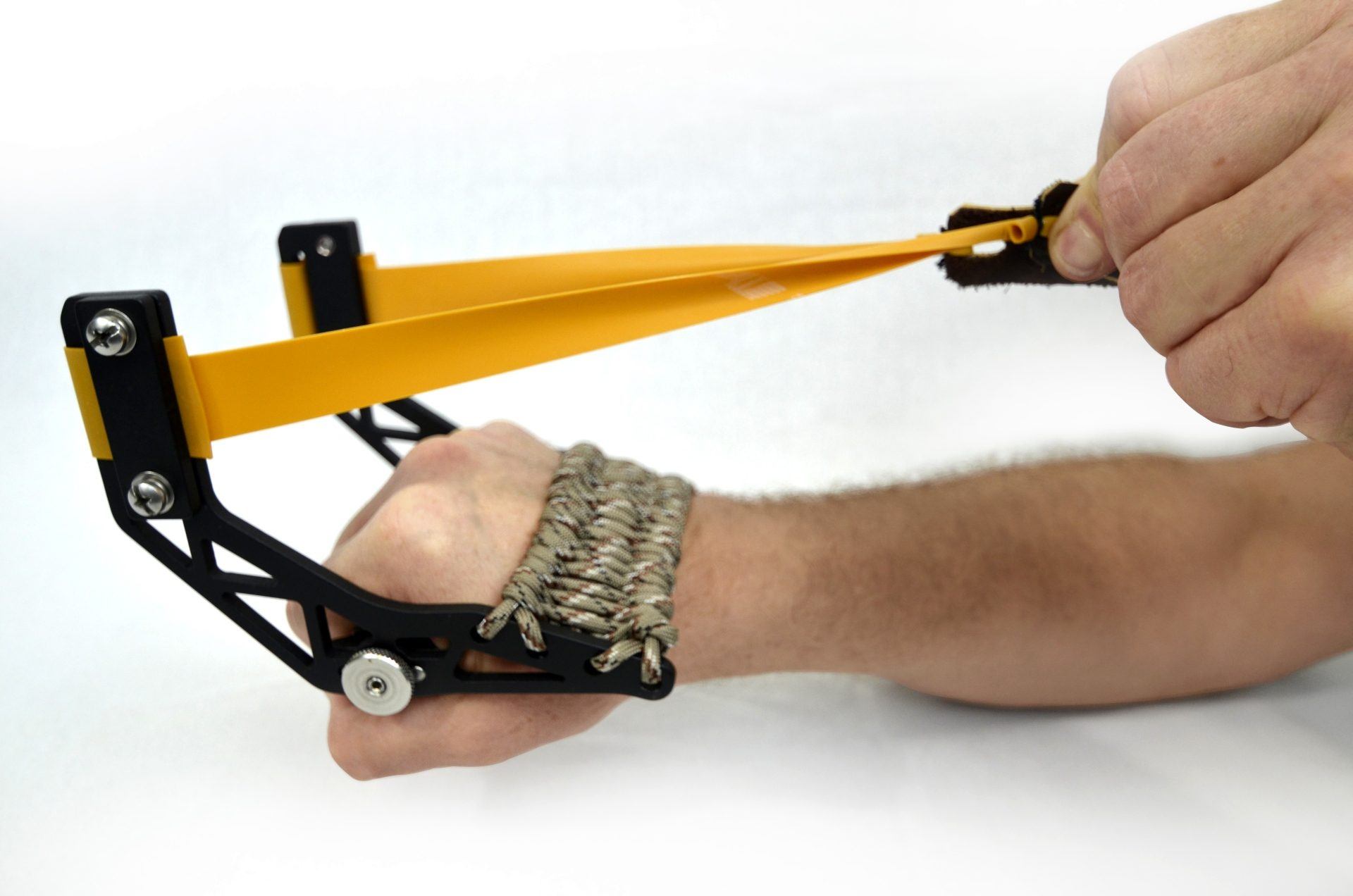
What type of energy is in this picture?
a)
Kinetic
b)
Potential
c)
Chemical
d)
Sound
56.
When plants convert the sun's energy into food, which type of energy is it?
a)
kinetic
b)
chemical
c)
thermal
d)
radiant
57.

What kind of energy is represented in this picture?
a)
Thermal
b)
Potential
c)
Nuclear
d)
Mechanical
58.

What kind of energy does this device use?
a)
Chemical
b)
Electrical
c)
Thermal
d)
Chemical
59.

A battery converts what type of energy to another?
a)
sound to kinetic
b)
light to heat
c)
mechanical to electrical
d)
chemical to electrical
60.
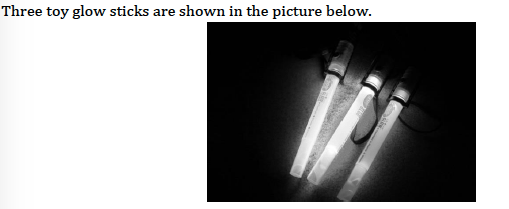
The glow sticks produce light for a short amount of time. The light from the glow stick is a conversion from what to what?
a)
thermal to light
b)
gravitational to potential
c)
radiant to electrical
d)
chemical to light
61.
A 15.75-g piece of iron absorbs 1086.75 joules of heat energy, and its temperature changes from 25°C to 175°C. Calculate the specific heat capacity of iron.
a)
0.46 J/gxoC
b)
1.654 J/gxoC
c)
2,567,446.875 J/gxoC
62.
How many joules of heat are needed to raise the temperature of 10.0 g of aluminum from 22°C to 55°C, if the specific heat of aluminum is 0.90 J/gx°C?
a)
297 Joules
b)
0.003 Joules
c)
297 J/gx°C
d)
0.003 J/gx°C
63.
The symbol for specific heat is .......
a)
c
b)
Q
c)
m
d)
t
64.
Specific heat is....
a)
The measure of kinetic energy of an objects particles
b)
A measure of the energy needed to increase the average kinetic energy of the particles
c)
The heating caused by the motion of flluid due to temperature difference
d)
The transfer of energy by electromagnetic radiation
65.
A high specific heat means...
a)
It heats up quickly with energy added
b)
It requires more energy to change temperature
66.
It takes 20 N of force to move a box a distance of 10 m. How much work is done on the box in Joules?
a)
200 J
b)
20.0J
c)
100 J
d)
10 J
67.
If you do 40 joules of work lifting a 10N box, how high is the shelf you move it to.
a)
400m
b)
40m
c)
50m
d)
4m
68.
In which of the following situations do your arms do work on books?
a)
holding a heavy stack of books while standing
b)
carrying a heavy stack of books
c)
dropping a stack of books onto a table
d)
picking up a pile of books from the floor
69.
A runners races in the 100 meter dash. It takes her 10 seconds to finish. What is her average speed?
a)
10 m/s
b)
1000 m/s
c)
100 seconds
d)
10 seconds
70.

The graph represents
a)
no motion
b)
constant velocity
c)
acceleration
d)
negative acceleration
71.

The graph represents
a)
no motion
b)
Constant velocity
c)
Acceleration
d)
negative acceleration
72.
Find the velocity of a truck that travels 75 miles north in 2.5 hours.
a)
187.5 mph north
b)
30 mph north
c)
300 mph north
d)
200 mph north
73.
Find the velocity of a plane that traveled 3000 miles west in 5 hours.
a)
65 mph west
b)
6 mph west
c)
600 mph west
d)
6000 mph west
74.
What are the units of Force?
a)
kg*m/sec
b)
kg*m
c)
N
d)
N*sec
75.
What is the unit for velocity?
a)
m/sec
b)
kg/sec
c)
kg/m
d)
kg m/sec
76.
What is the unit for mass?
a)
m/sec
b)
kg/sec
c)
kg
d)
kg m/sec
77.
What is the unit for acceleration?
a)
m/s
b)
m/s2
c)
kg*m/s
d)
N
78.
What law is best described by inertia?
a)
1st
b)
2nd
c)
3rd
79.
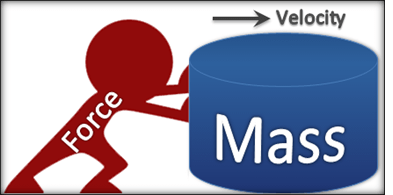
a)
1st
b)
2nd
c)
3rd
80.

a)
1st
b)
2nd
c)
3rd
81.

When you kick a ball across a feild and it hits someone in the face and they fly backwards
a)
Action=Reaction
b)
Speed
c)
Motion
d)
Air
82.
If the mass of an object decreases, what property will decrease as well?
a)
Acceleration
b)
Force
c)
Inertia
d)
Velocity
83.
If an unbalanced force acts on an object, what will be the outcome?
a)
No change
b)
Acceleration
c)
Mass will increase
d)
Mass will decrease
84.
Acceleration on earth due to gravity is....
a)
9.8 meters
b)
9.8 seconds
c)
9.8 meters per second
d)
9.8 meters per second squared
85.
How much work is produced when 350 N is used to move a car 5 m?
a)
70 J
b)
1750 J
c)
355 J
d)
175 J
86.
What is a machine?
a)
an object that has AI
b)
an object that is designed to take over the earth in 2020
c)
simple mechanisms that use mechanical advantage to multiply force.
d)
a mechanism that is used to decrease the amount of work done
87.
What is effort (input) force?
a)
the force required by a machine in order to accomplish work (the force you put on the machine)
b)
the force which an effort force must overcome in order to do work on an object via a simple machine.
c)
the force the machine exerts on a object
d)
the output work times the input distance
88.
What is resistance (output) force?
a)
the force required by a machine in order to accomplish work (the force you put on the machine)
b)
the force which an effort force must overcome in order to do work on an object via a simple machine.
c)
the force the machine exerts on a object
d)
the output work times the input distance
89.
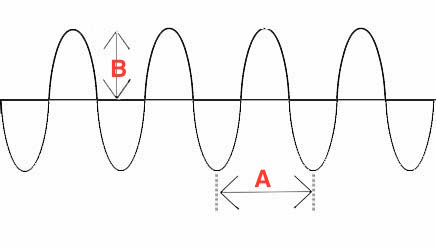
What property of this wave is represented by the letter "A"
a)
amplitude
b)
crest
c)
trough
d)
wavelength
90.
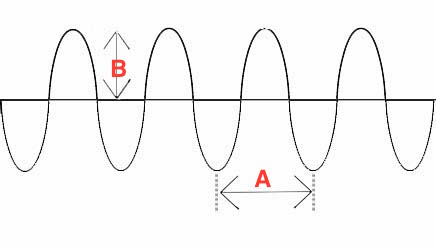
What property of the wave is represented by the letter "B"?
a)
amplitude
b)
crest
c)
trough
d)
wavelength
91.
The highest point on a wave is:
a)
the crest
b)
the trough
c)
the top
d)
the coast
92.
The lowest point on a wave is the:
a)
Amplitude
b)
Crest
c)
Trough
d)
Wavelength
93.
The number of wavelengths that pass a point each per second is:
a)
frequency
b)
period
c)
longitudinal
d)
transverse wave
94.
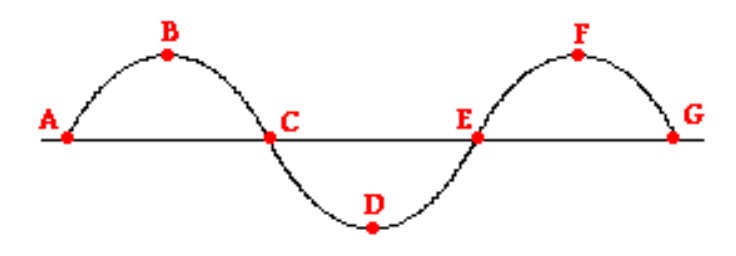
Which letter(s) represent the trough of the wave?
a)
A
b)
B & D
c)
D
d)
C & G
95.
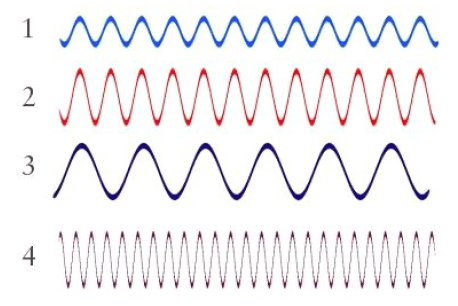
Which wave in the diagram has the greatest wavelength?
a)
1
b)
2
c)
3
d)
4
96.
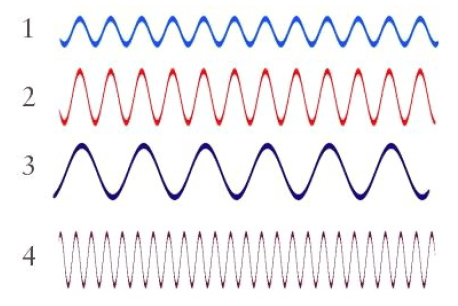
Which wave in the diagram has the greatest frequency?
a)
1
b)
2
c)
3
d)
4
97.
Which of the following can sound travel through?
a)
solid
b)
liquid
c)
gas
d)
all of the above
98.
Electromagnetic waves include the following except
a)
radio waves
b)
X-rays
c)
doing the wave at a football game
d)
microwaves
99.
regular disturbances that carry energy through matter or space
a)
crest
b)
energy
c)
wave
d)
trough
100.
When a wave strikes and object and bounces off. (example echo)
a)
medium
b)
refraction
c)
reflection
d)
interference
101.
The charge of a proton in an atom.
a)
positive
b)
negative
c)
neutral
d)
-1
102.
The charge of a neutron in an atom.
a)
positive
b)
negative
c)
neutral
d)
+1
103.
The location of the protons and neutrons in an atom.
a)
cloud
b)
rings
c)
nucleus
104.
The negatively charged particles found in the cloud.
a)
protons
b)
neutrons
c)
electrons
d)
quarks
105.
Using the mass from the periodic table, how would you calculate the number of neutrons?
a)
protons x 2
b)
protons divided by 2
c)
mass + protons
d)
mass - protons
106.
How many protons in Sulfur - 35?
a)
35
b)
16
c)
51
d)
19
107.
What is the mass of Carbon - 14?
a)
14
b)
6
c)
7
d)
8
108.
Isotopes of an element have the same mass number but different atomic numbers because they contain a different number of protons?
a)
True
b)
False
109.
Almost all the mass of an atom is located in its
a)
protons
b)
neutrons
c)
electron cloud
d)
nucleus
110.
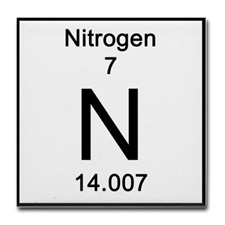
What is the number of protons that the element in this image contain?
a)
14
b)
7
c)
15
d)
18
111.

What is the atomic mass of "F"
a)
9
b)
18
c)
17
d)
19
112.
What is the atomic symbol for sodium?
a)
Na
b)
So
c)
NaCl
d)
S
113.

What is the number of protons that the element in this image contain?
a)
14
b)
7
c)
15
d)
18
114.
When naming ionic compounds you always write the name of the positive element _______ .
a)
first
b)
second
c)
with "ide"
d)
with a prefix
115.
In most cases, when naming you change the ending of the second element to ________.
a)
-ate.
b)
-ite.
c)
-ide.
d)
-ine.
116.
This rule says that all atoms want a full outer orbital.
a)
pentet rule
b)
hextet rule
c)
octet rule
d)
quartet rule
117.
MgF2
a)
magnesium fluoride
b)
manganese Phosphide
c)
magnesium(III) fluoride
d)
magnesium fluoride(II)
118.
What is the formula for calcium phosphide?
a)
CaP
b)
Ca2P3
c)
Ca3P2
d)
Ca2P
119.
Which of the following has six valence electrons?
a)
Sodium
b)
Iodine
c)
Oxygen
d)
Neon
120.
Phosphorous trichloride
a)
PCl3
b)
P3Cl
c)
P3Cl3
d)
PCL
121.
Disulfur trioxide
a)
S3O2
b)
SO
c)
S2O3
d)
S2O
122.
P2O5
a)
Phosphorus Oxide
b)
Pentaphosphorus Dioxide
c)
Diphosphorous pentoxide
d)
Phosphoric Oxygen
123.
CO
a)
Carbon Oxide
b)
Carbon Oxygen
c)
Dicarbon dioxide
d)
Carbon Monoxide
124.
PBr5
a)
Phosphorus Bromide
b)
Phosphorus Pentabromide
c)
Pentaphosphorus bromide
d)
Phosphorus Bromine
125.
What is the name of Ca(NO3)2
a)
calcium nitrite
b)
calcium II nitrate
c)
calcium nitrate
d)
carbon nitrate
126.
What type of ionic compounds have the roman numeral?
a)
Non-covalent compounds
b)
Without transition metals
c)
Covalent compounds
d)
With transition metals
127.
Name the following compound:
BF3
BF3
a)
boron fluoride
b)
boron difluoride
c)
monoboron trifluoride
d)
boron trifluoride
128.
Fe(III) combines with S to form
a)
Fe+4(S)=3
b)
Fe2S4
c)
Fe2S3
d)
Fe3S2
129.
Ca combines with Br to form
a)
Ca2Br2
b)
CaBr
c)
Ca(br)2
d)
CaBr2
130.

Which of these is covalent?
a)
NaCl
b)
Pb(NO3)2
c)
CO2
d)
AlCl3
131.
Each column in the periodic table is called a
a)
period
b)
group
c)
cluster
d)
unit
132.
Which group of the periodic table is composed of inert (not reactive) gases?
a)
alkali metals
b)
alkaline earth metals
c)
halogens
d)
noble gases
133.
Elements which are shiny, conduct electricity and heat are called
a)
metal
b)
nonmetal
c)
metalloid
d)
nonexistent
134.

The atoms along the staircase are called
a)
metals
b)
nonmetals
c)
metalloids
d)
noble gases
135.
The atoms along the staircase are called
a)
metals
b)
nonmetals
c)
metalloids
d)
noble gases
136.
Which is a halogen?
a)
Helium
b)
Chlorine
c)
Oxygen
d)
Neptune
137.
Which is an alkali metal?
a)
Magnesium
b)
Iron
c)
Sodium
d)
Europium
138.

This is used to represent the number of each atom being represented.
a)
A Exponent
b)
The Coefficient
c)
A Molecule
d)
The Subscript
139.

This appears on the left side of a chemical formula, and represents how many molecules there are.
a)
An Atom
b)
The Subscript
c)
A Molecule
d)
The Coefficient
140.
Law of conservation of mass states that
a)
matter is created
b)
matter is destroyed
c)
matter is neither created nor destroyed
d)
matter does not change
141.
Evidence of a chemical reaction include:
a)
Phase change
b)
No new substance
c)
Bubbles forming
d)
Shape change
142.
What will weigh more when a chemical change is complete? The reactants before the chemical reaction, or the product after the reaction is complete?
a)
They both will weigh the same
b)
The product always weighs more than the reactant
c)
The reactant will weigh more than the product
d)
They both will loose mass after the reaction
143.
The amount of matter you start with CAN BE DIFFERENT than the amount of matter you end with.
a)
True, it can be different
b)
False, it remains the same
144.
What is the smallest unit of an element?
a)
atom
b)
molecule
c)
hydrogen
d)
quark
145.
Iron reacts with oxygen and rusts.
a)
chemical change
b)
physical change
146.

How many hydrogen atoms are in this chemical formula:
a)
4 hydrogen atoms
b)
1 hydrogen atom
c)
2 hydrogen atoms
d)
3 hydrogen atoms
147.
In the modern periodic table elements are arranged by:
a)
atomic mass
b)
atomic number
c)
valence electrons
d)
number of isotopes
148.
what is the name of CCl4?
a)
carbon tetrachloride
b)
monocarbon tetrachloride
c)
tetracarbon monochloride
d)
carbon chloride
149.
Which substance is MOST soluble at 0 ºC?
a)
KI
b)
NaNO3
c)
NaCl
d)
Ce2(SO4)3
150.
At approximately what temperature does the solubility of sodium chloride, NaCl, match the solubility of potassium dichromate, K2Cr2O7?
a)
60 ºC
b)
30 ºC
c)
50 ºC
d)
83 ºC
151.
How many grams of K2Cr2O7, are soluble in 100 g of water at 95 ºC?
a)
83 grams
b)
75 grams
c)
40 grams
d)
12 grams
152.
Energy of motion is which type of energy?
a)
Potential
b)
Kinetic
c)
Sound
d)
Gravitational
153.
What type of energy is in this picture?
a)
Kinetic
b)
Potential
c)
Chemical
d)
Sound
154.
When plants convert the sun's energy into food, which type of energy is it?
a)
kinetic
b)
chemical
c)
thermal
d)
radiant
155.
What kind of energy is represented in this picture?
a)
Thermal
b)
Potential
c)
Nuclear
d)
Mechanical
156.
What kind of energy does this device use?
a)
Chemical
b)
Electrical
c)
Thermal
d)
Chemical
157.
A battery converts what type of energy to another?
a)
sound to kinetic
b)
light to heat
c)
mechanical to electrical
d)
chemical to electrical
158.
The glow sticks produce light for a short amount of time. The light from the glow stick is a conversion from what to what?
a)
thermal to light
b)
gravitational to potential
c)
radiant to electrical
d)
chemical to light
159.
A 15.75-g piece of iron absorbs 1086.75 joules of heat energy, and its temperature changes from 25°C to 175°C. Calculate the specific heat capacity of iron.
a)
0.46 J/gxoC
b)
1.654 J/gxoC
c)
2,567,446.875 J/gxoC
160.
How many joules of heat are needed to raise the temperature of 10.0 g of aluminum from 22°C to 55°C, if the specific heat of aluminum is 0.90 J/gx°C?
a)
297 Joules
b)
0.003 Joules
c)
297 J/gx°C
d)
0.003 J/gx°C
161.
The symbol for specific heat is .......
a)
c
b)
Q
c)
m
d)
t
162.
Specific heat is....
a)
The measure of kinetic energy of an objects particles
b)
A measure of the energy needed to increase the average kinetic energy of the particles
c)
The heating caused by the motion of flluid due to temperature difference
d)
The transfer of energy by electromagnetic radiation
163.
A high specific heat means...
a)
It heats up quickly with energy added
b)
It requires more energy to change temperature
164.
It takes 20 N of force to move a box a distance of 10 m. How much work is done on the box in Joules?
a)
200 J
b)
20.0J
c)
100 J
d)
10 J
165.
If you do 40 joules of work lifting a 10N box, how high is the shelf you move it to.
a)
400m
b)
40m
c)
50m
d)
4m
166.
In which of the following situations do your arms do work on books?
a)
holding a heavy stack of books while standing
b)
carrying a heavy stack of books
c)
dropping a stack of books onto a table
d)
picking up a pile of books from the floor
167.
A runners races in the 100 meter dash. It takes her 10 seconds to finish. What is her average speed?
a)
10 m/s
b)
1000 m/s
c)
100 seconds
d)
10 seconds
168.
The graph represents
a)
no motion
b)
constant velocity
c)
acceleration
d)
negative acceleration
169.
The graph represents
a)
no motion
b)
Constant velocity
c)
Acceleration
d)
negative acceleration
170.
Find the velocity of a truck that travels 75 miles north in 2.5 hours.
a)
187.5 mph north
b)
30 mph north
c)
300 mph north
d)
200 mph north
171.
Find the velocity of a plane that traveled 3000 miles west in 5 hours.
a)
65 mph west
b)
6 mph west
c)
600 mph west
d)
6000 mph west
172.
What are the units of Force?
a)
kg*m/sec
b)
kg*m
c)
N
d)
N*sec
173.
What is the unit for velocity?
a)
m/sec
b)
kg/sec
c)
kg/m
d)
kg m/sec
174.
What is the unit for mass?
a)
m/sec
b)
kg/sec
c)
kg
d)
kg m/sec
175.
What is the unit for acceleration?
a)
m/s
b)
m/s2
c)
kg*m/s
d)
N
176.
What law is best described by inertia?
a)
1st
b)
2nd
c)
3rd
177.
a)
1st
b)
2nd
c)
3rd
178.
a)
1st
b)
2nd
c)
3rd
179.
When you kick a ball across a feild and it hits someone in the face and they fly backwards
a)
Action=Reaction
b)
Speed
c)
Motion
d)
Air
180.
If the mass of an object decreases, what property will decrease as well?
a)
Acceleration
b)
Force
c)
Inertia
d)
Velocity
181.
If an unbalanced force acts on an object, what will be the outcome?
a)
No change
b)
Acceleration
c)
Mass will increase
d)
Mass will decrease
182.
Acceleration on earth due to gravity is....
a)
9.8 meters
b)
9.8 seconds
c)
9.8 meters per second
d)
9.8 meters per second squared
183.
How much work is produced when 350 N is used to move a car 5 m?
a)
70 J
b)
1750 J
c)
355 J
d)
175 J
184.
What is a machine?
a)
an object that has AI
b)
an object that is designed to take over the earth in 2020
c)
simple mechanisms that use mechanical advantage to multiply force.
d)
a mechanism that is used to decrease the amount of work done
185.
What is effort (input) force?
a)
the force required by a machine in order to accomplish work (the force you put on the machine)
b)
the force which an effort force must overcome in order to do work on an object via a simple machine.
c)
the force the machine exerts on a object
d)
the output work times the input distance
186.
What is resistance (output) force?
a)
the force required by a machine in order to accomplish work (the force you put on the machine)
b)
the force which an effort force must overcome in order to do work on an object via a simple machine.
c)
the force the machine exerts on a object
d)
the output work times the input distance
187.
What property of this wave is represented by the letter "A"
a)
amplitude
b)
crest
c)
trough
d)
wavelength
188.
What property of the wave is represented by the letter "B"?
a)
amplitude
b)
crest
c)
trough
d)
wavelength
189.
The highest point on a wave is:
a)
the crest
b)
the trough
c)
the top
d)
the coast
190.
The lowest point on a wave is the:
a)
Amplitude
b)
Crest
c)
Trough
d)
Wavelength
191.
The number of wavelengths that pass a point each per second is:
a)
frequency
b)
period
c)
longitudinal
d)
transverse wave
192.
Which letter(s) represent the trough of the wave?
a)
A
b)
B & D
c)
D
d)
C & G
193.
Which wave in the diagram has the greatest wavelength?
a)
1
b)
2
c)
3
d)
4
194.
Which wave in the diagram has the greatest frequency?
a)
1
b)
2
c)
3
d)
4
195.
Which of the following can sound travel through?
a)
solid
b)
liquid
c)
gas
d)
all of the above
196.
Electromagnetic waves include the following except
a)
radio waves
b)
X-rays
c)
doing the wave at a football game
d)
microwaves
197.
regular disturbances that carry energy through matter or space
a)
crest
b)
energy
c)
wave
d)
trough
198.
When a wave strikes and object and bounces off. (example echo)
a)
medium
b)
refraction
c)
reflection
d)
interference
199.
What happens to the resistance of a conductor when its temperature increases?
a)
It decreases
b)
It increases
c)
It stays the same
d)
It first increases, then decreases
200.
Which of the following is a renewable source of energy?
a)
Coal
b)
Uranium
c)
Solar
d)
Natural Gas
100 %

