
NEW
Font size
 Worksheets
QZ G1 -Levels of Organization- Score 40 CORRECT required! Redo!
Total questions: 50
Worksheet time: 13hrs 30mins

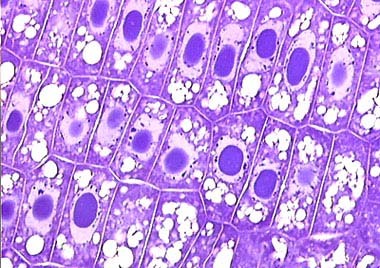
This is an example of
Cell
Tissue
Organ
Organ System
Which is the correct order for levels of organization from simple to complex?
cell, organ, tissue, organ system, organism
organism, organ system, tissue, cell, organism
cell, tissue, organ, organ system, organism
organ, tissue, cell, organism, organ system

What are organs made out of?
cells
organisms
tissues
organ systems

The stomach is an example of an:
organ
organ system
organism
tissue
What is an organ system?
Groups of similar types of cells that work together to carry out a specific task
Groups of different tissues working together to perform a particular job
Groups of different organs working together to complete a series of tasks
The smallest unit of life
What is an organism?
Groups of similar types of cells that work together to carry out a specific task
Things that have all the characteristics of life
Groups of different organs working together to complete a series of tasks
The smallest unit of life
What is the order of levels of organization of the body from SMALLEST to Largest
cell, organ, tissue, organ system, organism
organism, organ system, organ, tissue, cell
cell, organ, tissue, organ system, organism
cell, tissue, organ, organ systems, organism
Cells in your body have different jobs
true
false
What is the next largest level after cell?
Organ
Organism
Organ system
Tissue
Which level is the largest?
Cell
Organism
Organ
Tissue

A group of organs that come together to perform a specific function is a/an
organ
organ system
organism
tissue
1. In a human body, which of the following represents the highest level of structural organization?
an atom in the lung
lung tissue
the lungs
the respiratory system

What is a group of cells that are alike and work together?
a cell team
a tissue
a cell family

A group of tissues that work together is a(n) ______________________.
cell
organ
organ system

Organs that work together are part of a(n) ________________________.
cells
tissue
organ system
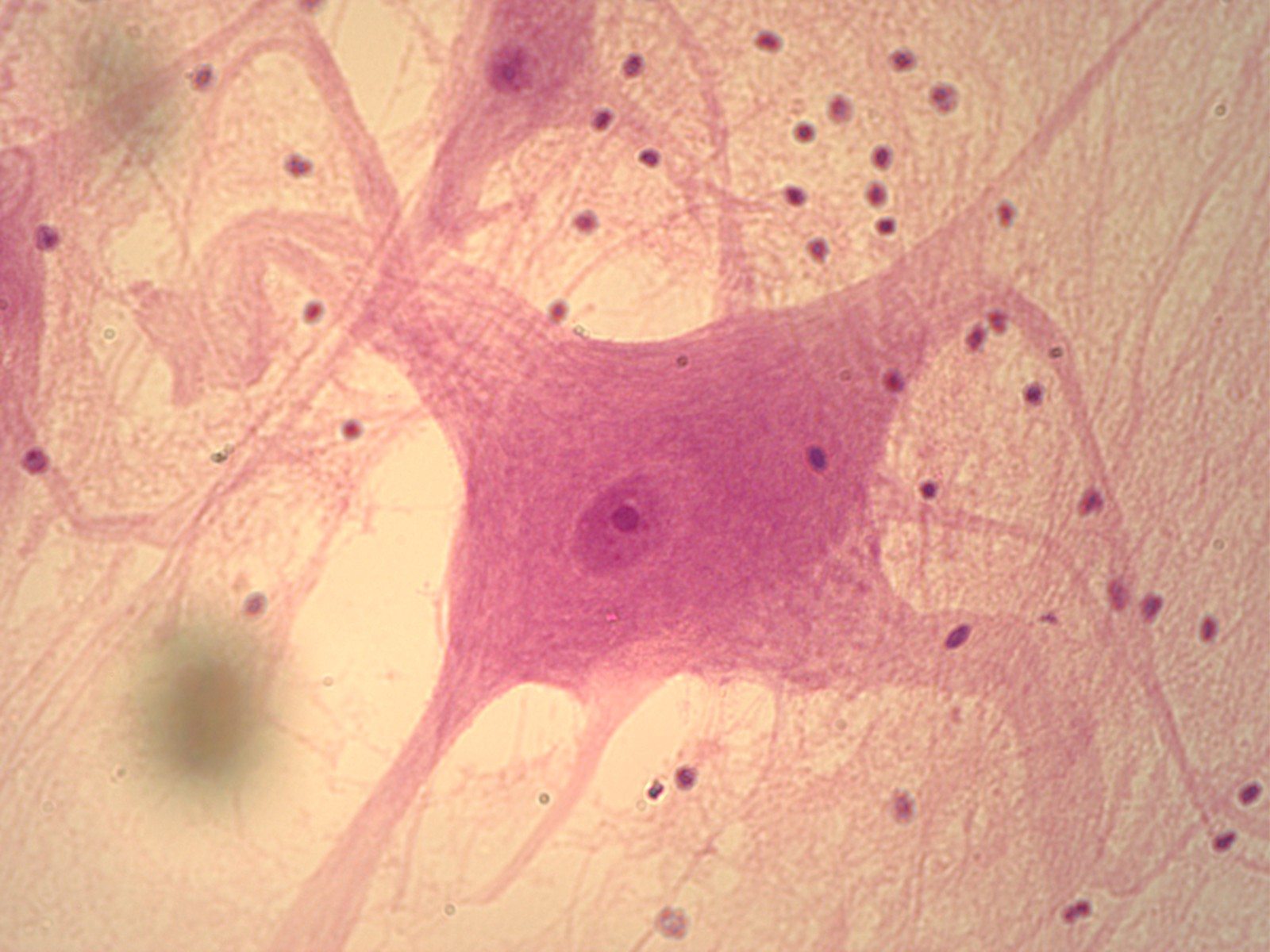
This type of tissue shown in the picture transmits information throughout the body to and from the brain.
Nervous Tissue
Connective Tissue
Muscular Tissue

organ systems make up.....
Tissues
Organs
Organ systems
organisms

What is the correct order of organization?
cells->tissue->organs->organ systems-> organism
tissue->cells->organs->organ systems-> organism
organs->organ systems-> organism->cells->tissue
What is the difference between multi-celled and single-celled’s organisms?
Single-celled organisms are “simple” and multi-celled organisms are “crazy.”
Single-celled organisms are “super” and multi-celled organisms are “complex.”
Single-celled organisms are “simple” and multi-celled organisms are “complex.”
Which of the following shows the levels of organization in order from simple to complex?
1. Cell
2. Tissue
3. Organ
4. Organ System
5. Organism
1. Cell
2. Tissue
3. Organelle
4. Organ
5. Organ System
1. Tissue
2. Organelle
3. Cell
4. Organ
5. Organism
1. Organ
2. Tissue
3. Cell
4. Organism
5. Organ System

The building blocks of all living things with specialized jobs.
tissue
cells
organs
organ systems
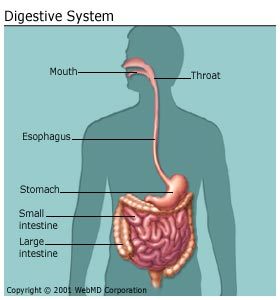
These organs working together are an example of a(n) ________________ .
organ system
cell
atom
tissue
Anything that can perform life processes by itself is a(n) ________________ .
atom
organ
organism
organelle
True or False. Organ systems depend on each other and cannot work alone.
True
False
What does complex mean?
to be difficult
to be made of only one part
to be made of two or more parts
to be simple
How do organ systems work together within an organism?
By performing the same functions
By competing for resources
By contributing to different functions that sustain life
By existing independently without interaction
Which diagram represents the most complex level of organization?


John received a microscope for his birthday and decided he would observe one of his mother’s plants. John tore a leaf from one of the plants and placed it under his microscope. The picture is what he observed:
organ
cell
organisn
tissue
Which best describes the main job of most cells in multi-cellular organisms?
Cells work together to keep the organism alive and healthy.
Cells work to release one fluid.
Cells work together to reject other parts of the organism.
Cells work to store unneeded substances in the organism.
1. In a human body, which of the following represents the highest level of structural organization?
an atom in the lung
lung tissue
the lungs
the respiratory system

What is the level of organization?
cell
tissue
organ
organ system
organism

What is a group of cells that have similar functions? Examples include nervous, epithelial, muscle, and connective _________ .
cells
tissues
organs
atoms

A group of tissues that perform a similar function is called a(n) ____________ . Examples include the heart, lungs, or stomach.
cell
tissue
organ
organ system
What is the function of connective tissue cells?
Moving substances
Protecting the body
Insulating and supporting
Contracting and relaxing

A student is studying flowering plants in her science class. She creates a poster to diagram the different plant parts she has learned about. Taken together, all of the plant parts the student studied make up which level of organization?
cells
organ system
organism
ecosystem
A ________________________________, can be as big as an elephant or as small as a bacteria.
organelle
organ
mammal
organism
Trees and plants are also considered living _______________________.
organisms
organs
organelles
mammals

Which of the following is NOT one of the 4 tissue types?
epithelial
avascular
connective
nervous
Multi-cellular organisms are
trophics
prokaryotes
eukaryotes
mammals
Unicellular organisms need other cells to function.
True
False
Xylem is a part of a plant that helps transport water throughout the organism. One xylem tube is a(n) _________, and multiple xylem tubes are part of a(n) __________.
organ; organ system
tissue; organ
organ system; organism
cell; tissue
___________________________ tissue makes up the outer layer of skin, the largest organ of your body. Skin is made of all four tissues.
epithelial
nerve
connective
muscle

The diagram to the right illustrates the path of a response when someone touches a sharp pin that causes pain. Choose the option below that best describes the order of the systems involved in the response process.
Nervous, digestive, muscular
Nervous, muscular, skeletal

These show two systems in the human body. A system is made when:
Many organs work together
Many cells work together
Many tissues work together

What is the level of organization?
cell
tissue
organ
organ system
organism

