
 Worksheets
Physical and chemical change
Total questions: 84
Worksheet time: 1hrs 3mins
What happens in a chemical change?
The atoms in the reactants rearrange themselves and bond together differently to form one or more new products with different characteristics than the reactants. When a new substance is formed.
When objects or substances undergo a change that does not change into a different substance.
What happens in a physical change?
The atoms in the reactants rearrange themselves and bond together differently to form one or more new products with different characteristics than the reactants. When a new substance is formed.
When objects or substances undergo a change that does not change into a different substance.
Which type of change can be undone?
Chemical
Physical
What happens to the weight of matter when it undergoes chemical changes?
It stays the same
It increases
It decreases
What happens to the weight of matter when it undergoes a physcial change?
It stays the same
It increases
It decreases
You tear home your homework into little pieces. How much does the homework weigh after you tear it up?
A little less
A little more
The same
None of the above
If you mix 1 gram of salt with 50 grams of water, how many grams of matter will you have after the salt is completely dissolved?
49 grams
50 grams
51 grams
None of the above
fireworks exploding and producing bright colors
physcial change
chemical change
lighting a match
physcial change
chemical change

Burning wood is what type of change?
Physical
Chemical
a different way to say Law of Conservation of Matter
Law of Conservation of Volume
Law of Conservation of Energy
Law of Conservation of Mass
Law of Conservation of Environment
If a chemical reaction occurs in a closed system (no way for any part of the reaction to escape), how does the product mass compare to the reactant mass?
the mass would decrease
the mass would increase
the mass would stay the same
it depends on the type of reaction

Why does this picture demonstrate the Law of Conservation of Matter?
the number of atoms of each element are the same on both sides
they start out separate and end up combined
the same elements are used
it doesn't demonstrate the Law of Conservation of Matter
If the mass of a chemical reaction's product is 15 grams, what would the mass of the reactants be?
20 g
15 g
10 g
3 g
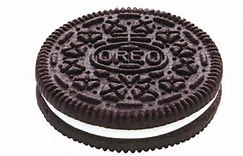
What is the Law of Conservation of matter?
Matter is created in a chemical reaction
Matter is created in a physical change
New chemicals formed from a chemical reaction have a larger overall matter than the original reactants
Matter is never created or destroyed

matter with mass is anything but it also takes up...
volume
space
change
mass

matter cannot be...
added or paired
created or destroyed
a compound or made
changed or bonded
Which of the following would be considered a physical change?
Cutting paper
pH test
Burning marshmellow
Roasting a Turkey

Which statement BEST describes why the water vapor in the air formed liquid water on the outside of the glass?
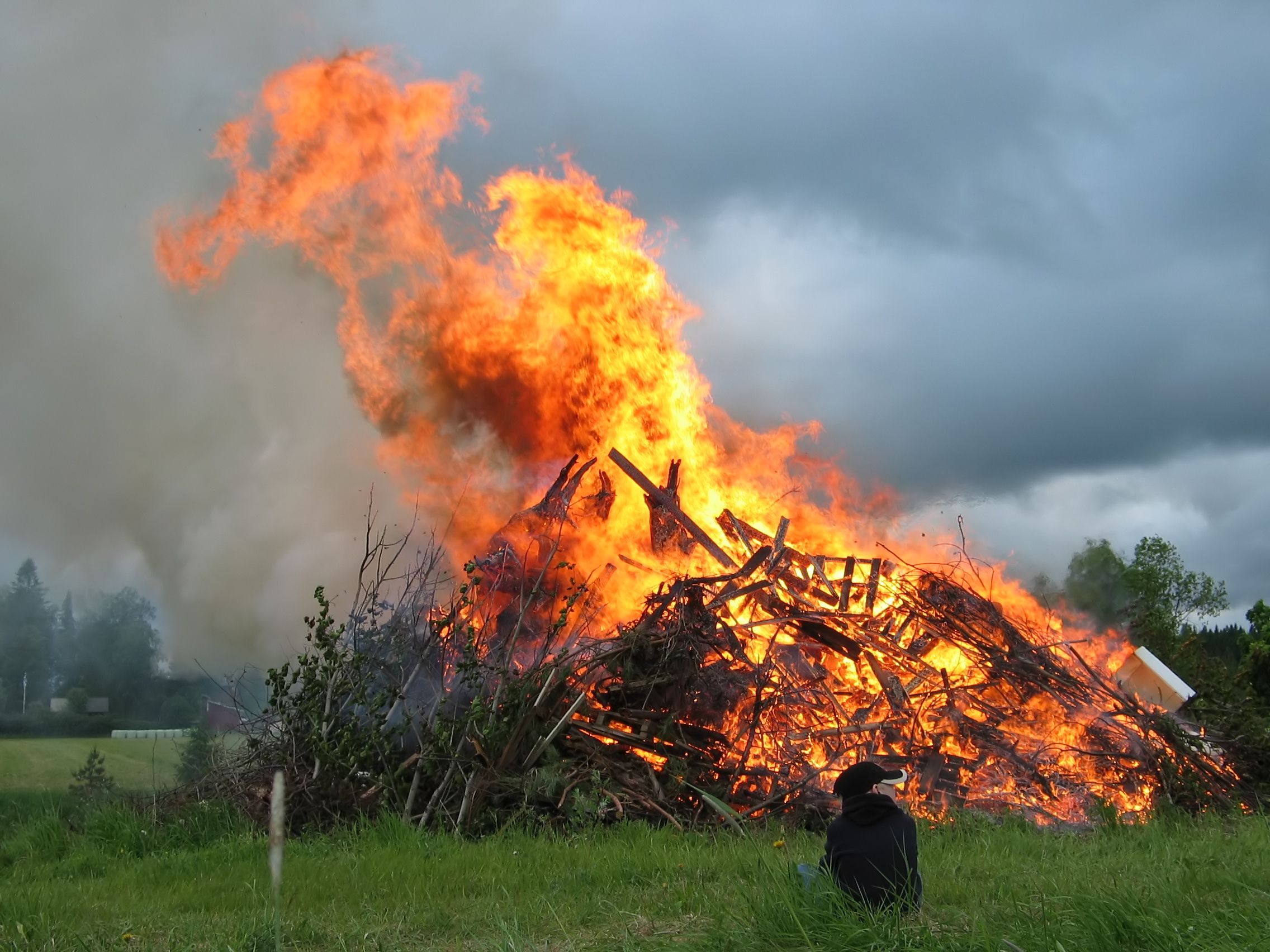
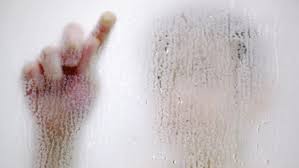
The weight of a pencil is about
5 g
50 g
500 g
5 kg
Which of these choices is a physical property?
solubility
flammability
ability to rust
reaction with water
Which process is a sign of a chemical change?
a rotting potato gives off a bad smell
a melting block of ice leaves a large puddle
a cloud quickly changes shape when blown by the wind
a plaster statue breaks when it falls on the floor
Which of these best describes physical properties?
Physical properties behave identically for all matter under the same conditions.
Physical properties can be observed without changing the identity of a substance.
Physical properties include flammability.
Physical properties cause atoms and molecules to change structure when substances are mixed.
Which of these is a chemical property of a sheet of paper?
the paper can be burned
the paper can be crumpled
the paper does not attract a magnet
the paper does not conduct electricity
Which of these choices describes a chemical property?
flexibility
boiling point
reactivity with water
electrical conductivity
Which process is an example of of a physical change?
ice melting
milk souring
metal rusting
wood burning
What are the two types of mixtures?
Elements and compounds
Elements and pure substances
Homogeneous and Heterogeneous
Solutes and solvents
Carbon dioxide is what type of pure substance?
Homeogeneous
Heterogeneous
Element
Compound
Anything that has mass and takes up space is
matter
mass
concentration
dissolve
The 3 main states of matter are
solid
liquid
gas
all of the above
Which of the following can be signs that a chemical change has occurred?
color change
formation of a gas (bubbles)
energy change
All of the above
Salt water is an example of a
Heterogeneous mixture
Element
Compound
Homogeneous mixture
Oxygen is an example of
Compound
Element
Homogeneous mixture
Heterogeneous mixture
Rocks and sand together would be an example of
Compound
Element
Homogeneous mixture
Heterogeneous mixture

When sugar dissolves in water a ______________ change occurs.
Physical change
Chemical Change

Cracking an egg is a ________________ change.
Physical Change
Chemical Change

Burning Sugar is an example of a ________________ change.
Physical Change
Chemical Change


When matter changes, it can result in what types of changes?
Chemical
Physical
Acids
Bases
Matter goes through a change resulting in a different state of matter. What type of change is most likely occurring?
Chemical
Physical
Acids
Bases
Matter goes through a change resulting in a change in form. What type of change is most likely occurring?
Chemical
Physical
Acids
Bases

Crushing a Coke Can

Sodium metal is cut with a knife

Sugar is mixed and dissolved into water.

Wood Burning

Cutting a pizza into slices is what type of change?
chemical change
physical change
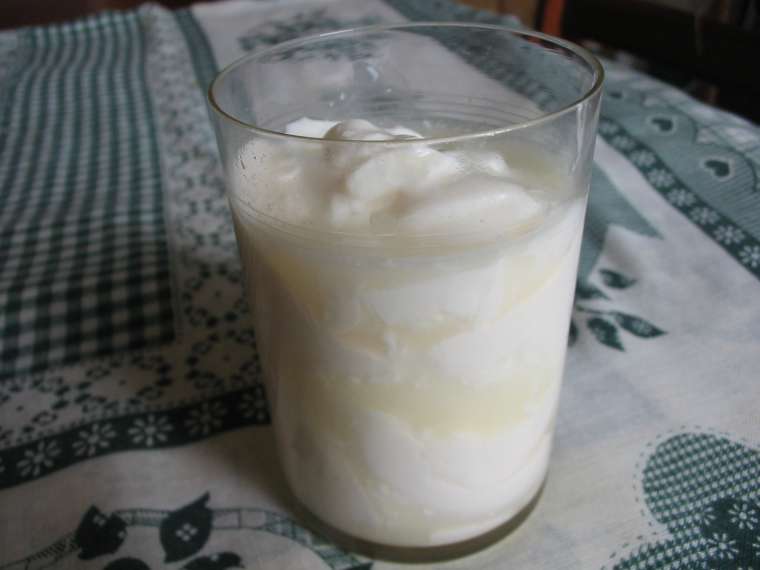
Milk curdling/souring.

Copper tarnishing.



