wayground logo

Free Printable Worksheets

NEW

Font size

S
M
L
XL
Worksheets

Atomic Theory

Total questions: 80

Worksheet time: 56mins

Name
Class
Date
1.
This particle is found in the nucleus and has no charge
a)
Neutron
b)
Proton
c)
Electron
2.
This particle is found in the nucleus and has a positive charge
a)
Electron
b)
Proton
c)
Neutron
3.
This is a negatively charged particle found outside the nucleus
a)
Electron
b)
Proton
c)
Neutron
4.
This contains most of the mass of an atom
a)
Electron Cloud
b)
Nucleus
c)
Electron
5.
This is the simplest of all atoms and contains only one proton and one electron
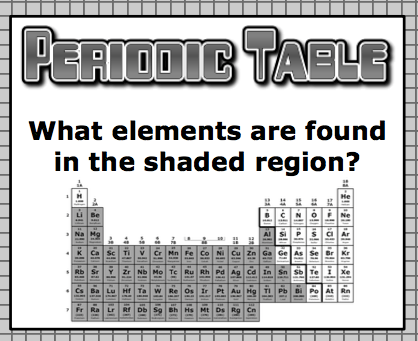
a)
Oxygen
b)
Hydrogen
c)
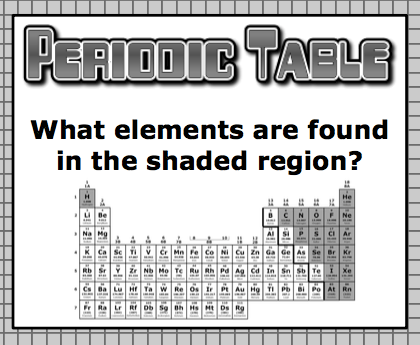
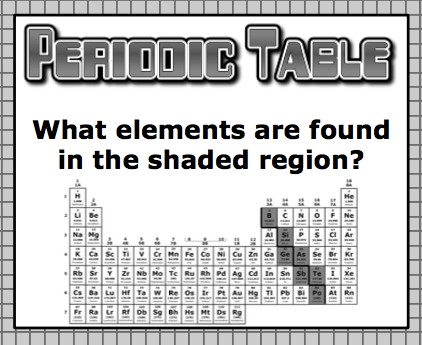
Water
6.

The first person to ever talk about an atom was

a)

Democritus

b)

Rutherford

c)

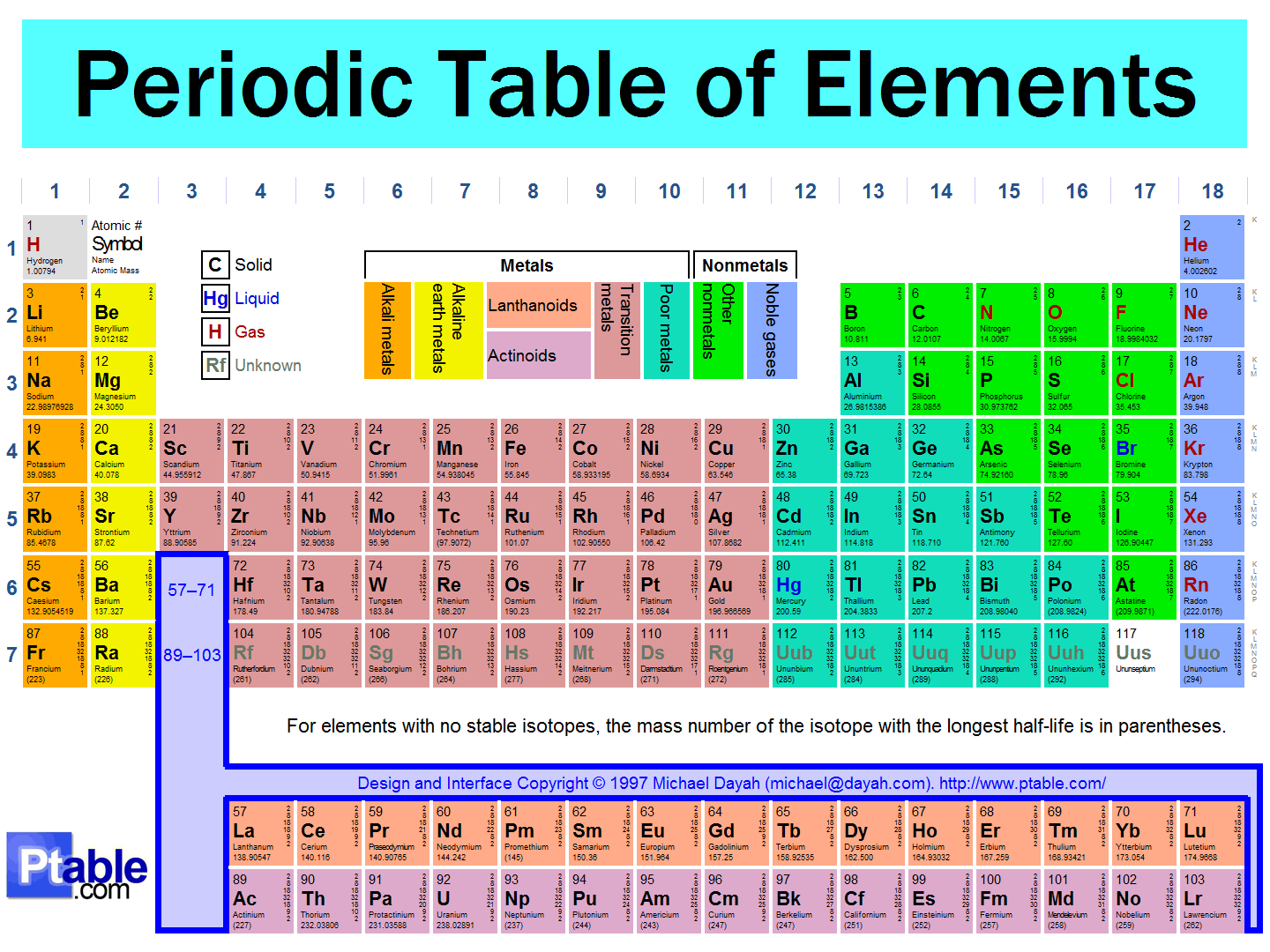
Dalton

7.
All matter is made of what?
a)
energy 
b)
atoms 
c)
electrons 
d)
compounds 
8.

How did Rutherford discover the proton?

a)

Cathode tube ray experiment

b)

Gold Foil Experiment

c)

Planetary Model

d)

Plum Pudding Model

9.
What scientist is best known for his "Plum Pudding" model of the atom?
a)
J.J. Tomson
b)
Ernest Rutherford
c)
John Dalton
d)
Democritus
10.
What contribution did John Dalton make to atomic theory? 
a)
He discovered that every atom was positively charged. 
b)
He discovered that every element consisted of one type of atom.  
c)
He discovered that atoms had nuclei. 
d)
He discovered that atoms could be divided into smaller parts. 
11.
Place the following scientists in order, from earliest to latest: 
A) Ernest Rutherford
B) J.J. Thomson
C) John Dalton
a)
B,C,A
b)
C,A,B
c)
A,C,B
d)
C,B,A
12.
J.J. Thomson provided evidence that an atom...
a)
is the smallest particle of matter
b)
contains negatively charged particles
c)
has an overall negative charge
d)
has an overall positive charge
13.
Rutherford's gold foil experiment provided evidence that...
a)
negative and positive charges are spread evenly throughout the atom.
b)
alpha particles have a positive charge.
c)
gold is not a dense as previously thought.
d)
there is a dense positively charged nucleus at the center of an atom.
14.

An atom's overall charge is ________.

a)

positive

b)

depends

c)

neutral

d)

negative

15.
What does the nucleus of an atom contain?
a)
Electrons and neutrons
b)
Protons and neutrons
c)
Neutrinos and positrons
d)
DNA and RN
16.
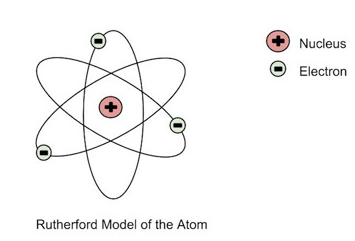
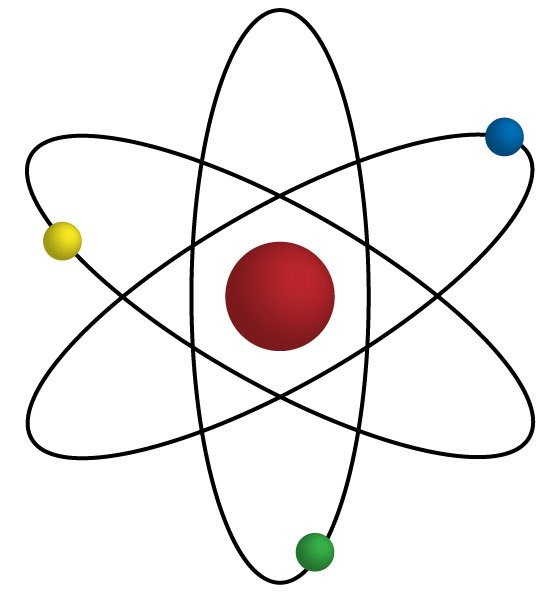
Who came up with this model of an atom?
a)
J.J. Thompson
b)
Ernest Rutherford
c)
Neils Bohr
d)
James Chadwick
17.

True or False: The majority of an atom is made up of empty space

a)

True

b)

False

18.

Contributes basically no mass to an atom.

a)

protons

b)

neutrons

c)

electrons

d)

protons and neutrons

19.
What element is pictured?
a)
Hydorgen
b)
Boron
c)
Beryllium
d)
Arsenic
20.
The atomic number for Oxygen is 8, so
a)
there are 8 protons in the atom
b)
the atomic mass is less than 8
c)
the mass of the atom is 8
d)
the atom is decaying
21.
The proton has what kind of charge? 
a)
Positive
b)
Negative
c)
None 
d)
An unknown charge 
22.

The atomic mass is the

a)

number of electrons an element has

b)

The number of atoms in a space

c)

The average mass of an atom in an element

d)

a special kind of compound

23.
What is inside the nucleus of an atom? 
a)
Protons 
b)
Neutrons 
c)
Both protons and neutrons 
d)
electrons 
24.

An element can't be broken down any more simply because it

a)

is made of compounds.

b)

Does not process air.

c)

Is made of only one type of atom.

d)

Simply can't.

25.
The mass of a proton is about the same as a neutron. 
a)
True
b)
False 
26.

Particles smaller than an atom are called

a)

They don't exist.

b)

Mini-universes.

c)

Subatomic particles.

d)

Tiny things

27.
This particle is found in the nucleus and has no charge
a)
Neutron
b)
Proton
c)
Electron
28.
This contains most of the mass of an atom
a)
Electron Cloud
b)
Nucleus
c)
Electron
29.
How many protons does this isotope of titanium have?
a)
48
b)
22
c)
26
d)
70
30.
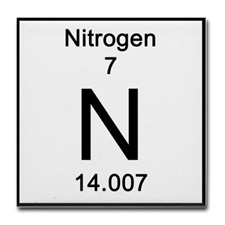
What is the number of protons that the element in this image contain?
a)
14
b)
7
c)
15
d)
18
31.
What is the atomic mass of "F"
a)
9
b)
18
c)
17
d)
19
32.

all matter is made of what

a)

energy

b)

atoms

c)

electrons

d)

compounds

33.
What is the number of protons that the element in this image contain?
a)
14
b)
7
c)
15
d)
18
34.
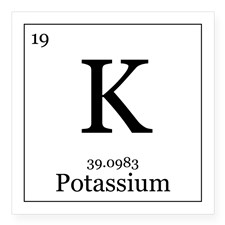
How many neutron are in the atom "K"?
a)
7
b)
2
c)
39
d)
12
35.
What are the 3 particles that make-up the atom?
a)
protons, neutrons, and isotopes
b)
neutrons, isotopes, and electrons
c)
positives, negatives, and electrons
d)
protons, neutrons, and electrons
36.

How many electrons does this Carbon atom have?

a)

10

b)

12

c)

6

d)

14

37.
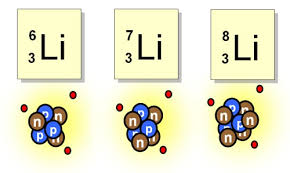
How many neutrons does the isotope of lithium have?
a)
8
b)
3
c)
4
d)
5
38.
What do these isotopes of carbon all have in common?
a)
neutrons & mass number
b)
atomic number and neutrons
c)
atomic number and electrons
d)
protons, atomic number, and mass number
39.
What element is this?  What is the mass number of this atom?
a)
sodium, 23
b)
magnesium, 23
c)
magnesium, 12
d)
sodium, 11
40.
which atom has  4 neutrons?
a)
Li-6
b)
Li-7
c)
Li-8
d)
they have the same # of neutrons
41.
which explanation of this notation is correct?
a)
 12 is proton #
b)
6 tells you there are 6 neutrons
c)
6 tells you there are 6 protons
d)
12 is not a mass # here
42.
Sodium has an atomic number of 11, how many protons does this atom have?
a)
22
b)
11
c)
12
d)
2
43.
Where is the proton located?
a)
In the very dense nucleus
b)
Floating around in the negative electron cloud
c)
the loose nucleus
d)
the positive electron cloud
44.
What number on the element key tells you how many protons an element has?
a)
Atomic Mass
b)
Element name
c)
Atomic number
d)
Element Symbol
45.
Which description about the proton is accurate?
a)
Positively charged particle with a mass less than 0 amu
b)
A neutrally charged particle with a mass less than 0 amu
c)
Positively charged particle with a mass of 1 amu
d)
A neutrally charge particle with a mass of 1 amu
46.
The following element key shows how many protons?
a)
16
b)
15.999
c)
Oxygen
d)
8
47.
Elements can have the same number of protons?
a)
True
b)
False
48.
Protons are equal to:
a)
Atomic Mass
b)
Number of neutrons
c)
Atomic Number
d)
All of the subatomic particles
49.
a)
Periods
b)
Groups
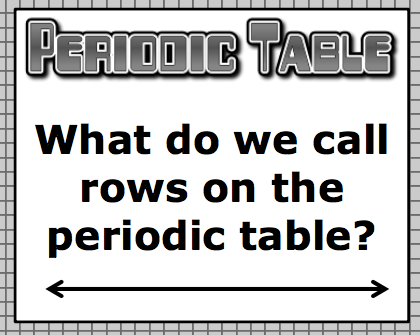
50.
a)
Periods
b)
Groups
51.
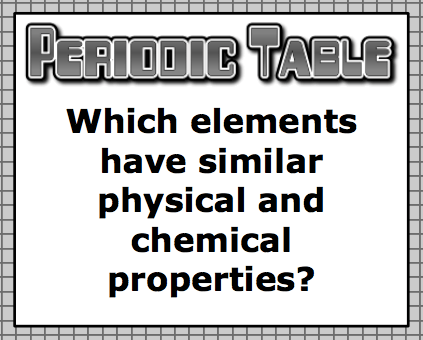
a)
Same group
b)
Same period
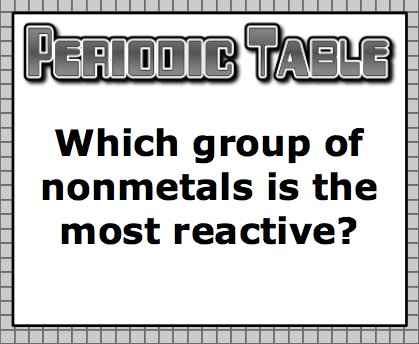
52.
a)
Group 1
b)
Group 17
c)
Group 2
d)
Group 18
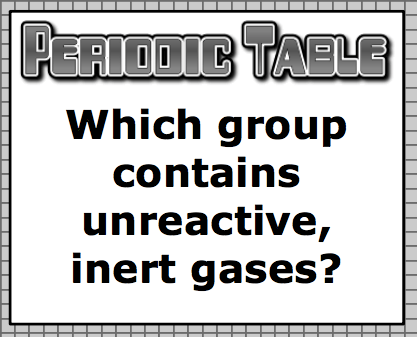
53.
a)
Group 1
b)
Group 17
c)
Group 18
d)
Group 2
54.
a)
Metals
b)
Nonmetals
c)
Metalloids
55.
a)
Metals
b)
Nonmetals
c)
Metalloids
56.
a)
Metals
b)
Nonmetals
c)
Metalloids
57.
The horizontal row on the periodic table is called a
a)
group
b)
family
c)
period
d)
atomic number
58.
A vertical column is called...
a)
group
b)
tower
c)
period
d)
crew
59.
The number at the bottom of each square on the periodic table is the ...
a)
atomic number
b)
atomic mass
c)
chemical symbol
d)
element name
60.
The number at the top of each square on the periodic table is the ...
a)
atomic number
b)
atomic mass
c)
Chemical Symbol
d)
Element Name
61.
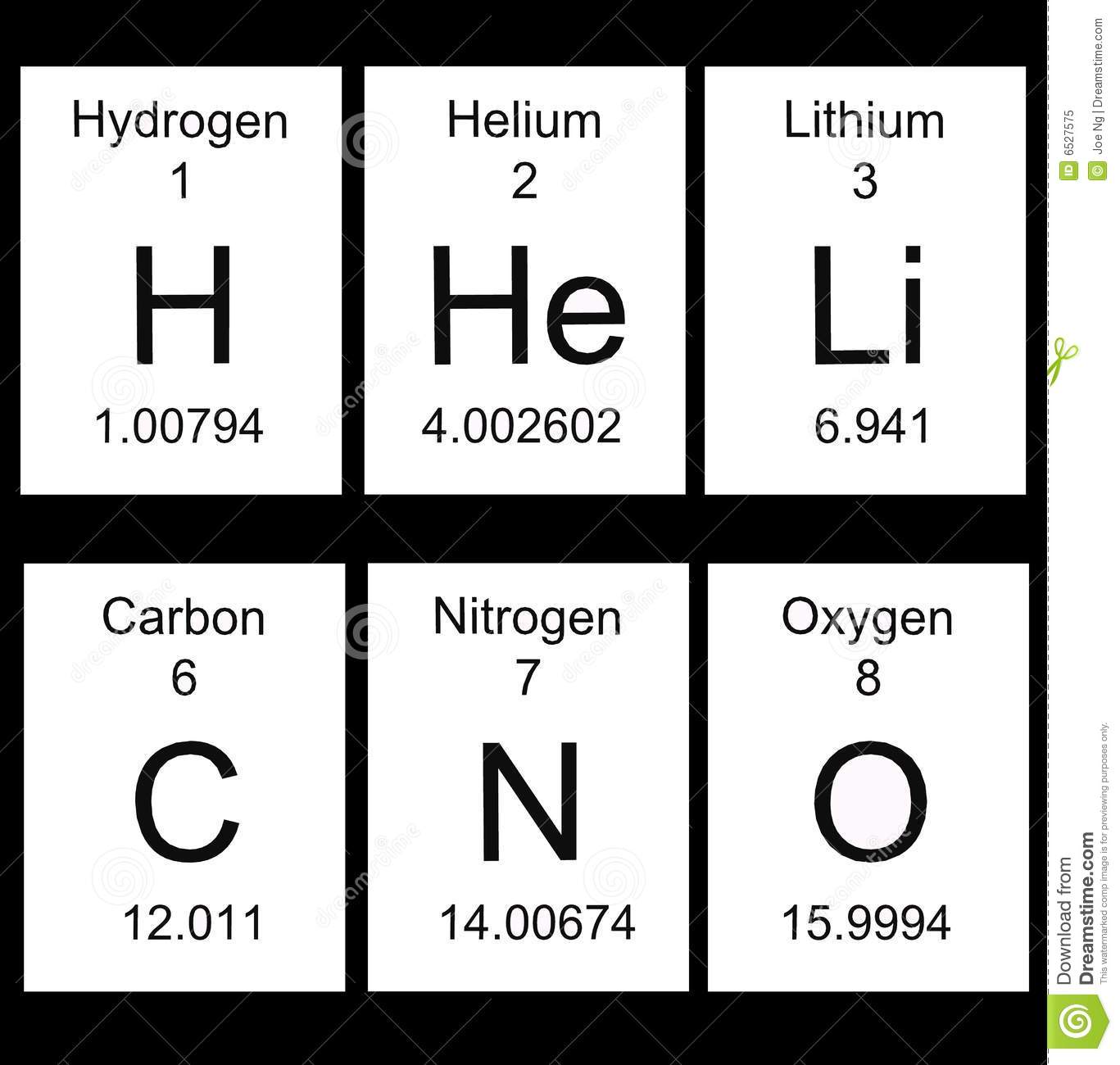
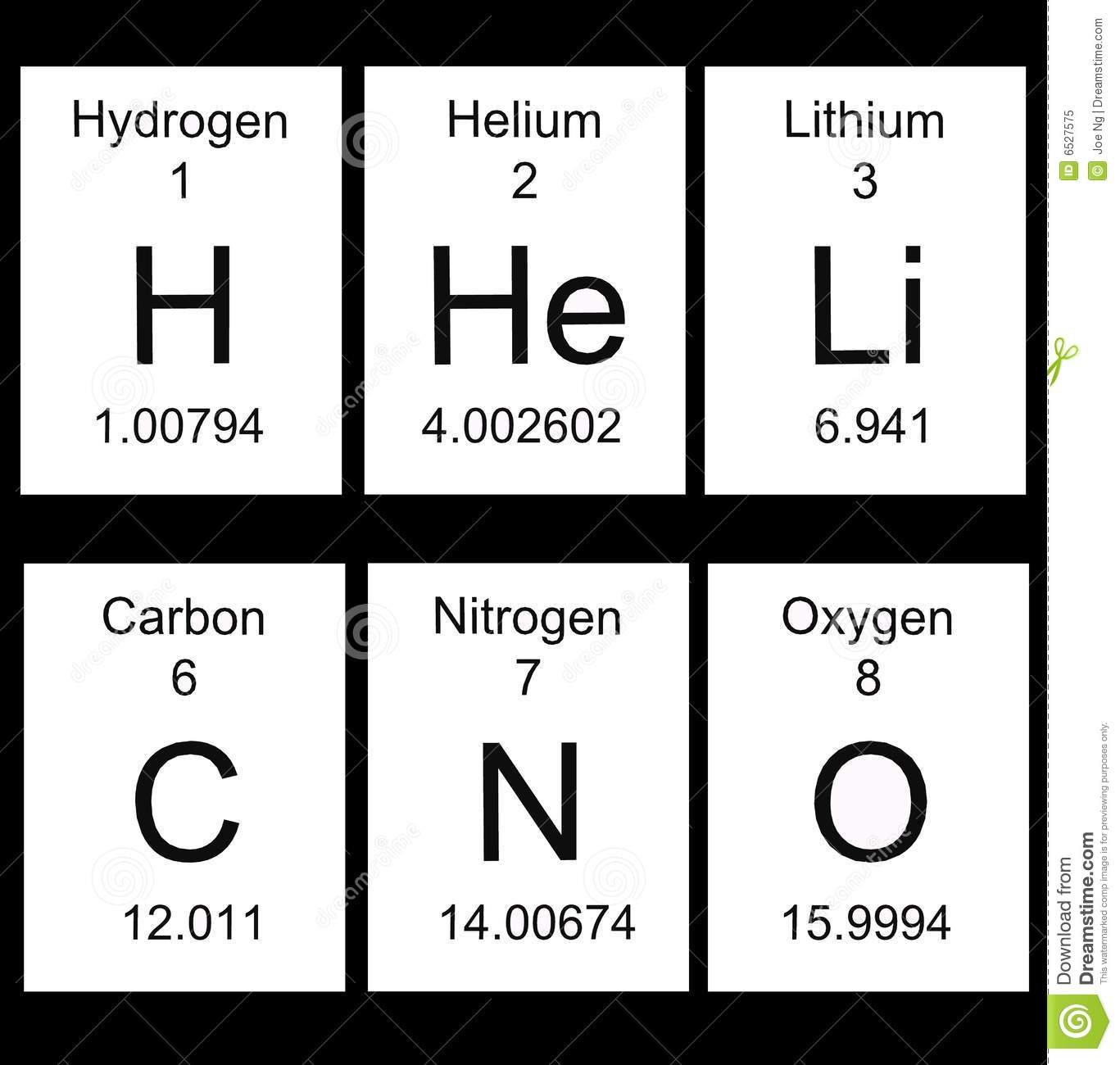
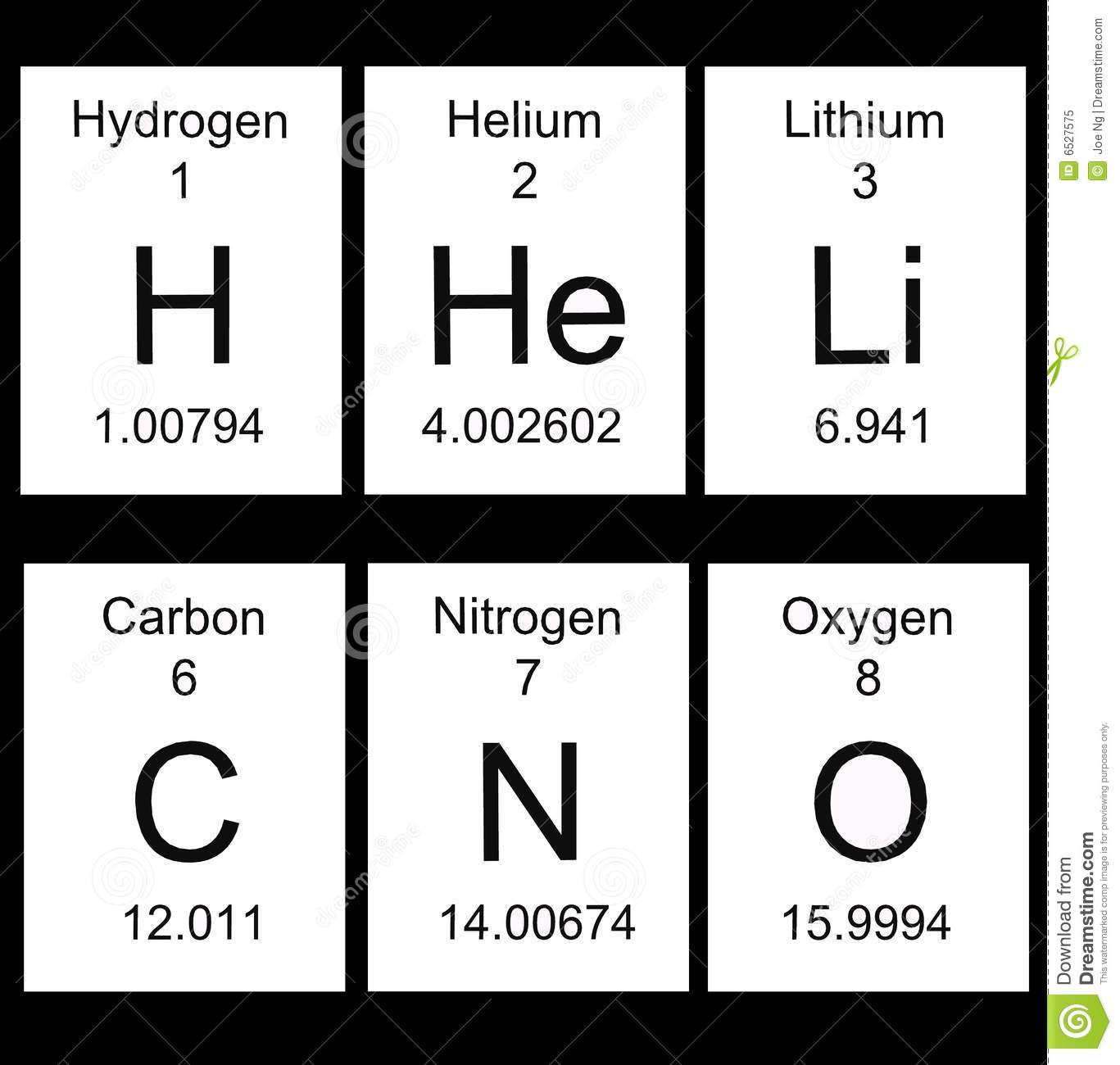
What is the chemical symbol for Lithium?
a)
H
b)
He
c)
Li
d)
N
62.
Most of the elements on the periodic table are classified as _____.
a)
Metals
b)
Nonmetals
c)
Metalloids
d)
Periods
63.
Why do some elements have 3 letter chemical symbols?
a)
There are no elements with 3 letter symbols
b)
They are named after scientists
c)
They are named after places
d)
They have a temporary name until scientists agree on a new name.
64.
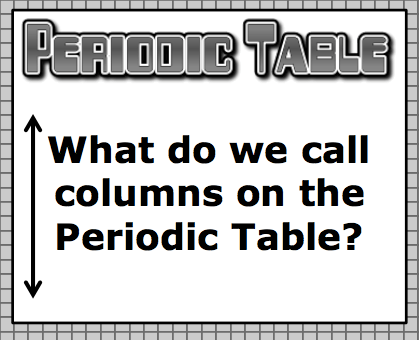
The vertical columns on the Periodic Table are
a)
Periods
b)
Families/Groups
c)
Metals
d)
Non-Metals
65.
Which 2 Subatomic Particles make up the Nucleus of atoms?
a)
Protons & Electrons
b)
Neutrons & Electrons
c)
Protons & Neutrons
66.
Electrons have a _______ electrical charge.
a)
Positive (+)
b)
Neutral (No Charge)
c)
Negative (-)
67.
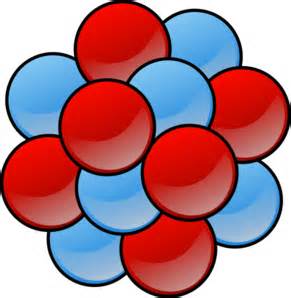
In this picture, the Electrons are found in which color?
a)
Blue
b)
Red
c)
Green
68.
An Element's ______ ______ is made up of Protons & Neutrons
a)
Atomic Number
b)
Atomic Mass
c)
Period Number
d)
Family Group
69.
The Periodic Table arranges Elements in order by
a)
decreasing Atomic Mass
b)
increasing Atomic Number
c)
decreasing Atomic Number
d)
increasing Atomic Mass
70.
What is the Atomic Mass of Carbon?
a)
6
b)
C
c)
12.01
71.
What is the Atomic Number for the element Copper?
a)
Cu
b)
Copper
c)
63.5
d)
29
72.

Which element symbol is NOT written correctly?

a)

Fe

b)

H

c)

al

d)

Ne

73.
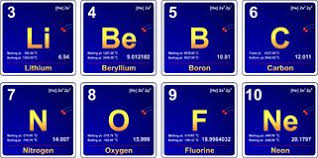
How many protons are in Beryllium?
a)
4
b)
9
c)
5
d)
2
74.
How many neutrons does the isotope of lithium have?
a)
8
b)
3
c)
4
d)
5
75.

Which scientist developed the first published periodic table where elements were placed in order of increasing atomic mass?

a)

Henry Moseley

b)

Johann Dobereiner

c)

John Dalton

d)

Dmitri Mendeleev

76.
Based on what you know about the organization of the Periodic Table, which two elements shown above would have the most similar chemical properties?
a)
Sodium and magnesium
b)
Potassium and calcium
c)
Potassium and magnesium
d)
Sodium and potassium
77.
What conclusion can you make about the elements shown above?
a)
Phosphorus has more valence electrons than nitrogen.
b)
Carbon has fewer protons in its nucleus than nitrogen.
c)
Phosphorus is more like silicon than it is like nitrogen.   
d)
Aluminum is smaller than carbon.
78.

A model of an atom is shown above.

An atom of which element is represented by this model? (count them dots)

a)

Tantalum

b)

Oxygen

c)

Carbon

d)

Strontium

79.
Neon belongs to which group on the Periodic Table?
a)
Group #1
b)
Group #10
c)
Group #18
d)
Group #20
80.

What's special about the first letter of a chemical symbol

a)

It always matches the name of the element

b)

It is capitalized

c)

It's always lower-case

d)

It's not special