
 Worksheets
Chemical Reactions Level 3 Practice
Total questions: 27
Worksheet time: 33mins
Which of the following is NOT typically a result of a chemical change?
A new substance is created.
A change in color occurs.
Energy is absorbed or released.
The original substance can be easily recovered by physical means.
A change in temperature is observed.

The picture below shows a beaker containing a red liquid with a temperature of 5°C. A BLUE liquid is ADDED to the red liquid. Which of the following pictures provides the MOST evidence that a chemical change has occurred?

A

B

C

D

The part of the reaction shown is called the ---------.
(a)
Which of the following chemical equations does not comply with the law of conservation of mass?
A) 2Na + Cl2 --> 2NaCl
B) C + O2 --> CO + Li
C) 2H2 + O2 --> 2H2O
D) All are correct.
In the reaction where hydrogen gas combines with oxygen to form water, which statement is true?
A) The total mass of water formed is equal to the sum of the masses of hydrogen and oxygen used
B) The oxygen gas has no mass
C) The water will weigh less than the oxygen alone
D) The mass of hydrogen is doubled in the water
If Emma mixes 3 grams of chemical A with 7 grams of chemical B in a science experiment, what is the expected mass of the resulting mixture?
(a)
Michael placed 8 grams of ice in a sealed container and left it in a warm room. After the ice melted into water and then evaporated, what is the mass of the water vapor in the container?
A. 0.0 grams because the state changed
B. 4.0 grams because liquid water is denser than ice
C. 8.0 grams because the mass remains constant
D. It cannot be determined without knowing the room's temperature
Match
Glucose
Product of Photosynthesis
Chlorphyll
Organelle for Photosynthesis
Carbon dioxide
Reactant of Photosynthesis
Sunlight
Energy needed for Photosynthesis
Which process indicates a physical change rather than a chemical change?
Burning
Rusting
Decomposing
Condensing
Match
Burning
Exo-thermic Reaction
Photosynthesis
Endo-thermic Reaction
Exo
prefix means to leave or release heat
Endo
prefix means to enter or require energy
Catalyst
speeds up a reaction
After the fizzing stops, the student determines that mass of the liquid in the flask is 105g. They predicited it would be higher. Why doesn't the mass match their prediction? In order to explain why the predicition was wrong, what 2 scientific words should the student use? (write in lower case letters)
(a)
Match
density
physical property
flammability
chemical property
vase
open system
sealed jar
closed system
a gas is formed
new bubbles
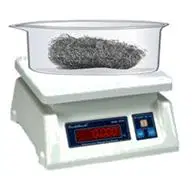
In class, the steel wool was burned (oxidized). On the scale the mass changed. How can that be if there mass must be conserved?
The scale did stay the same.
The steel wool was burned in an open system.
The steel wool was burned in a closed system.

In the picture, which box on the right shows the correct products according to the Law of Conservation of Mass?
A
B
C
D

A student combines hydrochloric acid (HCl) with a piece of magnesium (Mg). A chemical reaction occurs, and the data for the reaction is shown in the image. What must be true about the reaction?
It was Endothermic.
It was exothermic.
It happened in an open system.
It happened in a closed system.

Which of the following is not a clue that a chemical reaction has taken place?
Changing size
Changing odor
A gas being formed
Formation of a precipitate
A physical change _____________ the identity of the substance.
changes
maintains
Which of the following describes a chemical change?
Atoms are rearranged, forming a new substance
Reactants yield products
New substance or substances are produced
All of the above!

Does this image represent a chemical or a physical change?
Chemical change
Physical change

