
Font size
 Worksheets
Body Systems
Total questions: 61
Worksheet time: 2hrs 59mins
Protects the body, regulates body temperature
Integumentary
Nervous
Skeletal
Muscular
Carries oxygen and nutrients to all parts of the body.
Integumentary
Nervous
Circulatory
Respiratory
Supplies blood with oxygen and rids the body of carbon dioxide
Integumentary
Nervous
Circulatory
Respiratory
Main Organs: Heart and blood vessels
Integumentary
Nervous
Circulatory
Respiratory

Makes chemical messages that regulate conditions inside the body.
circulatory system
respiratory system
endocrine system
muscular system
Which of the following statements describes the function of the heart?
The heart produces white and red blood cells.
The heart controls the nervous system.
The heart makes oxygen and carbon dioxide.
The heart pumps blood throughout the body.
How does the circulatory system depend on the skeletal system?
The skeletal system removes carbon dioxide from the circulatory system.
The skeletal system produces blood cells in the bone marrow.
The skeletal system is responsible for voluntary movement.
The skeletal system helps to digest food for the circulatory system.
What is the most important function of the excretory system?
Break down food
Pump blood
Remove waste
Voluntary movement
How do the circulatory and excretory systems work together?
The circulatory system brings nutrients and oxygen so our cells can produce energy.
The circulatory system brings blood to the kidneys to filter and remove waste.
The circulatory system bring white blood cells around the body to fight infection and disease.
The circulatory system helps the excretory system digest food.
How does the immune system depend on the circulatory system in order to function?
The circulatory system produces antibodies used by the immune system.
The circulatory system sends bacteria and viruses to the immune system.
The circulatory system transports immune system cells throughout the body.
The circulatory system protects the immune system from diseases.
Which two systems work together to remove wastes?
digestive and excretory
respiratory and skeletal
skeletal and circulatory
digestive and respiratory
The ________ system is made of glands that secrete hormones into the blood to maintain homeostasis (balance)
excretory
endocrine
digestive
circulatory
"The small intestine absorbs nutrients from our food and they are carried through the blood to the cells."
"The ________ system allows us to move around, but the _________ system controls our movement."
Thyroid Gland does what
make chicken juice
regulate metabolism
help breakdown sugar
Thymus does what
used to make sex cells
is an herb like thyme
helps with immune system
Pineal gland
Chemical substances produced and secreted by the endocrine glands.
releases melatonin and regulates sleep
Pineapple flavor, please
Adrenal glands
release adrenaline into the body
Regulates blood pressure
makes insulin
Endocrine System
a chemical factory for our bodies
a good sound system
a system made up of 10 glands inside the body
Pancreas does what
regulates our body
produces insulin and hormones
makes pancakes in our dreams

What are hormones?
things that make teenagers moody
Chemical that help the body adjust to change.
chicken juices
What is the Pituitary glands?
controls the brain
a gland in the pits
Often called the "master gland" of the body
Endocrine glands secrete _
Hormones
Neurotransmitters
A wide range of chemical substances

The process by which an organism’s internal environment is kept stable in spite of changes in the external environment.
Positive Feedback
Negative Feedback
Homeostasis
Targeted Cells
Where does the digestive system start?
The liver
The throat
The stomach
The mouth

Which is the esophagus?
A
B
C
D
E

Which parts of the diagram is the small and large intestine?
A~ small intestine
E~ large intestine
D~ small intestine
E~ large intestine
C~ large intestine
B~ small intestine
A~ large intestine
C~ small intestine
E~ small intestine
D~ large intestine
The muscular tube that connects the mouth to the stomach.
stomach
esophagus
large intestine
small intestine
Which of the following organs does NOT contribute digestive juices and enzymes?
liver
gallbladder
pancreas
thyroid

What are involuntary contractions?
Chyme
Peristalsis
Rectum
Villi
(a) is food/juices that are formed in the stomach.
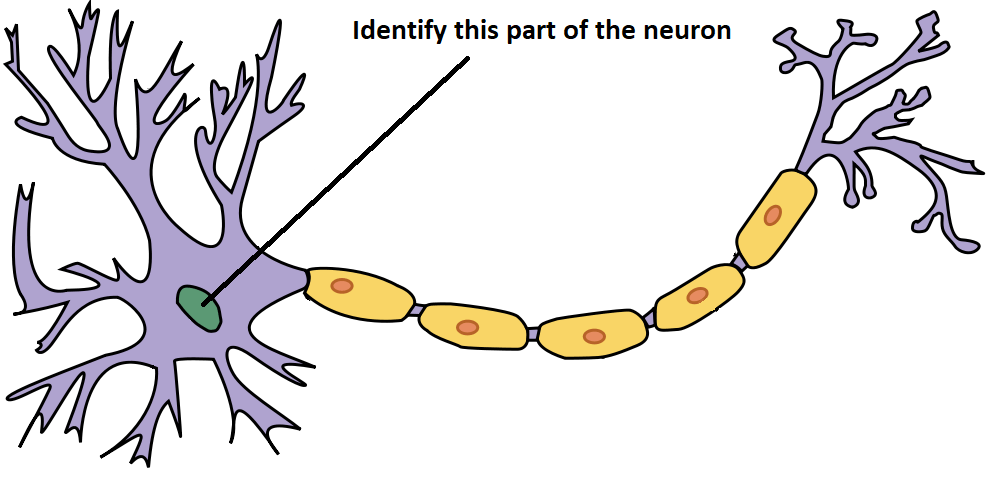
Nucleus
Cell Body
Axon
Node of Ranvier
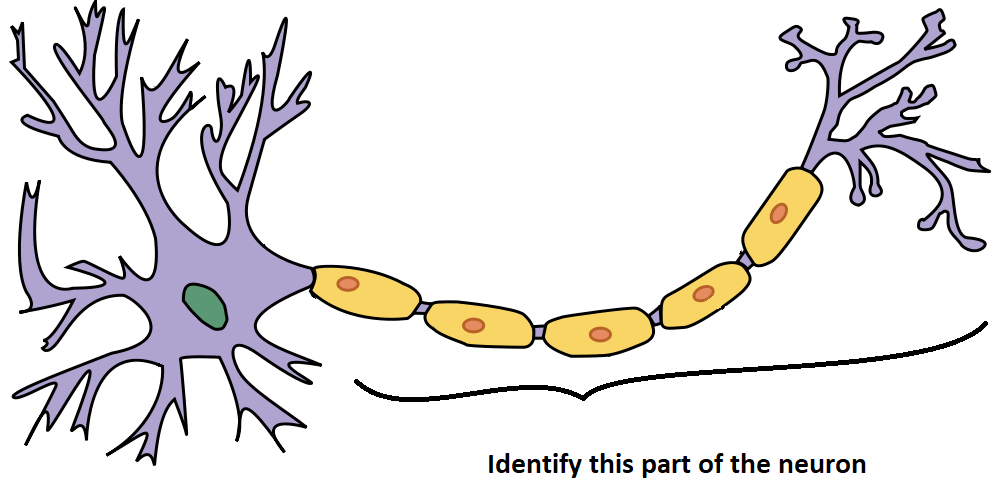
Nucleus
Cell Body
Axon
Node of Ranvier
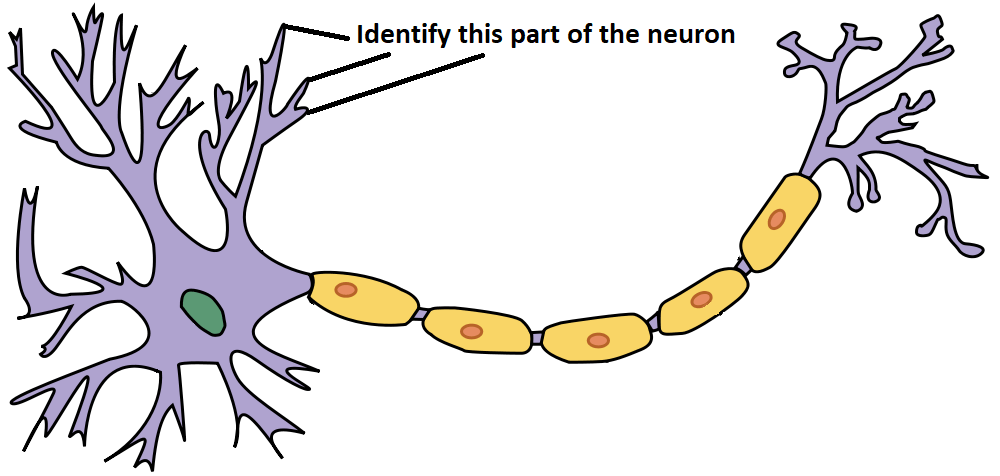
Dendrites
Axon Terminals
Myelin Sheath
Schwann Cells

Chemical digestion involves which of the following?
Cutting food with a knife
Crushing food
Chewing
Stomach Acid

Where are most nutrients absorbed during digestion?
Small Intestine
Stomach
Large Intestine
Esophagus

A muscular bag that mixes and crushes food is your
Small Intestine
Stomach
Large Intestine
Esophagus

Which of the following is NOT part of your excretory system?
Heart
Lungs
Kidneys
Skin

How do your digestive and circulatory systems interact?
The large intestine absorbs water
Your skull protects your brain
Blood absorbs nutrients from the small intestine
Blood carries carbon dioxide to the lungs

The job of your kidneys is to...
Create feces
Take carbon dioxide out of your blood
Put oxygen into your blood
Clean blood, sending waste to bladder

Which 2 systems work together when blood takes nutrients from your small intestine to your cells?
Circulatory and Digestive
Circulatory and Muscular
Digestive and Respiratory
Digestive and Muscular

Which 2 systems work together when your lungs release carbon dioxide as waste?
Respiratory and Digestive
Respiratory and Excretory
Excretory and Muscular
Skeletal and Muscular

