
 Worksheets
Summary Stage 3 BH
Total questions: 40
Worksheet time: 10hrs 0mins
This cells form the bones
Osteoblasts
Osteocytes
Osteoclasts
Osteochondrogenic
They are the basic part of the bone structure, and they are called "Havers' systems"
Osteocytes
Osteons
Osteoblasts
This cells destroy the bone to rebuild it
Osteoblasts
Osteocytes
Osteoclasts
Osteochondrogenic
This are known as the mature cells of the bones
Osteoblasts
Osteocytes
Osteoclasts
Osteochondrogenic
The red bone marrow produces blood cells
True
False
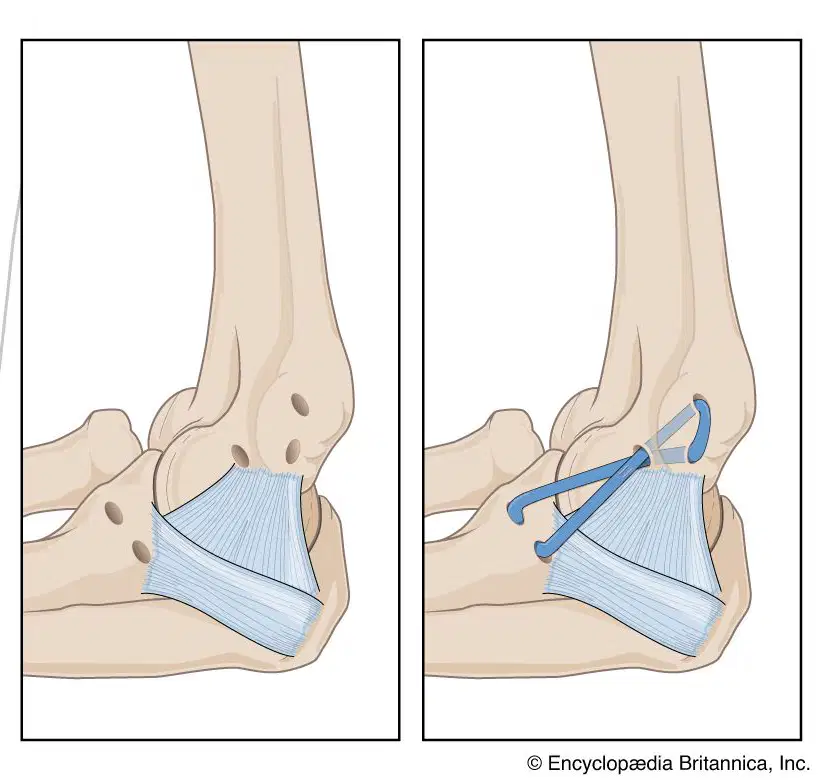
This structure connects bone to bone
Ligament
Tendon
Connective tissue
Smooth muscle does not present striated patterns. Its cells are uninucleated and are in charge of involuntary movements. Select the image that shows an example of this muscle.


The skeletal muscle has voluntary movements.
True
False
This is the only muscle that has striae and is involuntary, we can find it on the heart.
Skeletal
Smooth
Cardiac
If you don’t have enough _______ such as potassium or calcium, you will feel a cramp, that is an event of painful muscle spasms.
Tendons
Electrical impulses
Electrolytes
The first layer of the skin is called _______ and has different cells that replace the old ones. Under, we have the _______ with dense tissue and elastic fibers, and last we have the _______ made of adipose tissue.
dermis / epidermis / hypodermis
hypodermis / dermis / epidermis
epidermis / hypodermis / dermis
epidermis / dermis/ hypodermis
Select the option that doesn’t include a symptom of acne.
Black and white spots on the skin
Pain and sneezing
Presence of bacteria or hormonal changes
Inflammation and redness
_______ go from the heart to the body, most of them carry oxygen.
Arteries
Veins
_______ go from the body to the heart and most of them carry carbon dioxide.
Arteries
Veins
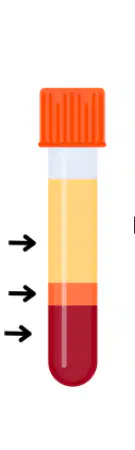
The yellow part on the image corresponds to the liquid portion of the blood, which is called:
Plasma
Serum
Liquid
Red cells
The disease called botulism appears when we eat food from damaged cans and it is caused by the bacterium:
Clostridium
COVID-19
Staphylococcus
Escherichia
Tetanus is a disease that can appear if you are not careful with an open wound, so it can get infected by bacteria.
True
False
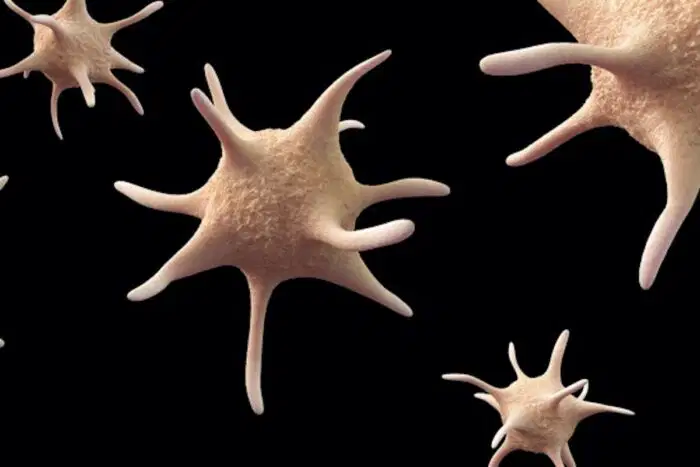
This image corresponds to _______, a type of blood components that play a role in the coagulation process.
Erythrocytes have hemoglobin to transport oxygen, they are also called _______
White blood cells
Platelets
Red blood cells
Plasma
_______ are the blood components in charge of the defense mechanisms of the body, they destroy _______
Select the option that doesn’t include a characteristic of hypertension
Blood pressure higher than 140/90mmHg
It has no symptoms
Pain in the chest
It is known as the silent killer
Our immunological system has a series of mechanisms that recognize what belongs to the body and external agents. For example, it can recognize bacteria, mosquito bites, etc, this is a type of immunity we have since we are born, and it's called:
_______ is the programmed death of cells when they are not working properly.
Mobile joints are also called diarthrosis
True
False
_______ joints have subtle movements and fibrocartilaginous tissue.
Synarthrosis
Amphiarthrosis
Diarthrosis
On our head we have an example of a not mobile joint. This is called:
Amphiarthrosis
Synarthrosis
Diarthrosis
This cells of the skin are located in the deepest layer, they are responsible for detecting what we touch.
This type of cells are found on the skin and are part of the deffense systems of the body
Merkel cells
Keratinocytes
Langerhans cells
Melanocytes
These cells give color to our skin by producing melanin
Merkel cells
Keratinocytes
Langerhans cells
Melanocytes
These cells produce the protein keratin, that provides resistance and
impermeability
Merkel cells
Keratinocytes
Langerhans cells
Melanocytes
Select the option that doesn't include a function of the secretions produced by sebaceous glands:
Trapping and eliminating microorganisms
It's an acidic substance that kills bacteria
Lubricate and soften the skin
They are not found in the palms of the hands and soles of the feet
This skin cancer is present on MELANOcytes and is the most severe type of cancer
This condition is a lack of blood supply to the heart muscle, causing pain, dizziness
Infarction
The spleen is an organ of the _______ system that monitors our blood to look for pathogens to capture and destroy them
lymphatic
The Novavax vaccine against COVID-19 belongs to this type of vaccines
Subunits
mRNA
Toxoid
Select an option that is not a characteristic of multiple sclerosis
Weakness and loss of adipose tissue
Inflammation that destroys the myelin of his neurons
Deficient signals of the central nervous system
Defects in the sense of sight and smell
This cells attack bacteria and fungi on infected areas of our body
Neutrophils
Macrophages are defense cells that eat:
pathogens, bacteria, and debris
Natural killer cells release alarm proteins in innate system
True
False
These cells are responsible for antigen presentation

