
 Worksheets
Biology classification& Evolution
Total questions: 35
Worksheet time: 37mins
Name
Class
Date
1.

Who was the naturalist that traveled the world to study plants and animals?
a)
Albert Einstein
b)
Charles Darwin
c)
Charles Barkley
d)
Isaac Newton
2.

The gradual change in species over time is...
a)
Evolution
b)
Nucleotide
c)
Adaptation
d)
Natural Selection
3.

To adjust to a changing environment
a)
Mutation
b)
Adapt
4.

Darwin wrote that organisms with traits that are best suited to the environment will ________________
a)
increase in number
b)
become extinct
5.
What characteristic did Darwin observe about the finches on the Galapagos Islands?
a)
Their feathers
b)
Genotypes
c)
Their beaks
d)
Their body sizes
6.

Another word for adapt is ____________.
a)
change
b)
create
7.
Which term refers to the process by which individuals that are better suited to the environment survive and reproduce therefore passing down their genes to their offspring?
a)
Evolution
b)
Variation
c)
Adaptation
d)
Natural Selection
8.
The white feathers of a snowy owl allow it to blend in with its environment during the winter months (snow). This is an example of ________________
a)
Species
b)
Environmental Change
c)
Adaptation
d)
Variation
9.

The grizzly bear is most related to the
a)
black bear
b)
panda bear
c)
fox
d)
sea star
10.
The method of naming organisms by using two names is known as
a)
binomial nomenclature
b)
dinomial menoclature
c)
dichotomous naming
d)
the scientific method
11.
The 8 levels of classification, from most broad to most specific, are
a)
Domain, Genus, Family, Order, Class, Phylum, Kingdom, Species
b)
Domain, Species, Kingdom, Genus, Phylum, Family, Class, Order
c)
Domain, Kingdom, Phylum, Class, Order, Family, Genus, Species
d)
Order, Kingdom, Species, Domain, Phylum, Family, Class, Genus
12.

Based on the picture what is the scientific name of the Panther?
a)
Animalia Chordata
b)
Mammalia Carnivora
c)
Pantera Pardus
13.
What was the name of the scientist who had the theory of evolution?
a)
Lamarck
b)
Einstein
c)
Washington
d)
Darwin
14.
Which of the following is a physical adaptation for the underlined animal?
a)
A snake unhinges its jaw to eat a rabbit it just caught.
b)
A hognose snake rolls over, slows its breathing, and hangs its tongue out to pretend to be dead.
c)
A herd of buffalo encircle their young to protect them from a pack of wolves.
d)
A dung beetle rolls a piece of dung across the desert.
15.

The 2-part naming system developed by Linneus is known as:
a)
dichotomous key
b)
taxonomy
c)
binomial nomenclature
d)
classification
16.

The rules for naming an organism are:
a)
Capitalize Genus, lowercase species, underline or italicize entire word
b)
Capitalize both Genus and species, underline or italicize the entire word
c)
write it how ever you want
d)
Capitalize Genus, lowercase species, make the entire word in bold print
17.

Use the dichotomous key above to classify the unknown organism in the picture
a)
Kentuckyus
b)
Californius
c)
WalaWala
d)
Beverlus
18.
The scientific name for an organism is made from the:
a)
class and family name
b)
genus and species name
c)
domain and kingdom name
d)
kingdom and phylum name
19.
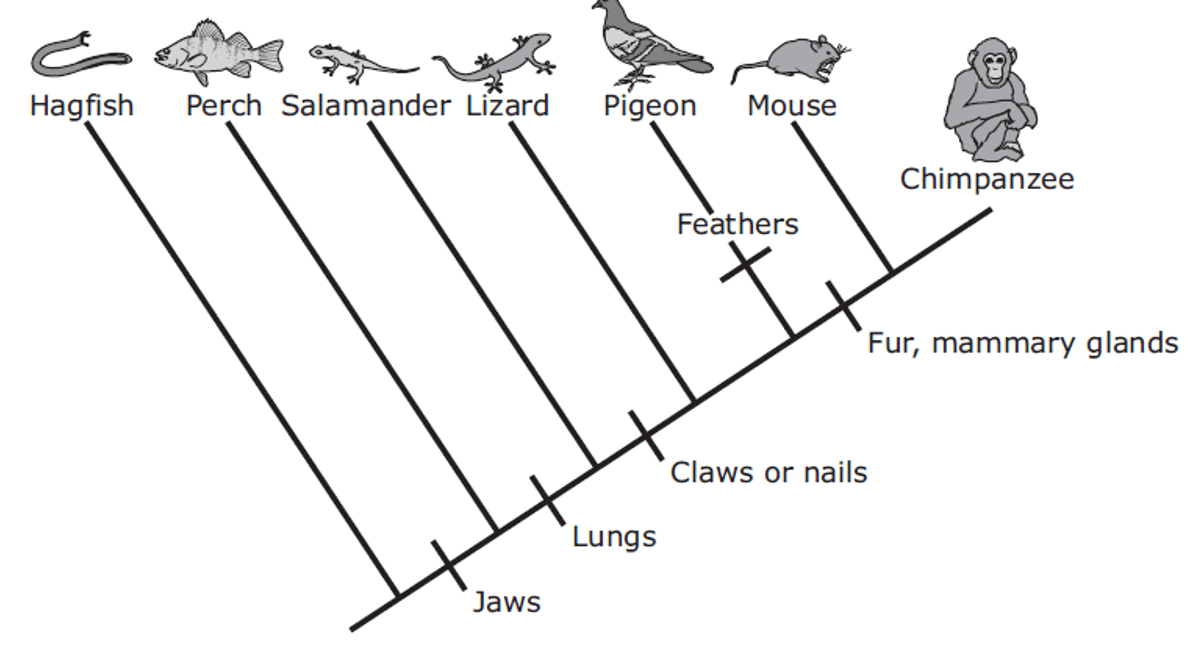
All the animals to the right of the salamander would have the common characteristic of...
a)
Fur
b)
Claws or nails
c)
Lungs
d)
Jaws
20.
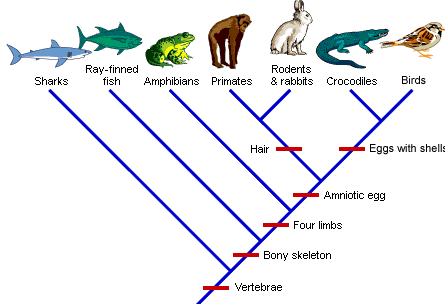
According to this cladogram, sharks are MOST closely related to which organism?
a)
Amphibians
b)
Ray finned fish
c)
Crocodiles
d)
Birds
21.
You look at two species and see very similar DNA. What does this likely tell you?
a)
These are the same animal.
b)
These animals are not likely related.
c)
These animals have a common ancestor.
d)
These animals are likely becoming one species.
22.
All the animals to the right of the hagfish would have the common characteristic of -
a)
Fur
b)
Claws or nails
c)
Lungs
d)
Jaws
23.

Which two orgainsms have hair?
a)
Sharks & Ray Finned Fish
b)
Primates & Rodents
c)
Birds & Crocodiles
d)
Rabbits & Birds
24.
Where the better adapted organisms survive to pass traits along to offspring.
a)
Evolution
b)
Natural Selection
c)
Extinction
d)
Artifical Selection
25.
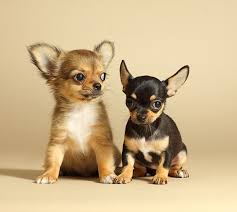
Dogs such as Chihuahuas are examples of....
a)
Artificial Selection
b)
Natural Selection
c)
Mutations
26.

Farmers breed cows to produce high amounts of milk. This is an example of...
a)
Natural Selection
b)
Variations in a species
c)
Selective Breeding
27.
Adaptation is when...
a)
plants and animals change themselves.
b)
plants and animals stay the same.
c)
plants and animals switch places.
d)
plants and animals change over generations to better suit an environment.
28.
Physical structures that were fully developed and functional in an earlier group of organisms but are reduced and unused in later species
a)
mutation
b)
disease organ
c)
vestigial organ
29.

a)
Homologous
b)
Vestigial
c)
Analogous
30.
Structures that are inherited from a common ancestor are homologous.
a)
True
b)
False
31.
Bird wings and butterfly wings are an example of
a)
Homologous structure
b)
Analogous structure
c)
Mimicry
d)
Camoflague
32.
Analogous structures show common ancestry.
a)
True
b)
False
33.
An organism's ability to survive and reproduce in its environment refers to its
a)
Fitness
b)
Variation
c)
Selection
d)
Mutation
34.
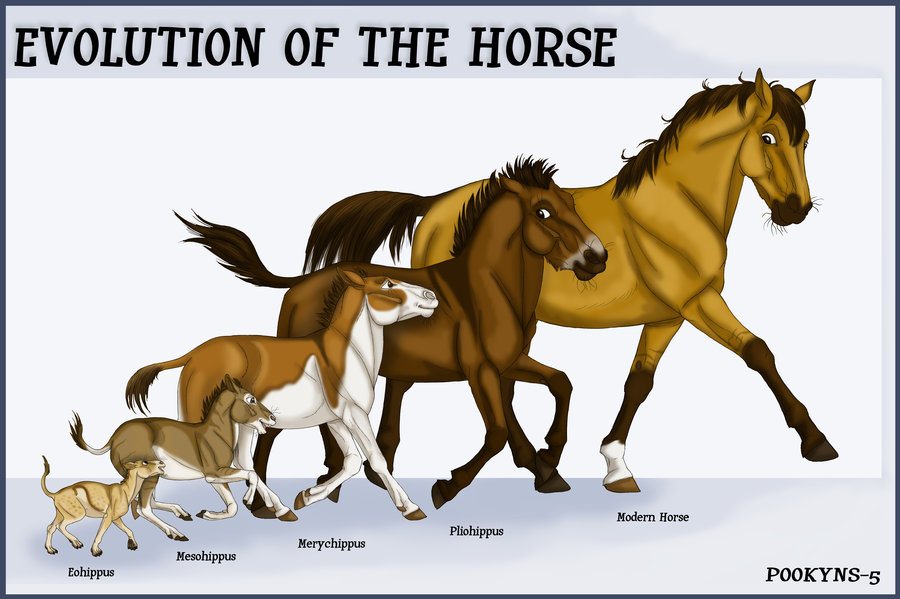
Some organisms that share a common ancestor have features that have different functions, but similar structures. These are known as
a)
vestigial structures
b)
analogous structures
c)
homologous structures
d)
fossil structures
35.
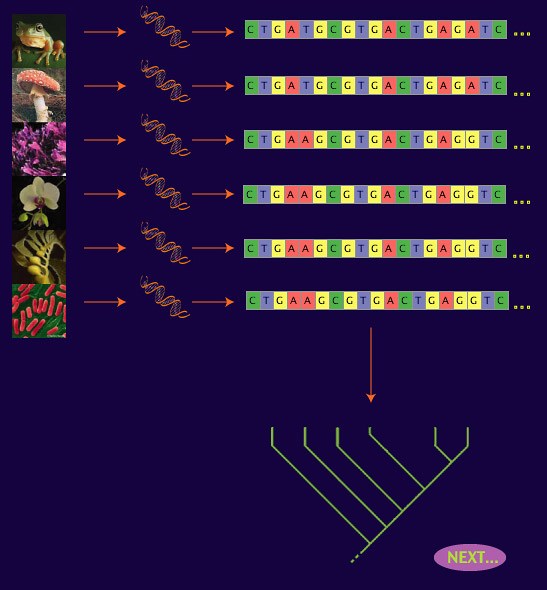
Two organisms that are closely related would have
a)
very similar DNA sequence
b)
exactly the same DNA sequences
c)
no proteins in common
d)
completely different DNA sequence
100 %

