
 Worksheets
5th Grade Science Pre Assessment
Total questions: 79
Worksheet time: 57mins

These are ______ particles because they are tightly packed together.
solid
liquid
gas
Which of the following is not a state of matter?
Solid
Water
Gas
Liquid
Solids _______.
move fast
glide and slide
vibrate in place
(a) is anything that has mass and takes up space

These are ______ particles because they are a little further apart and can slide and glide around.
solid
liquid
gas
______ has a definite shape and a definite volume
Solids
Liquids
Gases
_______ have no definite shape and no definite volume.
Solids
Liquids
Gases

These are ______ particles that move around freely.
solid
liquid
gas
Liquids glide and ______ past one another.
float
slide
push
_____ have definite volume but no definite shape.
Solids
Liquids
Gases

What is the hydrosphere's function?
a recycling planet powered by the flow of solar energy to support a network of life.
sustains various life forms and plays an important role in ecosystems and regulating heat on earth.
sustains life forms on the surface of the earth, absorbs and interacts with harmful solar rays.It protects the earth from natural and human-caused space debris.
controls the distribution of minerals, rocks and soils and generates natural hazards that shape the land and impact humans
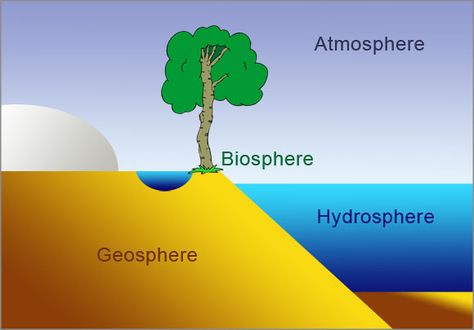
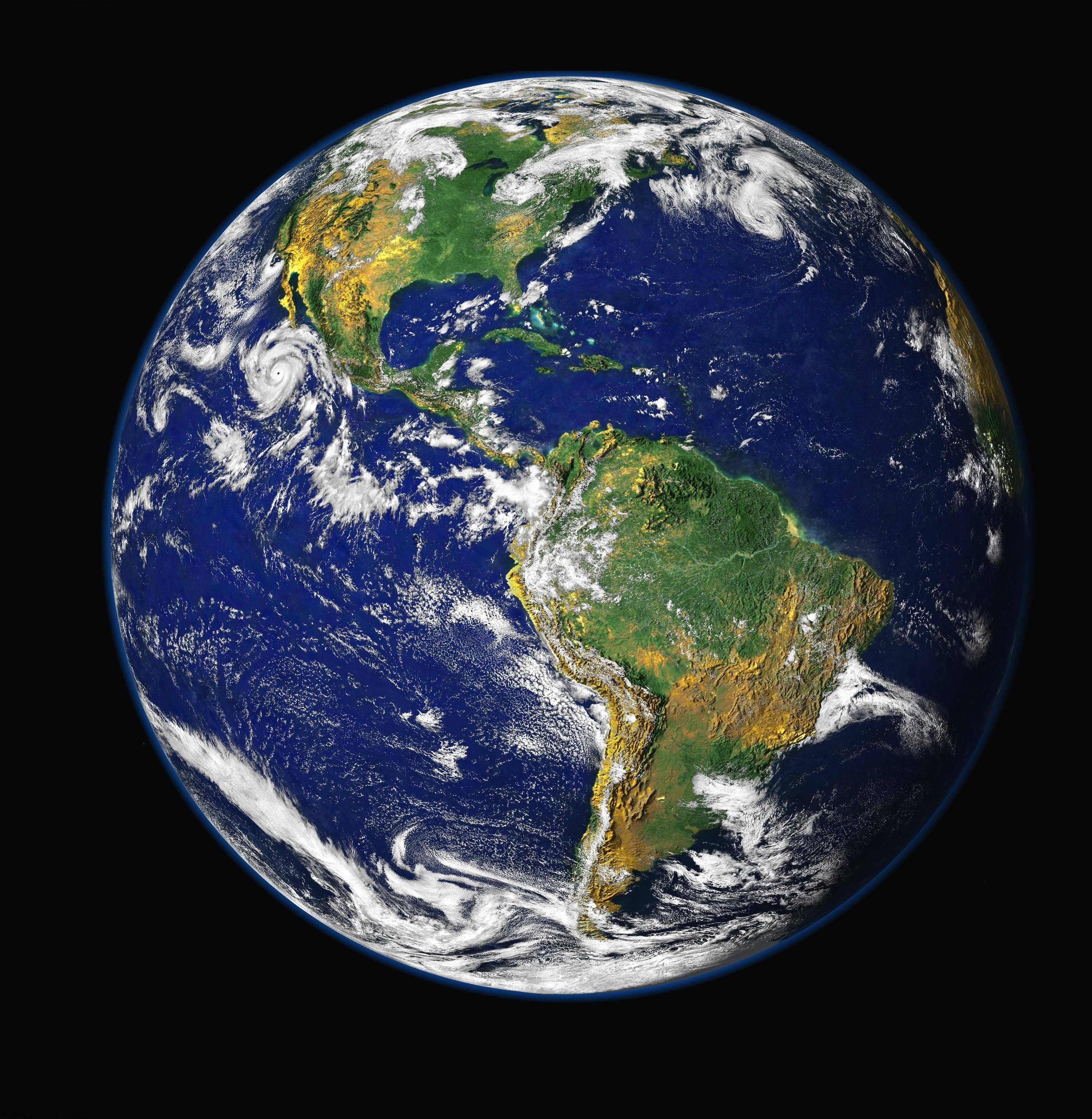
Earth is divided into four different spheres. Which statement is true about the interaction between two of these spheres?
Weather is an interaction between the hydrosphere and the geosphere.
A plant receiving water from precipitation is an interaction between the biosphere and the hydrosphere.
An ice cap providing shelter for an arctic animal is an interaction between the biosphere and the hydrosphere.
The formation of the Grand Canyon is an example of an interaction between the geosphere and the atmosphere.

Chemicals in the air, produced by pollution from factories, produce acid rain which impacts the health of fish, plants, and the environment in which they live. These are interactions between the:
Atmosphere and Geosphere
Atmosphere and Biosphere
Atmosphere and Hydrosphere
All of the above
Transpiration is the process by which moisture leaves plants through small pores on the underside of leaves, where it changes to vapor and is released to the air. These are interactions between the:
Biosphere and Hydrosphere
Hydrosphere and Atmosphere
Both A and B
Biosphere and Geosphere
Warm ocean currents cause major weather events, such as hurricanes, that impact the survival of living things. Which is not an interaction described in this example?
Geosphere and Atmosphere
Hydrosphere and Biosphere
Hydrosphere and Atmosphere
Atmosphere and Biosphere
Erosion is defined as the process where broken rocks and sediment are picked up and moved to another place by ice, water or wind. Which is not an interaction described in this example?
Hydrosphere and Geosphere
Biosphere and Geosphere
Atmosphere and Geosphere
Both B and C
Coral reefs protect coastlines by absorbing energy from pounding waves. Which is not an interaction described in this example?
Geosphere and Biosphere
Biosphere and Hydrosphere
Atmosphere and Biosphere
Both B and C
Turbulent winds which cause rainstorms that flood streams, lakes, and rivers are interactions between the:
Atmosphere and Geosphere
Hydrosphere and Geosphere
Atmosphere and Hydrosphere
Geosphere and Biosphere
What word is used to describe star patterns in the sky?
moons
circles
constellations
suns
The sun is also a _______________________.
moon
star
moon
constellation
The sun appears so big and bright because it is closer to the (a) .
True or False. Stars do not shine in the day time.
True
False


The stars in a constellation are
Far apart
Close together
Connected
What star is the source of light on Earth?
The Moon
The Sun
Shadows
A giant ball of hot, glowing gases
Constellation
Axis
Star
Where are stars located?
In the center of the Solar System
All around us
Only up
Only East and West of Earth
The sun is smaller than Earth.
True
False
The sun is the only star in the Solar System
True
False
What causes the daily pattern of when we see the sun and other stars?
The Earth's orbit
The moon
The Earth's rotation (spin)
The sun
_____is a force that pulls objects on Earth.
Electricty
The Sun
Magnatism
Gravity
Why do we see different stars at different time of the year?
The Earth's spin
The Earth's orbit around the sun
The Earth's rotation
The sun moves

Which organism is a producer in this food web?
Wolf Spider
Grasshopper
Cougar
Clover

What would happen if all the rabbits in this
ecosystem disappeared?
The cougar and fox populations would
decrease.
The cougar and fox populations would
increase.
The wolf spider population would increase.

Which of the following describes the rabbit?
An omnivore, which eats both plants and
animals.
An herbivore, which easts only plants.
A carnivore, which eats only animals.

Which chain takes the sun’s energy to the rabbit?
Sun → Grass → Rabbit
Sun → Clover → Fox → Rabbit
Sun → Clover → Fox → Cougar

Which organism does not appear to have any predators on this food web?
Wolf Spider
Fox
Cougar
Energy passes from the grass to the red fox through which organism?
Wolf Spider
Clover
Rabbit
Cougar

What type of consumer is the fox?
herbivore
omnivore
carnivore

Energy passes from the wolf spider to the cougar through which organism?
Grasshopper
Rabbit
Grass
Red Fox

How many organisms are prey to the cougar?
1
2
3
4
Energy passes from the clover to the wolf spider through which organism?
Red Fox
Grasshopper
Rabbit
Cougar
Part 1
Which do all plants need to grow?
Air
Rocks
Darkness
Hot temperatures
Why do plants need air to grow?
Plants must anchor themselves
Plants cannot keep cool on their own
Plants need heat to release their energy
Plants use carbon dioxide to make food

The model above shows the ingredients that an apple tree uses to make fruit.
Which best identifies where the apple tree gets the matter it uses to make fruit?
Soil and sunlight
Oxygen and soil
Oxygen and water
Water and carbon dioxide
Which do plants need for photosynthesis?
Water
Soil
Flowers
Carbon monoxide
Which best identifies what plants receive from sunlight?
Energy
Nitrogen
Oxygen
Sugars
Which best identifies how plants use carbon dioxide?
For energy
To take in light
For keeping cool
To make food

"Lettuce Seed Experiment"
The table shows the results of an experiment. The same number of lettuce seeds was planted in three pots of soil and in the holes of three sponges. Each set of seeds was given different conditions. Some seeds received water, some received sunlight, and some received both water and sunlight.
Which do lettuce seeds require to sprout?
Soil
Water
Sponge
Sunlight
Which do plant cells break down for energy?
Salt
Sugar
Pollen
Carbon Dioxide
Which recycles matter from dead plants and animals?
Bird
Snake
Tree
Mushroom
In a desert food web, which of the following is a consumer?
Cactus
Snake
Shrub
Tree
Which two describe plants?
They make their own light
They put oxygen into the air
They eat insects and ungi
They make their own food
They break down dead organisms

Which identifies the role of the squirrel in this food web?
Carnivore
Omnivore
Herbivore
Producer

Which identifies the role of the coyote in this food web?
Carnivore
Omnivore
Herbivore
Producer
In an ocean food web, which of the following is a decomposer?
Lobster
Shark
Sponge
Bacteria
What is a role seaweed plays in an ocean ecosystem?
It stops waves from eroding beaches
It releases carbon dioxide for fish to breathe
I adds salt and other minerals into the water
It changes sunlight to usable energy for animals

