
 Worksheets
ISAT Standard - ESS 3 - Earth and Human Activity
Total questions: 70
Worksheet time: 18hrs 30mins
What is an energy resource?
a natural product that can be changed into other energy forms
something formed from buried plants and animals
force that opposes motion
resource that can never be replaced
What are nonrenewable resources?
energy sources that are replaced faster than they are used
energy sources that can never be replaced or are replaced more slowly than they are used
a natural product that can be changed into other forms of energy to do work
What are fossil fuels?
energy producers that comes from radioactive elements
a natural product that can be changed into other energy forms to do work
energy resources that formed from buried plants and animals that lived a very long time ago
resources that are replaced faster than they are used
All of the following are fossil fuels EXCEPT
oil
nuclear energy
coal
natural gas
What changes chemical energy from fossil fuels into electrical energy?
electric generators
nuclear fission
power plants
windmills
What is a renewable energy resource?
an energy source that is replaced more slowly than they are used
an energy source that can never be replaced
an energy source that is replaced faster than they are used
a fossil fuel
The main idea of sustainability is to act responsibly so that the resources on the planet will be able to _____________many generations to come.
feed
wipe out
support
clothe
An accurate definition of Sustainability is
meeting population needs
meeting the needs of the present without compromising the ability of future generations to survive
meeting the needs of the future without worrying about todays
meeting the food needs of animals
Why are coal, oil, and natural gas classified as nonrenewable resources?
They are limitless
They exist in many places on Earth.
They are originally from once-living things.
They take millions of years to form.
Which of these problems could happen if we don't look after the resources we have?
Loss of animal homes
Climate change
Increase in pollution
All of the above
Sustainability of the natural environment includes protecting natural resources like
Water, sunlight, wind
Trees, sunlight, soil
Buildings, waste, trees
Water, trees, soil

How can some of the impacts of earthquakes be reduced?
by building structures that can sway with the motion
by building structures that do NOT move with the motion
by using thermometers to measure ground temperatures
by using satellites to monitor warning buoys in the ocean

A mountain area in the Pacific Northwest has many landslides. What most likely causes these rocks and soils to erode?
tree roots
gravity and rainfall
glaciers
frequent volcanic eruptions
Which statement is true of earthquakes?
All of them can be prevented.
Weak ones can be prevented.
Some of them can be prevented.
None of them can be prevented.

Which can be used to possible detect and reduce the impact of a volcanic eruption?
anchors
satellites
floating buiys
seismometers
The prediction of what the weather will be like in the near future
Natural hazards
Forecast
Flood
Earthquake
Volcanic eruptions
By using historical data, scientists can forecast the ______ and __________ of future events.
locations; likelihoods
pressure; change
atmospheric; front
predict; pressure
Meteorologists can _________ the local _______ by tracking__________ conditions.
likelihoods; change; locations
pressure, predict; tornado
predict; weather; atmospheric
change; atmospheric; locations
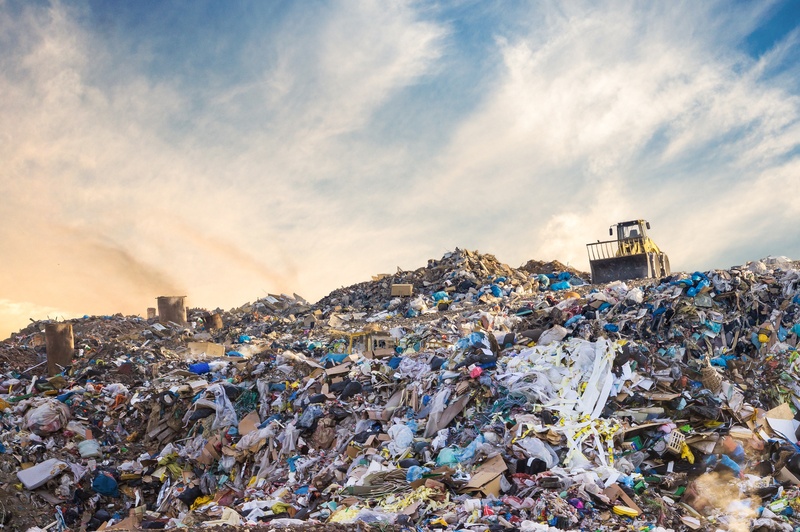
What are two possible negative effects of using landfills?
wind can carry garbage out of the landfill and into bodies of water
drinking water can be contaminated by leachate
nutrients improve soil quality
recycling increases
Which of the following are correct reasons to which animals become endangered?
Some animals become endangered due to changes in climate where they live.
Poaching causes some animals to become endangered.
Deforestation causes some animals to become endangered
Animals can become endangered for all of these reasons
What is conservation?
Saving natural resources.
Watching television throughout the day.
Using natural and human resources.
Leaving the watering running.
What are possible negative outcomes of forest being cleared to make room for farmland?
Fewer trees for animal habitats
Fertilizers create run-off into a nearby stream, polluting it.
Less room for animals to hunt and find shelter
All are possible negative outcomes
What is one of the main reasons many plants and animals are endangered?
disease
deforestation
recycling
reforestation
What is poaching?
when people hunt wild animals illegally
eating wild animals
saving wild animals
Which of the following does not destroy habitats?
building homes
pollution
composting
habitat fragmentation
WHY IS RECYCLING SO IMPORTANT?
Recycling helps to reduce pure air
Recycling helps to reduce the pollution caused by waste. .and reduces the need for raw materials
Recycling helps plants to grow quickly in the forest .
Recycling helps people to have a good economic situation in their houses
An endangered species is
One whose numbers are so small that it is at risk of extinction
One who has not been spotted after many years.
One whose numbers are abundant
One that is also extinct
the breaking of habitats into smaller pieces is called...
habitat division
habitat pollution
habitat reforestation
habitat fragmentation
Planting different crops in a field each year is important because
crop rotation prevents erosion
crop rotation protect animal species
preventing erosion & protecting animal species are both reasons to rotate crops
crop rotation helps avoid using all the nutrients in the soil
How does having trees & tree roots in the soil affect the rate of erosion?
It doesn't affect erosion.
It decreases erosion.
It increases erosion.
What is a benefit of compost?
Increases waste in landfill.
Provides a source of nutrients for plants.
Prevents diseases that can harm plants.
Creates a habitat for mice.
When land is overfarmed or overgrazed, soil erosion can lead to:
desertification
urbanization
reclamation
deforestation

What is the importance of reforestation in environment ?
so that is look beautiful
so that animals are endangered
to prevent flooding & decrease CO2 in the environment
to produce a lot of leaves
Wildlife corridors are areas where wildlife can travel between two natural areas that are separated by urban development, such as highways. The development of wildlife corridors is an attempt to decrease the effect of which factor?
excess predators
captive breeding
habitat fragmentation
excess water
How does captive breeding benefit biodiversity?
It helps cause endangerment of species
It helps populations to increase in a protected environment
It allows humans to study animals closely
It helps populations to decrease in a protected environment

The Mauna Loa Observatory in Hawaii has been collecting data about the atmosphere and climate since the 1950s. The graph shows some of its findings.
The Mauna Loa Observatory in Hawaii has been collecting data about the atmosphere and climate since the 1950s. The graph shows some of its findings.
ozone depletion
greenhouse effect
coastal erosion
land erosion

Which conclusion is supported by the graph?
All climate change is caused by humans.
Climate change is a natural process.
The levels of carbon dioxide in the atmosphere have been increasing since the 1960s.
The levels of carbon dioxide in the atmosphere have been decreasing since the 1960s.

A city determines the average amount of electricity used by its residents over a year. Which term is used for this specific calculation?
resource use
population growth
per capita consumption
conservation science

In 2016, Japan’s estimated birthrate was 8 births per 1,000 people. The estimated death rate was 10 deaths per 1,000 people. There were not very many people moving into or out of the country. What most likely happened to Japan’s population size in 2016?
grew quickly
grew slowly
decreased slowly
stayed the same

What has happened to the size of the human population over time?
Human population size did not change at all until around the year 1880.
Human population size has grown slowly since the beginning of the Modern Age.
The size of the human population began increasing rapidly within the last 200 years.
The size of the human population has always increased at a steady rate.

How can a city decrease its per capita consumption of water?
It can encourage each citizen to use less water.
It can increase the total amount of water available.
It can limit the number of new people moving into the city.
It can find a new source of water for the city.

Many people apply fertilizer to their lawn in the spring. Chemicals in the fertilizer absorb into the soil and can run off into nearby rivers and streams.
helping grass grow faster
contributing to air pollution
endangering aquatic animals
reducing soil erosion

Choose ALL of the renewable resources
sun
coal
wind
fossil fuels
Earth (geothermal)

According to the graph, what material’s recycling would reduce the largest portion of America’s trash?
Metals
paper
plastics
Yard trimmings
Population growth is determined by calculating the number of individuals who...
are born
die
move in or out of an area
all of the above
A rate of change that increases more and more rapidly over time.
Population
Birth Rate
Exponential Growth
Death Rate
What is it called when the number of humans grows beyond what the available resources can support?
Population
Pollution
Overpopulation
Population Growth
Which of these air pollutants do cows often release through digestion or manure?
Carbon Dioxide
Methane
Nitrogen Oxide
Sulfur Dioxide
The warming of the Earth's atmosphere is called...
The Ozone Layer
The Greenhouse Effect
The Carbon Cycle
The El Niño Effect

Two containers were placed in front of a lamp for 10 minutes. Both containers were filled with air. Additional carbon dioxide was added to one container. The final temperatures of both containers are shown.
What does this experiment prove?
Carbon dioxide is a greenhouse gas that traps heat.
Carbon dioxide is not a greenhouse gas that traps heat.
The experiment does not prove anything.
Which of the following human activities would NOT decrease the amount of CO2 emitted into the atmosphere?
Households recycling plastic, glass, and paper products
Cutting trees in a large area to create land for a shopping mall
Installing solar panels on the roof of new homes built around the city
Taking public transportation as a way to commute

According to the data shown on greenhouse emissions, Which two greenhouse gases are major contributors to greenhouse emissions? Select two.
HCFs
nitrous oxide
methane
carbon dioxide

Using the model, reorder the following gases in Earth's atmosphere from least to greatest.
carbon dioxide
oxygen
nitrogen
Human activities are __________________ the levels of the greenhouse gases in the atmosphere.
Increasing
Decreasing
maintaining
fluctuating

